



Memory loss changes the shape of a family. A parent forgets a name. Then a face. Then the way home from a place they’ve driven for forty years.
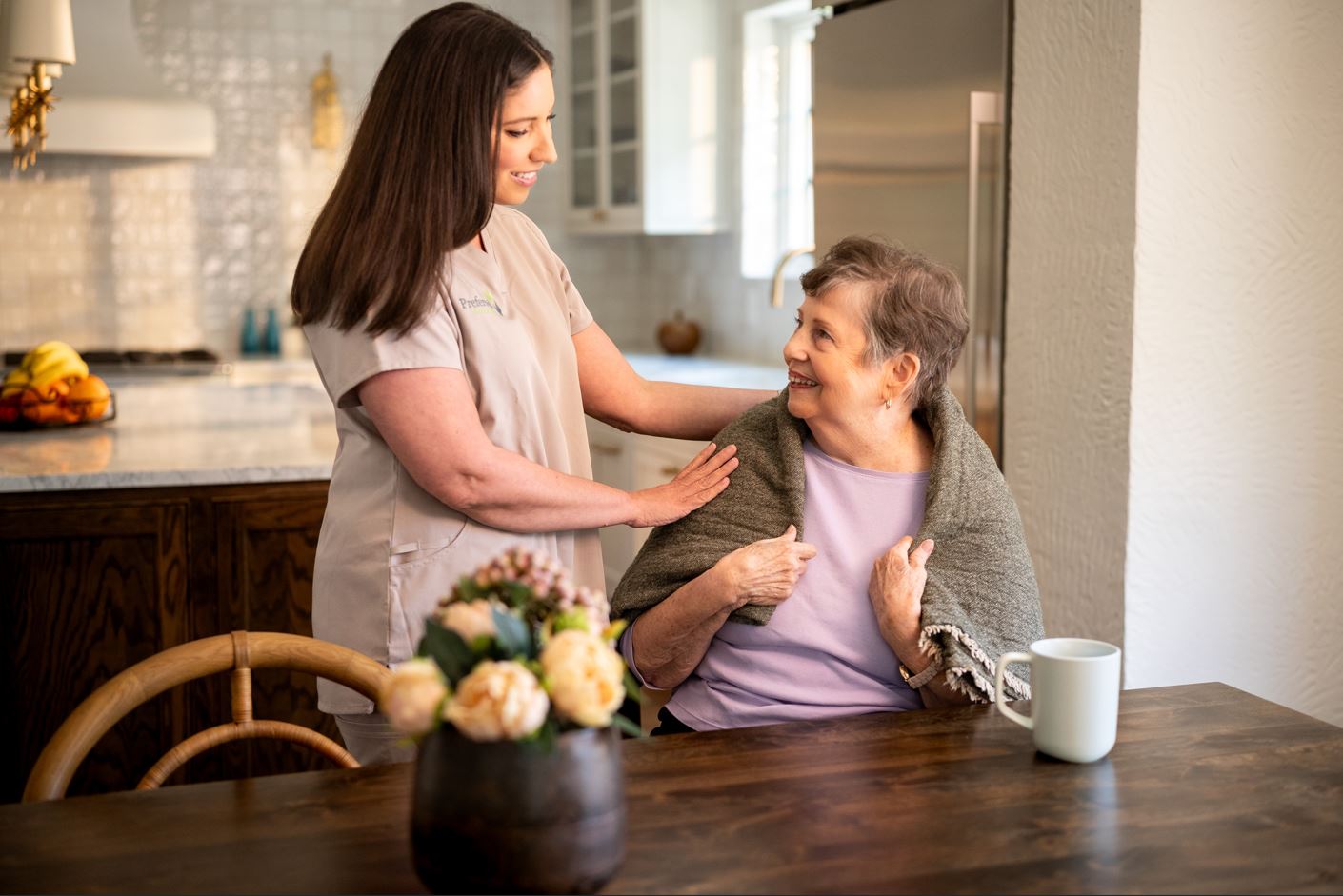
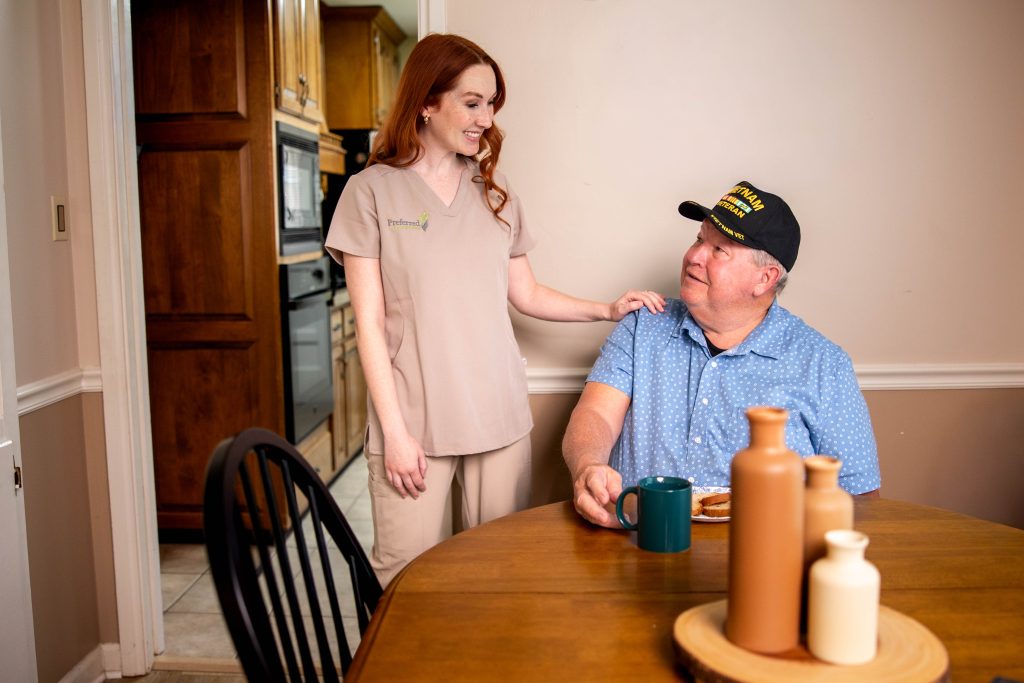
That’s frightening for everyone involved, and it’s not something any family should have to navigate alone. Preferred Care at Home of South Miami provides dementia and Alzheimer’s care built around your loved one’s routines, safety, and dignity. Care happens right in the home they know.
If you’re searching for dementia and Alzheimer’s care South Miami families have trusted, Preferred Care at Home has served South Florida since 1984. Our South Miami office is owned by Natalie Caldwell and Ricky Greene. They work directly with families rather than routing calls through a distant call center.
Every caregiver goes through our 7-step screening process before they ever meet your family, including background checks, reference verification, and a personality match. We rely on experienced and trained caregivers, including CNA and HHA professionals, and we build continuity into every plan.
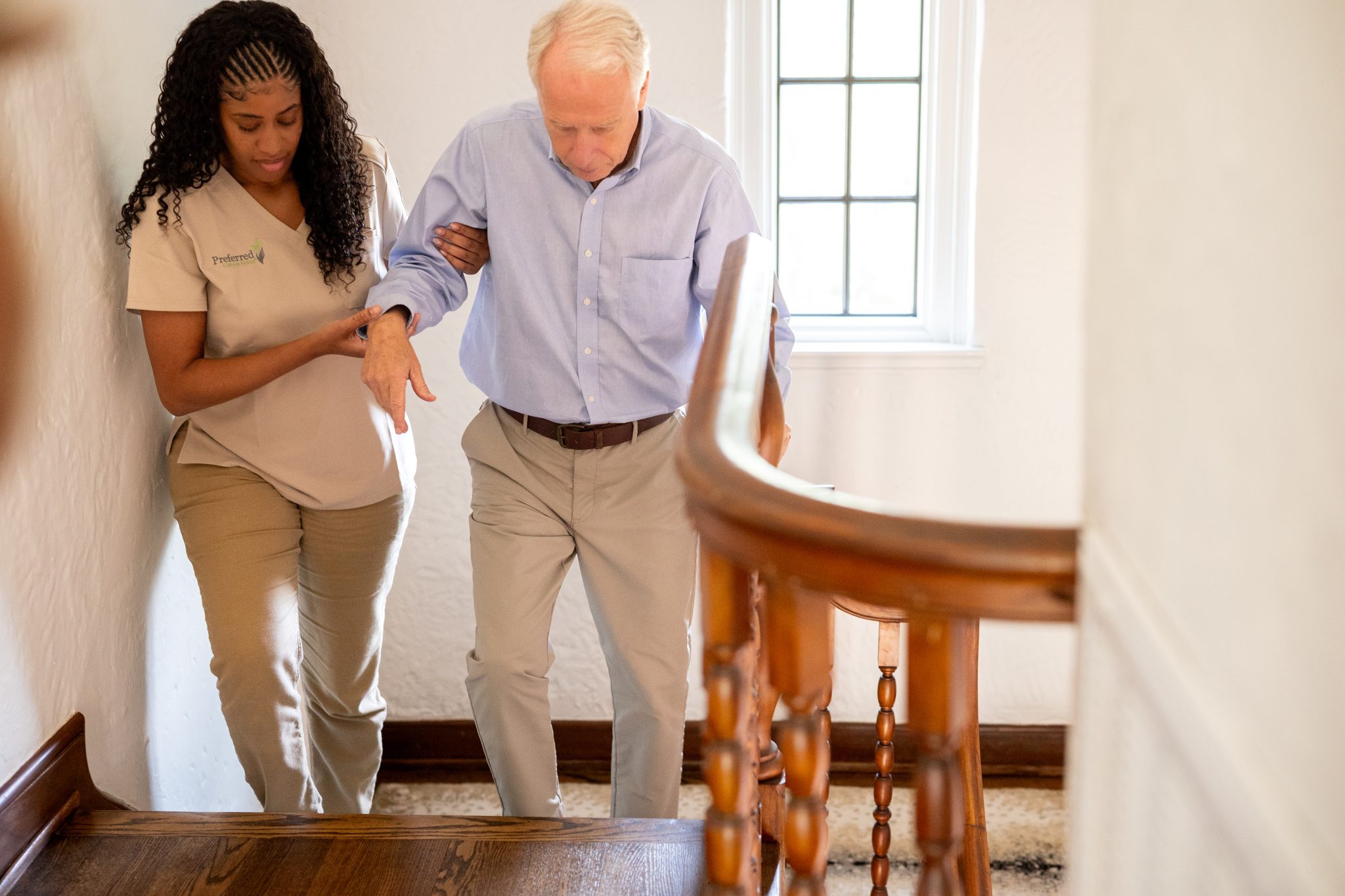
Memory loss brings safety risks that build gradually: wandering, missed medications, kitchen hazards, and falls. Our caregivers are trained to spot these risks early and adjust the home environment before something goes wrong.
We provide assistance with bathing, dressing, and grooming, along with meal preparation, light housekeeping, and transportation to appointments. Throughout, we watch for the small changes that signal a bigger safety concern.
Consistent routines reduce the anxiety that comes with memory loss, and that holds true for seniors at every stage of the disease. Our caregivers keep meals, activities, and rest on a predictable schedule, following training programs built specifically around dementia care.
We look for what still brings your loved one joy: tending a garden, listening to old records, or a daily walk past the Biltmore. Supporting brain health means gentle redirection instead of correction, delivered with compassion, not constant change.
Alzheimer’s disease is the most common form of dementia, but it isn’t the only one. Vascular dementia, frontotemporal dementia, and other conditions that affect memory each bring their own patterns of confusion and behavioral change.
Miami-Dade County has the highest prevalence of Alzheimer’s disease of any large county in the nation. An estimated 16.6 percent of residents 65 and older here live with the condition, and South Miami families are far from alone in this.
One of the benefits of staying home is that daily life keeps its own rhythm. Familiar rooms, familiar sounds, and a familiar routine do more for stability than independent living or a secured memory care facility often can.
That said, every family’s situation is different. A memory care facility may become the better fit once supervision needs grow beyond what a home-based caregiver can safely manage.
Behavioral changes are one of the hardest parts of dementia to face as a family. Agitation, repetition, and moments where your mother, father, or spouse doesn’t recognize you can feel like a loss all their own. There are no treatments that reverse them.
We also believe in supporting the whole family, not just the person living with dementia. We share what we’re seeing during visits and answer questions honestly. We point you toward local resources, including complementary homemaker care and companion care when a loved one needs less hands-on support.
Step 01
You call (786) 268-6706 and speak directly with our South Miami team.
Step 02
We visit your home to understand your loved one’s memory, routines, and safety concerns.
Step 03
We build a personalized care plan around the specific stage and needs of your family member.
Step 04
We match a caregiver based on personality, experience, and dementia care training.
Step 05
Care starts, and you get Transparency Room access to schedules, notes, and updates.
Families here face a few local realities that make dementia care especially demanding.
Challenge
What It Looks Like
How We Help
Highest Alzheimer’s rate in the country
What It Looks Like
Miami-Dade’s 65-plus population has a 16.6 percent Alzheimer’s prevalence rate, the highest of any large U.S. county.
How We Help
Our caregivers bring specialized dementia training shaped by exactly this kind of demand.
Challenge
Hurricane season disruption
What It Looks Like
Storm prep and evacuation planning shatter the routines that keep dementia symptoms manageable.
How We Help
We help maintain structure before, during, and after storms, and adjust care plans as conditions change.
Challenge
Bilingual, multigenerational households
What It Looks Like
Many South Miami families communicate across English and Spanish, sometimes across three generations under one roof.
How We Help
We match caregivers who can connect comfortably with your loved one and the whole family.
Challenge
Traffic to specialist appointments
What It Looks Like
Coral Gables and greater Miami traffic turns a short drive to a neurologist into half a day.
How We Help
Our caregivers provide safe transportation and stay for the appointment itself.
Challenge
Family caregivers reaching a breaking point
What It Looks Like
One adult child manages medications, meals, and safety alone until exhaustion sets in.
How We Help
Respite and companion care give family caregivers room to rest without guilt.
Driven by Passion, Committed to Compassion
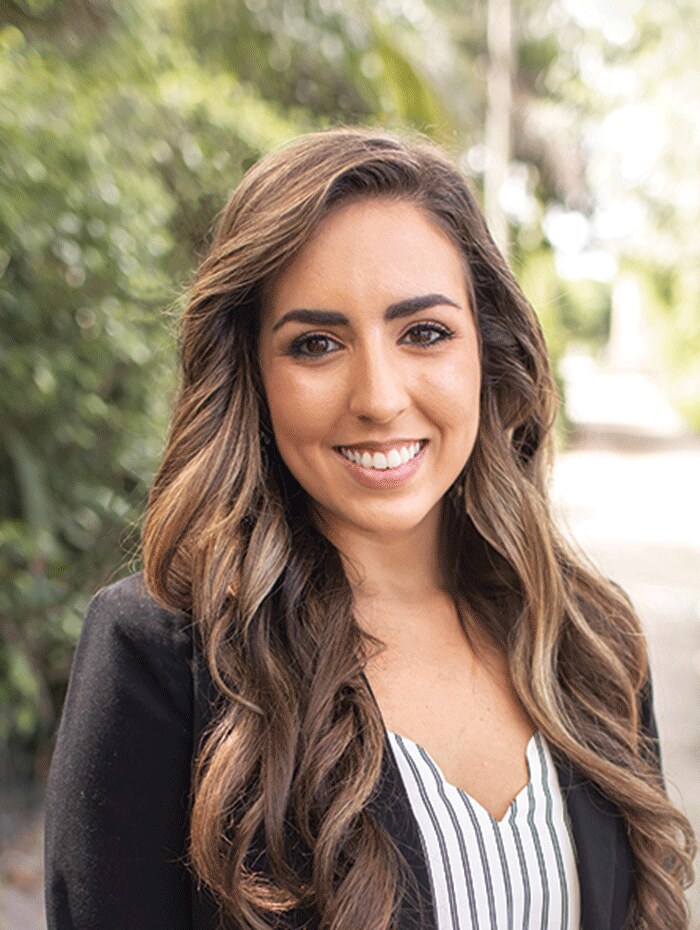
Natalie came to home care as a Registered Nurse with years in emergency medicine across South Florida. Working in the emergency department, she watched elderly people discharge from a hospital or skilled nursing facility and return within months, often because the right support simply wasn’t in place at home. That experience, and the outcomes she saw that didn’t have to happen, are why she is here.
She earned her Master of Science in Nursing and became a Family Nurse Practitioner, a credential that shapes how care plans are built at this office: around the whole person, not just the task list. Natalie’s role is overseeing client services and the quality of every care plan we develop. The clinical eye she brings makes a measurable difference, even in non-medical care.
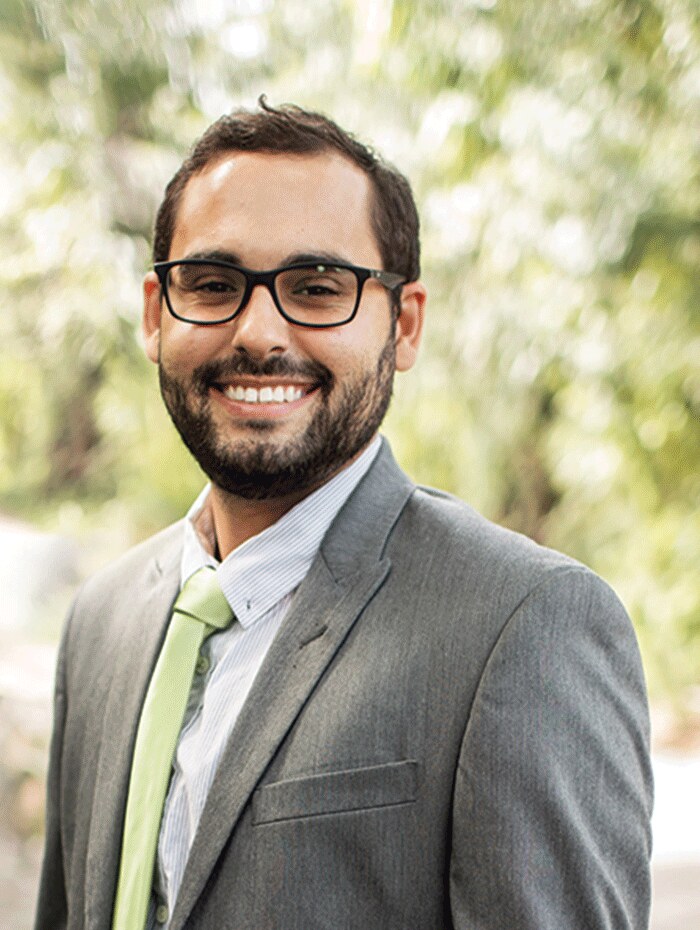
Ricky Greene grew up in a Cuban-American household watching his mother provide full-time, unpaid care for his grandparents. She gave that care because that was how their family showed up for each other. Ricky built his career in long-term care operations because he wanted every family to have access to that level of care, not just the ones with someone who can give up everything to provide it.
His focus at this office is the caregiver side of the business: the hiring, the matching, and the oversight that determines whether the care actually works. When a family calls to say the caregiver feels like part of their household, that is the outcome Ricky works toward every day.
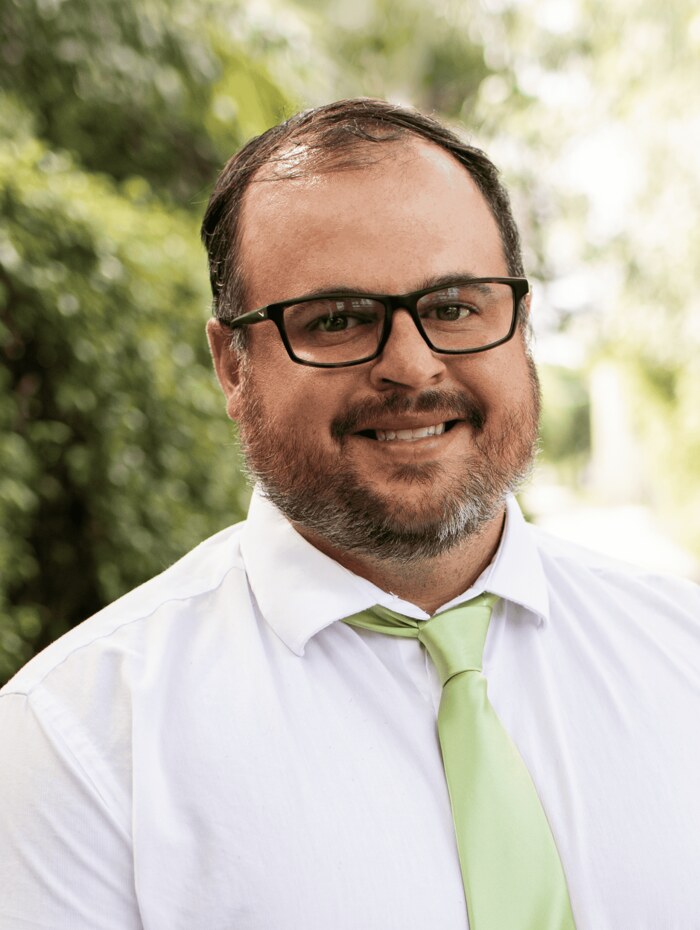
Brian Caldwell is Vice President of Operations. He runs the day-to-day side of the office: scheduling, caregiver coverage, and the systems that make sure the right caregiver reaches the right home at the right time.
Families rarely see the operational side of home care, but they feel it. Brian’s focus is on the details that make care dependable week after week, from consistent scheduling to the communication that keeps out-of-town family members in the loop.
We serve families managing memory loss throughout South Miami and nearby communities across Miami-Dade, giving every client personalized attention no matter which neighborhood they call home.
We Serve:
Don’t see your city? Give us a call, we serve nearby cities and nearby areas throughout the region.
Dementia is a general term for cognitive decline that affects memory, thinking, and daily function. Alzheimer’s disease is the most common cause of dementia, but vascular dementia, frontotemporal dementia, and other forms also fall under that same umbrella. Each type progresses differently, and our caregivers are trained to recognize the specific needs of each one.
Early signs often include repeating questions, misplacing items in unusual places, and getting lost on familiar routes. Withdrawing from conversation or activities they used to enjoy is common too, along with mood changes and difficulty with problem solving. If you’re noticing these signs in a parent or spouse, an earlier conversation about care tends to go better than a rushed one.
Our non-medical caregivers can provide medication reminders and help track schedules. Medication management involving dosing decisions or administration falls to a licensed professional and outside a non-medical caregiver’s scope in Florida. We coordinate with your loved one’s physician and pharmacy to keep everyone on the same page.
That depends on your family’s situation. In-home care lets your loved one stay in a familiar environment, surrounded by their own belongings, neighborhood sounds, and routines. That familiarity often reduces confusion and anxiety. A memory care facility or other senior living community may become the better option once supervision needs exceed what a home-based caregiver can safely manage. We can help you think through that decision honestly.
Our caregivers are trained to recognize the agitation, confusion, and restlessness that often appear in the late afternoon and evening, known as sundowning. We keep evening routines calm and predictable, dim harsh lighting, and redirect gently rather than argue or correct. Every caregiver, including our CNA and HHA professionals, receives ongoing training in these behavioral management techniques.
Costs depend on the hours and level of support your loved one needs. Give our South Miami office a call at (786) 268-6706. We’ll walk through your situation and build a care plan that fits your budget, from a few hours a week to full-time 24-hour support.
Most South Miami families can begin care within days of their first call. We schedule a home visit quickly and build a care plan around what we learn. Then we match a caregiver suited to your loved one’s personality and needs.
This is one of the most common concerns we hear, and it’s understandable. Someone experiencing cognitive decline often doesn’t recognize their own need for assistance with daily activities. We start slowly, often framing a caregiver as a companion or helper around the house rather than a caretaker, and build trust from there.