
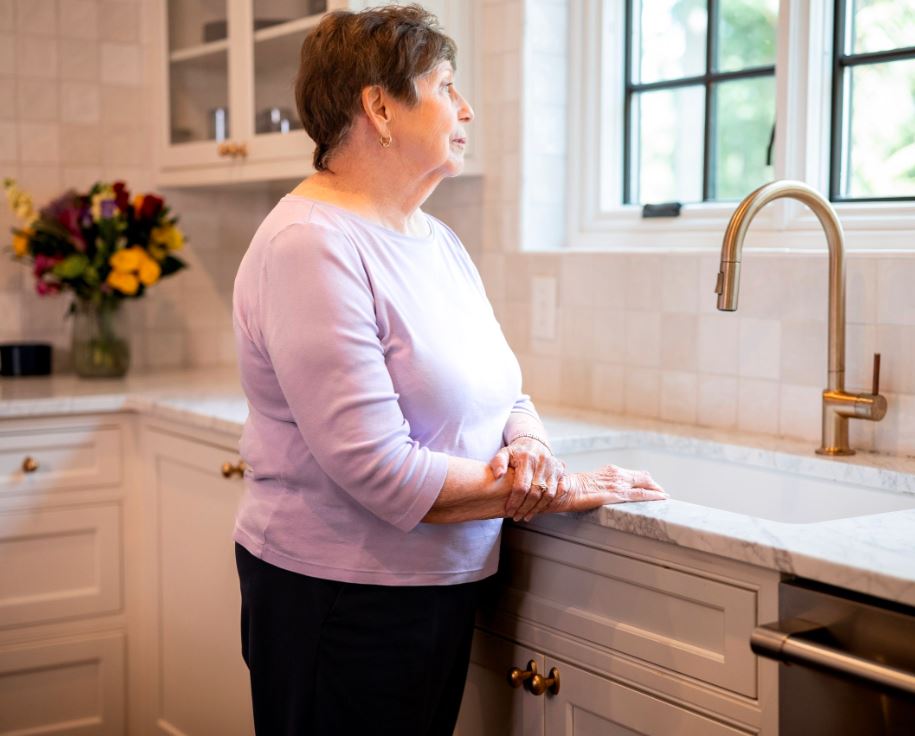
Watching a parent or spouse struggle with memory loss can leave a family feeling unmoored. One day you’re having a normal conversation, and the next you’re wondering if it’s safe for your loved one to be home alone, or why they suddenly seem confused about people and places they’ve known for years. It’s disorienting, and it’s normal to feel overwhelmed, sad, or even guilty as you try to figure out what comes next.
You are not alone in this, and you don’t have to figure it out by yourself. Families across Coral Gables, Pinecrest, and the greater Coral Gables greater Coral Gables area face this same journey every day. With the right information, a safer home environment, and support from a trained caregiver, it’s possible to help your loved one live with dignity and comfort at every stage.
Key Takeaways
- Memory loss typically progresses gradually, and understanding the general stages can help you plan ahead rather than react in a crisis.
- Small home safety changes — reducing clutter, securing exits, and keeping routines consistent — can prevent falls and reduce confusion.
- A caregiver trained in dementia care and matched to your loved one’s personality can make daily life calmer for everyone.
- Family caregivers need support too; respite care isn’t a luxury, it’s a way to prevent burnout.
- In-home memory care can flex as needs change, so your loved one can stay in the home they love longer.
What to Expect as Memory Loss Progresses
Every person’s experience with memory loss is different, and only a physician can assess where your loved one is in their journey. In general terms, families often notice early changes like misplacing items, repeating questions, or struggling to find the right word. Daily life is usually still manageable, though it may take more patience and gentle reminders.
As memory loss moves into the middle stages, you may see more noticeable confusion about time or place, difficulty managing medications or finances, and changes in mood or personality. Later stages often involve more significant help with daily tasks like bathing, dressing, and eating. Throughout every stage, your loved one’s need for connection, comfort, and respect never changes — only the kind of support that helps them feel safe does.
Making the Home Safe and Familiar
A few thoughtful adjustments can go a long way toward preventing accidents and easing confusion, whether your loved one lives in Miami-Dade County, Homestead, or anywhere in the greater Coral Gables area.
- Remove tripping hazards like loose rugs and clutter, and add grab bars in bathrooms.
- Improve lighting in hallways and stairwells, especially for evenings when confusion can increase.
- Add simple locks or alarms on exterior doors to reduce the risk of wandering.
- Keep a consistent daily routine for meals, activities, and bedtime — predictability is calming.
- Label rooms or drawers if it helps your loved one find what they need independently.
These changes don’t need to happen all at once. Start with what feels most urgent and build from there.
The Role of a Trained Memory-Care Caregiver
Not every caregiver is prepared for the unique communication and behavioral needs that come with dementia or Alzheimer’s. That’s why our caregivers at Preferred Care at Home of South Miami receive specialized dementia and memory-care training, so they understand how to respond with patience when a loved one is confused, anxious, or repeats the same question for the tenth time that day.
Just as important is fit. We carefully match caregivers to each client’s personality, interests, and history, because a caregiver who feels like a familiar, trusted presence can ease anxiety far more than a stranger simply completing tasks. Every caregiver we place goes through our thorough 7-step screening process, so your family can feel confident about who is in your loved one’s home.
Supporting the Family Caregiver
If you’re the one holding it all together, please hear this: your wellbeing matters too. Caregiver burnout is real, and it tends to creep up quietly through exhaustion, irritability, or feeling like you’ve disappeared into the role. Respite care gives you the chance to rest, run errands, or simply breathe, knowing your loved one is in capable, compassionate hands.
Whether you need a few hours a week or more consistent daily support, leaning on help isn’t giving up — it’s what allows you to keep showing up for your loved one for the long haul.
Knowing When In-Home Memory Care Can Help
Families often wait longer than they need to before asking for help, hoping things will get easier on their own. If you’re noticing more missed medications, unsafe situations, increased isolation, or your own stress climbing, it may be time to talk with a professional. Our Dementia & Alzheimer’s Care program is designed to flex with your loved one’s changing needs, from a few supportive hours a week to more comprehensive daily care, all within the comfort of home.
Frequently Asked Questions
How do I know if my loved one needs a memory-care caregiver?
Signs like unsafe wandering, missed medications, trouble managing daily tasks, or increased isolation are good reasons to have a conversation with their doctor and consider additional support at home.
Can in-home care really help someone with advanced memory loss?
Yes. Trained caregivers can provide meaningful support at every stage, from gentle reminders and companionship in earlier stages to hands-on personal care and safety supervision as needs increase.
Is Preferred Care at Home licensed and insured?
Yes. We operate under Florida’s home care licensing requirements, and every caregiver completes our thorough 7-step screening before being matched with a client.
You don’t have to navigate memory loss alone. Our family-owned team, led locally by Natalie Caldwell and Ricky Greene, has been helping Coral Gables-area families since 1984, and we’d be honored to help yours. Call us at (786) 268-6706 ext 2 for a free, no-obligation consultation to talk about what your family needs right now.