
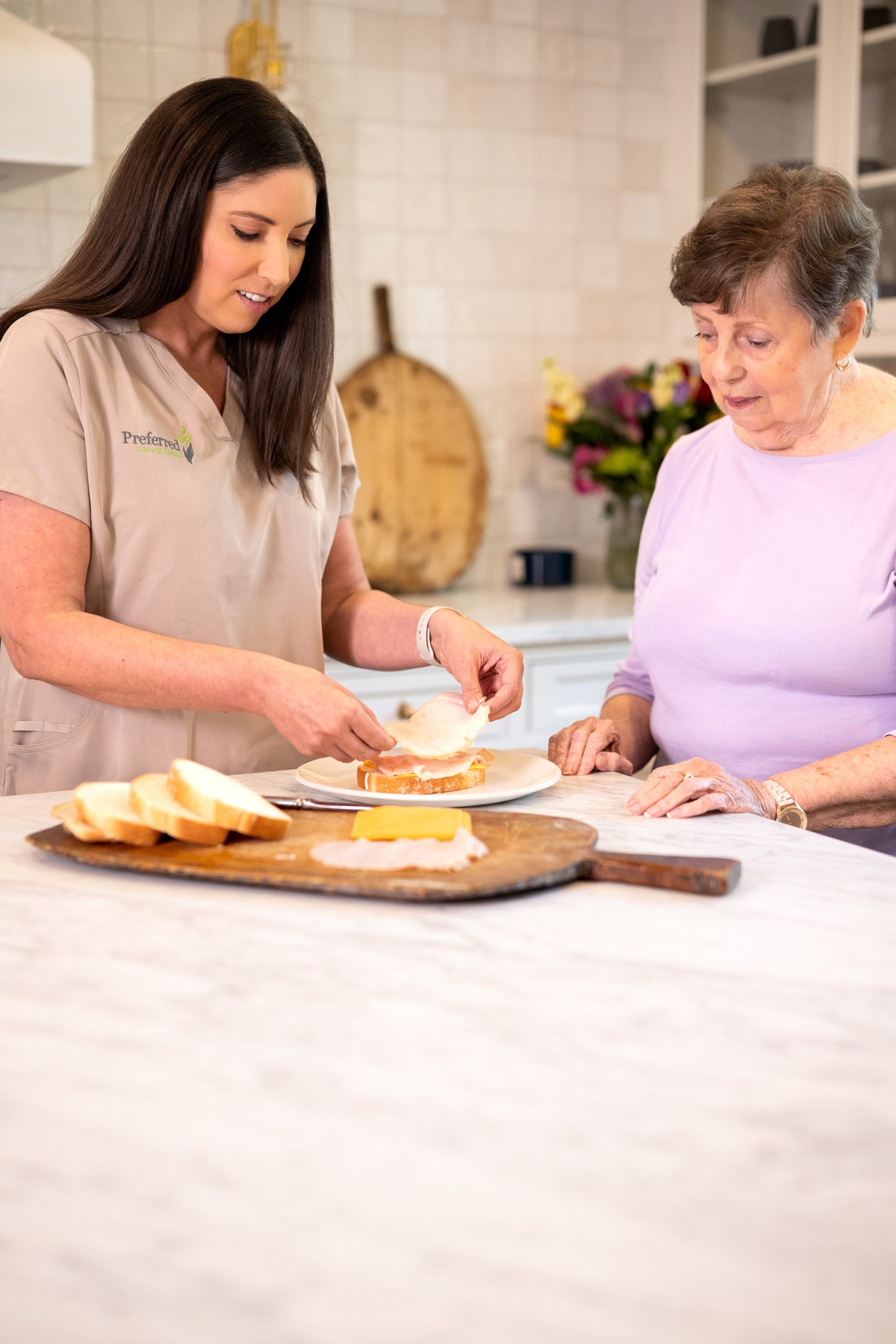
When a parent starts needing extra help around the house, most families don’t know where to begin. Does Mom need someone a few hours a week to help with errands and company, or is it time for round-the-clock support? The truth is, “home care” isn’t one thing — it’s a range of services that can be combined and adjusted as needs change, which is good news for families across Coral Gables, Pinecrest, and the surrounding greater Coral Gables area who want to keep a loved one safe and comfortable at home.
This guide walks through the main types of in-home care available, what each one actually looks like day to day, and how to figure out which level of support fits your family right now — with room to grow as things change.
Key Takeaways
- In-home care ranges from a few hours of companionship a week to full 24-hour support — and can shift as needs change.
- Common service types include companion care, personal care, homemaker care, transition care after a hospital stay, and specialty care such as dementia support.
- The right starting point usually depends on safety risks, daily living needs, and how much support a family caregiver can realistically provide.
- Care plans aren’t fixed — hours and services can be adjusted as a senior’s condition or routine changes.
- A free in-home consultation is the easiest way to get a clear, honest recommendation for your specific situation.
What In-Home Care Really Means
In-home care simply means a trained caregiver comes to your loved one’s own home in Miami-Dade County, Homestead, Palmetto Bay, Kendall, Cutler Bay, Kendall, or Palmetto Bay to provide support, rather than the senior moving into a facility. It can be as light as a weekly visit to help with laundry and conversation, or as involved as around-the-clock supervision for someone with advanced dementia.
Because every family’s situation is different, care plans are built around the individual — their health, their home, their daily routine, and their personality — rather than a one-size-fits-all package.
The Main Types of In-Home Care Services
Most home care needs fall into a few general categories. Understanding them makes it much easier to describe what your family needs when you call for help.
- Companion Care — friendly visits, conversation, light activities, and transportation to appointments or social outings. A good fit for seniors who are still fairly independent but shouldn’t be alone all the time.
- Personal Care — hands-on help with bathing, dressing, grooming, and mobility. This is the right step when daily self-care has become difficult or unsafe to manage alone.
- Homemaker Care — light housekeeping, meal preparation, and errands that keep a home running smoothly when a senior can no longer easily manage chores.
- Transition Care — short-term support right after a hospital or rehab stay, helping prevent falls, missed medications, or a return trip to the hospital during the vulnerable first days home.
- Long Term Care Insurance — care involving more clinical oversight for managing chronic conditions or recovery needs.
- 24-Hour Care — continuous support for seniors who need supervision or assistance at all hours, whether due to advancing frailty, memory loss, or a high fall risk.
- Specialty Care, including Dementia and Alzheimer’s Care and End-of-Life Care — designed for the specific challenges of memory loss or the comfort and dignity needed in a person’s final months.
How to Tell Which Level of Care You Need
There’s rarely one obvious “right” answer on day one, but a few questions can point families in the right direction. Is your loved one safe alone for stretches of the day, or are there real fall or wandering risks? Are meals, medications, and hygiene being managed consistently, or are things slipping? How much are you, as a family caregiver, able to sustain without burning out?
If the honest answer is “we’re managing, but it’s stressful” — companion or homemaker care may be enough to lighten the load. If daily tasks like bathing or dressing have become a struggle, personal care fills that gap. If your loved one truly cannot be left alone safely, 24-hour care is worth a serious conversation.
Care That Grows With Your Family’s Needs
One of the most reassuring things about in-home care is that it isn’t a permanent commitment to one plan. Many families start with a few hours a week of companion care and gradually add personal care as needs increase, or scale up to overnight or 24-hour support after a health event. Others start with intensive transition care after a hospital discharge and later step down to lighter support once their loved one has stabilized.
Since 1984, Preferred Care at Home has helped families build care plans this way — starting small, adjusting often, and never locking anyone into more (or less) support than they actually need.
Frequently Asked Questions
How many hours of home care can we start with?
There’s no long-term contract that locks you in. Visits start at a 4-5 hour minimum, and many families begin with a visit or two a week — enough for companionship, errands, or a break for the primary caregiver — and adjust from there based on how things go.
What’s the difference between companion care and personal care?
Companion care focuses on conversation, activities, and being present, while personal care involves hands-on help with bathing, dressing, grooming, and mobility. Many seniors start with companion care and add personal care as physical needs increase.
Can care be increased quickly if a parent’s condition changes?
Yes. Because care plans are built to flex, hours and services can typically be adjusted with fairly short notice — for example, moving from a few weekly visits to 24-hour care after a fall or hospital stay.
If you’re trying to figure out what level of care makes sense for your family, you don’t have to guess alone. Preferred Care at Home of South Miami — locally owned by Natalie Caldwell and Ricky Greene — offers a free in-home consultation to walk through your loved one’s needs and recommend a plan that fits. Every caregiver completes a thorough 7-step screening process and is personally matched by personality, so your family feels comfortable from the very first visit. Call (786) 268-6706 ext 2 to schedule your free consultation today.