
Caring for a loved one living with dementia or Alzheimer’s disease brings profound emotional rewards. It also brings challenges that can leave you feeling overwhelmed, exhausted, and unsure if you’re doing enough. You’re not alone in these feelings. Research shows that 44% of dementia caregivers experience depression symptoms, and 60% face anxiety disorders stemming from the unique demands of memory care.
Specialized training gives caregivers knowledge and skills that can reduce this distress by up to 52%. The benefits of dementia caregiver training extend far beyond learning techniques. Training protects your well-being while improving quality of life for the person you care for.
Why Dementia Caregiver Training Matters
Dementia caregiving differs fundamentally from other types of care. When someone you love experiences cognitive decline, the rules change. Communication becomes more complex. Behaviors you don’t understand emerge without warning. The person you’ve known for decades may not recognize you some days. These unique challenges demand specialized knowledge that experience alone can’t provide.
Only 8.3% of family caregivers receive any formal dementia care training, according to the National Study of Caregiving. This gap leaves millions of caregivers navigating one of life’s most demanding roles without the tools they need. Proper training addresses this gap by teaching evidence-based strategies developed specifically for dementia care. You learn why certain behaviors happen, what triggers challenging moments, and how to respond in ways that preserve dignity while keeping everyone safe.
Dementia care training also acknowledges a truth many caregivers struggle to admit: you can’t pour from an empty cup. Training programs do more than teach care techniques. They emphasize caregiver stress management, self care strategies, and recognizing early signs of burnout before it becomes crisis. When you understand what’s happening in your loved one’s brain and have practical tools to manage daily challenges, caregiving becomes less overwhelming and more manageable.
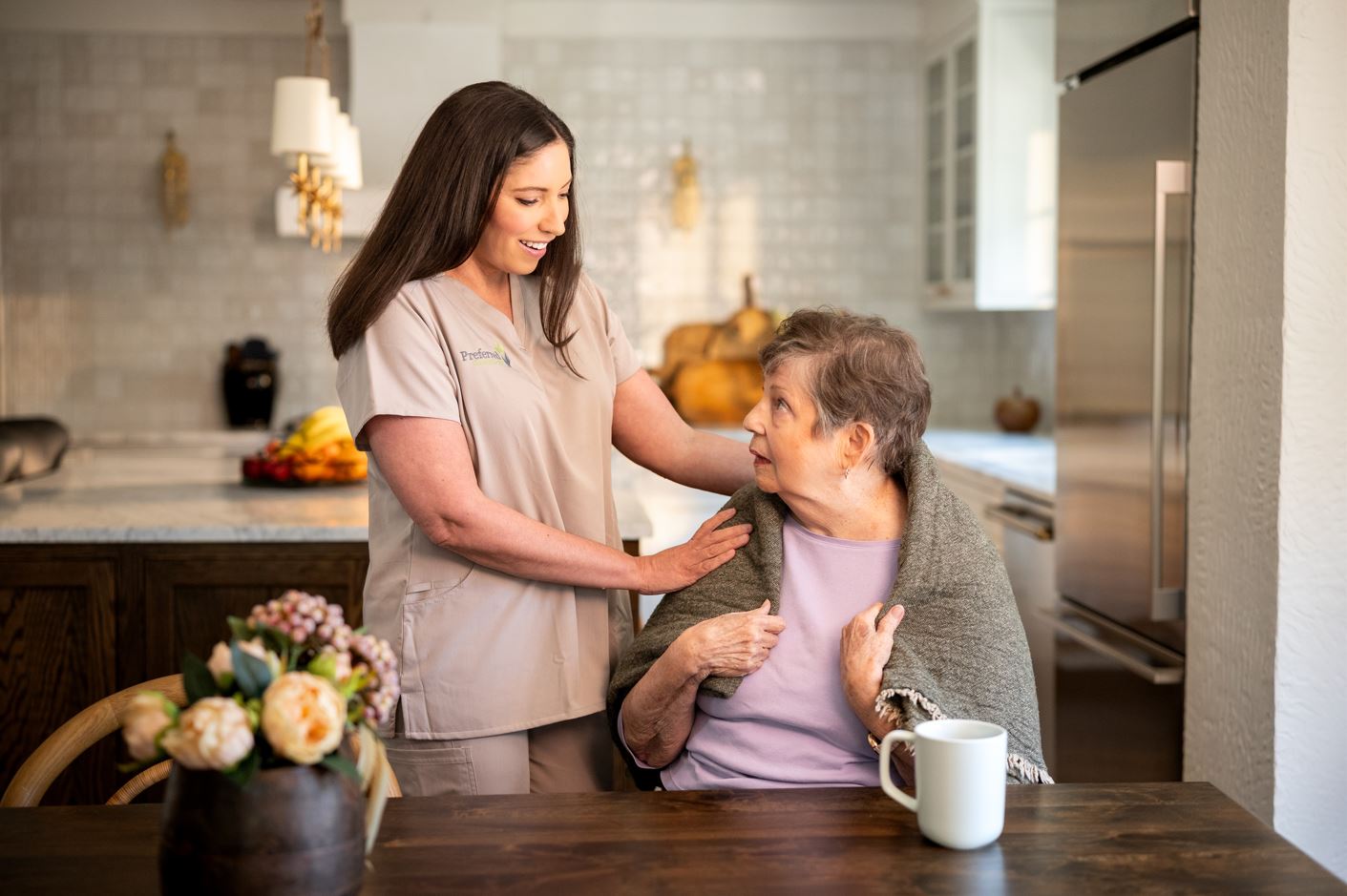
Key Benefits of Dementia Caregiver Training
Specialized dementia training creates measurable improvements for both family members and professional caregivers. Research consistently demonstrates specific outcomes that transform the caregiving experience.
Boost in Confidence
Increased confidence and competence stand out as primary benefits. Dementia caregivers who complete training programs report feeling significantly more prepared to handle challenging behaviors, communication difficulties, and safety concerns. This confidence translates directly into better care quality. You make decisions faster because you understand what’s happening. You stay calm during difficult moments because you’ve learned effective communication strategies.
Reduced Stress
Reduced caregiver burden and emotional toll emerge as critical outcomes. Programs like the Savvy Caregiver have proven effectiveness in decreasing family caregiver distress, burden, and depression while increasing caregivers’ sense of competence. When you know you’re providing high quality care using evidence-based approaches, the guilt and second-guessing diminish. Training validates your efforts and provides reassurance that you’re doing meaningful work.
Improved Communication
Enhanced communication skills improve every interaction. You learn how to connect with someone experiencing memory loss, even when verbal communication becomes limited. Techniques like using simple language, maintaining eye contact, and validating emotions rather than correcting facts make daily life smoother for everyone. These communication strategies reduce frustration on both sides.
Behavior Management
Better behavior management capabilities develop through understanding why challenging behaviors occur. Aggression, wandering, sundowning, and resistance to personal care rarely happen without reason. Training teaches you to identify triggers, modify environments, and respond with interventions that address root causes rather than just reacting to symptoms. This approach reduces the frequency and intensity of difficult episodes.
Emotional Health
Improved emotional well being for caregivers comes from feeling equipped rather than helpless. Training connects you with other family caregivers facing similar challenges. You discover you’re not failing when things get hard. You’re managing a progressive chronic illness that affects cognitive function in complex ways. This perspective shift can reduce the isolation many dementia caregivers experience.
How Training Reduces Caregiver Burnout and Stress
The statistics on dementia caregiver stress paint a sobering picture. Approximately 59% of caregivers rate their emotional stress as high or very high. Without intervention, this chronic stress leads to serious health consequences including depression, anxiety, and physical illness. Dementia caregiver training directly addresses these risks through multiple mechanisms.
Training provides stress management techniques specifically designed for the unique pressures of memory care. You learn to recognize your own limits, set realistic expectations, and implement self care practices that actually fit into a demanding schedule. Programs teach practical approaches like identifying patterns in your stress responses, developing coping strategies, and knowing when to ask for help.
Pro Tip: Track your stress triggers for one week before starting any training program. Knowing what situations drain you most helps you focus on the skills that will have the biggest impact on your daily life.
Evidence-based programs demonstrate measurable results. Research shows that properly designed dementia care training programs reduce caregiver distress by up to 52%. This is more than a slight improvement. It can fundamentally change how manageable the caregiving role feels. Studies consistently find that trained caregivers report better overall well being, fewer depressive symptoms, and greater satisfaction in their caregiving role compared to those without specialized training.
The protective effect extends beyond immediate stress reduction. Trained caregivers develop a healthy work life balance even within demanding care situations. They understand that maintaining their own health isn’t selfish but essential. They learn sustainable approaches rather than unsustainable heroics. This long-term perspective prevents the complete exhaustion that leads so many family caregivers to burnout.
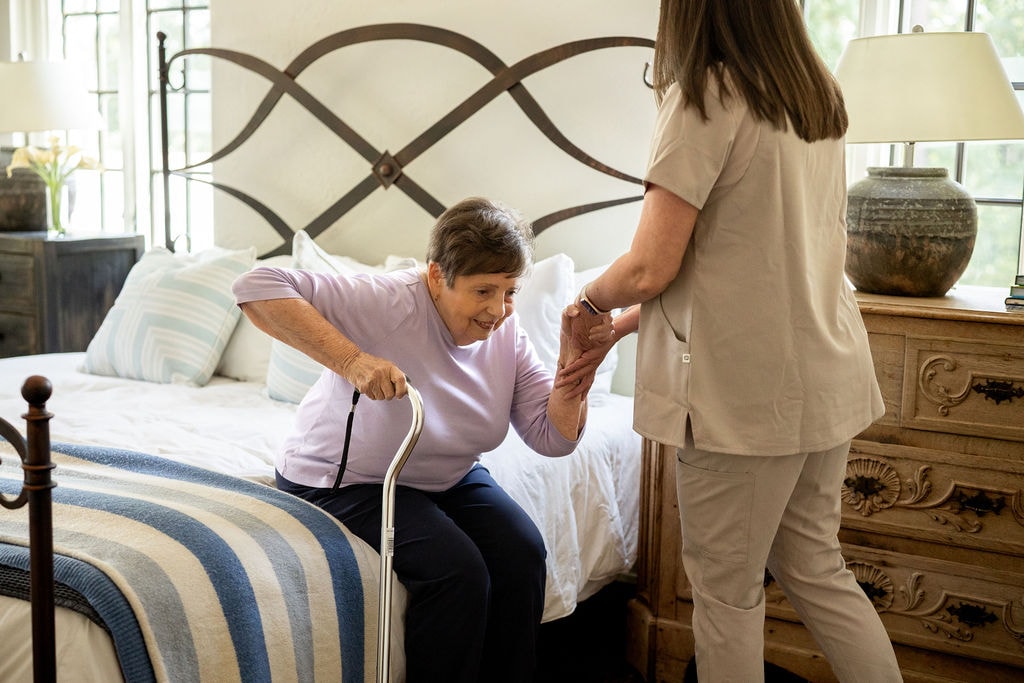
Benefits for the Person with Dementia
Dementia caregiver training benefits extend beyond the caregiver to directly improve outcomes for the person living with cognitive decline. When you receive proper training, your loved one experiences measurably better care quality and quality of life.
Better Understanding
Challenging behaviors decrease when caregivers understand their causes and know how to respond effectively. Research demonstrates that trained caregivers see significant reductions in agitation, anxiety, and aggression in care recipients. This happens because you learn to identify unmet needs, modify environments to reduce confusion, and use communication approaches that prevent escalation rather than trigger it.
Improved Quality of Life
Quality of life improvements show up in multiple ways. People with dementia whose caregivers receive training engage more frequently in meaningful activities. They maintain independence in daily tasks longer. They experience less fear and confusion because their caregivers can create routines and environments that support cognitive function at whatever level remains. The relationship itself often strengthens as communication improves and difficult moments decrease.
Better Safety Outcomes
Safety outcomes improve significantly. Well trained caregivers recognize early signs of problems like dehydration, pain, or infection that people with dementia may not communicate clearly. They implement fall prevention strategies, manage medications more effectively, and create home environments that reduce risks while preserving dignity and independence. This proactive approach prevents many of the crises that lead to emergency room visits or premature nursing home placement.
Family Caregivers vs. Professional Training: Understanding the Differences
Both family members and direct care workers benefit from dementia training, but their needs and focus areas differ in important ways. Understanding these differences helps you choose the right training program for your situation.
| Aspect | Family Caregivers | Professional Caregivers |
|---|---|---|
| Primary Focus | Emotional coping, long-term sustainability, relationship preservation | Clinical skills, behavior management, efficient care delivery |
| Training Length | Typically 6-14 hours over several weeks | Often 8-40 hours with certification options |
| Key Skills | Communication with own family members, managing grief, self care | Documentation, working with care teams, multiple client management |
| Certification | Generally not required | May need certified dementia practitioners credential |
| Support Needs | Peer support groups, respite care resources | Supervision, continuing education, job satisfaction strategies |
Family Caregiver Training Priorities
When you’re caring for your own family member, training addresses the emotional complexity that professionals don’t face. You’re watching someone you love change in profound ways. Programs designed for family caregivers spend significant time on managing anticipatory grief, maintaining your identity beyond the caregiver role, and navigating family dynamics when siblings disagree about care approaches. These programs also emphasize finding local resources, understanding legal and financial planning, and building sustainable support systems.
Professional Caregiver Requirements
Direct care workers and certified dementia practitioners need training that meets regulatory requirements while building practical clinical skills. Professional programs focus on person-centered care approaches, detailed behavior management protocols, and working effectively within healthcare teams. Many states now require specific dementia training hours for anyone providing memory care in facilities or through healthcare services. Professional training often leads to credentials from organizations like the National Council of Certified Dementia Practitioners or the Alzheimer’s Association.
What You Learn in Dementia Caregiver Training
Comprehensive dementia care training covers essential knowledge areas that directly translate into better daily caregiving. Understanding what training programs teach helps you evaluate options and know what outcomes to expect.
Understanding Disease Progression
You gain deep understanding of how Alzheimer’s disease and related dementias affect the aging population. Training explains what happens in the brain during cognitive decline, why symptoms emerge in predictable patterns, and how different types of dementia (vascular dementia, Lewy body, frontotemporal) create unique challenges. This foundation helps you anticipate changes and adjust your approach as the disease progresses.
Communication Skills Development
Effective communication strategies form the core of quality dementia care. You learn specific techniques for connecting with someone experiencing memory loss, including how to use tone of voice, body language, and environment to reduce confusion. Training teaches you to enter your loved one’s reality rather than correcting them, use validation techniques that preserve dignity, and simplify complex information without being condescending.
Behavioral Management Techniques
Challenging behaviors like aggression, wandering, and resistance to personal care require specialized approaches. Training programs teach you to identify triggers, use redirection rather than confrontation, and create environments that reduce anxiety and confusion. You learn that behavior is communication, especially when verbal skills decline. This perspective transforms how you respond to difficult moments.
Self Care and Stress Management
Quality training programs emphasize that caring for yourself enables you to provide better care for others. You learn practical stress management techniques that fit into busy schedules, strategies for setting boundaries with other family members, and how to recognize early signs of caregiver burnout before it becomes crisis. These skills directly support your own emotional support needs and overall well being.
Finding Training Resources in East Tennessee
East Tennessee families have access to several high-quality dementia caregiver training options, both locally and online. Knowing where to find these resources makes it easier to get the education you need.
Local Training Programs:
- Alzheimer’s Tennessee Caring & Coping Workshops offer full-day training sessions throughout East Tennessee specifically designed for both family care partners and professional care providers. These workshops cover disease progression, caregiver guilt, spirituality, and personal care issues with continuing education credits available for professionals.
- Virtual Dementia Tour experiences help caregivers truly understand what living with dementia feels like through sensory simulation exercises available through local organizations in the Knoxville area.
- Support groups through the East Tennessee Area Agency on Aging & Disability provide ongoing education combined with peer support for caregivers of older adults with memory disorders.
National Online Learning Options:
The Alzheimer’s Association offers free 24-hour online learning modules covering essential caregiving skills, communication strategies, and self care approaches. These self-paced programs allow you to learn when your schedule permits. The Savvy Caregiver program provides evidence-based training proven to reduce caregiver stress and improve confidence through structured sessions available in multiple formats.
When you’re ready for specialized dementia and Alzheimer’s care services in East Tennessee, Preferred Care at Home provides trained caregivers who complete our rigorous 7-step screening process. Our team brings over 40 years of experience helping families navigate memory care challenges with dignity and compassion.
Frequently Asked Questions
What are the main benefits of dementia caregiver training?
The primary dementia caregiver training benefits include reduced stress and burnout (up to 52% distress reduction), increased confidence in providing care, better communication with your loved one, improved ability to manage challenging behaviors, and enhanced overall well being for both caregiver and care recipient. Training also connects you with resources and support systems that make long-term caregiving sustainable.
Is dementia training necessary for family caregivers who aren’t healthcare professionals?
Yes. Family caregivers often need specialized training even more than professionals because you’re managing complex emotional dynamics while providing hands-on care. Only 8.3% of family caregivers receive formal training, yet they provide the majority of dementia care in our aging population. Proper training gives you evidence-based strategies that prevent common mistakes and reduce the trial-and-error approach that increases stress for everyone.
How does training reduce caregiver stress and prevent burnout?
Dementia care training reduces stress through multiple mechanisms. You learn what to expect as cognitive challenges progress, which reduces anxiety about the unknown. You gain practical behavior management techniques that make daily care less overwhelming. Training teaches you to recognize your own stress triggers and implement self care strategies before reaching crisis. Programs also validate that your struggles are normal responses to abnormal situations, which reduces the isolation and self-blame many caregivers experience.
How much time does dementia caregiver training typically require?
Training programs vary significantly in time commitment. Family caregiver programs typically range from 6-14 hours spread over several weeks, allowing you to absorb information gradually while still managing caregiving duties. Many programs now offer online learning options you can complete at your own pace. Professional certification programs may require 8-40 hours depending on credential requirements. The time invested pays significant returns in reduced crisis management and improved daily care experiences.
Where can I find dementia caregiver training in East Tennessee?
East Tennessee offers several training options including the Alzheimer’s Tennessee Caring & Coping workshops held throughout the region, virtual dementia tours available in Knoxville, and support groups through the East Tennessee Area Agency on Aging & Disability. National online options include the Alzheimer’s Association’s free training modules and the Savvy Caregiver program. Local home care providers like Preferred Care at Home can also connect you with training resources while providing experienced caregivers when you need additional support.
Conclusion
The dementia caregiver training benefits go far beyond learning new techniques. When you invest time in proper training, you’re protecting your own mental and physical health while improving care quality for your loved one living with dementia. The evidence is clear: trained caregivers experience less stress and burnout, feel more confident in their abilities, and provide better care that enhances quality of life for people with cognitive decline.
You don’t have to navigate this journey alone or figure everything out through trial and error. Specialized training gives you the knowledge and skills that transform overwhelming challenges into manageable tasks. If you’re seeking compassionate, expert dementia and Alzheimer’s care services in East Tennessee, Preferred Care at Home stands ready to support your family.