
Homemaker and Respite Care in Tri-Cities, TN
A clean home, regular meals, and a break for the family caregiver are not small things — they are the foundation that makes everything else in senior care possible. Preferred Care at Home provides homemaker and respite services across Johnson City, Kingsport, Bristol, and surrounding communities in Northeast Tennessee.
- Experienced and trained caregivers, including CNA/HHA professionals
- Bilingual support in English and Spanish
- Flexible schedules from one to twenty-four hours
- Experienced and trained caregivers, including CNA/HHA professionals
- Bilingual support in English and Spanish
- Flexible schedules from one to twenty-four hours
- Trusted by families across Carter, Sullivan & Washington counties

Why Homemaker and Respite Care Matter in the Tri-Cities
Family caregivers who provide unpaid care to aging parents are at significant health risk themselves. Scheduled respite breaks, combined with professional homemaker support, reduce that risk and keep the entire family system functioning. Preferred Care at Home makes both accessible and affordable.
Our Homemaker and Respite Services in Tri-Cities
Homemaker and respite care covers the practical and social needs that keep seniors living independently and families functioning sustainably. Services can be provided standalone or combined with personal care in a single visit.
Light Housekeeping and Home Organization
A clean home reduces infection risk, fall hazards, and the psychological burden of disorder that compounds depression in elderly adults. Caregivers handle vacuuming, mopping, dusting, bathroom cleaning, and kitchen sanitation as part of a structured housekeeping routine.
Organization goes beyond cleaning — decluttering walkways, managing mail, organizing medications, and maintaining the general living environment that allows safe mobility. For seniors in Johnson City or Kingsport managing alone, this support prevents the gradual deterioration of the home environment.
Why Choose This Service:
- Weekly or twice-weekly cleaning schedule
- Walkway and hazard decluttering built in
- Kitchen and bathroom sanitation included

Laundry and Linen Management
Laundry becomes a significant challenge for seniors managing fatigue, mobility limitations, or cognitive decline. Clothes pile up, bed linens go unchanged, and the physical demands of carrying baskets and operating machines become unsafe.
Caregivers handle the full laundry cycle — sorting, washing, drying, folding, and putting away — on a regular schedule. Clean bed linens are changed consistently, which matters particularly for clients managing incontinence or skin conditions.
Why Choose This Service:
- Full laundry cycle on scheduled visits
- Bed linen changes included
- Closet organization maintained

Meal Planning and Preparation
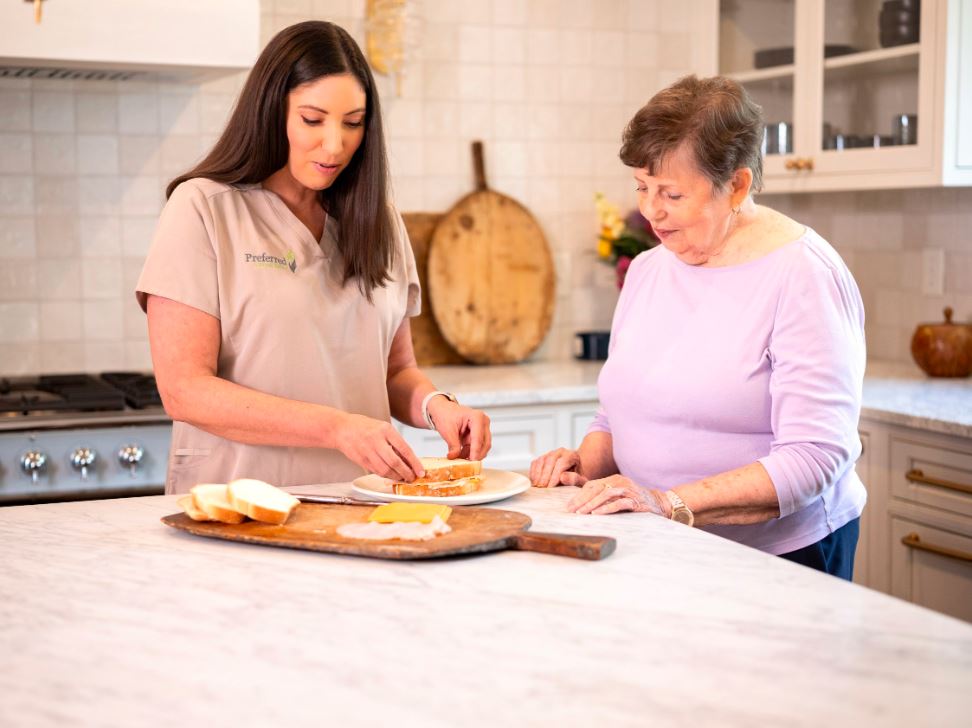
Nutritional decline is a leading contributor to health deterioration in elderly adults living alone. Caregivers prepare fresh, diet-appropriate meals — diabetic-friendly, low-sodium, soft-texture — using ingredients already in the kitchen or purchased via grocery coordination.
Batch cooking during longer visits ensures meals are available between caregiver hours. Caregivers can also prepare simple meals the senior can heat independently, maintaining autonomy while ensuring nutrition is available consistently.
Why Choose This Service:
- Three-meal preparation on full-day visits
- Diet-specific recipe following
- Batch cooking for between-visit meals
Grocery Shopping and Errand Support
Driving to Walmart in Johnson City or the grocery store in Kingsport becomes impossible for seniors who have surrendered their license or lack mobility for extended shopping trips. Caregivers handle grocery runs, pharmacy pickups, post office stops, and other essential errands.
For clients who enjoy the outing, caregivers accompany them shopping — managing mobility aids, carrying bags, and ensuring safety in public environments. For those who prefer to stay home, the caregiver follows a provided list and returns with what is needed.
Why Choose This Service:
- Grocery runs on scheduled visits
- Pharmacy and errand coordination
- Accompanied shopping when preferred

Respite Care for Family Caregivers
Family caregivers who provide ongoing care for a spouse or parent in the Tri-Cities region carry a hidden health burden. Scheduled respite shifts — a few mornings per week, a full day on weekends, or multi-day coverage for vacations — allow primary caregivers to rest without abandoning care responsibilities.
Preferred Care at Home respite care is provided by a consistent caregiver familiar with the client’s routine, so the primary caregiver returns to a care situation that has been maintained, not managed through a crisis. This is not emergency coverage — it is planned recovery.
Why Choose This Service:
- Flexible hours fit the family caregiver's schedule
- Consistent caregiver maintains the established routine
- Vacation and extended respite available

Companionship and Social Support
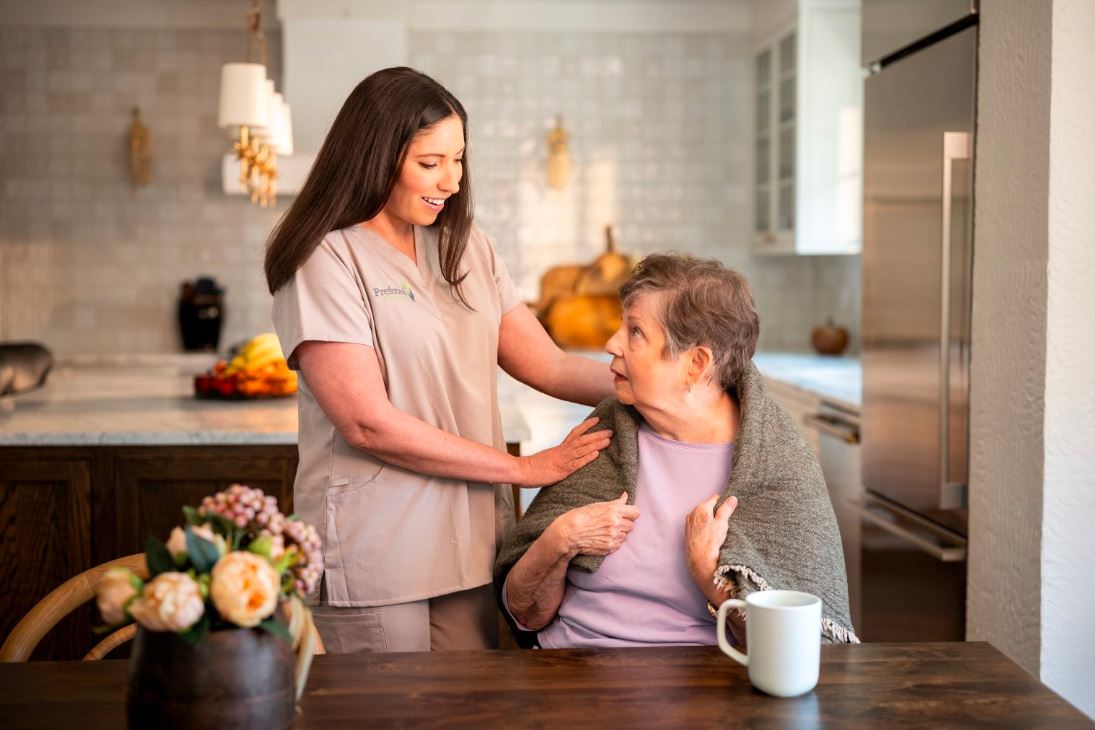
Homemaker visits are also companionship visits. While tasks are being completed, the caregiver is present, conversing, engaging, and noticing changes in mood and cognition that a family member visiting weekly might miss entirely.
For elderly seniors in Mountain City, Elizabethton, or rural Johnson County who see few visitors, this regular human contact is clinically significant. Loneliness is associated with accelerated cognitive decline and increased mortality, making companionship a health intervention.
Why Choose This Service:
- Conversation and engagement built into every visit
- Mood and cognitive change observation included
- Social connection for isolated rural seniors
How Homemaker and Respite Care Gets Started

Step 01
Free In-Home Needs Assessment
A coordinator visits the home to assess current household management needs, evaluate what support the primary family caregiver needs, and discuss visit frequency and scheduling.

Step 02
Customized Task List and Schedule
A written task list and visit schedule is built around the household’s specific needs — which days, which tasks, and how long each visit should run. This becomes the caregiver’s working guide.

Step 03
Caregiver Introduction and First Visit
The assigned caregiver is introduced before the first solo visit. For respite care especially, a brief introduction while the family caregiver is present helps establish the comfort level needed.

Step 04
Regular Visits Begin on Schedule
Visits proceed on the agreed schedule. Task completion and any household observations are logged, and the caregiver reports significant changes to the coordinator and family.

Step 05
Adjustments as Needs Change
As the household situation changes — more hours needed, new tasks, a family caregiver returning to work — we adjust the schedule and task list without interruption to the existing care relationship.
Signs That Homemaker or Respite Support Is Needed
These are the situations Tri-Cities families describe when they first reach out for homemaker or respite support.
Challenge
What It Looks Like
How We Help
Home becoming unsafe or disorganized
What It Looks Like
Clutter, unwashed dishes, unsanitary bathrooms, and overflowing laundry signal the senior cannot manage independently.
How We Help
Regular homemaker visits restore order and maintain a safe living environment.
Family caregiver missing work or activities
What It Looks Like
Description
A spouse or child is sacrificing employment, health appointments, or personal time to provide care.
How We Help
Scheduled respite hours give the family caregiver back their time without gaps in care.
Nutritional decline visible
What It Looks Like
Description
Weight loss, expired food, or empty pantries indicate meals are not happening consistently.
How We Help
We prepare diet-appropriate meals and ensure consistent nutrition on every visit.
Isolation increasing
What It Looks Like
Description
The senior rarely leaves the home and has little daily social interaction.
How We Help
Caregiver visits provide regular companionship and accompany seniors to community activities.
Errands and shopping not getting done
What It Looks Like
Description
Medications are being missed because pharmacy runs do not happen reliably.
How We Help
We handle grocery and pharmacy runs as part of the standard homemaker visit.
Family caregiver’s health declining
What It Looks Like
Description
The primary caregiver is showing signs of physical or emotional breakdown due to caregiving demands.
How We Help
Respite care is a health intervention for the whole family, not just the senior.
Local Companion Care in the Tri-Cities Area
Celebrating life, dignity and independence.®
Our Johnson City office serves families across the Tri-Cities region and surrounding Northeast Tennessee communities. We focus on helping seniors and older adults live independent lives in their own homes, close to the people and places they know.
We understand TennCare CHOICES, VA Aid and Attendance, and ECF CHOICES funding pathways. Ask about the wide range of non-medical services available 1 to 24 hours per day, and about qualified live-in caregivers who can provide 24-hour peace of mind for you or your loved one.
We Serve:
- Johnson City
- Kingsport
- Bristol
- Jonesborough
- Elizabethton
- Bluff City
- Blountville
- Mountain City
- Erwin
- Unicoi
- Greeneville
- Limestone
- Morristown
- Piney Flats
- Gray
Frequently Asked Questions About Homemaker and Respite Care in Tri-Cities
What does homemaker care include?
Homemaker care includes light housekeeping, laundry, meal preparation, grocery shopping, and errand support. It can be combined with companion care or personal care in a single visit, depending on the client’s needs.
Is homemaker care different from housekeeping services?
Yes. A homemaker caregiver from Preferred Care at Home is a trained care professional who handles household tasks AND provides companionship and informal health observation. A standalone housekeeping service handles cleaning only and is not equipped to recognize or respond to health changes.
How is respite care scheduled?
Respite care is scheduled based on the family caregiver’s needs — a few morning hours weekly, full-day coverage on weekends, or extended multi-day periods. We build the schedule around what actually restores the family caregiver rather than what is simply available.
Can the same caregiver provide both homemaker and personal care?
Yes. Many clients receive both homemaker tasks and personal care assistance during the same visit. A single caregiver who handles both provides better continuity and a stronger care relationship than having separate people for each function.
Is homemaker care covered by TennCare or insurance?
TennCare CHOICES and the First Tennessee Area Agency on Aging and Disability may fund homemaker services for eligible seniors. Long-term care insurance often includes homemaker and respite coverage. Private pay is also common.
How many hours per week are typical for homemaker care?
This varies by household. Some clients need four to eight hours per week for light housekeeping and meal prep. Others require 20 or more hours for comprehensive household management. We match hours to actual needs rather than requiring a standard package.
Can homemaker care help a senior who just returned from the hospital?
Yes. Homemaker care during the post-hospital period handles household management so the senior can focus on recovery. This is often combined with transition care monitoring for the first two to four weeks after discharge.
What if I only need respite care occasionally?
We can accommodate occasional respite needs. We recommend establishing a relationship with a consistent caregiver on a regular schedule even if hours are light, so emergency or extended respite coverage is available from someone the client already knows.
How do I communicate to the caregiver what I want done?
Your coordinator builds a detailed task list from the initial assessment. You can also communicate directly with the caregiver during visits. Any significant changes to the task list go through the coordinator to ensure the care plan is updated formally.
Do you serve the rural communities surrounding Johnson City and Kingsport?
Yes. We serve all communities in the Tri-Cities service area including Elizabethton, Bluff City, Blountville, Erwin, Unicoi, Jonesborough, Limestone, Morristown, Mountain City, Piney Flats, and Greeneville, across five counties.

Preferred Care at Home of Tri-Cities
2726 E Oakland Ave Suite 101
Johnson City, TN 37601
(865) 692-4000
Tennessee PSSA License #L000000038642
Services may vary depending on the licensing of each Preferred Care at Home Franchise location. Each location is individually owned and responsible for controlling and managing day-to-day business operations.