
Your elderly loved one’s first days home after surgery are the most vulnerable, and Fuquay-Varina families need more than promises. Preferred Care at Home of Apex, Garner, and Fuquay-Varina provides non-medical post surgery support so recovery happens safely in your own home.

According to AHRQ, nearly 20% of patients experience an adverse event within three weeks of hospital discharge, and most are preventable. For families in Fuquay-Varina, NC, that number is personal. Preferred Care at Home has spent over 40 years helping families navigate this window safely.
Michael Murphy, Certified Senior Advisor, built this location around one principle: when you call, you reach someone who listens. Our experienced caregivers are screened through a 7-step process and matched to your senior loved one by personality, not just availability.
Your loved one leaves the hospital with discharge instructions, prescriptions to fill, and follow-up appointments to manage. Our Smooth-Transition Care program pairs a trained coach with your family to guide the entire process. That coach helps with medication reminders, appointment scheduling, and communication with your care team. Recovery gets simpler when someone dedicated is there to keep every piece on track.


Bathing, dressing, and moving safely between rooms become real concerns after surgery, especially for elderly parents recovering in a two-story Fuquay-Varina house. Our personal care services provide hands-on assistance with daily living tasks. Caregivers assist with transfers, grooming, toileting, and mobility support so your loved one can focus on healing instead of struggling through everyday tasks alone.
Recovery can be lonely. Days feel long when family is at work and visits are short. Our companion care provides emotional support, conversation, and a compassionate presence during the hours your loved one would otherwise spend alone. A familiar senior caregiver checks in, engages in activities, and provides the kind of steady company that builds strong relationships and helps your loved one feel less isolated.


Meal preparation, light housekeeping, grocery shopping, and laundry don’t stop because someone had surgery. Our homemaker care home care services handle the household daily tasks your loved one can’t manage during recovery. This matters across Fuquay-Varina’s spread-out neighborhoods, where errands mean driving, not a short walk. We handle meals, tidying, and errands so your family can focus on healing.
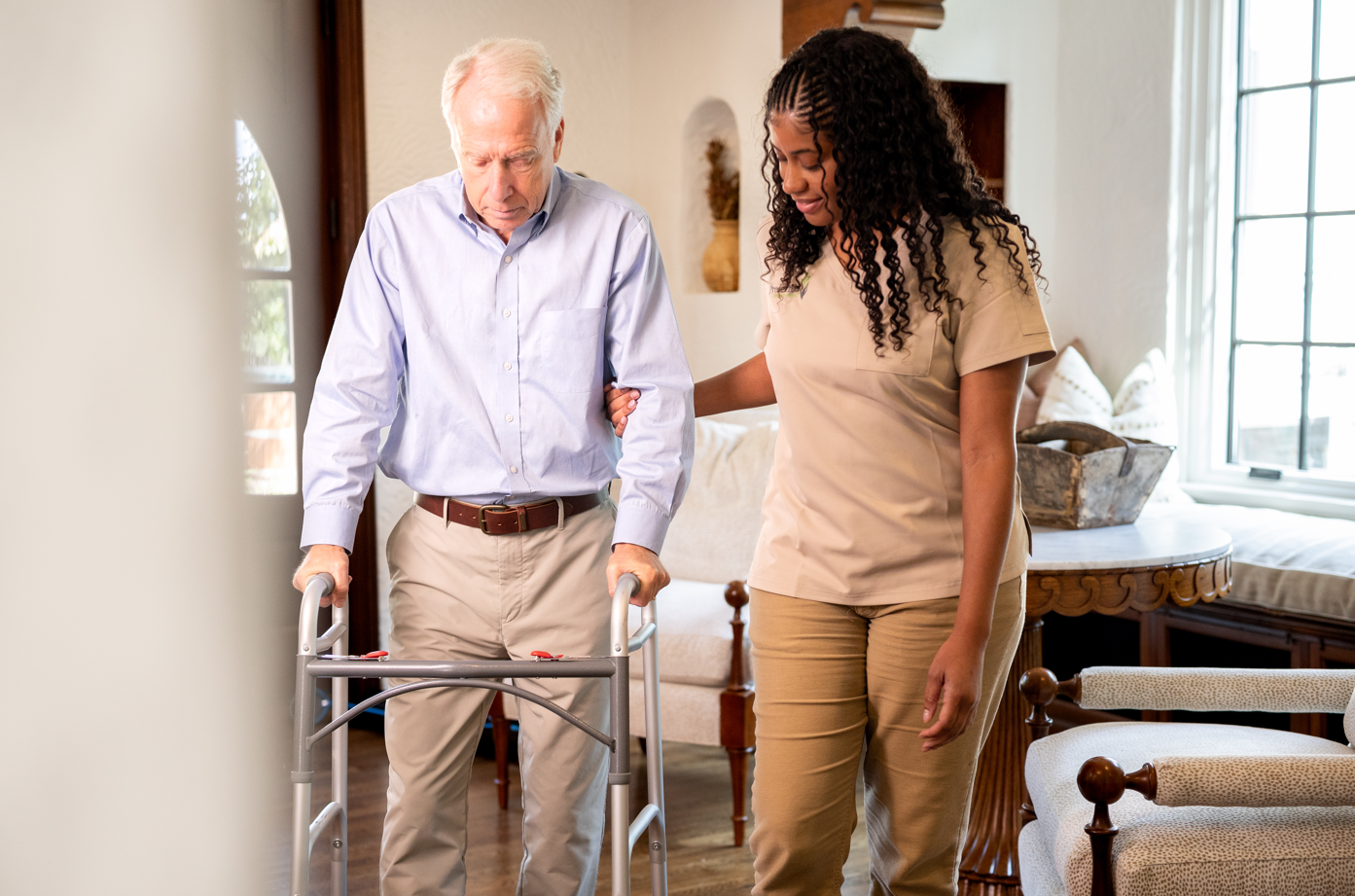
Some surgeries require more than a few hours of help. When your loved one needs around-the-clock supervision, our live-in care provides a consistent caregiver presence in the comfort and privacy of home. A live-in caregiver handles overnight needs, monitors safety, and provides continuous personal care with respect for your loved one’s dignity and independence. Families in Wake County find this peace of mind especially valuable when fall risk, confusion, or dementia makes nighttime the most worrying part of recovery.

Step 01
You call (984) 246-8900 and speak directly with Michael Murphy, not a call center.

Step 02
Our team meets with your family to understand surgery recovery needs, daily tasks, and scheduling.

Step 03
Your personalized care plan is built around the specific support your loved one needs at home.

Step 04
We match a caregiver to your family based on personality, experience, and your unique needs.
Recovering from surgery at home in South Wake County comes with challenges most agencies don’t address.
Challenge
What It Looks Like
How We Help
Rushed hospital discharge
What It Looks Like
Patients leave with medication changes, mobility limits, and follow-up needs they can’t manage alone at home.
How We Help
Our Smooth-Transition Care program sends a trained coach who guides you through discharge instructions and follow-up scheduling.
Challenge
Elevated fall risk after surgery
What It Looks Like
Pain, weakness, and new mobility limits turn everyday tasks like bathing and transfers into safety concerns for older adults.
How We Help
Caregivers provide hands-on mobility support, transfer help, and supervision during the recovery weeks when falls are most likely.
Challenge
Car-dependent suburbs and long commutes
What It Looks Like
Fuquay-Varina’s 33-minute average commute and spread-out corridors make daily check-ins, pharmacy runs, and follow-up rides hard for working families.
How We Help
We provide transportation support for follow-up appointments, prescription pickups, and errands across South Wake County.
Challenge
Confusion between home care and home health care
What It Looks Like
Families assume Medicare covers bathing, meals, and rides after surgery. It does not cover non-medical home care or custodial personal care.
How We Help
We explain what is and isn’t covered so you can plan and budget for the practical help your loved one actually needs.
Challenge
Caregiver inconsistency and no-shows
What It Looks Like
Local agency reviews mention late arrivals, frequent caregiver changes, distracted staff, and weak communication during critical recovery windows.
How We Help
We match caregivers by personality, maintain a continuity plan, and keep you updated. Michael Murphy answers your call directly.
Preferred Care at Home has continued this tradition by only referring the most reliable, compassionate, experienced, and affordable caregivers to client’s homes or care facilities.
Post-surgery home care in Wake County typically costs $28 to $42 per hour for non-medical support, depending on the level of care. Your total depends on how many hours per day and how many weeks your loved one needs assistance. We provide a no-obligation consultation to help you understand home care options and plan a budget that fits.
Michael Murphy, a Certified Senior Advisor, answers your call directly and matches every caregiver through our 7-step screening process. When you call, you reach Michael Murphy, a Certified Senior Advisor in South Wake County, not a call center. Our dedicated caregivers pass a 7-step screening and are matched to clients by personality and extensive experience.
Most families need the most support during the first one to three weeks after discharge, when recovery tasks and appointments are heaviest. The first three weeks after discharge carry the highest risk, with AHRQ reporting that nearly 20% of patients experience an adverse event during this window. Need depends on surgery type, mobility, and how much family can cover daily. We offer flexible scheduling from a few hours a day to 24-hour care, and your care plan adjusts as recovery progresses.
Home health provides short-term skilled clinical services ordered by a doctor, while non-medical home care covers daily tasks like bathing, meals, rides, and supervision. Medicare-certified home health may include intermittent nursing, physical therapy, or occupational therapy ordered by a provider. Medicare does not cover 24-hour home care, meal preparation, light housekeeping, or transportation services when those are the only care services needed. Non-medical home care from Preferred Care at Home fills those daily gaps with continuous support between clinical visits.
If your loved one will need help with bathing, dressing, meals, rides to appointments, or can’t safely be alone, in-home support is worth exploring. Common signs include difficulty bathing or dressing, trouble with safe transfers, no reliable ride to follow-up appointments, and long stretches alone during the day. CDC reports falls among adults 65 and older caused nearly 3 million emergency visits in 2021. If any of these apply, a consultation can help clarify the right level of care for your loved one’s health and well being.
Medicare generally does not cover non-medical home care, including bathing help, meal preparation, light housekeeping, and transportation after surgery. Medicare covers intermittent clinical services like nursing and therapy when ordered by a provider, but it does not cover 24-hour home care, homemaker services, or custodial personal care. Some long-term care insurance coverage policies and certain Medicaid plans may offer partial coverage. We help families understand their options during a consultation so you can make the best possible care decision.
Yes. Our caregivers provide transportation services and support for follow-up visits, pharmacy pickups, and errands across Fuquay-Varina and nearby communities. Transportation support is one of the most requested services after surgery. Fuquay-Varina’s car-dependent layout and busy corridors along NC 42, 55, and 401 make follow-up rides especially important when your loved one can’t drive. Our compassionate caregivers handle appointment rides, pharmacy trips, and errands throughout South Wake and Johnston counties.
Yes. Non-medical home care fills the daily gaps between clinical visits, covering meals, mobility help, medication reminders, and supervision. Home health may send a nurse or therapist for more specialized care a few times a week, but those visits are short. Between them, your loved one still needs help with bathing, meal preparation, medication reminders, and safe movement. Our caring professionals handle daily tasks so clinical progress isn’t lost, and life at home stays on track during recovery.
Arrange a clear medication list, follow-up transportation, bathroom safety adjustments, meal support, and a plan for who covers daytime and overnight gaps. Confirm the discharge medication list, schedule follow-up appointments, arrange reliable transportation, check bathroom safety for transfers, set up meal preparation help, and identify who covers daytime and nighttime hours. AHRQ reports most post-discharge adverse events are preventable. Planning ahead is the strongest safeguard for your loved one’s recovery.
Ask about caregiver consistency, backup coverage, how schedule changes are communicated, the screening process, and which tasks are included or excluded. Ask whether the same exceptional caregiver comes each visit, what happens if someone calls out, how schedule changes reach you, and what specific services are excluded. Families seeking quality care and excellent care should know that local reviews show inconsistency, late arrivals, and weak communication are the most common frustrations. Ask for specifics, not promises.