
Coming home after surgery in Virginia Beach, Chesapeake and all of Hampton Roads means your own home becomes the recovery room. Preferred Care at Home helps families across Virginia Beach, Chesapeake and all of Hampton Roads create a personalized care plan before discharge day so healing begins safely.
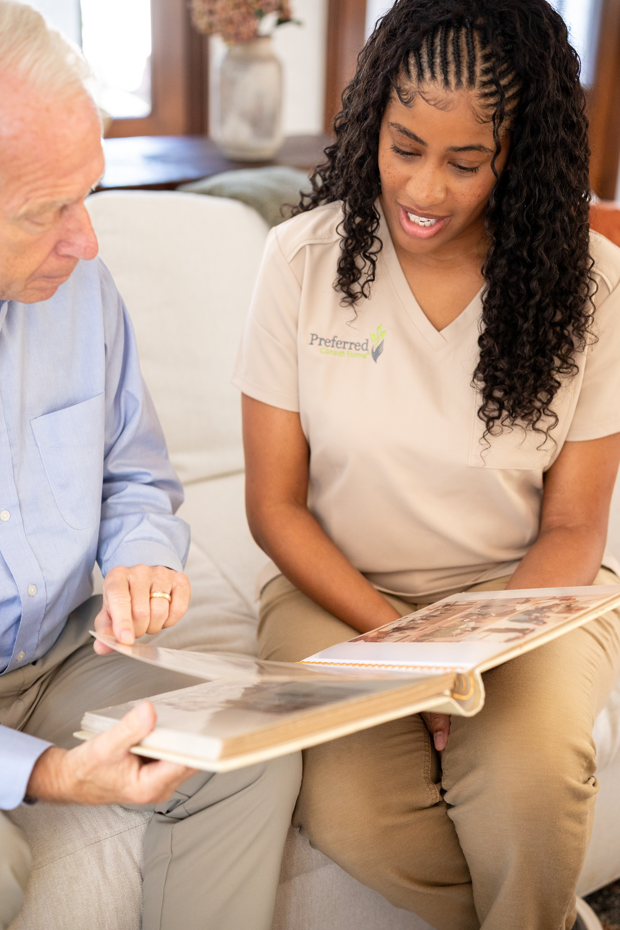
A 2024 JAMA Network Open study found 11.6% of older adults are readmitted within 30 days after major surgery, and the CDC reports one in four seniors 65 and older falls each year, making planned home care essential for families throughout Virginia Beach, Chesapeake and all of Hampton Roads. Our compassionate caregivers are trained to the highest standards to support mobility, bathing, and daily health care needs from the moment you arrive home.
Our team is committed to consistent, experienced-only caregiver referrals. We strive to create a supportive recovery path for every client: VA-contracted veteran staffing, Long-Term Care Insurance filing assistance, and the Transparency Room portal that keeps communication open between caregivers and families.
Coming home without a support plan is where most post-surgical setbacks begin. Our Transition care gives patients across Virginia Beach, Chesapeake and all of Hampton Roads a customized discharge-day schedule built around unique needs, including transportation and coordination with therapists for physical therapy and occupational therapy appointments.
Caregivers monitor recovery, communicate changes to your health care team, and provide compassionate assistance that helps clients managing chronic illness or chronic conditions stay on track during the most vulnerable weeks of healing.

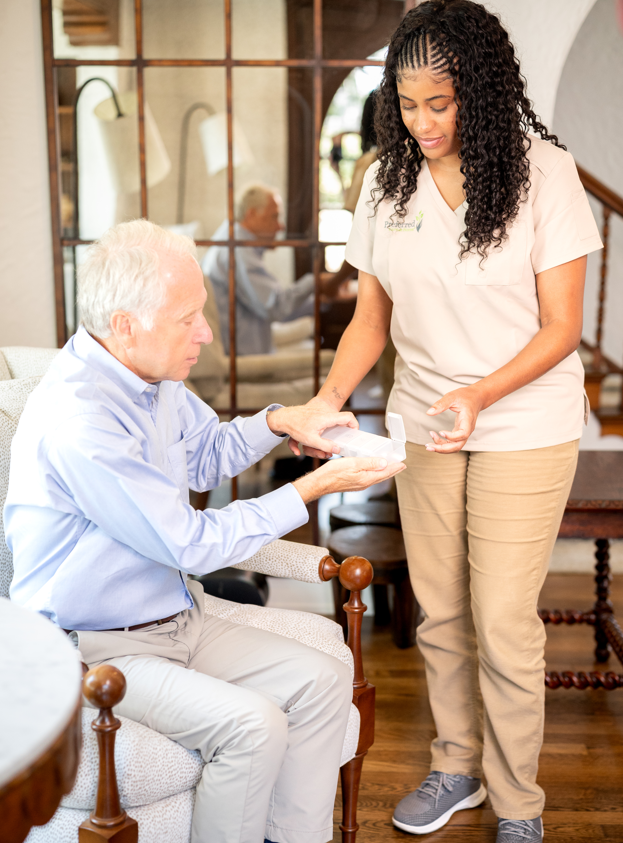
Bathing, ambulation assistance, and mobility support are the physical cornerstones of post-surgical recovery at home. Our Personal care services help older adults throughout Virginia Beach, Chesapeake and all of Hampton Roads maintain dignity and independence while recovering in their own home.
Every caregiver is trained and experienced in supporting clients with unique needs, including those managing Alzheimer’s disease, Dementia, or diabetes alongside surgical recovery. Additionally, our compassionate care extends respect to every client regardless of the difficulties they face.
Light housekeeping, meal preparation, errands, and transportation to appointments require energy most people simply do not have after surgery. Our Homemaker care handles these tasks so your full attention stays on healing and well-being.
Flexible care plans enhance the home environment and adjust as your ability improves, giving families across the Virginia Beach, Chesapeake and all of Hampton Roads community confidence that daily needs are met with consistency.
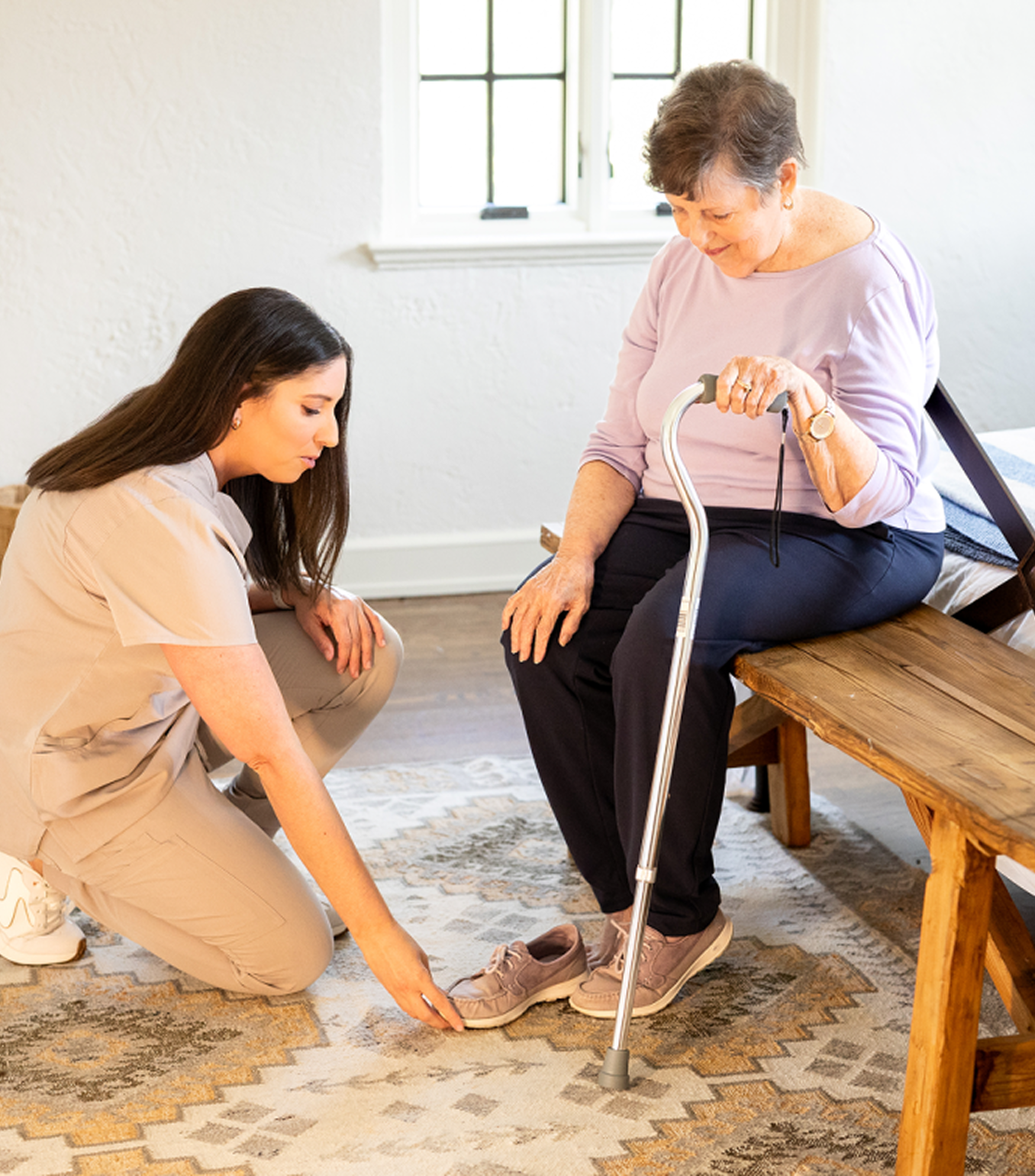

Recovery is harder when you are alone. Companionship from a supportive, trained caregiver improves well-being, reduces the safety risks that come with limited mobility, and gives older adults something meaningful to look forward to each day of their recovery.
For clients navigating life with Alzheimer’s disease, dementia, or other chronic illness, specialized care addresses both cognitive and physical health so post-surgical recovery does not happen without the right support in place.

Step 01
Call (757) 355-5080 or contact us online to start the conversation about your loved one’s recovery.

Step 02
We assess recovery needs, VA benefits eligibility, and Long-Term Care Insurance coverage.

Step 03
A personalized plan is built around your discharge date, mobility level, and home setup.

Step 04
You are matched with a trained, experienced caregiver suited to your specific recovery needs through our 7-step screening process.

Step 05
Care starts and families track progress through the Transparency Room portal from anywhere.
The region’s coastal geography, summer heat, large veteran population, and Hampton Roads travel distances create recovery challenges that general home care plans often miss.
Challenge
What It Looks Like
How We Help
Early Hospital Discharge
What It Looks Like
Patients return home before full mobility returns, with limited guidance for managing daily life safely.
How We Help
Transition Care caregivers begin discharge-day support and monitor recovery from the first hours at home.
Challenge
Post-Op Fall and Injury Risk
What It Looks Like
Pain medications, weakness, and mobility difficulties turn familiar spaces into hazards for recovering seniors.
How We Help
Trained caregivers provide ambulation assistance and bathroom safety support during the highest-risk recovery windows.
Challenge
Care Cost and Budget Uncertainty
What It Looks Like
Virginia’s median in-home care runs $32-$33/hr. Families struggle to budget before knowing how long recovery takes.
How We Help
Flexible care plans scale week to week. LTC Insurance filing assistance removes the paperwork burden entirely.
Challenge
Home Care vs. Home Health Confusion
What It Looks Like
Families assume Medicare covers bathing and meals after surgery. It typically does not for ongoing daily assistance.
How We Help
We help informed families understand what non-medical home care and home health care each cover so they choose correctly.
Challenge
Caregiver Turnover During Recovery
What It Looks Like
Frequent caregiver changes force patients to re-explain needs during critical healing windows, adding difficulty and stress.
How We Help
Experienced-only referrals and consistent caregiver matching mean your recovery schedule stays intact.
Challenge
Storm Season While Mobility Is Limited
What It Looks Like
Coastal Virginia hurricane season overlaps with summer recovery periods, creating evacuation and safety planning gaps.
How We Help
Caregivers help establish contingency transportation plans and keep recovery on track through weather disruptions.
Preferred Care at Home of Virginia Beach has continued this tradition by only referring the most reliable, compassionate, experienced, and affordable caregivers to clients’ homes or care facilities.
We Serve:
Virginia’s median agency rate is $32-$33 per hour; VA benefits and LTC Insurance filing assistance at this location may significantly reduce your out-of-pocket cost. Virginia’s median agency rate is $32 for a home health aide and $33 for homemaker services (CareScout, 2024). At 20 hours per week, a four-week plan runs approximately $2,560. Preferred Care at Home of Virginia Beach, Chesapeake and all of Hampton Roads files Long-Term Care Insurance claims on your behalf, and VA benefits may cover costs for qualifying veterans and surviving spouses. Learn more about paying for home care.
Home care provides non-medical daily assistance; home health care delivers medical services ordered by a physician and is an entirely separate service type. Home care covers bathing, ambulation assistance, light housekeeping, meals, and transportation. Home health care is physician-ordered and involves licensed nurses, physical therapy, occupational therapy, or speech therapy services. Private duty nursing is a third option for clients requiring continuous clinical oversight. Medicare covers home health care when skilled needs are documented but does not typically cover ongoing non-medical daily assistance for recovering patients.
Most post-op support needs run two to twelve weeks, depending on procedure type, mobility recovery, and whether chronic conditions extend the care window. A 2024 JAMA Network Open study found 11.6% of older adults are readmitted within 30 days of major surgery, making the first two weeks at home the most critical. We build plans that scale as your ability improves week to week. Clients managing chronic illness, Alzheimer’s disease, or diabetes often extend support beyond the initial post-surgical period.
Caregivers assist with bathing, ambulation assistance, meal preparation, errands, transportation to appointments, and light housekeeping from the first day home. Discharge day is where recovery plans most often break down. Trained caregivers address the physical tasks your body cannot yet handle: bathing, mobility and transfer assistance, meals, errands, and transportation to physical therapy. Caregivers also provide the companionship and safety oversight that prevents injury during unsupported movement in the home.
Confirm a ride home, prepare the sleeping area, and arrange caregiver support to begin on discharge day so there is no gap in assistance. Arrange a confirmed ride, a prepared sleeping space, and any mobility aids your surgical team recommends before leaving the hospital. Have follow-up appointments and physical therapy scheduled in advance. We can coordinate a caregiver to arrive at your home on discharge day so healing begins without delay.
Care plans scale with your recovery, adjusting hours based on how mobility, stamina, and daily ability change throughout the healing process. Recovery rarely follows a predictable line. We build flexible care plans that adapt to your progress, scaling hours up when a difficult week demands more support and reducing them as strength returns. This adaptability matters most for older adults managing chronic conditions like diabetes or Alzheimer’s disease alongside surgical recovery.
Yes. Caregivers handle transportation to physical therapy, occupational therapy, and speech therapy, and keep families informed of any changes in condition or ability. Coordinating appointments is one of the most practical things in-home support provides. Caregivers transport clients to physical therapy, occupational therapy, and speech therapy appointments, accompany them when needed, and communicate recovery changes to family members via the Transparency Room portal. Consistent communication between caregivers, clients, and families is built into every care plan.
Yes. This location is VA-contracted, staffs veteran cases quickly, and helps families understand Aid and Attendance benefits that may cover in-home care costs. The Virginia Beach, Chesapeake and all of Hampton Roads area has a significant veteran population, with Virginia Beach alone home to 52,520 veterans representing 15.7% of the city’s population. This location is contracted directly with the VA, and qualifying veterans and surviving spouses are supported through the Aid and Attendance benefit application process. Learn more about how veterans can pay for home care.
Trained caregivers reduce fall and injury risk through ambulation assistance, transfer support, and consistent physical presence during the hours when medications affect balance and coordination. The CDC reports one in four adults 65 and older falls each year, and surgery compounds that risk through weakness and pain medication effects on physical balance. Caregivers address fall and injury prevention through ambulation assistance, bathroom safety monitoring, and a consistent presence during high-risk movement windows. We match caregivers to clients with specific mobility and recovery needs.
Establish backup transportation, confirm caregiver contingency coverage, and build a medication supply reserve before a storm advisory is issued, not after. Coastal Virginia’s hurricane zone covers roughly 1.25 million residents (VDEM). Recovering patients with limited mobility face real safety risk during storm advisories. Families should identify their evacuation zone through Virginia’s Know Your Zone program, confirm backup caregiver coverage, and address flood and safety planning for neighborhoods like Sandbridge and Chic’s Beach. We incorporate storm-season contingency planning into every care setup across Virginia Beach, Chesapeake and all of Hampton Roads.