
Golden Beach, Florida sits on a barrier island, 364 single-family homes across 1.8 square miles, with no assisted living facility inside its borders. That creates a specific reality for families here: one aging family member alone, adult children out of town, and daily help coming to the door. There is nowhere nearby to send mom or dad. Companion hours, personal care after a fall, dementia support, and post-surgery recovery often arrive in sequence, and stitching together separate providers rarely holds. Preferred Care at Home of Miami Beach operates from our Miami office and covers the full range, from a one-hour companion visit to 24-hour live-in home care.
Days feel quiet when an elderly parent lives alone in a coastal home. Conversation fades, meals get skipped, and the house slowly shows it. Our companion and homemaker care brings a familiar face into the routine.
A caregiver prepares meals, manages light housekeeping and laundry, and drives to the pharmacy or to medical offices in Aventura and Bal Harbour. Shopping, transportation to appointments, and conversation are part of the visit.
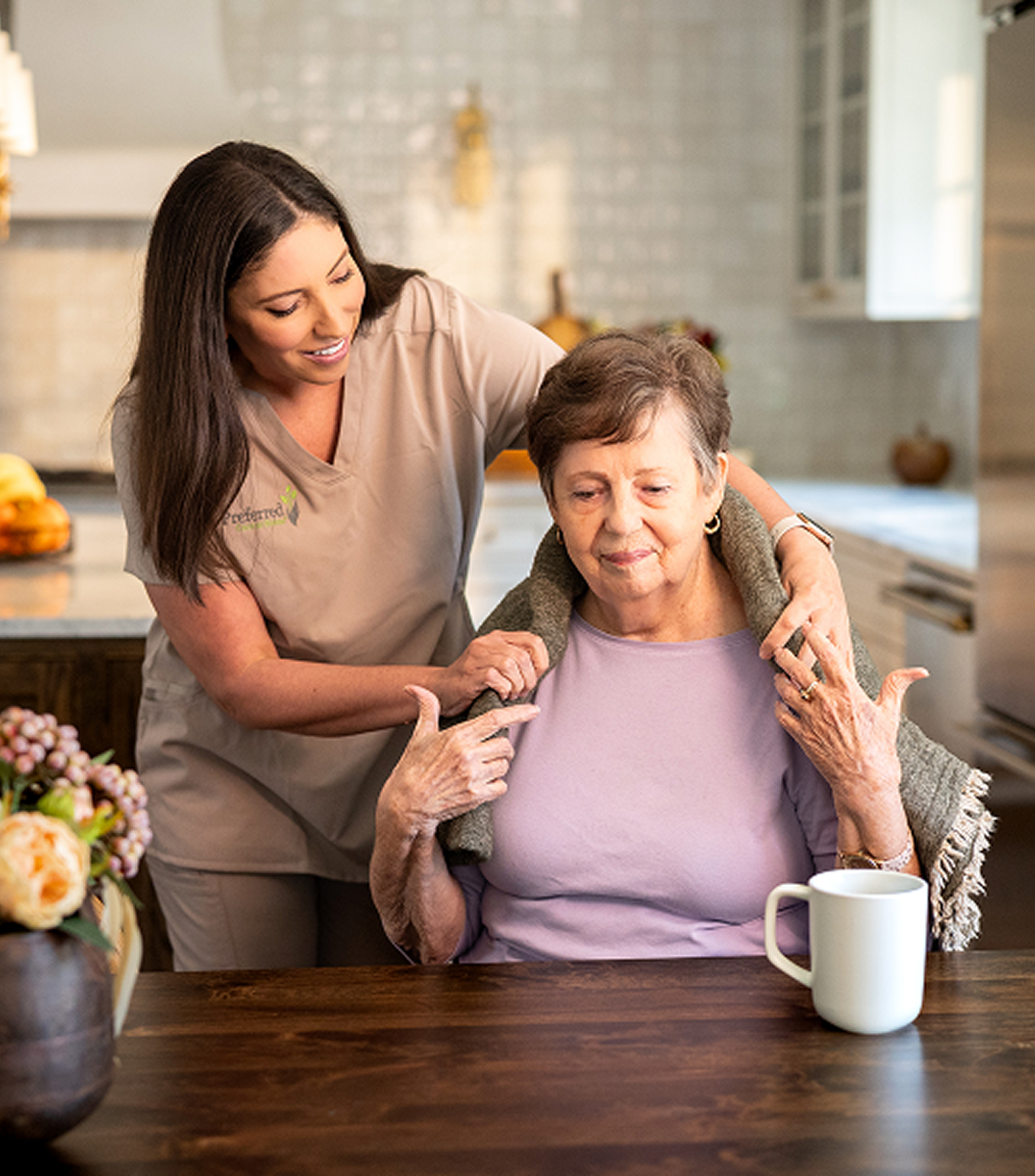
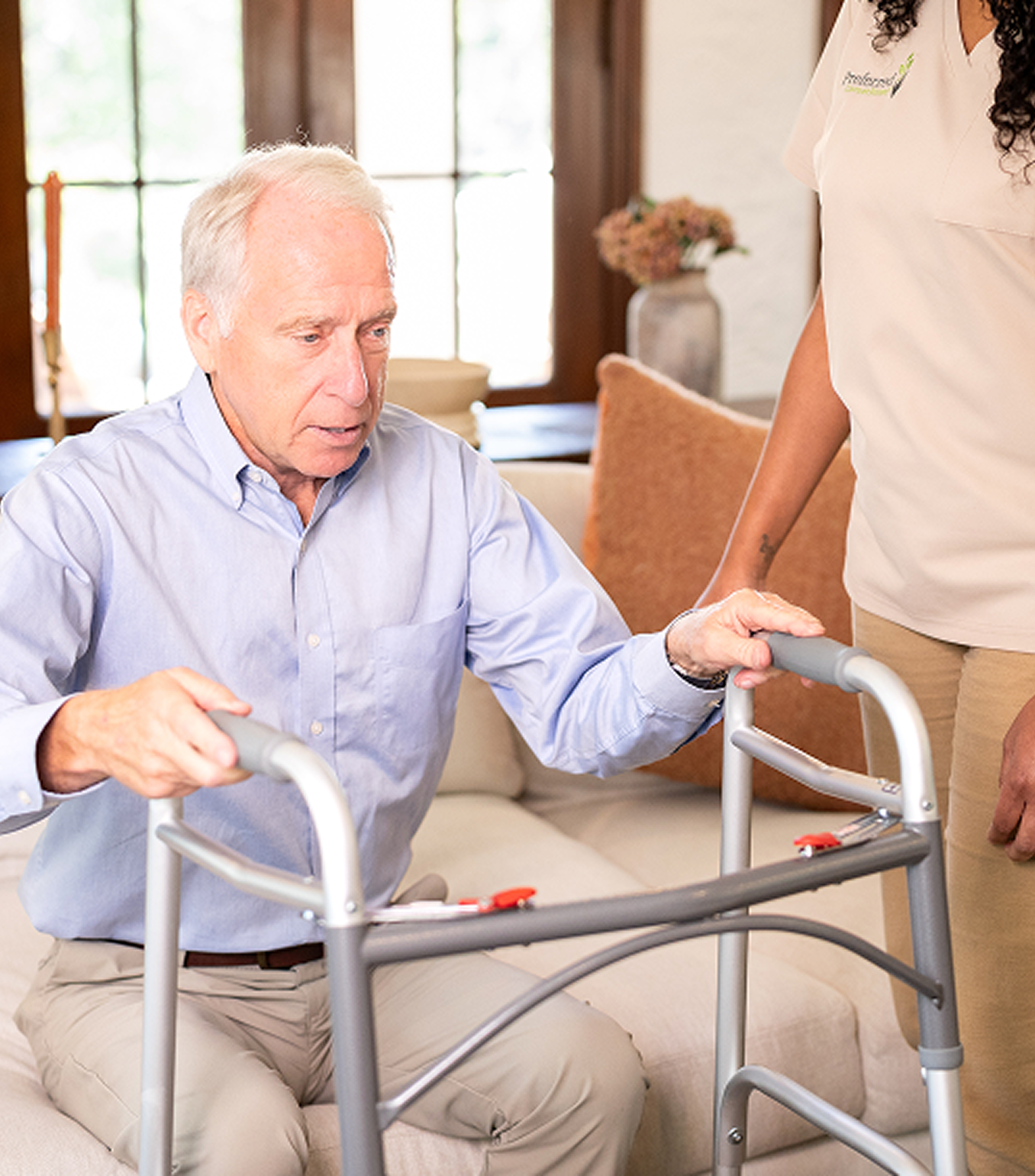
Bathing, dressing, and moving safely around the house become harder long before anyone wants to leave home. Our personal care is the hands-on level that keeps your loved one in their own home with dignity intact.
Caregivers provide assistance with bathing, dressing, grooming, toileting, and transfers between bed, chair, and shower. Meal preparation follows any dietary guidance from the physician. Medication reminders are part of every visit.
Adult children who have been the primary caregiver hit a wall. Sleep suffers, work suffers, and personal health starts to slip. Our homemaker and respite care gives you scheduled breaks without changing your parent’s routine.
The same personality-matched caregiver steps in for a few hours, a full day, or a weekend. Meals, housekeeping, and companionship continue the way your parent already knows them.
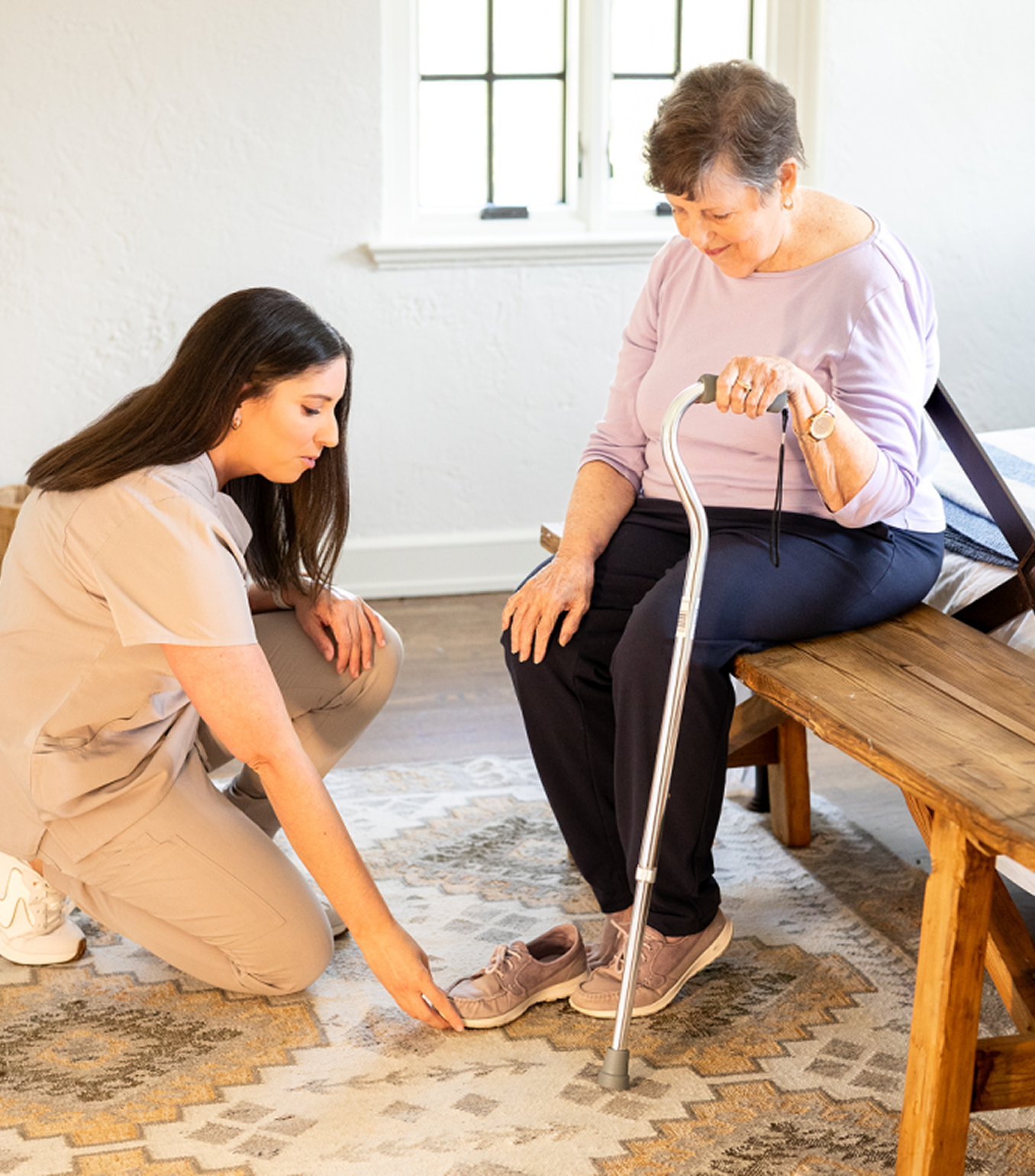

Confusion, repeated questions, and nighttime wandering change what a home needs to do. Our dementia care keeps the house familiar and adds a trained presence your mother or father can trust.
Caregivers use redirection techniques, keep routines consistent to lower anxiety, and watch for safety concerns without making the home feel clinical. Engagement activities are chosen for the person, not the diagnosis.
Alzheimer’s progresses, and the behaviors change with it. Families need caregivers who have walked this path before, not someone learning the disease on the job. Our Alzheimer’s care matches experience to the stage you are in today.
Structured daily routines, stage-appropriate engagement, and behavior support form the core of each visit. Family coaching is part of the plan, because the people at home need direction as much as the person diagnosed.

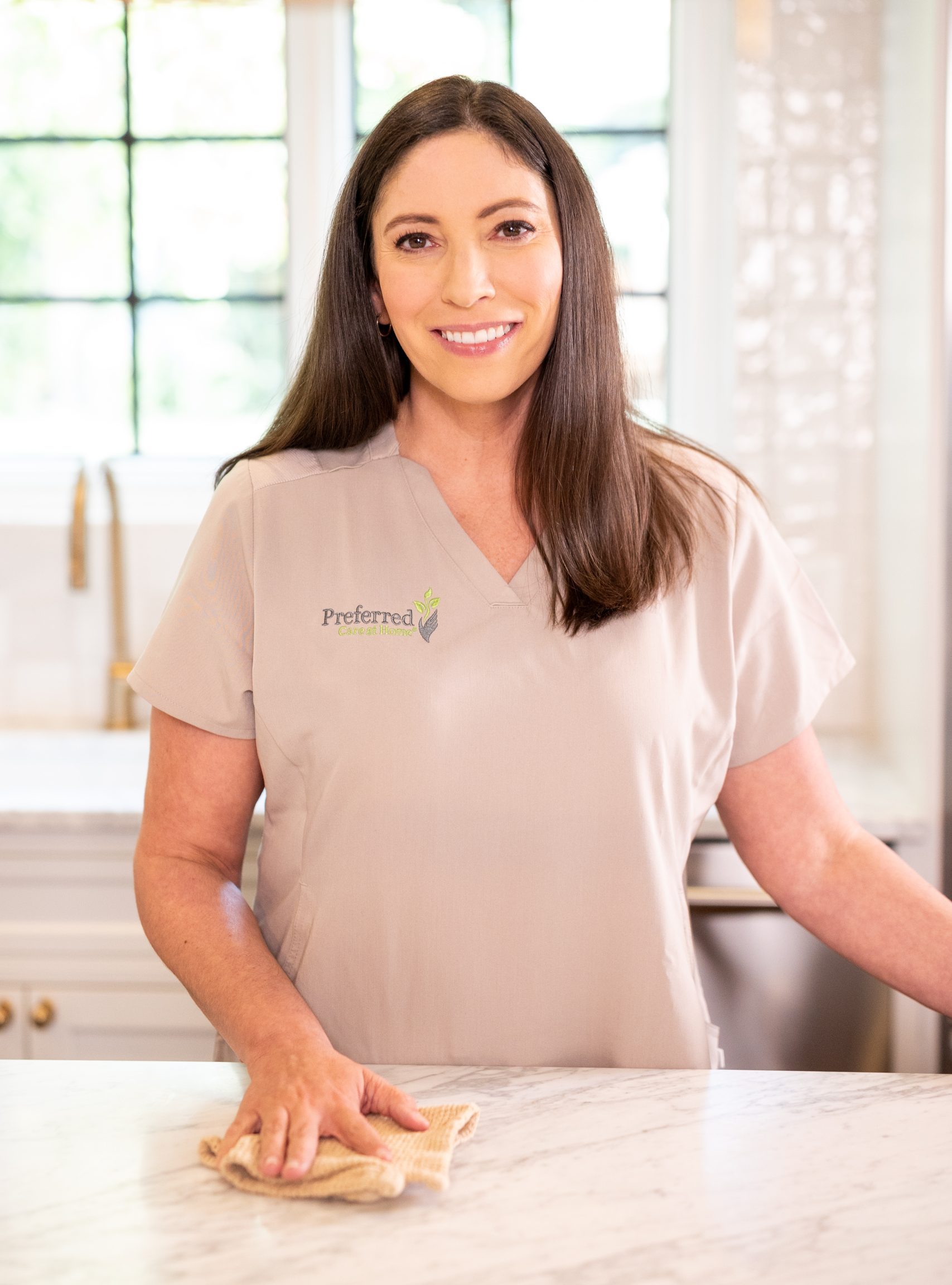
Discharge from Aventura Hospital or Mount Sinai comes with a medication list, mobility restrictions, and follow-up appointments all at once. Recovery at home is quieter than the hospital, and it is also harder to manage alone. Our transition care bridges the gap.
A caregiver walks through the discharge instructions with you, supports the recovery routine day by day, drives to follow-up appointments, and watches for warning signs that often lead to readmission.
Overnight safety is a different problem than daytime help. When a parent cannot be alone at night in a single-family home, hourly visits are not enough. Our live-in care provides consistent caregivers around the clock so facility placement is not the only option.
The same small team rotates through 24 hours, handling personal care, meals, mobility, and emergency response. There is no long-term contract, and the schedule adjusts as needs change.
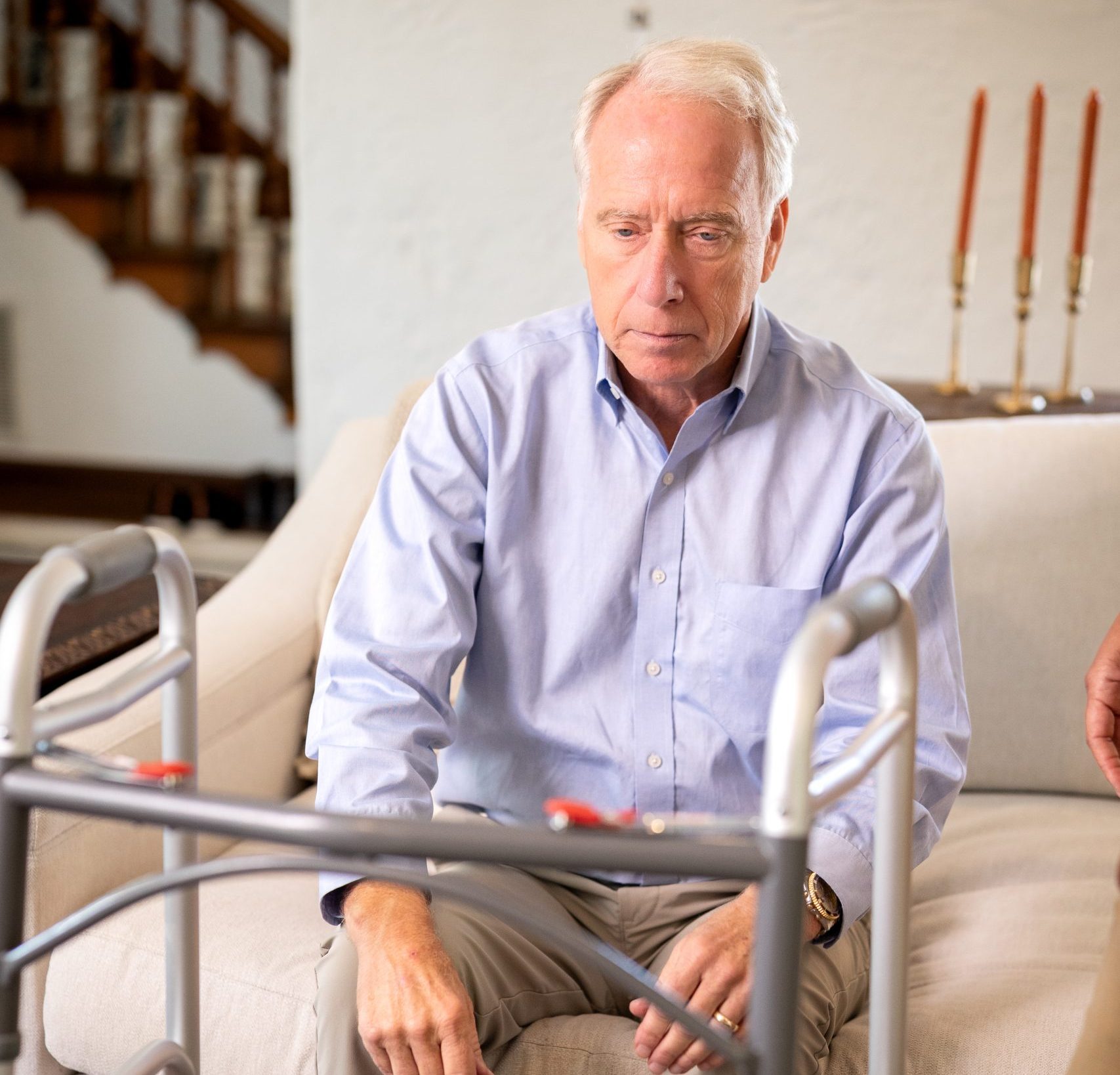

The final stage of life belongs at home for many families. Our end-of-life care works alongside hospice and the existing medical team to keep comfort and dignity at the center.
Caregivers offer a steady presence, support the family through long days and longer nights, and coordinate with hospice nurses so nothing falls through. Respite for the family is built into the plan.
Preferred Care at Home of Miami Beach is a locally owned company led by David Peterson alongside co-owners Quin Christensen and Richard Patterson. The brand has over 40 years of family-run history since 1984. We operate under Florida Home Health Agency license HHA #299995236 and cover Miami Beach, North Miami Beach, Aventura, Sunny Isles Beach, Bal Harbour, and the surrounding communities.
Caregivers are matched by personality, life experience, and care needs, not simply by who is available that shift. If the match is not right, a different caregiver is assigned with no additional fee. The Transparency of Care portal lets families see schedules, read daily notes, and send voice messages from anywhere. Care scales from one hour to 24/7 with no long-term contracts required.

In-home care in Golden Beach starts with a free phone consultation. Speak with our local team today.

Step 01
You call us and we listen. No obligation, no sales pressure, no contract signing.

Step 02
We come to your home and meet the family in person. This is where we understand what a typical day looks like and what feels difficult right now.

Step 03
You get a written plan covering personal care, safety, and daily living needs.

Step 04
A caregiver is chosen by personality fit, not by who happens to be available. We provide caregivers who match your loved one’s needs and temperament.

Step 05
You stay connected through the Transparency Room and owner check-ins.
The town sits between the ocean and the Intracoastal, and the service landscape for aging at home is shaped by that geography and by the small size of the community.
Challenge
What It Looks Like
How We Help
Hurricane season and storm exposure
What It Looks Like
The town sits between ocean and Intracoastal. Storm watches trigger sandbag programs and evacuation planning, which disrupt normal caregiver schedules for personal care, companion visits, and live-in shifts.
How We Help
Backup caregiver rotation during watches, plus Transparency Room notifications so families know who is with their loved one.
Challenge
Small residential-only footprint
What It Looks Like
With 364 homes, no assisted living facility inside town limits, and a 1.8 square mile boundary, aging-in-place families manage mobility, dementia, and post-surgery recovery inside a private home with no on-site support nearby.
How We Help
Support scales from 1-hour companion visits to 24-hour live-in care, depending on what the week actually requires.
Challenge
Miami-Dade county program landscape
What It Looks Like
Families piece together Meals for the Elderly, Adult Day Care, and county Home Care Assistance without a clear boundary between what those programs cover and what private in-home care is needed to fill.
How We Help
Our consultation includes a plain walk-through of where county programs end and where companion, personal, or dementia care should begin.
Challenge
Confusion between in-home care and home health
What It Looks Like
Families assume Medicare will cover daily help with bathing, meals, or companionship, which it generally does not. They delay starting personal care or dementia support while waiting on a benefit that never applies.
How We Help
The first consultation clarifies what private-pay companion, personal, and dementia care cover so families decide without waiting on a misunderstood benefit.
Challenge
Hospital discharge timing
What It Looks Like
Discharge from Aventura Hospital or Mount Sinai comes with a medication list, follow-up appointments, and mobility restrictions at once. Families who delay post-surgery and personal care support often see preventable readmissions.
How We Help
Post-surgery transition care can begin within 24 to 48 hours of discharge and folds into personal care as recovery extends.
Challenge
Waiting for a crisis
What It Looks Like
Families often delay until a fall, a hospitalization, or a dementia incident forces a choice between facility placement and scrambling for overnight coverage. A few weekly companion hours months earlier would have slowed the escalation. Depression and isolation set in before anyone calls for help.
How We Help
Scheduling starts at one hour. Companion care steps up to personal care, then dementia support or live-in, without contract penalties.
Golden Beach is one location on a corridor we cover daily. Our caregivers and home care aides serve families across South Florida, from Fort Lauderdale south through Miami-Dade and into Florida City.
We Serve:
Golden Beach
North Miami Beach
North Miami
Miami Beach
Surfside
Hallandale Beach
Pembroke Pines
Plantation
Boca Raton
Preferred Care at Home of Miami Beach is a locally owned franchise of Preferred Care at Home, a brand founded in 1984, with local offices at 20801 Biscayne Blvd, Suite 403, Miami, FL 33180. The agency holds Florida Home Health Agency license HHA #299995236 and serves Miami Beach, Aventura, Sunny Isles Beach, Bal Harbour, and surrounding Miami-Dade communities. Recognized with Best of Home Care awards for Employer, Provider, and Leader in Excellence.
Yes. Golden Beach is covered daily through our Miami office, which also serves Aventura, Sunny Isles Beach, and Bal Harbour.
Our Miami office covers Golden Beach every day of the week. Home care services run from one-hour companion visits to 24-hour live-in care, and we can often begin within 24 to 48 hours of the first call. To speak with our local team, call (786) 284-1188.
Companion and homemaker care, personal care, dementia and Alzheimer’s care, post-surgery transition support, respite care, live-in care, and end-of-life care.
Most families start with companion or personal care and add on as the situation changes. Dementia care and live-in care are the most common step-ups, and respite is available any week a family caregiver needs a break. Our home care aides are trained to meet the specific needs your loved one has today.
A free phone consultation comes first, followed by an in-home assessment and a personality-matched caregiver, often within 24 to 48 hours.
The phone call is where we listen. After that, we drive to the home, meet everyone, and build a written care plan. A caregiver is then selected based on personality, life experience, and the specific needs we heard about, not just who is free that day. Clients tell us the matching process makes all the difference.
If the issue is conversation, meals, and light housekeeping, companion care fits. If it is bathing, dressing, or mobility, personal care is the right level.
Companion care covers social engagement, meal preparation, light housekeeping, laundry, and errands. Personal care adds hands-on help with bathing, dressing, grooming, toileting, and transfers. Many families start with companion care and move to personal care when ADL support becomes part of the daily routine. Our aides offer the assistance your mother, father, grandmother, or husband needs to live safely at home.
Yes. Companion and personal caregivers routinely drive clients to Aventura Hospital, grocery trips, and medical appointments across the corridor.
Shopping, transportation, and errands are part of the visit. Caregivers drive to medical appointments in Aventura and Sunny Isles Beach, handle pharmacy runs, and shop for groceries or household items. The caregiver stays for the appointment and brings your loved one home safely. Shopping transportation is included in both companion and personal care visits.
Live-in care fits when overnight safety is the concern or wandering is present. Hourly visits fit when the family can cover nights safely.
Live-in care means a consistent small team present around the clock, which is the right fit when falls at night, dementia-related wandering, or a health condition rules out being alone after dark. Hourly visits work when nights are covered by a spouse or family member, and the Transparency Room keeps remote adult children in the loop either way.
Non-medical in-home care covers daily living support. Home health care is a separately licensed category for clinical services and is not what we offer in this scope.
Non-medical in-home care covers companionship, meals, housekeeping, bathing, dressing, mobility, and transportation. Home health care refers to clinical services delivered by licensed medical personnel, which is a distinct category under Florida state AHCA rules. Families often use both at once: a home health nurse visits for a clinical task while our caregiver handles the rest of the day.
Yes. Miami-Dade Senior Services offers Meals for the Elderly, Adult Day Care, and Home Care Assistance for Elderly Residents with Disabilities.
These county programs help with specific pieces of the day, such as a noon meal or a few hours of supervised activity at an Adult Day Care site. They do not replace in-home companion, personal, or dementia care, but they can reduce the weekly hours a private caregiver is needed. Eligibility is set by Miami-Dade Senior Services and varies by program. Our team can walk you through what each program covers and where private home care services fill the gaps.
Cost depends on hours per week and care level. Companion visits cost less than 24-hour live-in care, and a free consultation gives you an exact quote.
Preferred Care at Home prices care by the level of support involved. Companion and homemaker hours are the most affordable, personal care comes next, and live-in or around-the-clock coverage is the top of the range because someone is present day and night. Private pay, long-term care insurance, Medicaid where eligible, and VA Aid and Attendance are all accepted, and the consultation walks through the options that apply to your situation.
Yes. Transition care starts within 24 to 48 hours of discharge and covers medication reminders, recovery routines, and appointment transportation.
After a discharge from Aventura Hospital or Mount Sinai, the first 72 hours at home are where most readmissions are set in motion. A transition caregiver reviews the discharge paperwork with the family, keeps medication reminders on schedule, drives to follow-up appointments, and watches for signs that warrant a call to the physician. As recovery extends, transition care folds into personal care without changing the caregiver. Our aides are responsive throughout the entire process.
Popular
Recent