
Watching a parent on East Island struggle with the stairs, forget a second meal, or fall quiet after another day alone tells you the old arrangement stopped working. Patching together drop-ins from different agencies as needs shift only makes a confusing stretch of daily life more confusing. Preferred Care at Home has matched caregivers to families since 1984, from a weekly companion visit to around-the-clock support.
Some days the house feels quiet, meals get skipped, and a walk along Kane Concourse sounds better with someone there. Companion and Homemaker Care brings conversation, light housekeeping, and errands across to Bal Harbour Shops.
We match on shared interests and professional experience, not whoever is free that afternoon. A caregiver who loves the same music or the same crossword keeps your loved one engaged.
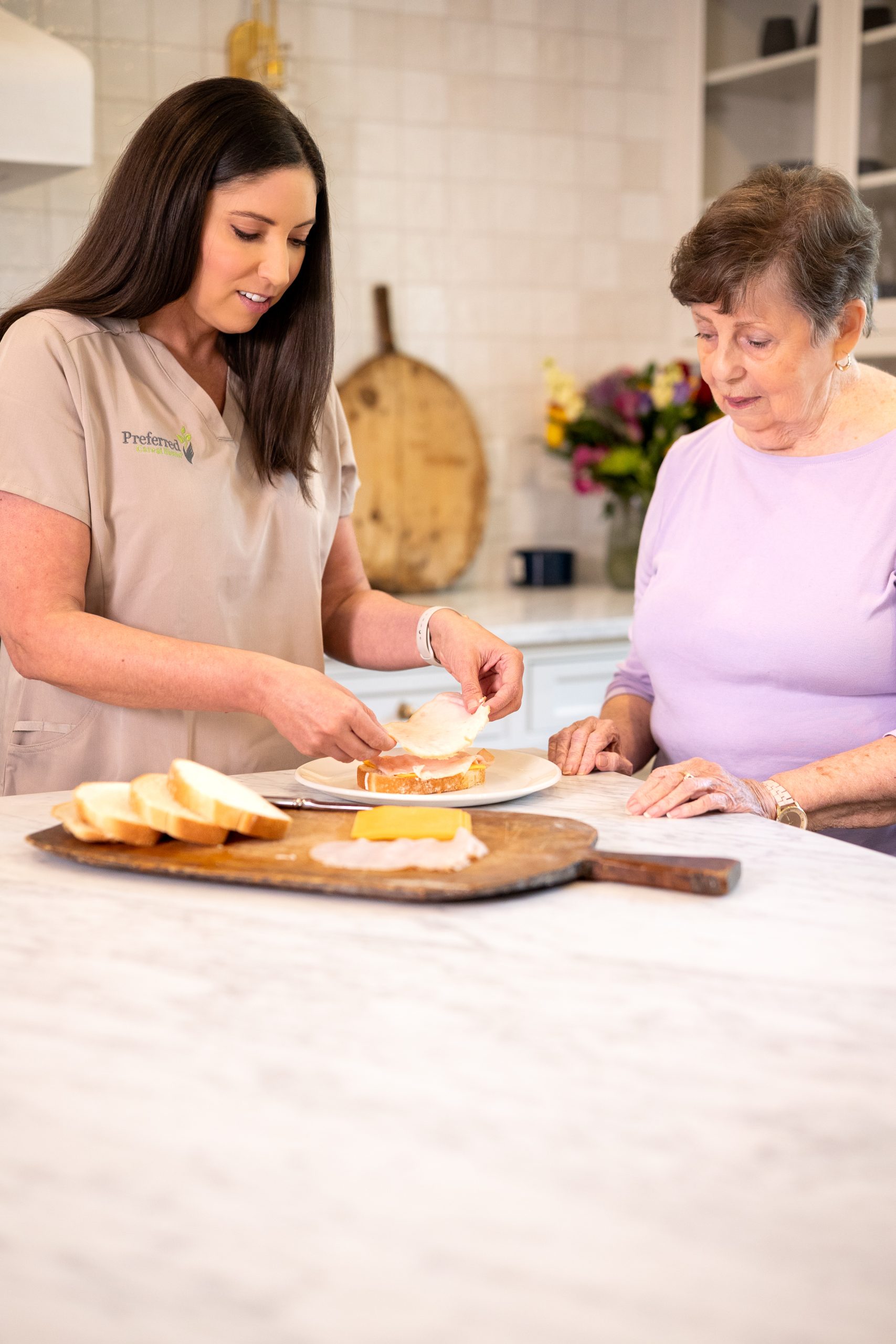
Our aides handle daily tasks like meal prep, errands, and gentle reminders. Each visit respects your loved one’s routine while providing the assistance they need. Companionship matters as much as the practical help.
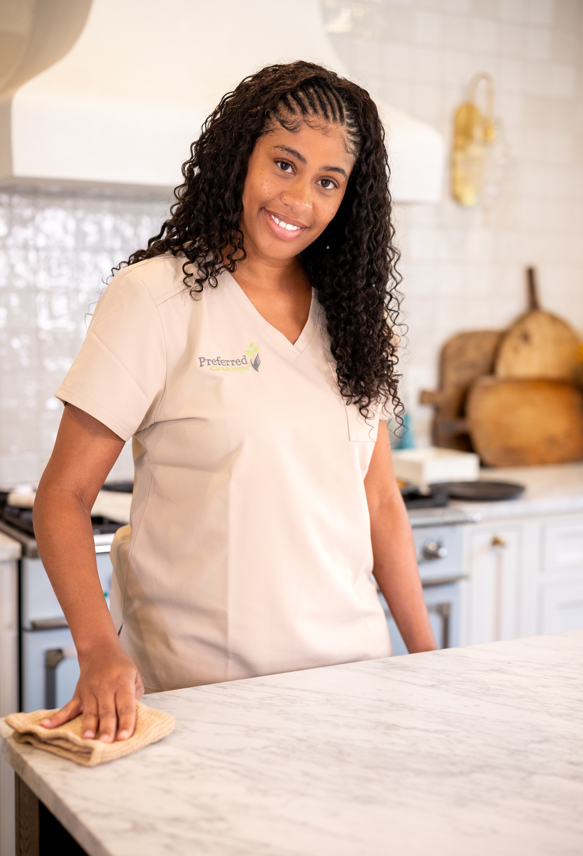
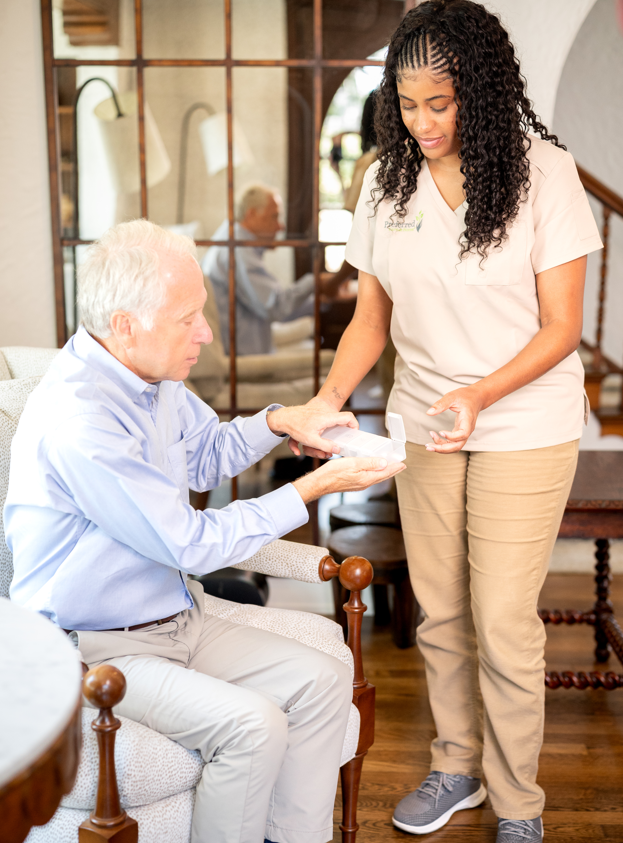
Bathing and dressing get harder when a condo bathroom is narrow and the towel bar is the only thing to grab. Personal Care adds hands-on help inside the layouts common on East and West Island.
Our aides assist with mobility, transfers, grooming, bathing, and meals adapted to a loved one’s diet. Dignity matters here. Your mother is still your mother while she accepts help with a shower.
We create a safe environment for bathing and dressing, with caregivers trained to handle the specific needs of condo living. Each aide brings experience with narrow spaces and limited grab bars. Respect for your loved one’s privacy guides every interaction.
When elderly people require assistance with daily activities, our team provides support that preserves independence.
The adult child driving back and forth across the Broad Causeway every day needs a break before burnout sets in. Homemaker and Respite Care steps in so you can rest, work, or travel.
A matched caregiver keeps the same routine going. Meals, housekeeping, and companionship continue while you step away for an afternoon or a week. Your family member receives the same level of care whether you’re present or away.
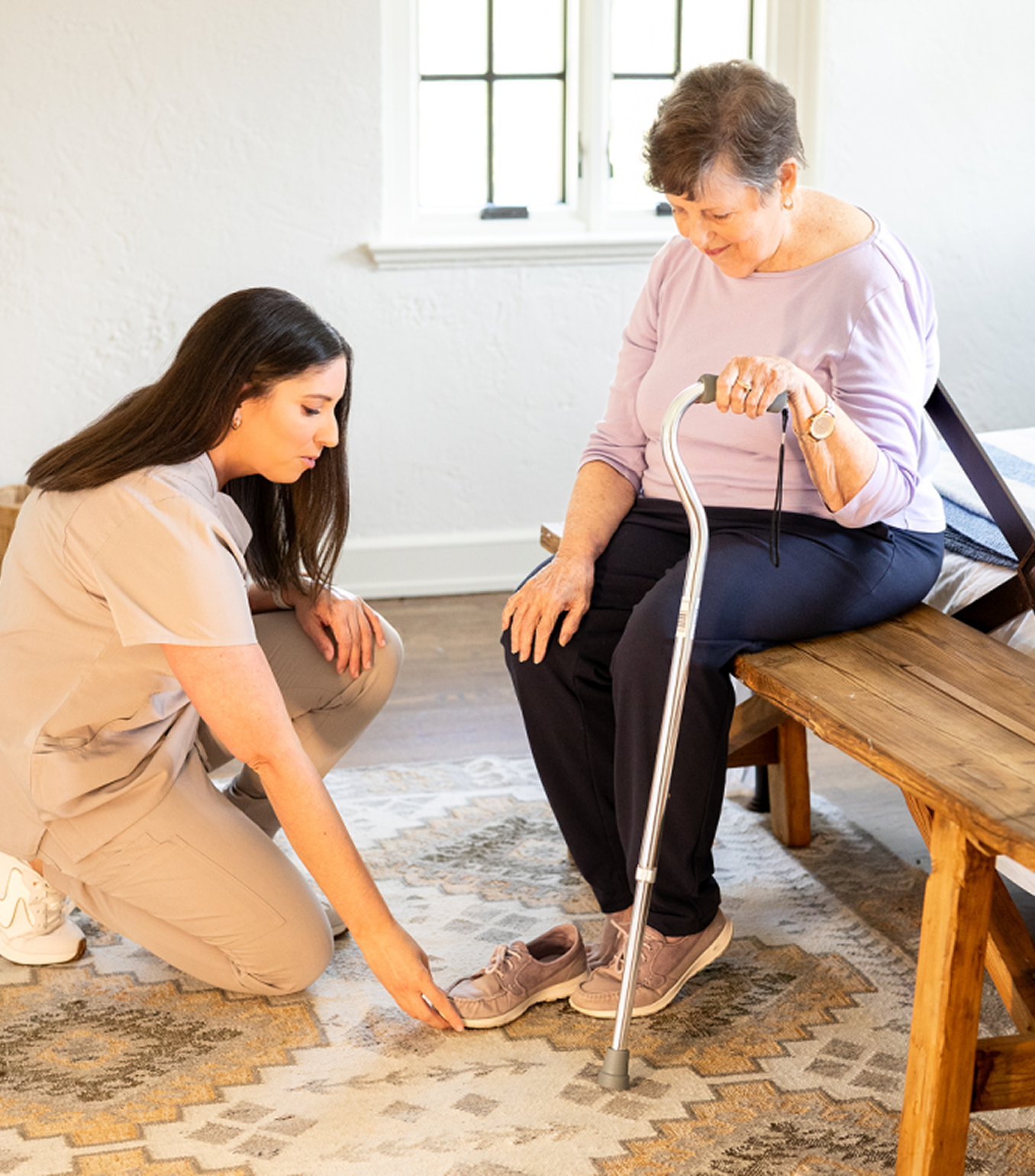
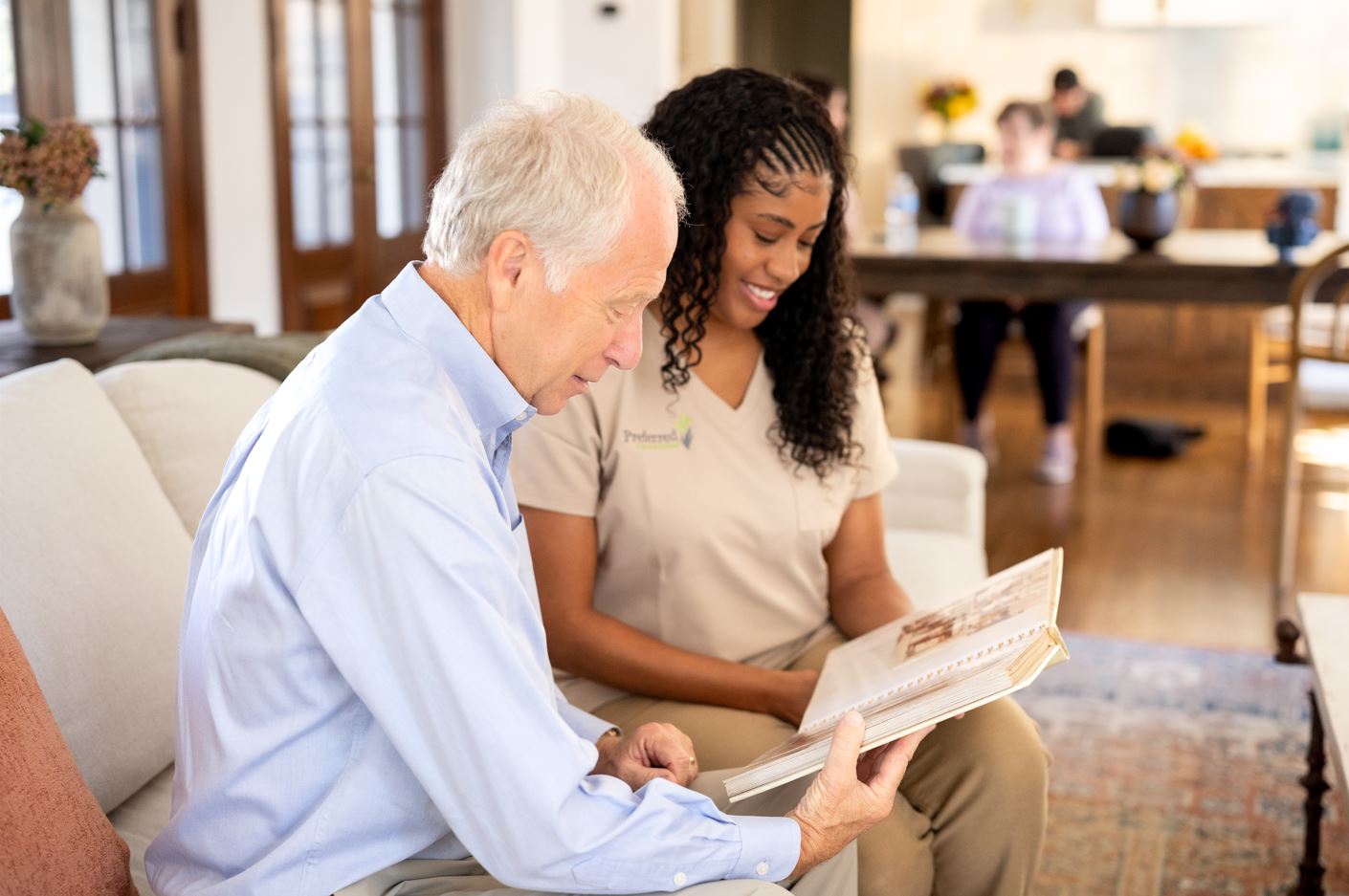
A waterfront setting raises the stakes when a loved one starts to wander or loses track of the day. Dementia Care provides supervision, redirection, and calm routines at home.
Our caregivers are trained in memory support techniques and behavioral changes. Consistent faces and consistent schedules reduce the anxiety that drives difficult afternoons. We create an environment where confusion decreases and comfort remains. Compassionate care means understanding that each patient experiences dementia differently.
For a parent who has lived on the islands for decades, home is the anchor. Alzheimer’s Care supports that anchor with structured routines that reduce confusion as the disease progresses.
Caregivers pace the day around what still brings comfort, whether that is a morning at the window or a familiar record. Families stay looped in through the Transparency Room portal. Each aide understands how to respect dignity while providing the assistance Alzheimer’s patients require.
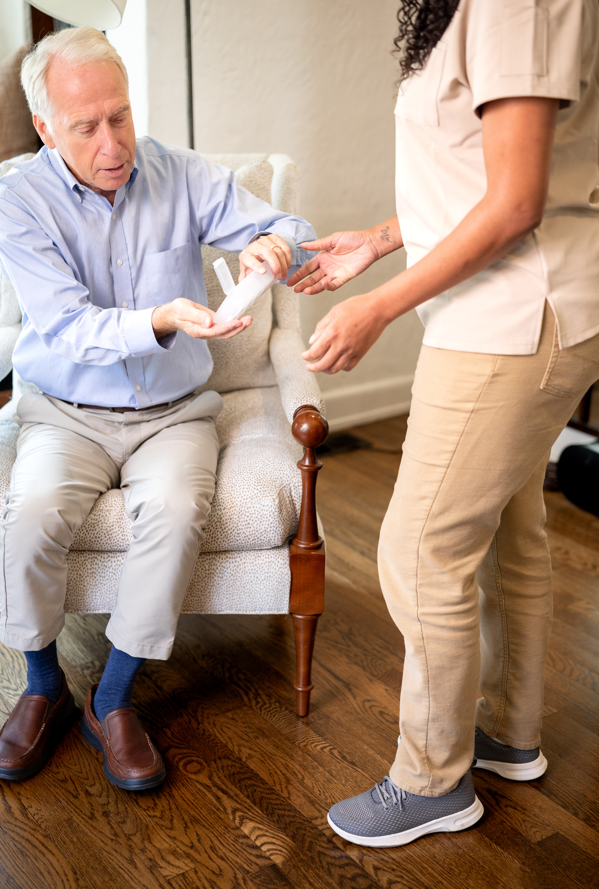
When your father comes back across the Broad Causeway after a hip repair, the discharge paperwork is dense and the follow-ups stack up fast. Transition Care pairs him with a caregiver who helps organize the first weeks at home.
We review discharge instructions with the family, coordinate rides to follow-up appointments, and monitor recovery so small setbacks get caught early. No skilled nursing care. Steady daily support. Our aides provide the assistance patients need during recovery without crossing into medical territory.
A loved one whose condition needs continuous supervision can still stay in their own condo on the islands. Live-In Care keeps a caregiver present day and night so moving into a facility is not the only option.
We rotate a small team of matched caregivers so the same few faces become familiar. Meals, personal care, mobility, and companionship stay covered around the clock.
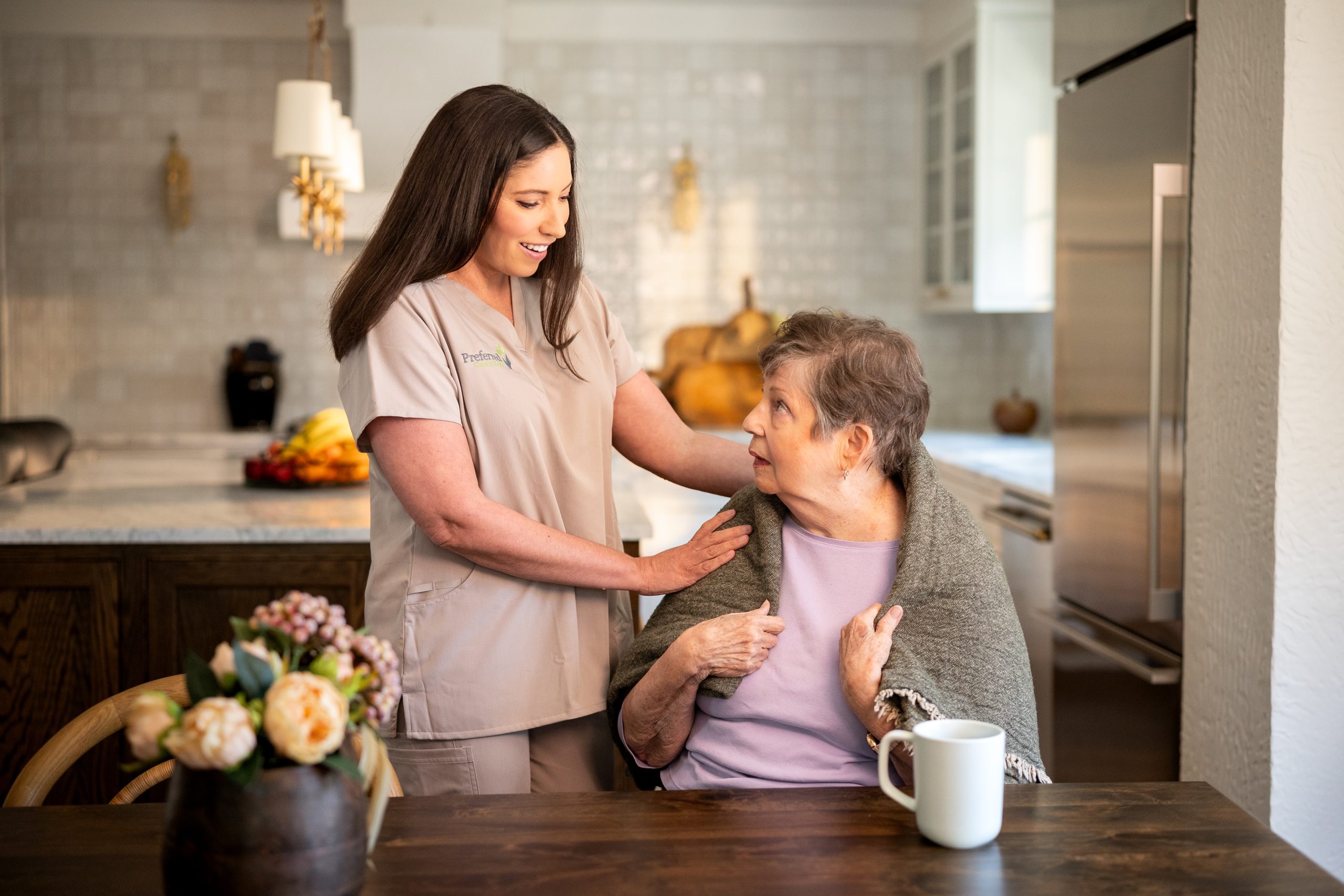

The final stretch of life belongs at home for many families, surrounded by what has always mattered. End-of-Life Care provides comfort, presence, and support for the family alongside an existing hospice team.
Our caregivers handle the non-medical work so you can focus on being a son or daughter again, not a scheduler. Gentle routines, a calm home, and space for what matters.
Preferred Care at Home of Miami Beach is a locally owned franchise of a senior in-home care brand operating since 1984. We serve Bay Harbor Islands, Bal Harbour, Surfside, Sunny Isles Beach, and Miami Beach from our Biscayne Boulevard office. Florida Home Health Agency license LIC HHA #299995236. David Peterson and his co-owners stay personally involved with every family on our roster, and the agency has been recognized with Best of Home Care awards as Provider, Employer, and Leader in Excellence.
Every caregiver clears our 7-step screening covering background, references, skills, and personality evaluation. We then match on personality and life experience, with a replacement guarantee if the fit is wrong. The Transparency Room portal lets families view schedules, read daily notes, and voice-message caregivers, all built on strong relationships we sustain as a locally owned and operated agency.
You can feel confident knowing your loved one is in good hands. We work to preserve independence at every stage, and the community connection we maintain across the islands is equally important to seniors and their families here. Elderly people deserve the highest level of support, delivered by personality-matched caregivers who understand what families on East and West Island need.
A conversation costs nothing. Call us to speak with someone who understands in-home care for your loved one on Bay Harbor Islands.

Step 01
You call and speak with our team about the situation, with no cost and no commitment.

Step 02
We visit your loved one’s home to meet them and understand daily routines.

Step 03
You receive a care plan built around bathing, meals, safety, and social time. Our personalized approach addresses each family’s specific needs, and clients receive a plan shaped to their unique needs.

Step 04
We match a caregiver on personality and experience, not just availability.

Step 05
You stay looped in through regular check-ins and the Transparency Room portal. We create an environment where communication flows easily between family members and our team.
Aging in place on East and West Island brings a shared set of hurdles that generic Miami service-area pages don’t address. Seniors here face unique challenges tied to the waterfront location and compact geography.
Challenge
What It Looks Like
How We Help
What It Looks Like
How We Help
Challenge
Condo-dense housing on 0.4 square miles
What It Looks Like
How We Help
Challenge
What It Looks Like
The Broad Causeway is the primary east-west route, and ongoing replacement study work means appointment timing and caregiver travel must be planned around traffic and closures.
How We Help
Challenge
What It Looks Like
How We Help
Challenge
Delaying help after warning signs
What It Looks Like
How We Help
Challenge
Hiring “a caregiver” instead of a matched caregiver
What It Looks Like
Families pick the first available person and get a revolving door of strangers, so a loved one with memory changes ends up re-explained every week.
How We Help
Our 7-step screening and personality-based matching cover Companion Care, Personal Care, and Dementia Care with one consistent face, and the replacement guarantee removes the risk of a bad match.
Our Biscayne Boulevard office serves elderly people across the compact cluster of Miami-Dade County communities connected by the causeways and coastal routes. Our agency brings home care services to seniors throughout South Florida, with coverage extending into Broward County communities like Fort Lauderdale and Pembroke Pines, FL. Families who search for reliable support find our team ready to help.
We Serve:
Surfside
Miami Beach
South Beach
North Miami Beach
Miami
Preferred Care at Home of Miami Beach is a locally owned franchise of Preferred Care at Home, a senior in-home care brand operating since 1984. We serve Miami Beach, North Miami Beach, Bay Harbor Islands, Bal Harbour, Surfside, Sunny Isles Beach, Aventura, and Miami from our Biscayne Boulevard office. Florida Home Health Agency license LIC HHA #299995236. Recognized with Best of Home Care awards as Provider, Employer, and Leader in Excellence.

Yes. Preferred Care at Home provides in-home care across Bay Harbor Islands from our Biscayne Boulevard office in nearby North Miami-Dade.
We serve both East and West Island directly, along with nearby Bal Harbour, Surfside, Sunny Isles Beach, and Miami Beach. A caregiver can be on-site for an initial visit within a day or two of your phone call. Call us and we’ll walk you through what care on the islands looks like for your family.
We offer companion care, personal care, dementia and Alzheimer’s care, respite care, transition care, live-in care, and end-of-life care.
Most families start with companionship and homemaker services a few hours a week and adjust from there. When memory changes appear, we move into in-home dementia support. When a condition calls for continuous supervision, 24-hour in-home care keeps your loved one in their own condo. Each patient receives care built around their unique needs.
It starts with a free phone call, followed by an in-home visit and a care plan. Many families begin services within 24-48 hours.
First we talk on the phone about what your loved one needs and what the days look like now. Next we visit the home on East or West Island to meet everyone and review the space. Then we build the care plan, match a caregiver on personality, and schedule the first visit. Clients receive clear next steps at every stage.
In-home care is non-medical daily support like bathing, meals, and companionship. Home health care is doctor-ordered medical care from a Medicare-certified agency.
The two often get confused because both happen at home. In-home care covers the hours-long presence of a caregiver who helps with daily living, safety, and connection. Home health care is a shorter clinical visit from a nurse or therapist, ordered by a physician and often paid by Medicare. Many families use both at once. Our agency focuses on the non-medical assistance that keeps seniors comfortable at home.
Cost depends on care level and hours. Preferred Care at Home provides a free estimate after the phone consultation and in-home assessment.
Companion and homemaker care runs lower than around-the-clock live-in care because the hours and level of support are different. We schedule from one hour up to 24/7 with no long-term commitment, so families pay for what they actually need. Payment options include private pay, long-term care insurance, and veterans’ Aid and Attendance benefits. Call us for a quote built around your situation.
Yes. Specialized Dementia Care at home can support confusion, wandering risk, and daily supervision without moving your parent out of their home.
Our caregivers are trained in memory support and behavioral change, and they work from consistent routines that reduce afternoon anxiety. On a waterfront community where wandering carries extra risk, having the same screened caregiver present makes a real difference. Families can check the daily schedule and notes through the Transparency Room portal. We create a safe environment where patients with dementia can remain comfortable. Age-related memory changes require compassionate care that adapts as the condition progresses.
Transition Care supports the first weeks after discharge with help around meals, mobility, and follow-up appointments back across the causeway.
When a loved one comes home from a mainland hospital, the to-do list is overwhelming. Our post-surgery home care caregiver reviews the discharge instructions with the family, organizes appointment rides, and keeps an eye on recovery so small setbacks get flagged early. The care is non-medical, focused on daily routines and the bridge back to normal life. Patients receive the assistance they need without clinical intervention.
Yes. Respite care gives family caregivers a break while a matched caregiver steps in for companionship, personal care, or supervision.
Adult children driving the Broad Causeway every day to check on a parent burn out faster than they expect. Respite can mean an afternoon off, a working week covered, or a full vacation handled. The same personality-matched caregiver returns visit after visit, so your parent is not meeting a stranger each time you step away. Family members can rest knowing their loved one is cared for.
Services can often begin within 24 to 48 hours of the initial consultation, with some hospital-discharge situations accommodated same day.
After the phone call and in-home assessment, we move to caregiver matching. We don’t rush this part because personality fit matters more than a fast start. Typical companion-care engagements begin within 3-5 days, while transition care after a hospital discharge can start inside 24-48 hours when arranged in advance.
Yes. Preferred Care at Home uses personality-based matching so a consistent caregiver, not a rotating stranger, comes to your loved one’s home.
Every caregiver clears our 7-step screening before we consider them for a family. We match on personality and life experience, and if the fit isn’t right we assign a different caregiver, no questions asked and no extra fees. Families confirm the schedule and read daily notes through the Transparency Room portal. Older adults benefit from seeing the same face visit after visit.
In-home care supports physical health through meal prep, mobility assistance, and fall prevention. It also addresses mental and emotional health through companionship and routine.
Seniors on East and West Island who receive regular companionship and assistance at home often experience better nutrition, fewer falls, and less isolation. The familiar environment reduces stress and confusion, particularly for patients with memory changes. Our caregivers monitor health changes and alert families when something shifts, so small problems get addressed before they escalate. The benefits of staying home extend beyond physical health to emotional well-being and quality of life.
Popular
Recent