
Highland Lakes’ established single-family streets and condos are home to many older neighbors aging in place, and the first sign something has shifted is rarely a crisis — it’s missed meals, repeated questions at night, or a confusing stack of discharge instructions while you’re trying to work and parent at the same time. Preferred Care at Home brings companion, personal, memory, respite, recovery, live-in, and end-of-life care to Highland Lakes from a local Miami Beach office, with owner involvement on every case.
Many Highland Lakes seniors live alone in homes they have owned for decades. Days pass without real conversation, meals get skipped, and the household slowly slips.
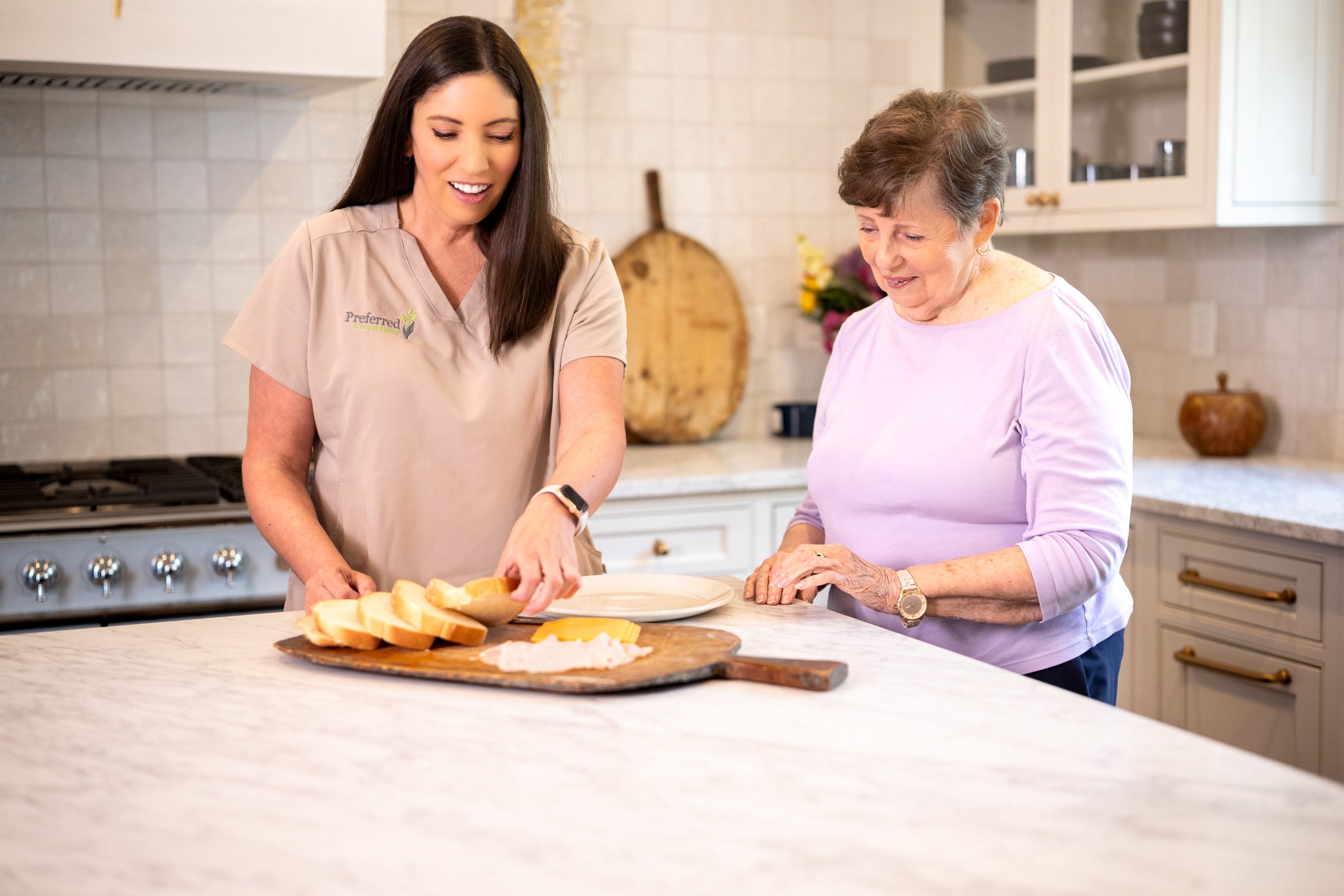
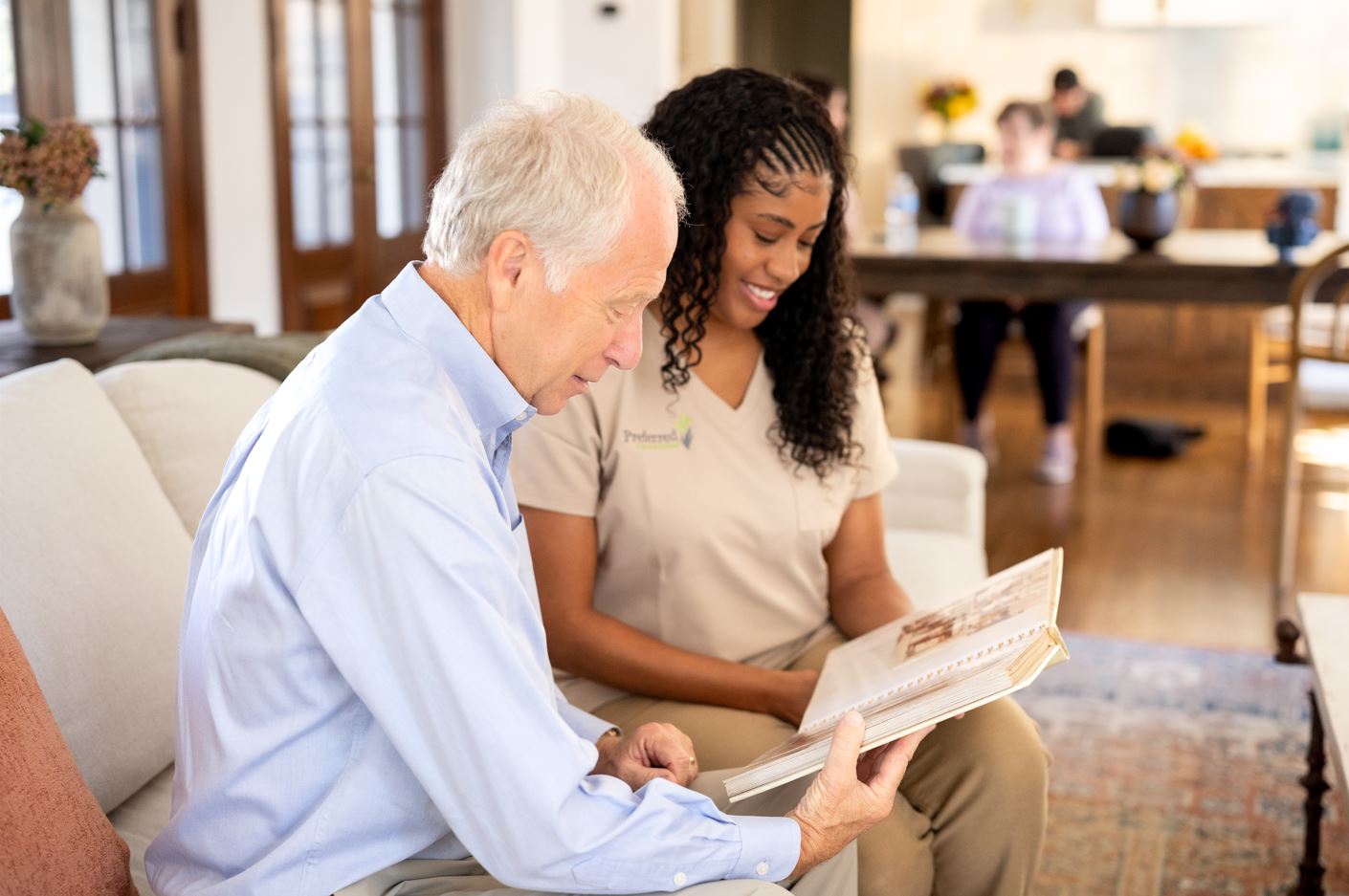
A caregiver matched by personality handles meal prep, light housekeeping, errands, rides to appointments, medication reminders, and real daily presence — a steady person, not a rotating shift.
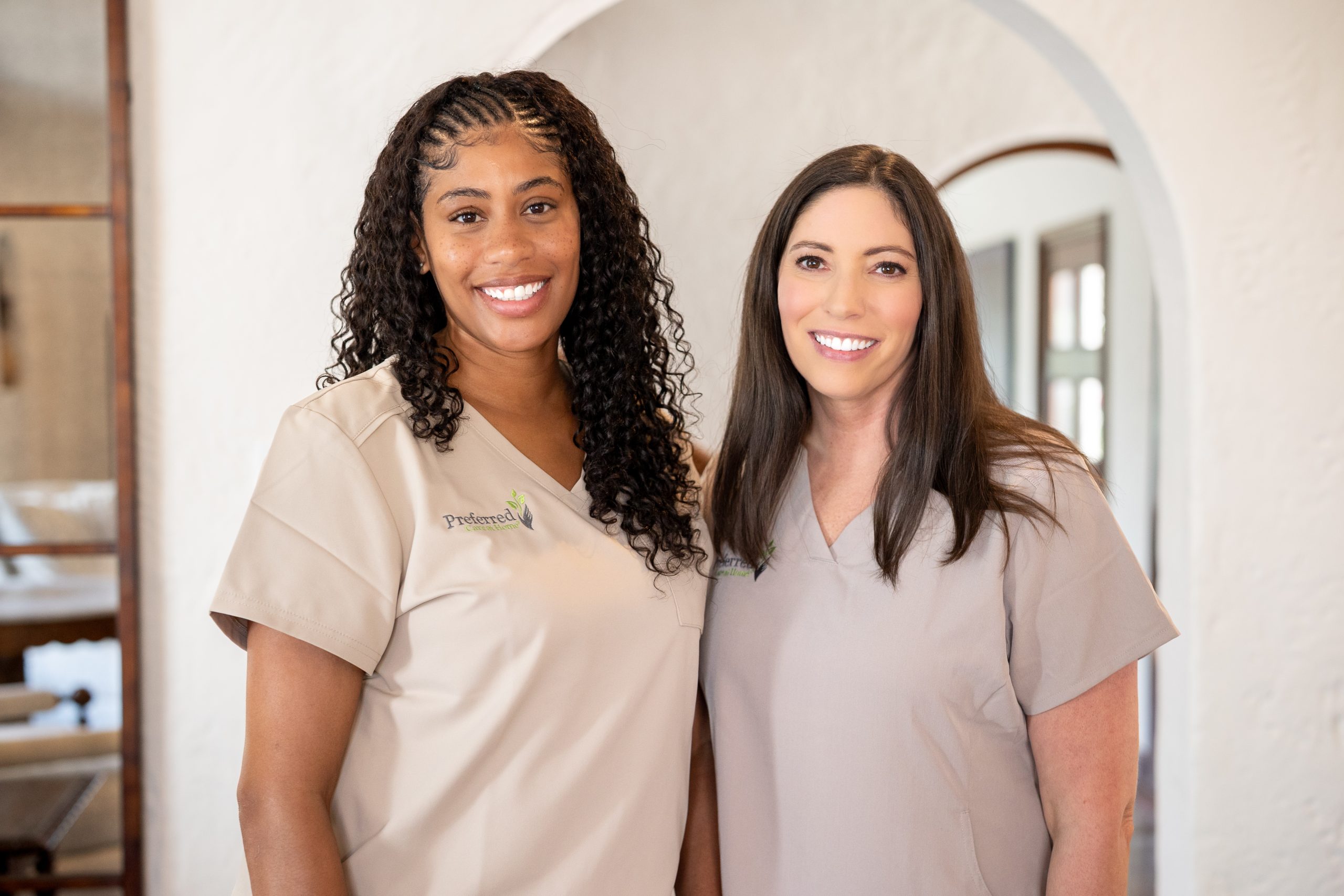
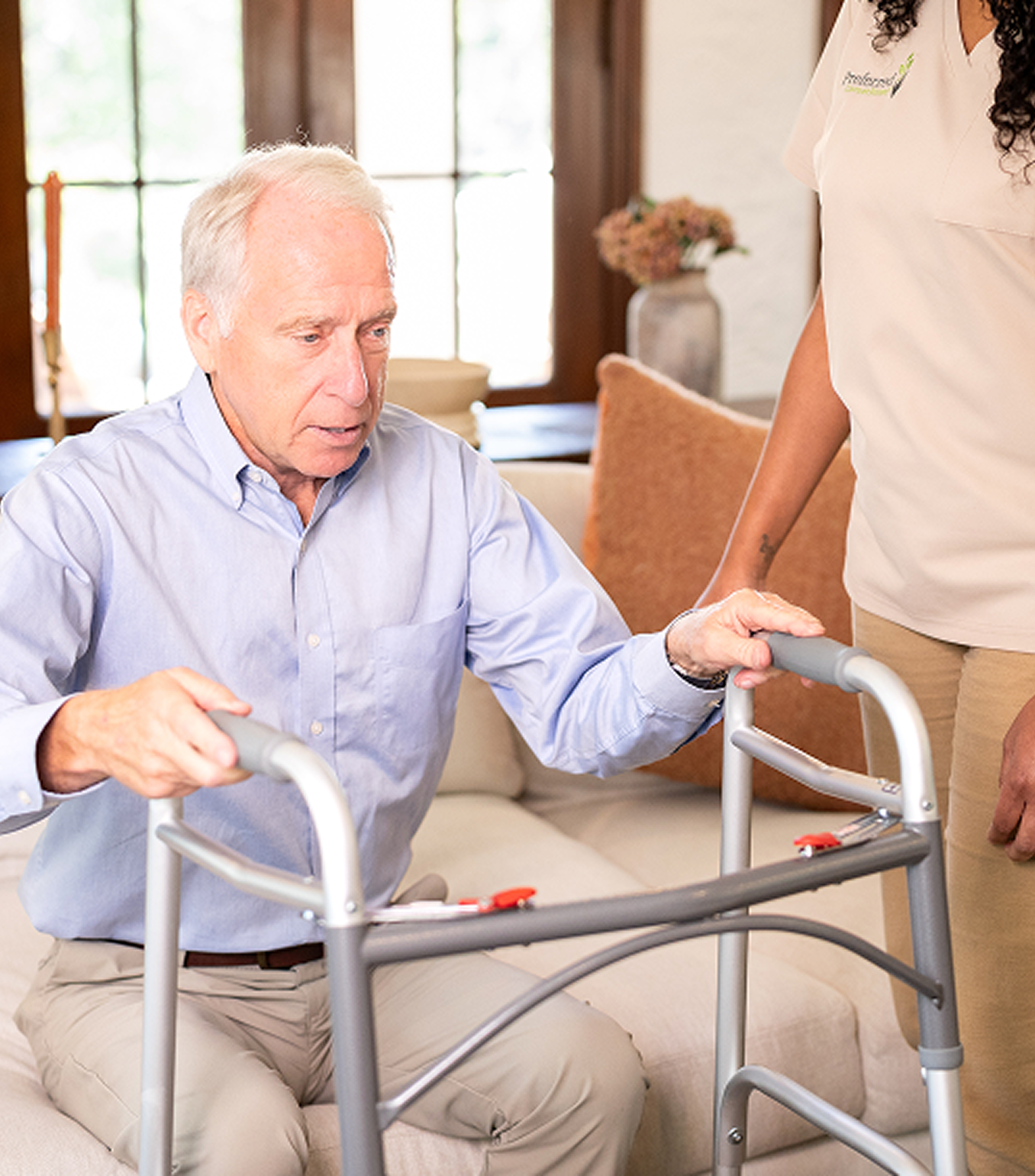
When bathing, dressing, or moving safely around the house has become unsteady, families in Highland Lakes need hands-on help that protects dignity.
Caregivers help with bathing, dressing, grooming, transfers, toileting, incontinence support, and meals built around any dietary needs — folded into the same visit as companion care, so you’re not juggling two schedules.
An adult child managing a parent’s care while holding a full-time job is one of the most common situations in Highland Lakes, and burnout is closer than most realize.
A personality-matched caregiver steps in for a few hours, a weekend, or a longer stretch so the family caregiver can rest, travel, or simply breathe — a real break, not a quick errand window.
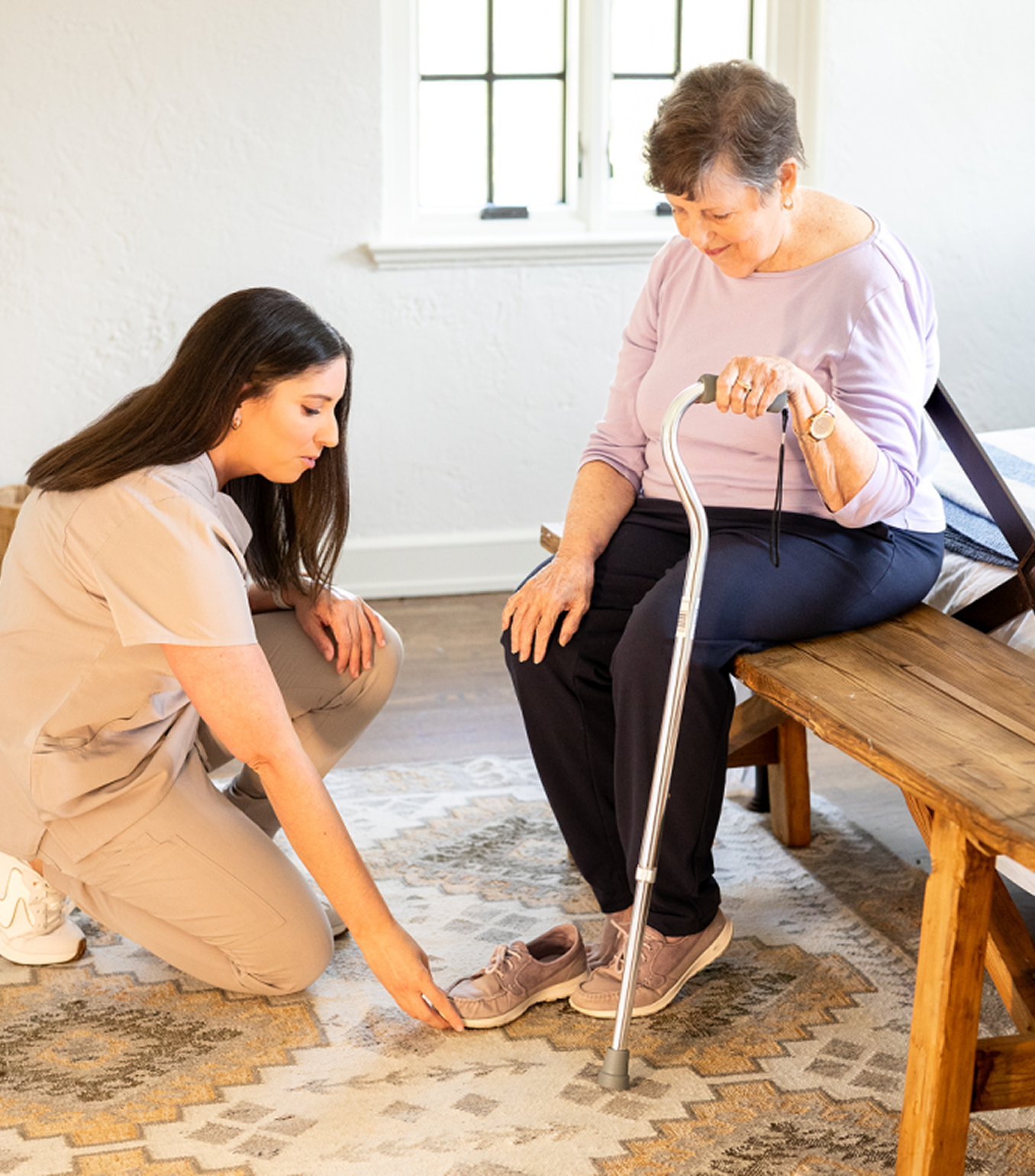

When a parent in Highland Lakes starts repeating questions, gets turned around on familiar streets, or wanders at night, families need caregivers trained for memory loss.
Caregivers use redirection, consistent routines, and safety monitoring tuned to where your loved one is in the disease. Daily notes go into the Transparency Room portal so the family can read them from anywhere.
Alzheimer’s progresses on its own schedule, and Highland Lakes families often need a different level of help every six months.
Caregivers experienced with Alzheimer’s behavioral changes provide structured days, sundowning support, and dignity-preserving engagement as needs shift. Owners stay involved as the plan changes, not just at the start.

Hospital discharge in Miami-Dade arrives with a stack of instructions and a clock that already started. Transition care bridges those first days at home in Highland Lakes, when small slip-ups cause readmissions.
A specially trained caregiver reviews discharge instructions in plain language, organizes follow-up appointments, supports daily routines, and watches for warning signs the family might miss — non-medical recovery support, coordinated with your medical team.
When a Highland Lakes senior needs someone in the home day and night but does not want to leave for an assisted living facility, live-in care keeps the home in place and adds full-time support.
A consistent caregiver lives in the home for an extended stretch, handling personal care, meals, supervision, and emergency response. Families stay in the loop through the Transparency Room portal.


When a Highland Lakes family is walking through their loved one’s final stage, what matters most is dignity, comfort, and family presence.
Caregivers provide compassionate comfort care alongside hospice and the family’s medical team. The same personality-matched consistency that defines every case carries through this stage, and we respect the wishes of each person and family.
Preferred Care at Home of Miami Beach is locally owned and operated, serving Highland Lakes families from our office in Miami Beach. The brand has been family-run since 1984. Three local owners — David Peterson, Quin Christensen, and Richard Patterson — stay personally involved in every case, and we hold Florida Home Health Agency License #299995236.
Every caregiver entering a Highland Lakes home has cleared our 7-step screening process first. Matching is done by our local owners based on personality, life experience, and care needs, not by who is next on the list. If the fit is wrong, we reassign right away with no fees, and families read daily notes through the Transparency Room from anywhere.
We take a thoughtful, personalized approach to ensure your loved one receives the care they deserve.

Step 01
You call, we listen, and we answer questions about your loved one’s situation, with no obligation.

Step 02
We visit the Highland Lakes home to meet your loved one and understand the daily routine.

Step 03
We select a caregiver whose personality and skills fit your loved one, not just availability.

Step 04
We check in regularly, and you stay connected through the Transparency Room portal.

Step 05
Every Highland Lakes family’s situation is different. A free phone consultation is the fastest way to find the right starting point — call (786) 284-1188.
Highland Lakes families often see the warning signs before the crisis. The right care depends on which sign came first.
Challenge
What It Looks Like
How We Help
What It Looks Like
South Florida’s June-to-November storm cycle leaves Highland Lakes seniors managing shutters, power loss, and supply runs alone, raising fall and medication-skip risk before a storm arrives.
How We Help
Caregivers in companion and personal care help with storm prep, medication reminders, hydration, and check-ins during outages, so your loved one is never alone through it.
Challenge
What It Looks Like
Single-story homes from the 1960s through the 1980s have step-down showers, narrow hallways, and bedrooms far from the kitchen. Daily routines that worked at 65 become risky at 85.
How We Help
Personal care covers bathing, transfers, and mobility throughout the home. Live-in care adds night supervision so the layout stops being a hazard.
Challenge
What It Looks Like
Florida’s AHCA licenses home care agencies but does not license individual home health aides. Families often assume every caregiver is state-licensed when AHCA itself says they are not.
How We Help
We screen every caregiver through our 7-step process, then match by personality. Companion care, personal care, and respite all run through the same vetted bench.
Challenge
What It Looks Like
Adult children searching for help in Highland Lakes get told they need “home health,” then learn that’s clinical care under a doctor’s order, not the daily support their parent actually needs.
How We Help
We provide non-medical in-home care: companion, personal, memory, respite, and recovery support. It’s separate from the clinical home health track and easier to start.
Challenge
What It Looks Like
A fall, hospital stay, or missed medication can compress the family’s decision window from months to days, forcing a choice between rushed assisted living or unvetted care.
How We Help
Companion care and respite can start within 24-48 hours and scale up. Transition care bridges the first days home from the hospital before the crisis becomes the new normal.
Challenge
What It Looks Like
When daily help is needed, families often skip in-home care and start touring facilities, assuming the home is no longer safe, when 4 to 8 hours of daily care would have kept the home option open.
How We Help
Companion, personal, and respite care let your loved one stay in the home they know. Live-in care covers 24-hour needs when the alternative would be a facility move.
From Highland Lakes through North Miami Beach to the nearby coastal cities, we bring in-home care to families across northeast Miami-Dade.
We Serve:
North Miami Beach
Miami
Preferred Care at Home of Miami Beach is a family-owned franchise of Preferred Care at Home, founded in 1984. We serve Miami-Dade County from 20801 Biscayne Blvd, Suite 403, Miami, FL. We provide non-medical home care, companion support, and hospital-to-home recovery assistance. Florida HHA license #299995236. Best of Home Care: Employer, Provider, and Leader in Excellence.
Yes, Preferred Care at Home of Miami Beach provides in-home care to Highland Lakes families and the surrounding North Miami Beach communities every day. Our Miami Beach office covers Highland Lakes, Aventura, Sunny Isles Beach, Bal Harbour, Surfside, and the broader North Miami Beach area. Call (786) 284-1188 for a free phone consultation; most families have a caregiver in place within 24-48 hours.
We offer companion, personal, memory, respite, recovery, live-in, and end-of-life in-home care. Most Highland Lakes families start with companion and homemaker care or personal care; when memory loss is the driver, dementia care is built around the disease’s progression. Each service can scale from a few hours weekly to 24-hour live-in.
It starts with a free phone call, then an in-home visit, a written care plan, and a personality-matched caregiver. After your first call, we visit the Highland Lakes home to meet your loved one and understand the daily routine, then match a caregiver by personality and skill, not next-available. Most families have care underway within 24-48 hours.
No. In-home care is daily, non-medical support — companionship, meals, bathing, medication reminders, supervision, and respite for the family. Home health is clinical care ordered by a doctor and provided by medical professionals. Many Highland Lakes families use in-home care alone, and some use both together.
Often yes. If the main need is daily help, supervision, or companionship, in-home care can keep your parent at home longer — covering bathing, meals, supervision, and social time without the move. When 24-hour help is needed, live-in care can match what a facility provides while keeping your parent in the home they know.
It depends on hours, level of care, and whether it’s hourly or live-in. Companion and respite care cost less than personal care, and hourly visits cost less than live-in. Schedules run from one hour per week to 24-hour live-in with no long-term commitment. Call (786) 284-1188 for a free consultation and a written quote, including VA Aid and Attendance benefits if your loved one is a veteran.
Often yes — the first 30 days home are when small slip-ups cause readmissions, and a caregiver bridges that gap. Our transition care reviews discharge instructions, supports daily routines, organizes follow-ups, and watches for warning signs. It’s non-medical support, separate from clinical home health, and it can start within 24-48 hours of the call.
Popular
Recent