
Social connection, meal prep, light housekeeping, and outings along Harding Avenue help a parent aging at home stay engaged with daily life. Our companion and homemaker care fills the quiet hours.
A personality-matched caregiver brings conversation, pharmacy runs, grocery errands, and gentle encouragement with routines. No hands-on personal care is provided at this level.
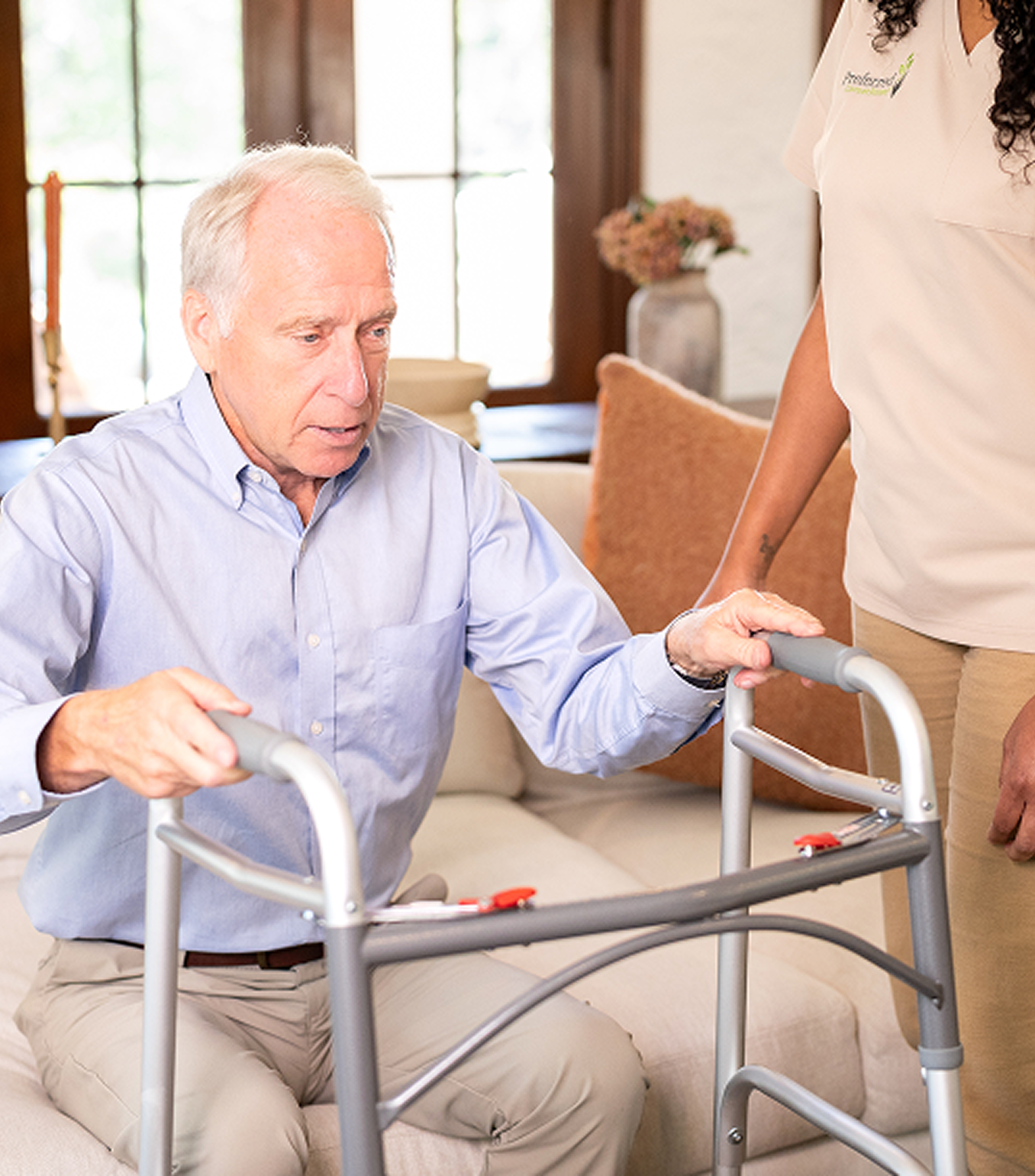
Hands-on help with bathing, dressing, grooming, and safe mobility matters most in Surfside condo bathrooms and multi-story layouts where transfers get tight. Our personal in-home care keeps daily hygiene safe.
A caregiver supports bathing, toileting, incontinence care, and transfers, with meal prep adapted to dietary needs. Dignity comes first on every shift.
Scheduled relief gives family members who’ve been handling most of the care for a parent near the Bal Harbour border a real break. Our homemaker and respite care picks up where you leave off.
Respite shifts run from a few hours to multiple days, handed off to a caregiver who already knows the routines. You step away without worrying how the day is going.
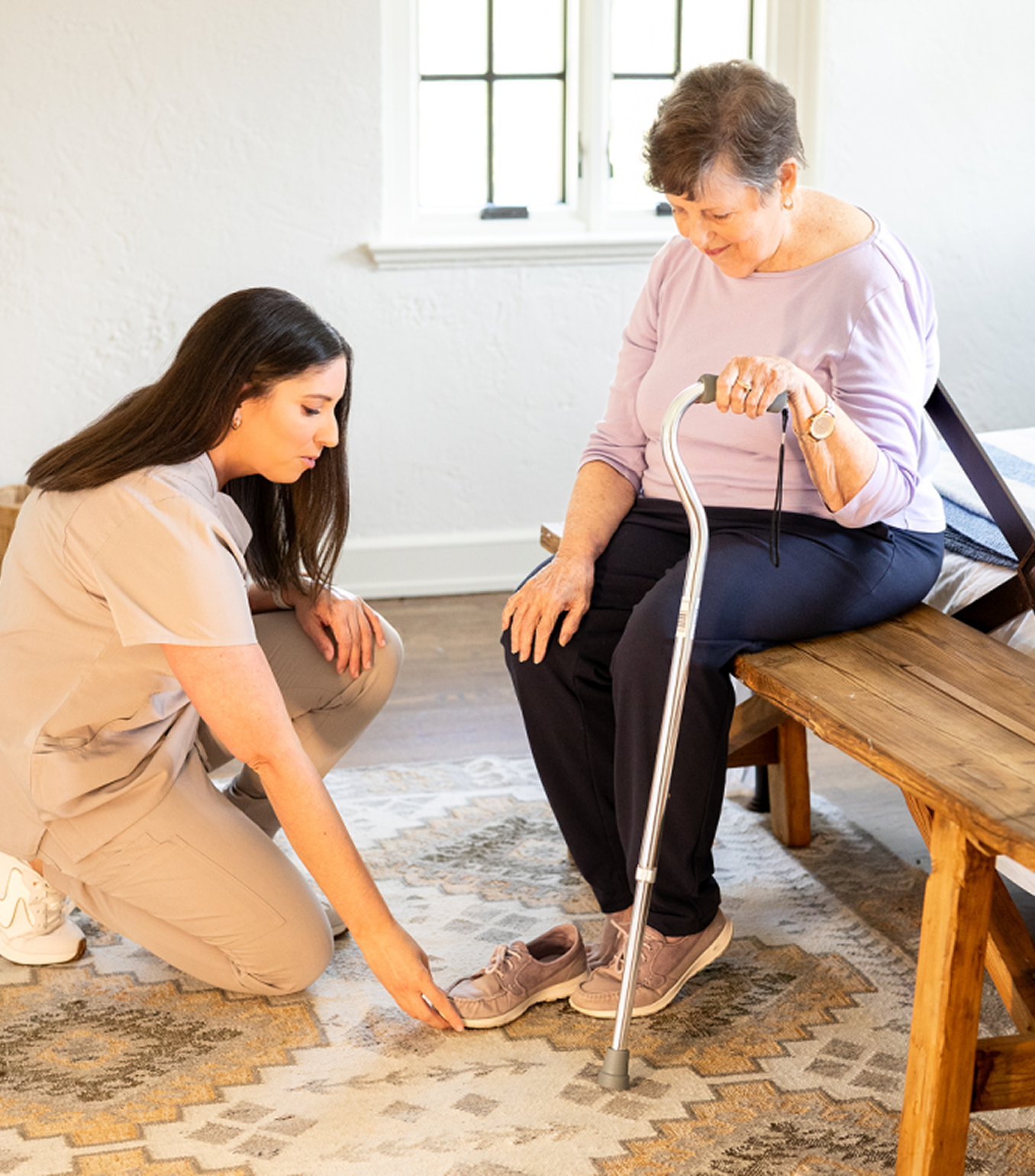

In-home support for memory changes, confusion, and nighttime restlessness works best in familiar beachside surroundings. Our dementia care helps a parent stay where the space is already known.
Caregivers trained in redirection, consistent routines, and safe supervision reduce agitation and keep daily rhythms steady. The goal is to keep your parent at home.
Specialized in-home support carries a parent through every stage of Alzheimer’s, so they stay in their own homes along the Collins Avenue corridor. Our Alzheimer’s care adjusts as the disease moves.
The care plan shifts with progression. We handle behavioral changes, safety checks, and meaningful engagement through reading, music, and shared routines.

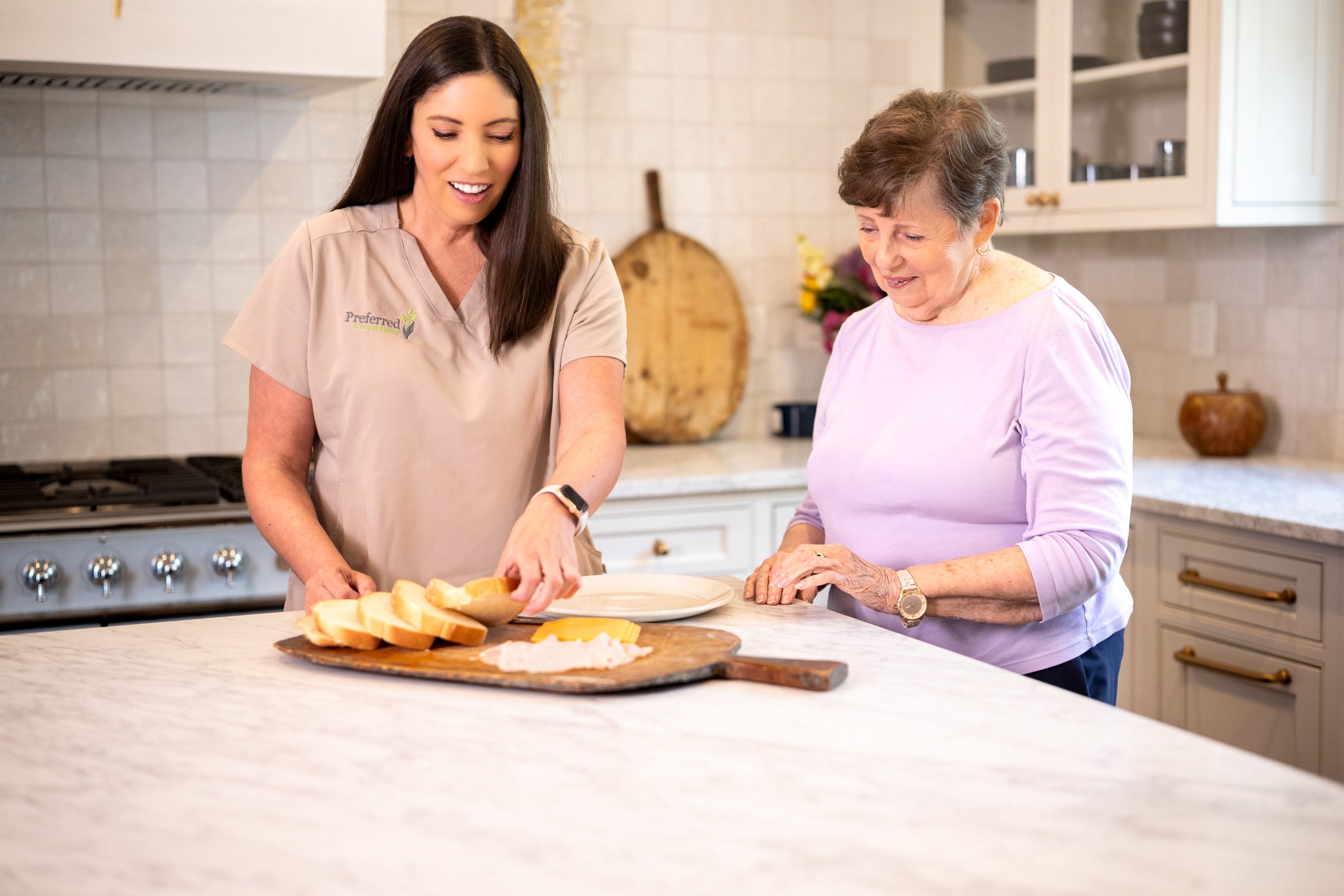
Non-medical support after a Mount Sinai or Aventura Hospital discharge bridges the gap, so recovery happens at home, not in a facility. Our transition care covers the logistics families can’t do alone.
A caregiver reviews discharge instructions with you, coordinates follow-up appointments, and handles meals, errands, and supervision during recovery. Clinical care stays with your medical team.
Around-the-clock support fits a parent who needs continuous presence but wants to stay in their own condo rather than move into a facility. Our live-in care keeps them home.
A caregiver is present day and night, handling personal care, meal routines, mobility assistance, and immediate response if anything shifts. Coverage scales to what your family needs.


Comfort-focused companion care during a parent’s final stage works in coordination with your Miami-Dade hospice team. Our end-of-life care supports the whole family.
Caregivers support dignity, comfort, and family connection during this period. We work alongside the hospice nurse, never in place of licensed medical care.

Preferred Care at Home of Miami Beach is family-owned, serving Surfside from an office on Biscayne Boulevard. Owner David Peterson leads locally. We hold Florida Home Health Agency license #299995236 and Best of Home Care recognition as Employer, Provider, and Leader in Excellence.
Every caregiver passes a 7-step screening process with background checks, reference verification, and personality assessment. If the match isn’t right, we send a different caregiver the next shift at no charge. The Transparency Room portal lets you see the schedule, read daily notes, and send voice messages to the caregiver.
We take a thoughtful, personalized approach to ensure your loved one receives the care they deserve.

Step 01
You call, we listen, and we answer questions. No pressure to decide anything on the first call.

Step 02
We visit the home, meet your parent, and learn routines, health context, and preferences. This assessment guides every decision.

Step 03
Based on personality and care needs, we select a caregiver. If the fit isn’t right, we change it.

Step 04
Regular check-ins, caregiver oversight, and portal access keep your family connected.

Step 05
Every South Beach family’s situation is different. A free phone conversation is the fastest way to know what kind of in-home care fits.
Caring for an elderly parent in a Surfside condo or beachside home surfaces specific pressures that ripple across every part of daily life. Seniors in this area face unique obstacles, and understanding them matters when families search for the right support.
Challenge
What It Looks Like
How We Help
Coastal climate and hurricane season
What It Looks Like
Subtropical heat and hurricane-season disruptions leave elderly residents without backup support when weather closes roads or elevators stall in beachside buildings.
How We Help
We staff Surfside through tough conditions, adjusting schedules so companion and personal care caregivers are there when your parent needs meals, medication reminders, or transfer help.
Challenge
Condo and high-rise living
What It Looks Like
Most homes here are condos or apartments, and narrow bathrooms, elevator dependency, and balcony risks multiply fall hazards for a parent with dementia or limited mobility.
How We Help
Caregivers trained for condo-specific transfers provide personal care, dementia supervision, and wandering protocols built for vertical housing.
Challenge
Service category confusion
What It Looks Like
Florida separates homemaker and companion services, personal care, and Medicare home health into different license categories, so families often hire the wrong type and run into coverage gaps.
How We Help
We clarify which service your family actually needs on the first call, whether that’s companion care, personal care, or transition care after a hospital stay.
Challenge
Treating care as one decision
What It Looks Like
Families think “we need home care” and pick one service, not realizing a parent with memory changes also needs respite relief for the adult child handling weekends.
How We Help
Our care plan layers services: companion weekdays, respite weekends, and personal care or dementia care as needs progress.
Challenge
Post-hospital gap
What It Looks Like
After a discharge from Mount Sinai or Aventura Hospital, the first 48 hours set whether recovery happens at home or a readmission follows, and families stall because they don’t know who to call.
How We Help
Transition care starts within two days, covering discharge instructions, appointment transport, and recovery supervision with a companion caregiver so your loved one gets home steadily.
Challenge
Hiring an individual over an agency
What It Looks Like
A solo caregiver seems cheaper, but when they’re sick or on vacation, there’s no backup, no supervision, and no screening behind the person sitting with your parent overnight.
How We Help
We provide screened caregivers, backup coverage, and supervision on every shift, so live-in care and respite coverage hold even when one person can’t.
We serve Surfside and the surrounding Miami-Dade communities from our Miami Beach office, with caregivers ready across the corridor.
We Serve:
Surfside
Miami Beach
North Miami Beach
North Miami
Miami
South Beach
Preferred Care at Home of Miami Beach is a family-owned franchise of Preferred Care at Home, founded in 1984. We serve Miami-Dade County from 20801 Biscayne Blvd, Suite 403, Miami, FL. We provide non-medical home care, companion support, and hospital-to-home recovery assistance. Florida HHA license #299995236. Best of Home Care: Employer, Provider, and Leader in Excellence.
Yes, we serve Surfside from our Miami Beach office and can start care within two days.
Preferred Care at Home of Miami Beach covers Surfside along with Sunny Isles Beach, Bal Harbour, Aventura, and the broader Miami Beach corridor. Our office is at 20801 Biscayne Blvd, Suite 403. Call us at (786) 284-1188 to start a free phone consultation, and we can often begin care quickly.
We offer eight home care services covering companionship, hands-on personal care, memory support, respite, live-in coverage, and hospital-to-home recovery.
Preferred Care at Home of Miami Beach provides companion and homemaker care for conversation, errands, and meals, plus personal care for bathing and mobility. We offer dementia care and Alzheimer’s care for memory support, respite care for family relief, live-in care for 24-hour coverage, transition care after a hospital stay, and end-of-life comfort care.
It starts with a free phone consultation, then an in-home assessment, a care plan, caregiver matching, and care begins quickly.
You call us, we listen to your situation, and we answer your questions. Next, we visit the home in Surfside to meet your parent and understand daily routines, health context, and preferences. We build a care plan, match a caregiver on personality, and start care, usually within two days of the initial conversation.
Home care covers non-medical daily support, while home health is physician-ordered skilled care delivered by a Medicare-certified agency.
Florida separates these into different license categories. Homemaker and companion services cover housekeeping, errands, and companionship. Personal care adds bathing, dressing, and mobility assistance. Medicare home health is physician-ordered clinical care from a certified agency. We provide the non-medical home care side, including transition care as companion-based recovery support after a hospital discharge.
Yes, dementia care and Alzheimer’s care are core services, with caregivers trained in redirection, supervision, and routines that reduce agitation.
Our caregivers work with consistent routines, safe supervision day or night, and redirection techniques for confusion or wandering. The care plan adjusts as the disease progresses, with meaningful engagement through music, reading, and shared activities. Families use the Transparency Room portal to see the schedule and daily notes from anywhere.
Yes, schedules scale from a few hours a week to 24-hour live-in care, with no long-term commitment required.
Companion and personal care can be scheduled in hourly blocks during the day, at night, or on weekends. Overnight shifts cover sleep-hour supervision for fall or wandering risk. Live-in care places a caregiver in the home continuously for parents who need round-the-clock presence but want to stay in their own condo rather than move to a facility.
An agency typically offers better continuity, because backup staffing, screening, and supervision matter most for 24-hour live-in coverage.
A solo caregiver may look cheaper on paper, but when they’re sick, on vacation, or leaving the role, your family is left without coverage and without anyone checking in. Preferred Care at Home runs every caregiver through a screening process, provides backup coverage on every shift, and supervises the work. If a match isn’t right, we replace the caregiver at no cost.
Cost depends on the service type and hours per week, and pricing is shared during your free consultation; Medicare does not cover non-medical home care.
Companion and homemaker care costs less per hour than personal care, which costs less than live-in care. Scheduling is flexible, from a few hours a week to continuous coverage. Common payment methods include private pay, long-term care insurance, VA Aid and Attendance benefits, and Medicaid where applicable. Ask about transition care if you’re planning a hospital discharge.
Medicare generally covers physician-ordered home health through a Medicare-certified agency, not non-medical home care services.
Preferred Care at Home provides non-medical home care, which Medicare does not typically reimburse. Families fund our services through private pay, long-term care insurance, VA Aid and Attendance for eligible veterans, and Medicaid in qualifying situations. We’ll walk you through the options during the free consultation so you know what fits your family.
Yes, our caregivers are trained in memory support, routines, redirection, and safety for elderly parents living with dementia or Alzheimer’s.
Care at home often works better than a facility move because familiar surroundings reduce anxiety and agitation. Preferred Care at Home builds consistent daily routines, handles gentle redirection, and provides overnight presence when wandering becomes a safety concern. Adult children living elsewhere get Transparency Room updates so they know how each day went.
If your parent needs hands-on help with bathing, dressing, or mobility, personal care is the fit; companion care covers conversation, meals, errands, and supervision.
Companion care suits a parent who is isolated, skipping meals, or struggling with light housekeeping and errands. Personal care adds hands-on help with activities of daily living like bathing, toileting, and transfers. Transition care covers the first weeks after a hospital discharge, handling appointment transport and recovery supervision. A free consultation helps map the right service, and many families start with one level and add another as needs shift.
Popular
Recent