

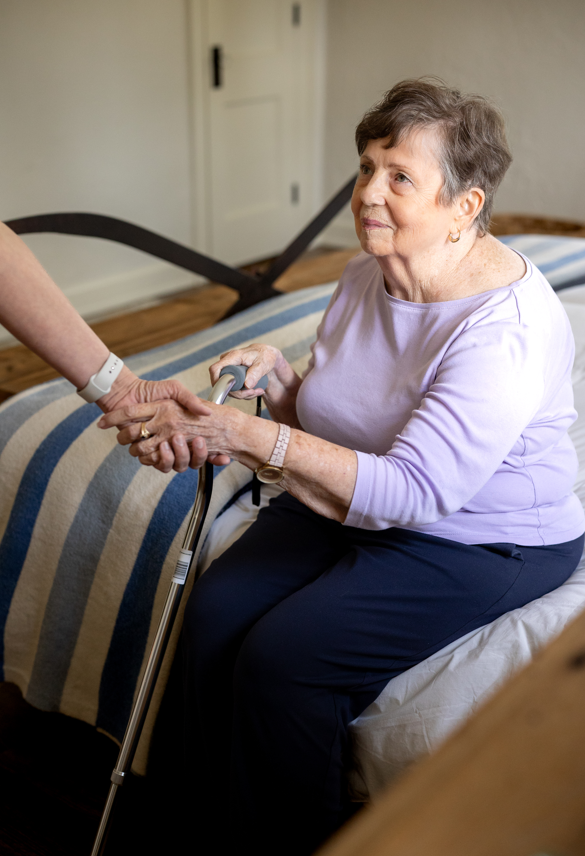

Live-in care provides constant presence without institutional settings, allowing families to fulfill their loved one’s wish to die at home with dignity. Our caregivers stay overnight, respond to immediate needs, and coordinate with hospice nurses to ensure seamless support. For families in Framingham and across MetroWest, this around-the-clock supervision brings irreplaceable peace of mind and security.
Our personality-matched caregivers become trusted companions who understand your family’s routines, cultural preferences, and your loved one’s unique communication needs as their condition changes.
Caring for someone at the end-of-life creates physical and emotional exhaustion. Our respite care gives family caregivers essential breaks to rest, attend doctor appointments, or simply process their anticipatory grief. Throughout the MetroWest and Greater Boston area, we offer bilingual English and Creole caregivers who can step in seamlessly while you recharge.
Respite doesn’t mean abandoning your loved one. It means sustaining your own health so you can be fully present during this difficult time and the days that follow.
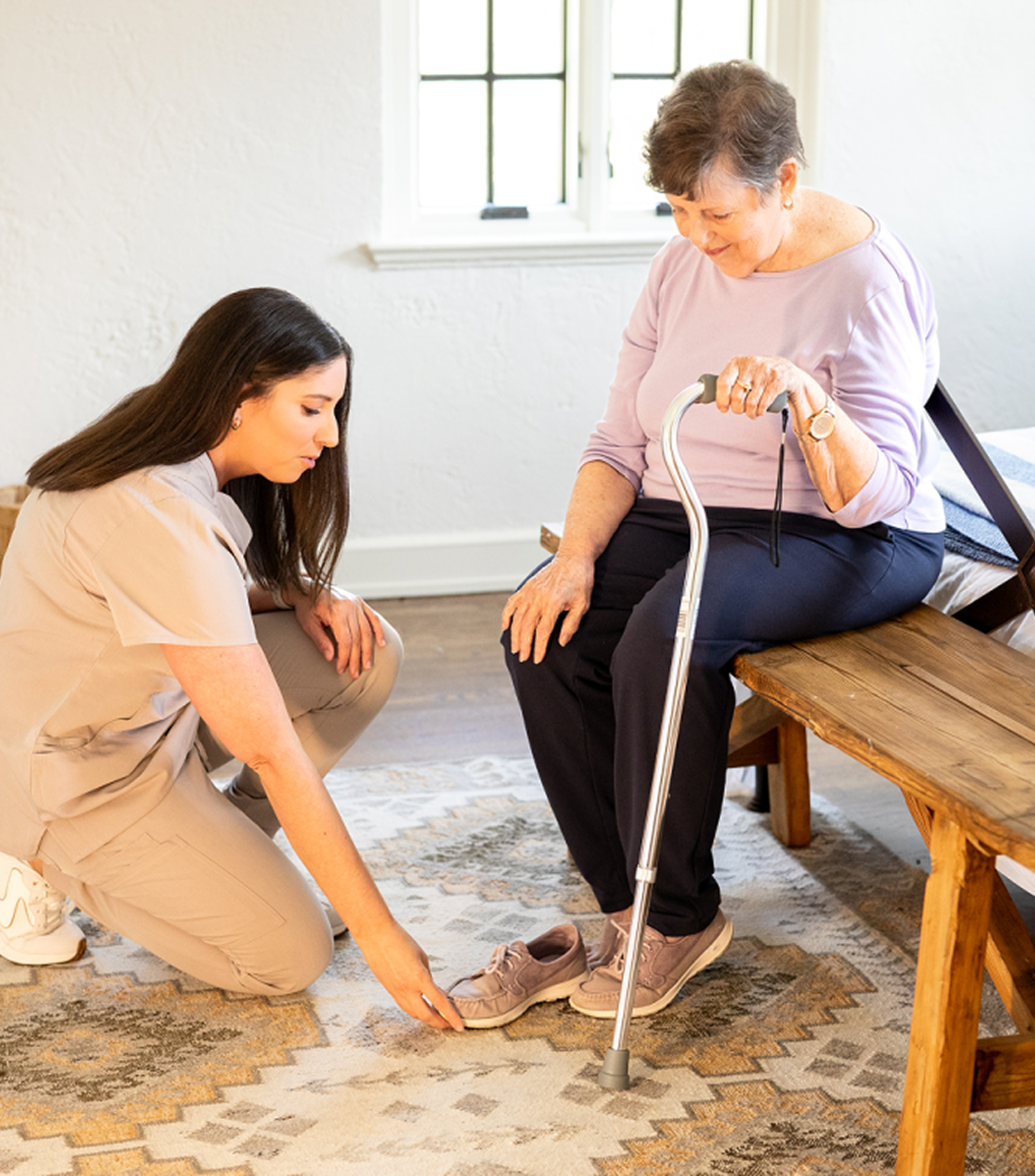
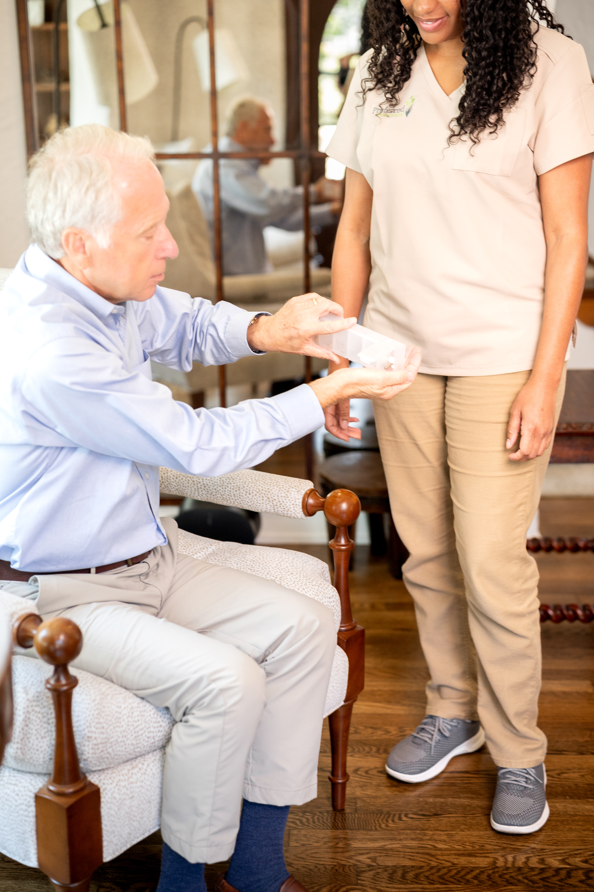
When daily tasks become overwhelming, our homemaker services maintain a peaceful, comfortable home environment. We prepare easy-to-eat meals, handle laundry, manage light housekeeping, and create the calm atmosphere that supports end-of-life moments. Every service provided is designed to maintain comfort and the secure environment your family deserves.
Comfort care extends beyond the person receiving hospice. It includes keeping the home orderly, the refrigerator stocked, and creating space for family gatherings during this sacred time.

Step 01
You’ll speak with our team about your loved one’s current health condition, hospice involvement, and family support needs. We listen carefully to understand your wishes, cultural preferences, and what “a good death” means for your family.

Step 02
We match you with trained caregivers, including certified CNA and HHA professionals, based on personality, language preference (English or Creole), and specialized training in end-of-life support. Our 7-step screening ensures you receive experienced caregivers who can engage meaningfully with your loved one.

Step 03
Working with your hospice team, we create a detailed care plan covering personal care routines, comfort measures, medication reminders, family communication preferences, and emergency protocols.

Step 04
Your caregiver begins service, and family members receive login credentials to our Transparency Room portal. It allows adult children in Boston or across the country to see real-time caregiver notes, schedules, and updates.

Step 05
Care continues for as long as needed, with our team available 24/7 for questions or concerns. After your loved one passes, we provide bereavement resources and remain available to support your family through immediate next steps.
The MetroWest area’s aging population, combined with adult children balancing demanding Greater Boston careers, creates unique challenges for families trying to honor end-of-life wishes at home.
Challenge
What It Looks Like
How We Help
Geographic Distance from Family
What It Looks Like
Adult children working in Boston (30-minute commute) cannot provide 24/7 bedside care while managing careers and their own families.
How We Help
Our live-in caregivers provide constant presence so distant family can visit knowing their loved one is never alone between visits.
Challenge
Insufficient Hospice Coverage
What It Looks Like
Medicare hospice provides medical care but limited hours of aide services, leaving gaps in overnight supervision and continuous companion care patients need.
How We Help
We fill those gaps with 24-hour companion care, working alongside hospice to ensure complete support around the clock.
Challenge
Cultural and Language Barriers
What It Looks Like
The MetroWest area’s diverse population includes families preferring Creole-speaking caregivers who understand cultural end-of-life traditions and can communicate clearly with elderly patients.
How We Help
Our bilingual English and Creole caregivers provide culturally sensitive care that respects family traditions and ensures clear communication during this sacred time.
Challenge
Financial Anxiety
What It Looks Like
Families fear depleting savings on institutional care or cannot afford private-pay 24/7 support for uncertain lengths of time at end-of-life.
How We Help
We accept Long Term Care Insurance to reduce costs significantly, and our live-in care model provides affordable 24-hour support compared to limited hourly coverage options.
Challenge
Family Caregiver Burnout
What It Looks Like
Primary family caregivers experience physical exhaustion and emotional overwhelm trying to provide constant care without breaks, leading to health crises and guilt.
How We Help
Our respite care services give family caregivers scheduled relief to rest, process grief, and maintain their own health through this difficult time.
Challenge
Complex Medical Conditions
What It Looks Like
Seniors diagnosed with Alzheimer’s disease, dementia, multiple sclerosis, diabetes, or other serious illness conditions require specialized expertise families don’t have.
How We Help
Our specialized Alzheimer’s care training prepares caregivers for complex health issues while coordinating with hospice for medical needs.
Celebrating life, dignity and independence.®
Since 1984, the founders of Preferred Care at Home have had the privilege of assisting clients in improving their quality of life while still recognizing and maintaining their dignity and independence. Preferred Care at Home has continued this tradition by only referring the most reliable, compassionate, experienced and affordable caregivers to client’s homes or care facilities.
We understand that long-term care can be costly, which is why we have focused on building a reputation of offering access to quality services at affordable prices.
Ask about the wide range of non-medical services available from 1 to 24 hours per day, and about qualified live-in caregivers who can provide 24-hour peace of mind for you or your loved one.
We Serve:
End-of-life care costs vary based on hours needed and caregiver experience. Live-in care typically ranges $300-400 per day, significantly less than hourly rates for 24-hour coverage. We accept Long Term Care Insurance which can cover substantial portions of non medical services costs, so contact us for a free consultation to discuss your specific situation and insurance benefits.
We combine 40 years of proven expertise with personal commitment to senior dignity:
Experienced and trained caregivers, including CNA/HHA professionals, with specialized end-of-life training
Bilingual English and Creole support for diverse families
Long Term Care Insurance acceptance for affordability
Seamless hospice coordination filling gaps Medicare doesn’t cover
Transparency Room technology for distant family monitoring
Local ownership understanding MetroWest and Greater Boston community needs
Hospice focuses on comfort when life expectancy is six months or less and curative treatment has stopped. Palliative care services can begin at any stage of serious illness, even alongside curative treatments, to manage pain and symptoms. Many seniors receive palliative care before transitioning to hospice as their condition progresses, and we help coordinate with both to ensure your mother gets the support she deserves.
Most families begin care within 24 to 48 hours of initial contact. For urgent situations (recent hospice admission, hospital discharge, family crisis), we can often arrange same-day placement with available caregivers. Our MetroWest team keeps experienced caregivers ready for these time-sensitive needs so you can expect prompt assistance.
Signs include frequent falls, inability to safely move without assistance, difficulty swallowing medications, confusion or agitation at night, hospice recommendation for continuous care, and family caregiver exhaustion. If your loved one’s safety or comfort is at risk when alone, or if you’re making multiple daily visits, 24-hour support typically becomes necessary for peace of mind.
Yes. We provide bereavement resources, connect families with grief support services, and remain available to answer questions about the immediate next steps. Many families continue relationships with caregivers who became trusted companions during this difficult time, and our team understands anticipatory grief and the unique needs of those left behind
Hospice provides medical care (nurses, doctors, pain medications) focused on comfort rather than cure, typically when life expectancy is six months or less. Home care provides non medical services (personal care, companionship, homemaker assistance) that hospice doesn’t cover. We partner with hospice teams across MetroWest and Greater Boston, filling gaps in 24-hour supervision and activities of daily living that Medicare hospice benefits don’t fully address.
Hospice provides medical care (nurses, doctors, pain medications) focused on comfort rather than cure, typically when life expectancy is six months or less. Home care provides non medical services (personal care, companionship, homemaker assistance) that hospice doesn’t cover. We partner with hospice teams, filling gaps in 24-hour supervision and activities of daily living that Medicare hospice benefits don’t fully address.
Absolutely. Our specialized Alzheimer’s care training prepares caregivers for the unique challenges dementia creates at end of life, including agitation, sundowning, difficulty swallowing, and communication barriers. We use gentle redirection, maintain familiar routines, and create calm environments that reduce anxiety for those diagnosed with cognitive decline.