
Personal In-Home Care Chattanooga Families Rely On
Preferred Care at Home of Chattanooga provides licensed, compassionate home care across Hamilton County and southeast Tennessee. The office is led locally by Bill Tobin and accepts TennCare CHOICES, ECF CHOICES, VA benefits, and long-term care insurance. Caregivers are matched by personality, not availability, and care starts within days.
- Experienced and trained caregivers, including CNA/HHA professionals
- Bilingual support in English and Spanish
- Flexible schedules from one to twenty-four hours
- Experienced and trained caregivers, including CNA/HHA professionals
- Bilingual support in English and Spanish
- Flexible schedules from one to twenty-four hours
Why Choose Us for Personal In-Home Care in Chattanooga?
Preferred Care at Home of Chattanooga is owned and operated by Bill Tobin and his local team from offices at 1400 McCallie Avenue. We hold Tennessee Personal Support Services Agency license #L000000038642. Preferred Care at Home was founded in 1984. Proud and passionate about senior care across southeast Tennessee, the Chattanooga office ranks among the highest-performing franchises in the national network and has been recognized with the Pinnacle Award.
Caregivers are screened through our 7-step process: background checks, registry verification, skills assessment, personality evaluation, multi-touchpoint interview, training validation, and ongoing monitoring. Caregivers are matched by personality and life experience, not just availability — so the same person comes back each visit. We accept TennCare CHOICES, ECF CHOICES, VA Benefits, and Long-Term Care Insurance. Tennessee PSSA License #L000000038642.
Our Personal In-Home Care Services in Chattanooga
Personal care at Preferred Care at Home of Chattanooga covers every activity of daily living — bathing, dressing, grooming, mobility transfers, toileting, and medication reminders. Care plans are built from a home assessment. Caregivers are matched by personality and life experience. Hours scale from one hour up to 24 per day based on your parent’s needs, and TennCare CHOICES, VA benefits, and long-term care insurance are all accepted.
Personal Care
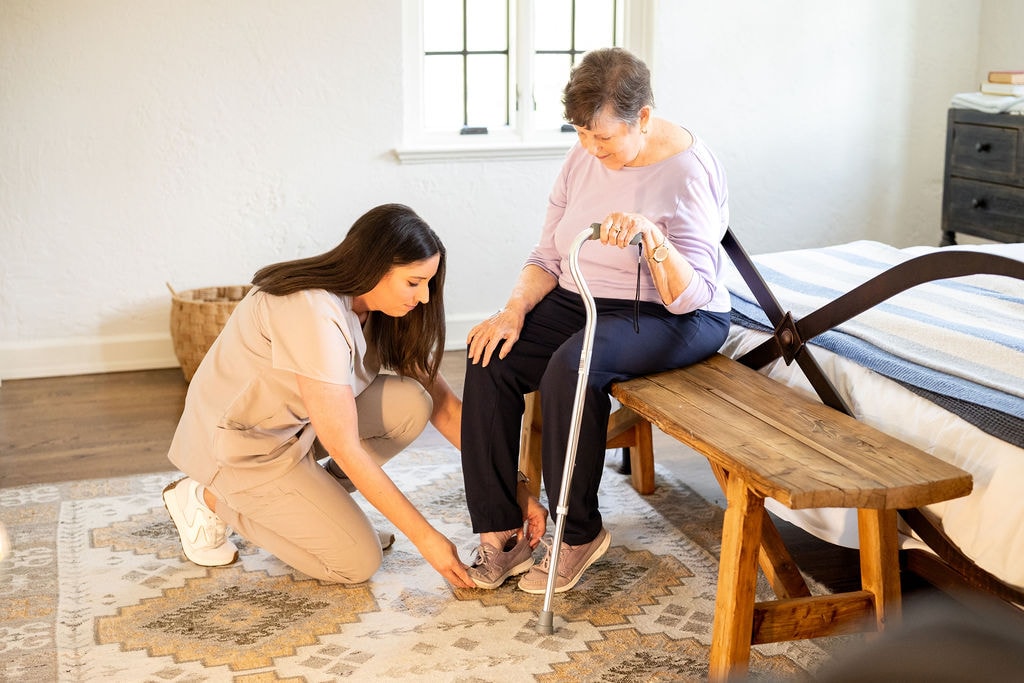
Personal Care covers hands-on help with bathing, dressing, grooming, mobility transfers, toileting, and medication reminders for elderly parents in Chattanooga who can no longer manage these tasks alone. Mobility support, transfer help between bed and chair, and overnight assistance with toileting target the exact moments most household injuries happen. This service matters for seniors who want to remain at home with independence and without the constant worry of falls or missed medication doses.
Highlights:
- Care from 1 hour to 24 hours per day
- Matched by personality and life experience
- Customized care plans reviewed regularly
Companion Care
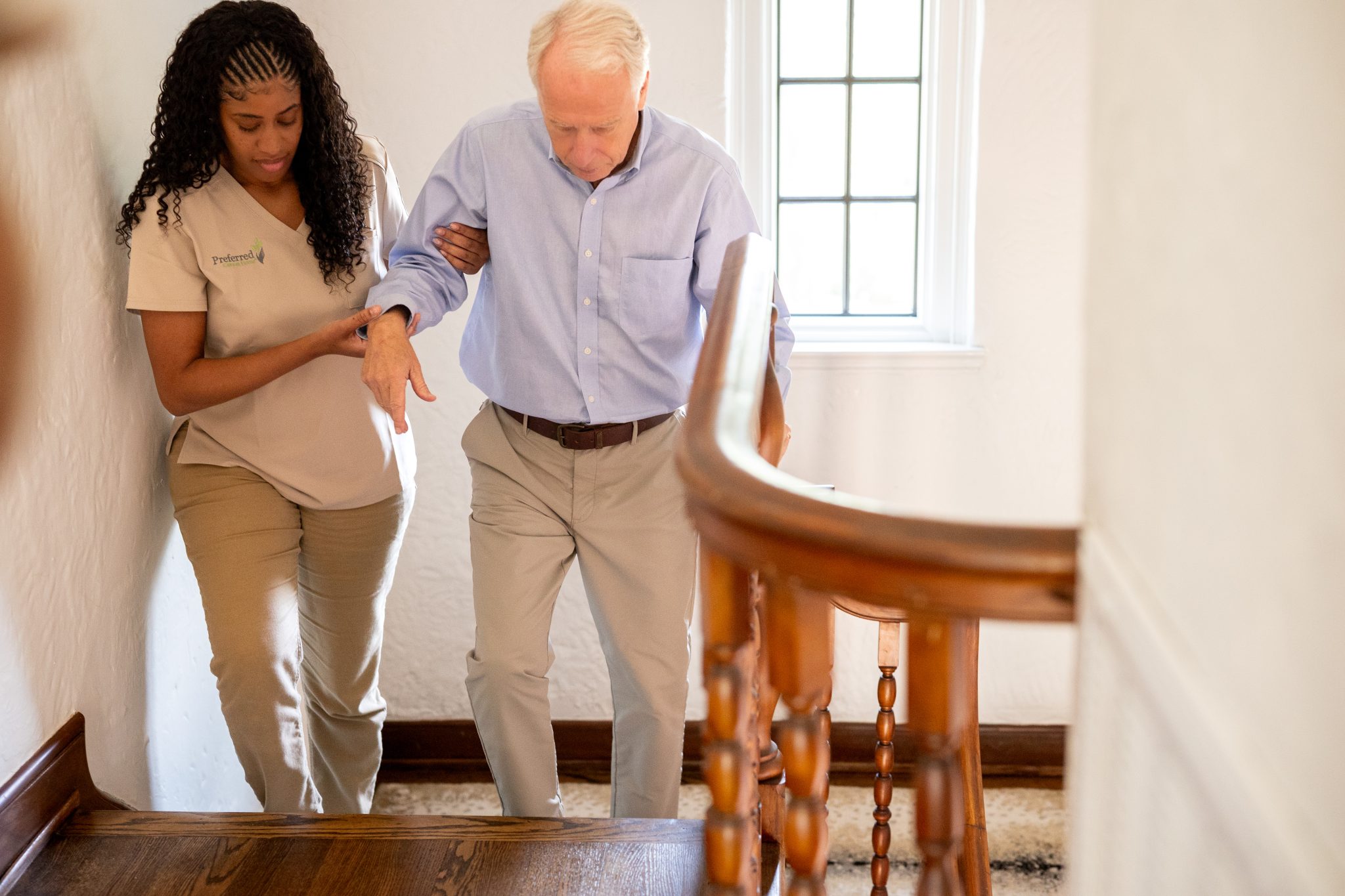
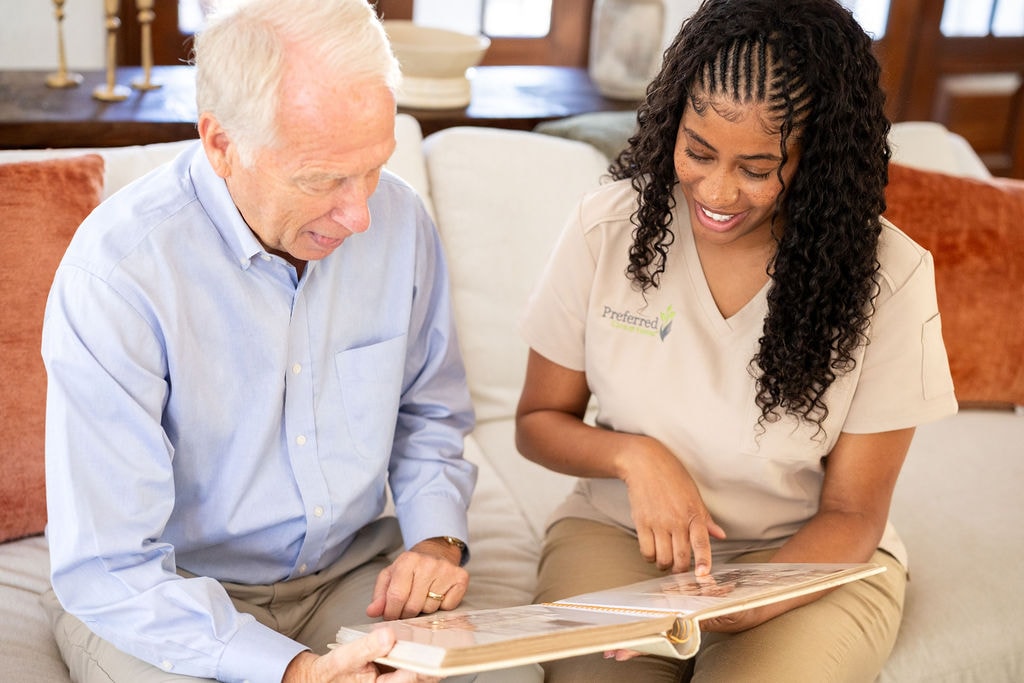
Companion Care provides conversation, social engagement, and accompaniment to appointments for elderly parents across Hamilton County who are alone too much of the week. Isolation affects the well-being of seniors who have lost spouses or whose family lives out of state. Compassionate caregivers matched by personality make visits feel like a friend dropping by, not a service call. Visits are scheduled around your week, and the same caregiver returns each time whenever possible.
Highlights:
- Visits scheduled around your week
- Same caregiver each visit when possible
- Includes errands and appointment rides
Homemaker Care
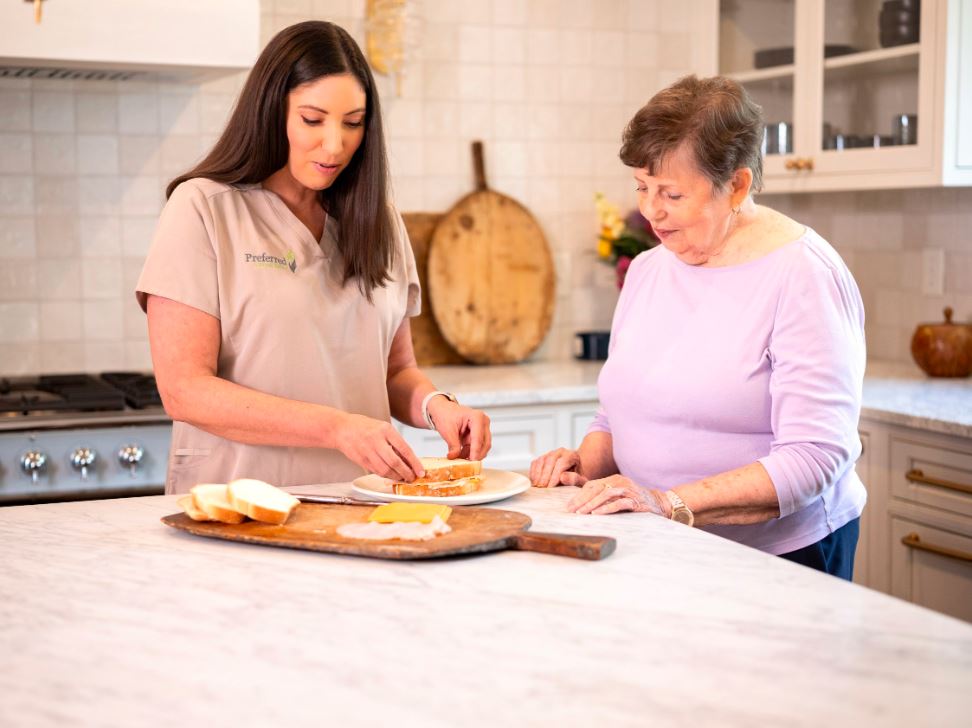
Homemaker Care covers light housekeeping, meal prep, laundry, and grocery runs that keep a parent’s house safe and functional when they cannot manage the upkeep alone. Many homes in the area have original bathrooms and stair layouts that make independent housekeeping risky as mobility declines. Caregiver visits include cleaning routines you choose, meals planned around dietary needs such as diabetes-friendly options, and errands run while your parent stays comfortable at home.
Highlights:
- Meal planning around dietary needs
- Light housekeeping every visit
- Grocery and pharmacy errands included
24-Hour Replacement Care
Around-the-clock home care provides continuous supervision for a parent who can no longer be left alone overnight. Caregivers rotate in shifts so supervision never lapses — two or more caregivers cover shifts and each is briefed on the care plan. This service matters for families managing dementia, fall risk, or recovery needs where nighttime gaps create safety concerns. Backup coverage is always built into the schedule. Schedule a free consultation today.
Highlights:
- Continuous shift-based coverage
- Backup caregiver always assigned
- Briefings handed off shift to shift
Dementia and Alzheimer's Care
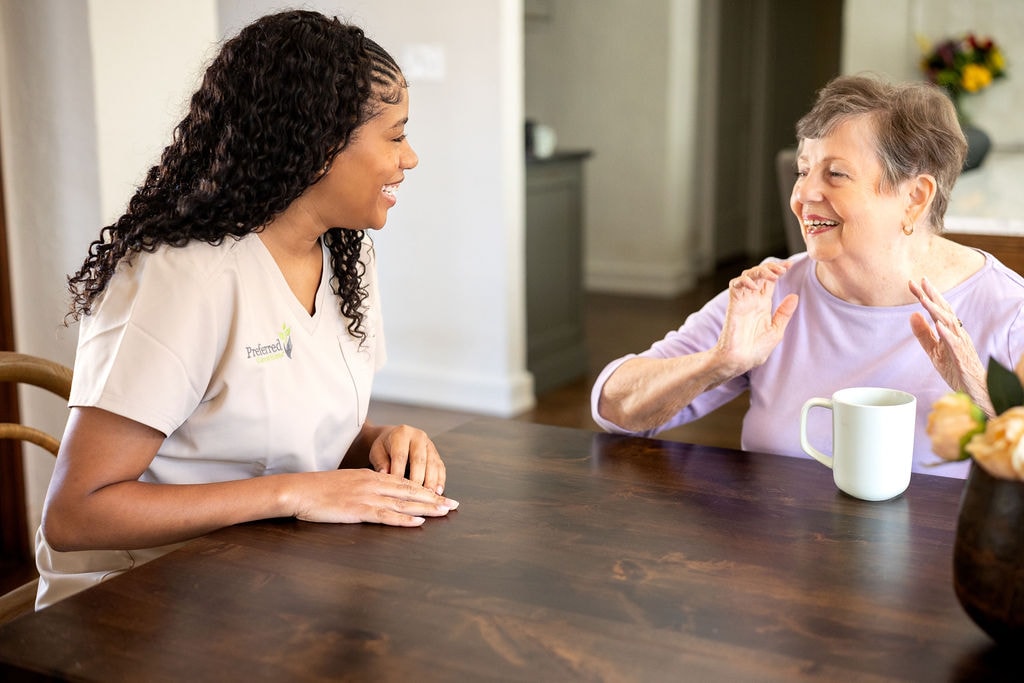
Memory care at home supports a parent showing cognitive decline, where familiar surroundings reduce confusion and behavioral triggers. Caregivers approach memory loss with patience, compassion, and respect for the person your parent still is — built around routine, safety, and connection. Caregivers trained in dementia routines work with families to manage behavioral changes. The Alzheimer’s Association partnership provides ongoing training, and family education is part of every care plan.
Highlights:
- Caregivers trained in dementia routines
- Alzheimer's Association partnership
- Family education and behavioral support
Transition Care
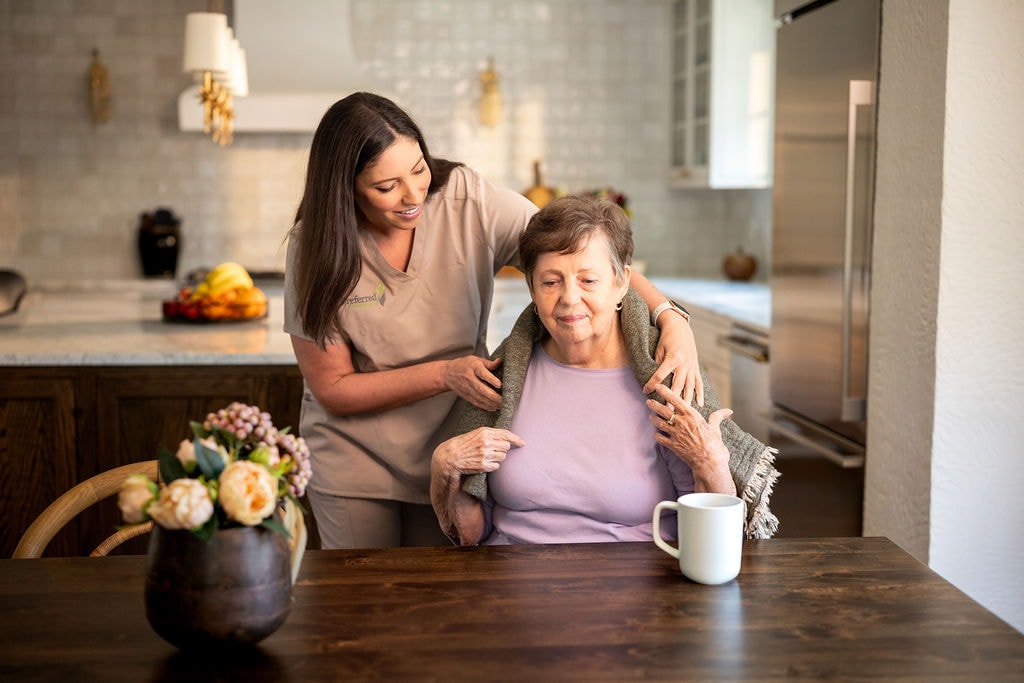
Transition Care delivers hospital-to-home recovery support after a stay at Erlanger, CHI Memorial, or Parkridge. This service is built to reduce the chance of readmission by covering medication reminders, appointment scheduling, and recovery monitoring during the first weeks home. Caregivers coordinate with your discharge plan, recovery monitoring continues during the first 30 days, and doctor appointment scheduling and rides are included.
Highlights:
- Active with Erlanger and CHI Memorial discharges
- Recovery monitoring during first 30 days
- Doctor appointment scheduling and rides
What To Expect: Our Personal Care Process

Step 01
You Call or Email
You reach out at (423) 531-8696 or by email. We respond the same day, listen to what your parent needs, and schedule a free in-home consultation.

Step 02
We Visit for an In-Home Assessment
We meet with you and your loved one at home to understand their needs, daily preferences, the home layout, and the household routine — before anything is scheduled.

Step 03
We Build Personalized Care Plans
Together we set the schedule, identify the specific ADL support needed, and confirm the payment pathway — private pay, TennCare CHOICES, VA benefits, or LTC insurance.

Step 04
We Match the Right Caregiver
We assign a caregiver based on personality, life experience, and the care plan — not just who is open on the schedule. Every caregiver passes our 7-step screening process.

Step 05
Care Begins and You Stay Informed
Care starts. You monitor visits, notes, and tasks through the Transparency Room portal from anywhere — so out-of-state family members stay in the loop without phone tag.
Common Personal Care Challenges in Chattanooga
Personal care across Hamilton County runs into specific household, regulatory, and timing realities that families managing it informally often miss until something breaks.
Challenge
What It Looks Like
How We Help
Challenge
What It Looks Like
Bathing and mobility transitions are where most household falls happen, and family members managing transfers alone often lack the training to reduce risk during the highest-danger moments.
How We Help
Caregivers handle bathing and mobility transfers using assessed safety steps, and after-hours coverage closes the overnight window when fall risk is highest.
Challenge
What It Looks Like
Description
Many homes across Hamilton County have original bathrooms and stair layouts that make independent bathing and second-floor sleeping risky as mobility declines.
How We Help
Caregivers structure bathing routines around the actual bathroom layout and adapt meal prep and laundry tasks to reduce stair use throughout the day.
Challenge
What It Looks Like
Description
Tennessee licenses personal support services agencies under state law and requires registry-based background checks before direct patient care hiring. Informal arrangements bypass these safeguards.
How We Help
Preferred Care at Home holds Tennessee PSSA license #L000000038642 and screens every caregiver through our 7-step process, including registry checks and skills assessment.
Challenge
What It Looks Like
Description
Families assume Medicare covers personal care because it covers some home health, then discover after a hospital stay that bathing, dressing, and reminders are not paid for by Medicare.
How We Help
We explain non-medical personal care up front, document services clearly, and coordinate with skilled providers when both are needed simultaneously.
Challenge
What It Looks Like
Description
Post-fall and post-hospitalization starts mean fewer scheduling options and rushed caregiver choices for families across Hamilton County, and informal arrangements often crack first under that pressure.
How We Help
Care can start with one hour a day and scale, so families do not have to choose between waiting and overcommitting before they know what fits their parent’s needs.
Challenge
What It Looks Like
Description
Families compare hourly rates across providers without asking how caregivers are screened or whether medication assistance training is documented under Tennessee rules.
How We Help
We document our 7-step screening, registry checks, and medication assistance training, and we match caregivers by personality rather than first available on the schedule.
Local Services Throughout the Chattanooga Area
Celebrating life, dignity and independence.®
Since 1984, the founders of Preferred Care at Home have had the privilege of assisting clients in improving their quality of life while still recognizing and maintaining their dignity and independence. Preferred Care at Home has continued this tradition by only referring the most reliable, compassionate, experienced and affordable caregivers to client’s homes or care facilities.
We understand that long-term care can be costly, which is why we have focused on building a reputation of offering access to quality services at affordable prices.
Ask about the wide range of non-medical services available from 1 to 24 hours per day, and about qualified live-in caregivers who can provide 24-hour peace of mind for you or your loved one.
We Serve:
- Apison
- Athens
- Cleveland
- Collegedale
- East Ridge
- Georgetown
- Harrison
- Lookout Mountain
- Lookout Valley
- Middle Valley
- Ooltewah
- Signal Mountain
- Snow Hill
- Soddy Daisy
- Walden
Frequently Asked Questions About Personal Care in Chattanooga
Does Preferred Care at Home serve families in Chattanooga?
Yes. Preferred Care at Home of Chattanooga is a Tennessee-licensed personal care provider serving Hamilton County and southeast Tennessee.
Preferred Care at Home of Chattanooga serves families across the 15-community service area, including Signal Mountain, Lookout Mountain, Ooltewah, Collegedale, and Cleveland. Our office is led by Bill Tobin at 1400 McCallie Avenue, Suite 220. We stay committed to quality home care Chattanooga families can rely on, with professional caregivers screened through our 7-step process. To start, call (423) 531-8696 or contact our office.
What personal in-home care services does Preferred Care at Home offer in Chattanooga?
We offer personal care, companion care, homemaker care, around-the-clock coverage, dementia care, transition care, and end-of-life support.
Our office provides personal care (bathing, dressing, mobility, medication reminders), memory care at home, companion care, homemaker care, 24-hour coverage, and transition care after hospital stays. Preferred Care at Home accepts TennCare CHOICES, VA benefits, and long-term care insurance.
How does the personal in-home care process work in Chattanooga?
We start with a phone call, schedule a home consultation, match a caregiver by personality, and care can begin within days.
You call or email to describe what your parent needs. We visit your parent at home to assess daily needs, safety, and family preferences. We match a caregiver by personality and write a care plan you can adjust anytime. Care starts on your schedule, and you monitor visits through the Transparency Room portal. Hours run from one hour per day up to 24 hours.
How much does personal in-home care cost in Chattanooga, TN?
Personal care costs vary by hours per week, care complexity, and payment pathway. Preferred Care at Home accepts TennCare CHOICES, VA benefits, and long-term care insurance.
Actual costs depend on the number of hours per week, the level of ADL support needed, and the caregiver match. Our office accepts TennCare CHOICES, ECF CHOICES, VA benefits (Aid and Attendance, VA Community Care, and the Guide Program), long-term care insurance with claims support, and private pay. Contact us for a consultation to discuss what fits your situation.
What is the difference between personal in-home care and home health care?
Personal in-home care is non-medical help with daily living tasks. Home health care delivers skilled clinical services like physical therapy through a Medicare-certified provider.
Personal in-home care covers non-medical support: bathing, dressing, mobility help, meal prep, and medication reminders. Home health care is clinical and typically Medicare-certified through a separate category of provider. Preferred Care at Home of Chattanooga does not provide skilled care. We refer families who need it to appropriate medical providers.
What should I ask a home care agency before hiring?
Ask about Tennessee licensure, registry-based background checks, medication assistance training, backup coverage, and how caregivers are matched to your loved one.
Ask any agency for its Tennessee PSSA license number, how it runs registry-based background checks before hire, whether medication assistance training is documented, how backup coverage works when a caregiver is unavailable, and how caregivers are matched. Tennessee Code § 52-2-420 requires personal support services agencies to be licensed. Preferred Care at Home documents all of these — clients deserve clear answers before making a decision.
Are caregivers background checked?
Yes. Tennessee requires registry-based background checks against the sex offender and abuse registries before any direct-care worker is hired.
The Tennessee Department of Health requires registry-based background checks against the sex offender registry and abuse registry before direct patient care hiring. Preferred Care at Home of Chattanooga runs every caregiver through this requirement plus our 7-step screening process, which includes reference verification, skills assessment, and personality evaluation for matching.
Do I need an agency or a private caregiver?
An agency carries the screening, supervision, payroll, and backup coverage. Private hire works only when families are prepared to manage all of that themselves.
A licensed agency handles registry-based background checks, training, supervision, scheduling, payroll, and replacement caregivers when someone is out. A private-hire caregiver shifts all of that to the family, including taxes and gap coverage. Tennessee licenses personal support services agencies under Tennessee Code § 52-2-420, which does not apply to private hires.
Can home care help with bathing and dressing?
Yes. Bathing assistance, dressing, grooming, toileting, mobility, and transfers are core parts of personal in-home care.
Personal in-home care covers all activities of daily living, including assistance with bathing, dressing, grooming, toileting, and transfers between bed, chair, and bathroom. Caregivers also provide medication reminders and meal help. Support ranges from verbal prompts to comprehensive physical assistance, depending on the care plan built during the in-home assessment.
How quickly can care start after a hospital stay?
Timing depends on the assessment and care plan. Many families coordinate care during discharge planning at Erlanger, CHI Memorial, or Parkridge.
Care starts after an in-home assessment, personalized care plans, and caregiver matching. Preferred Care at Home of Chattanooga regularly coordinates with discharge planners at Erlanger Health System, CHI Memorial Hospital, Parkridge Health System, Encompass Health Rehabilitation, and Siskin Hospital so that hands-on help is in place when the patient comes home.