
Trustworthy Homemaker and Respite In-Home Care in Chattanooga
You’re the one covering nights, refilling prescriptions, and answering every phone call about your parent or spouse. The sleep, the errands, the work hours, the mental quiet — all of it has been quietly disappearing for months. Preferred Care at Home steps in with screened caregivers, matched by personality, who cover hours, overnights, or short-term stretches in your loved one’s own home. Tennessee PSSA License #L000000038642.
- Experienced and trained caregivers, including CNA/HHA professionals
- Bilingual support in English and Spanish
- Flexible schedules from one to twenty-four hours
- Experienced and trained caregivers, including CNA/HHA professionals
- Bilingual support in English and Spanish
- Flexible schedules from one to twenty-four hours

Why Choose Preferred Care at Home for Respite Care in Chattanooga?
Preferred Care at Home of Chattanooga is built for the working family caregiver who needs scheduled relief, not generic backup. The office is recognized as a top-performing Preferred Care at Home franchise nationally. The six-member administrative team brings more than 110 years of combined experience caring for older adults. The Chattanooga office opened in 2022 and serves Hamilton County and the broader southeast Tennessee region.
Asking for scheduled help is not failure — it is what keeps you able to keep showing up. Caregivers are matched by personality and life experience, not just availability, so the same face shows up week after week. The Transparency Room portal lets out-of-state family members monitor every visit, note, and task in real time. Tennessee PSSA License #L000000038642. TennCare CHOICES, ECF CHOICES, VA Benefits, and Long-Term Care Insurance accepted.
How Respite and Homemaker Care Works in Chattanooga
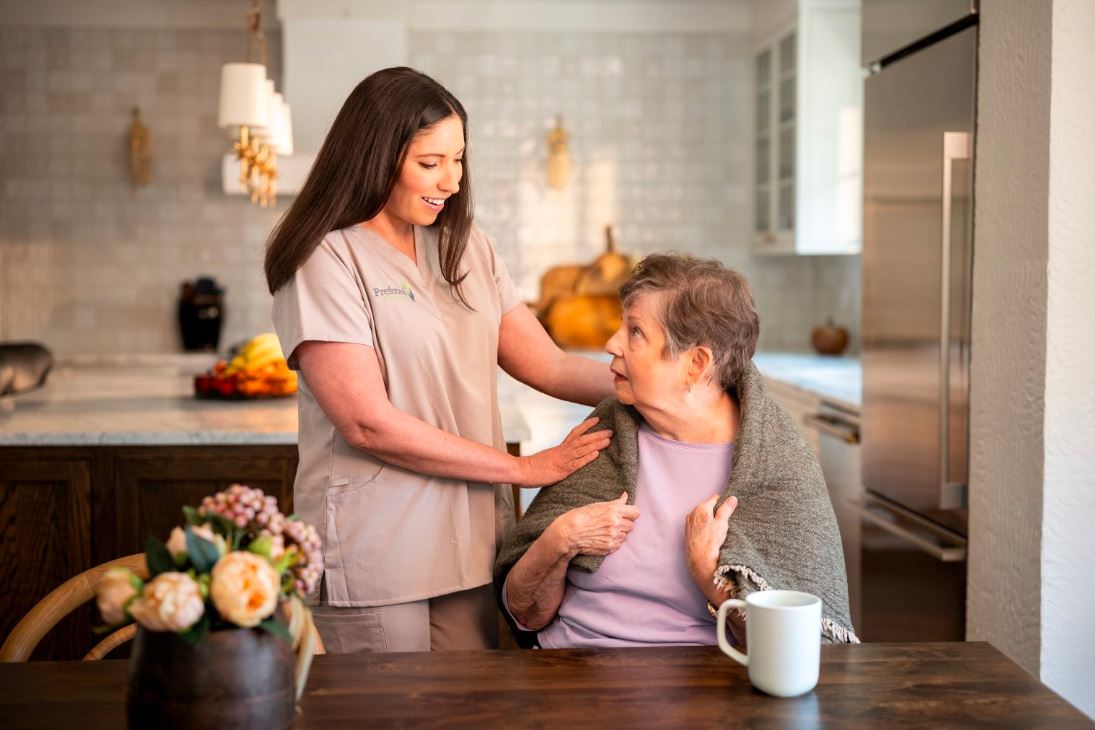
In-home respite is a scheduled break from caregiving duties handled by a trained caregiver who comes to the home. Your loved one stays in their own bed, kitchen, and routine. During a respite visit, a caregiver handles bathing and grooming, dressing, mobility support, medication reminders, meal preparation, light housekeeping, companionship, and safety supervision. Many families combine personal care and companion care tasks in the same visit. Scheduling runs from one hour up to 24-hour coverage — recurring weekday blocks, a single overnight, or a multi-day stretch when you need to travel.
Relief That Fits Around Your Job and Life
According to the Caregiving in the US 2025 Tennessee profile, 59% of family caregivers in Tennessee work while caregiving. That makes scheduled relief — not crisis backup — what most families actually need. Flexible care options let you book hourly weekday blocks, a fixed overnight, or recurring weekend coverage. In-home care that bends around work schedules protects both your job and your loved one’s well-being.
Highlights:
- Hourly, overnight, or multi-day blocks
- Bends around work and life schedules
- 59% of TN caregivers also hold a job

Recovery Time Before Burnout Sets In
Regular respite blocks keep the primary caregiver from running out of bandwidth. Waiting until exhaustion forces a facility decision is the harder, more expensive path. A much-needed break protects your well-being before the load becomes unsustainable. Scheduled respite — not reactive help — is what extends the ability to keep caregiving over months and years instead of weeks.
Highlights:
- Scheduled relief before burnout
- No long-term contracts
- Scales as needs change

Continuity Without Moving Your Loved One
Your loved one stays in their own home, with their own bed, their own food, and the routines that hold their day together. Caregivers are matched by personality and life experience so the same face shows up week after week. That familiarity matters most for seniors living with memory loss and helps preserve dignity and independence. Home care built around personality matching creates trust that facility rotations can’t replicate.
Highlights:
- Same caregiver returns each visit
- Familiar routines preserved at home
- Familiarity reduces dementia agitation

Documented, Verifiable Care
Family members — including out-of-state adult children — can view schedules, caregiver notes, and visit confirmation through the Transparency Room portal. The portal turns “how is Mom doing?” into a question with a real answer. Visit-by-visit documentation also helps when coordinating with doctors or long-term care insurance. Schedule a free consultation today.
Highlights:
- Transparency Room portal visibility
- Out-of-state family can monitor visits
- Visit notes help coordinate with doctors

Dementia and Memory Care Respite
Memory loss adds supervision needs that compound caregiver fatigue faster than any other condition. A respite caregiver experienced in dementia care can stay with your loved one so you can sleep, work, or step out. The Chattanooga office partners with the Alzheimer’s Association on memory care training — caregivers understand wandering, sundowning, and communication changes specific to Alzheimer’s and dementia stages.
Highlights:
- Alzheimer's Association partnership
- Trained in wandering and sundowning
- Familiar faces reduce disruption
Homemaker Care and Household Support
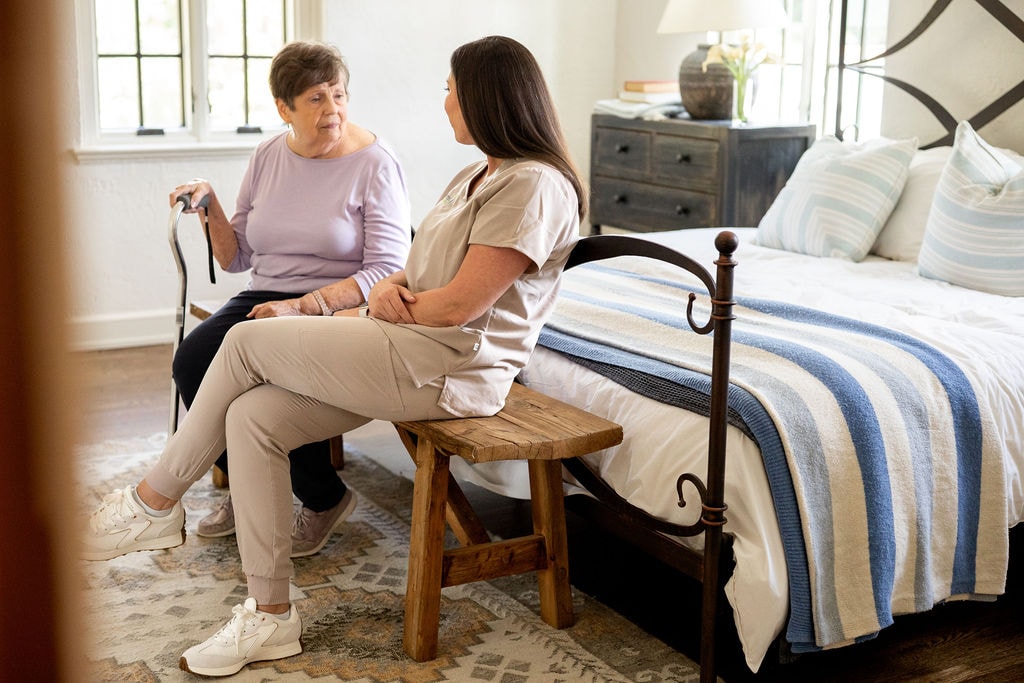
Homemaker Care covers light housekeeping, meal preparation, laundry, and grocery runs that keep the household safe and functional when your loved one cannot manage the upkeep alone. Meal planning adapts to dietary needs — including diabetes-friendly menus. Grocery runs, pharmacy pickups, and linen changes keep daily life moving without requiring your loved one to overexert during recovery or in daily routines. TennCare CHOICES, VA Benefits, and Long-Term Care Insurance are all accepted.
Highlights:
- Meal prep and light housekeeping
- Grocery and pharmacy runs
- Dietary plans including diabetes-friendly
What To Expect: Our Respite Care Process in Chattanooga

Step 01
Initial Contact
Call (423) 531-8696 or email billtobin@preferhome.com to start the conversation. No forms, no wait — just a real discussion about what you need.

Step 02
Consultation and Assessment
We sit down with you to understand your loved one’s specific needs, routines, and the kind of relief you actually need. This assessment shapes the care services we recommend.

Step 03
Care Plan Development
Together we build a respite care plan that fits around your work, sleep, and other responsibilities. Flexible scheduling options let you choose hourly blocks, overnights, or multi-day coverage — and payment pathway is confirmed at this stage.

Step 04
Caregiver Matching
Your caregiver is matched by personality, life experience, and care background — not just availability. Every caregiver clears our 7-step screen before any visit begins. Personality matching creates trust and continuity, especially for seniors who need familiar faces.

Step 05
Care Begins — You Stay Informed
Your caregiver arrives on schedule, and you monitor every visit through the Transparency Room portal from anywhere. Care services start with clear communication and documented visits that you can share with doctors or insurers.
Who Needs Respite Care in Chattanooga?
Most respite searches come from people in one of these recurring situations. The sooner scheduled relief starts, the longer the caregiving relationship stays sustainable.
Situation
What It Looks Like
How We Help
Situation
What It Looks Like
You are caring for a parent with dementia. Memory loss adds supervision needs that compound caregiver fatigue — sundowning, wandering, and repetitive questions extend the day well past work and household hours.
How We Help
Caregivers trained in dementia-specific behaviors and our Alzheimer’s Association partnership mean your loved one gets consistent, familiar support while you step away with confidence.
Situation
What It Looks Like
Description
A hospital discharge from Erlanger, CHI Memorial, Parkridge, Encompass Health, or Siskin just landed in your lap — weeks of close supervision, discharge instructions, medication changes, and follow-up appointments on top of everything else.
How We Help
Respite during the first 30 days through Transition Care reduces readmission risk and gives you breathing room when discharge instructions feel like a second full-time job.
Situation
What It Looks Like
Description
You are working a full-time job and caregiving simultaneously. The calendar math stops working before anyone admits it — 59% of Tennessee family caregivers also hold a paying job, per the Caregiving in the US 2025 Tennessee profile.
How We Help
Hourly weekday respite covers the gap when family backup isn’t available — anchoring recurring blocks around your work hours so your job and your caregiving relationship both stay intact.
Situation
What It Looks Like
Description
An adult sibling or spouse lives with a disability. Adults with intellectual and developmental disabilities benefit from caregivers familiar with their routines, communication, and safety needs — not just general senior care.
How We Help
The Chattanooga office supports families through the Chattanooga CLEAR Initiative partnership and accepts ECF CHOICES for eligible adults — giving the primary family caregiver scheduled, qualified relief.
Situation
What It Looks Like
Description
Families are confused about whether TennCare CHOICES, Medicare, or the National Family Caregiver Support Program covers in-home respite — and delay getting help while trying to figure out who pays for what.
How We Help
We explain each funding pathway on the first call: TennCare CHOICES, ECF CHOICES, VA Benefits, Long-Term Care Insurance, and the NFCSP voucher program through AAAD (1-866-836-6678) for eligible caregivers.
Situation
What It Looks Like
Description
The primary caregiver’s own health is declining — missed medical appointments, sleep loss, withdrawal from friends, weight loss. These are not bystander problems; they are signals the care plan needs another person in it.
How We Help
Scheduled respite blocks — from a single afternoon to overnight coverage — protect the family caregiver’s health so the primary relationship can continue alongside professional care rather than collapsing under it.
Local Services Throughout the Chattanooga Area
Celebrating life, dignity and independence.®
Since 1984, the founders of Preferred Care at Home have had the privilege of assisting clients in improving their quality of life while still recognizing and maintaining their dignity and independence. Preferred Care at Home has continued this tradition by only referring the most reliable, compassionate, experienced and affordable caregivers to client’s homes or care facilities.
We understand that long-term care can be costly, which is why we have focused on building a reputation of offering access to quality services at affordable prices.
Ask about the wide range of non-medical services available from 1 to 24 hours per day, and about qualified live-in caregivers who can provide 24-hour peace of mind for you or your loved one.
We Serve:
- Apison
- Athens
- Cleveland
- Collegedale
- East Ridge
- Georgetown
- Harrison
- Lookout Mountain
- Lookout Valley
- Middle Valley
- Ooltewah
- Signal Mountain
- Snow Hill
- Soddy Daisy
- Walden
Frequently Asked Questions About Respite Care in Chattanooga
What is the difference between in-home respite care and a facility respite stay?
In-home respite keeps your loved one in their own home. A facility stay requires moving them to a short-term residence in another community.
In-home respite preserves routines, meals, and the senior’s own bed, and scheduling accommodates one hour to multi-day stretches. Facility respite is typically multi-day, fits caregiver travel needs, and provides higher-acuity oversight when clinical supervision is the deciding factor. In-home respite care protects routine continuity that matters most for seniors with dementia.
How long can my family use respite care, and can the schedule change over time?
Respite care services can be one visit or an ongoing weekly schedule, and your plan adjusts as your loved one’s needs change.
There are no long-term contracts at Preferred Care at Home, and plans adjust through ongoing communication with the office. Consistent caregiver assignment minimizes disruption, and reassessment is built into the care management approach. You can monitor visits and notes through the Transparency Room as the schedule evolves.
What does a respite caregiver do during a visit?
A respite caregiver handles personal care, companionship, medication reminders, light housekeeping, and supervision while you take a break.
Typical tasks include assistance with bathing, assistance with dressing, mobility support, meal preparation, and safety supervision. Caregivers also provide conversation, social engagement, and accompaniment to appointments when needed. The specific task list is set in the care plan and adjusts as your loved one’s unique needs change.
Is respite care covered by Medicare or Medicaid in Tennessee?
Medicare does not cover non-medical respite, but Tennessee CHOICES and caregiver support programs may provide coverage for eligible families.
TennCare CHOICES covers home and community-based services for adults 65+ or adults 21+ with physical disabilities who meet eligibility. The National Family Caregiver Support Program through Tennessee’s Area Agencies on Aging includes voucher-based respite support in some cases. Call AAAD at 1-866-836-6678 for eligibility guidance.
Can respite care help if my parent has dementia?
Yes, the Chattanooga office provides respite care experienced in dementia and memory care, in partnership with the Alzheimer’s Association.
Caregivers are trained in dementia-specific behaviors, safety monitoring, and fall prevention. Familiar-environment continuity reduces sundowning disruption that often spikes during transitions to new settings. Preferred Care at Home’s Alzheimer’s Association partnership shapes how caregivers approach memory loss and behavioral changes.
Do I need overnight respite or hourly in-home respite?
Choose hourly respite for daytime work, errands, and appointments. Choose overnight respite when you need uninterrupted sleep.
Hourly respite works for recurring weekly blocks tied to work shifts or errands. Overnight respite or 24-Hour Replacement Care fits when caregiver fatigue is sleep-driven or when wandering and fall risk peak at night. Many families combine both formats in a single weekly schedule. Short-term overnight coverage gives you the rest you need to keep caregiving sustainable.
How does respite care prevent caregiver burnout?
Scheduled relief, not crisis backup, gives the primary caregiver predictable recovery time before exhaustion compounds.
Regular weekly blocks build sustainability and help caregivers keep their own health, work, and family relationships intact. Respite care Chattanooga families use most often runs on recurring weekday schedules that protect life outside caregiving. Counseling and support groups round out what regular respite blocks make possible.
How do I find caregiver support programs in Tennessee?
Call Tennessee’s Area Agencies on Aging and Disability statewide line at 1-866-836-6678, or use the federal Eldercare Locator to find local services.
AAAD provides information on the National Family Caregiver Support Program, voucher-based respite, and CHOICES eligibility. The Eldercare Locator connects families to local Area Agencies on Aging across the country. Both lines are free and walk you through what coverage your situation may qualify for.
What should I look for in a respite care provider in Chattanooga, TN?
Check Tennessee licensure, ask what specific care tasks caregivers can handle, confirm scheduling flexibility, and ask which funding pathways the agency accepts.
Licensed Personal Support Services Agency status is the baseline credential in Tennessee. A written list of in-scope tasks tells you what caregivers can and cannot do, and hourly, overnight, and short-term options matter for real-world schedules. Preferred Care at Home of Chattanooga accepts private pay, TennCare CHOICES, ECF CHOICES, VA Benefits, and long-term care insurance under PSSA License #L000000038642.
How long has Preferred Care at Home been serving clients in Chattanooga?
Preferred Care at Home has been serving clients in Chattanooga since 2022, and the Preferred Care at Home franchise system has been operating since 1984.
The Chattanooga office serves Hamilton County and the broader southeast Tennessee region, led by Bill Tobin at 1400 McCallie Avenue, Suite 220. The franchise system brings more than 40 years of home care experience to local operations. Clients benefit from both national training standards and local ownership that understands the Chattanooga community. Call (423) 531-8696 to start the conversation.