
Compassionate End-of-Life In-Home Care in Chattanooga
You’re caring for a loved one with a serious or terminal illness at home, and the hours between hospice visits feel longer than the visits themselves. Families coming home from Erlanger, CHI Memorial, or Parkridge with a serious or terminal diagnosis often begin hospice alongside non-medical home care. Preferred Care at Home provides the non-medical daily layer — caregivers in the home from one hour to 24 hours — that works alongside your hospice care team. Tennessee PSSA License #L000000038642. Serving Hamilton County and southeast Tennessee.
- Experienced and trained caregivers, including CNA/HHA professionals
- Bilingual support in English and Spanish
- Flexible schedules from one to twenty-four hours
- Experienced and trained caregivers, including CNA/HHA professionals
- Bilingual support in English and Spanish
- Flexible schedules from one to twenty-four hours
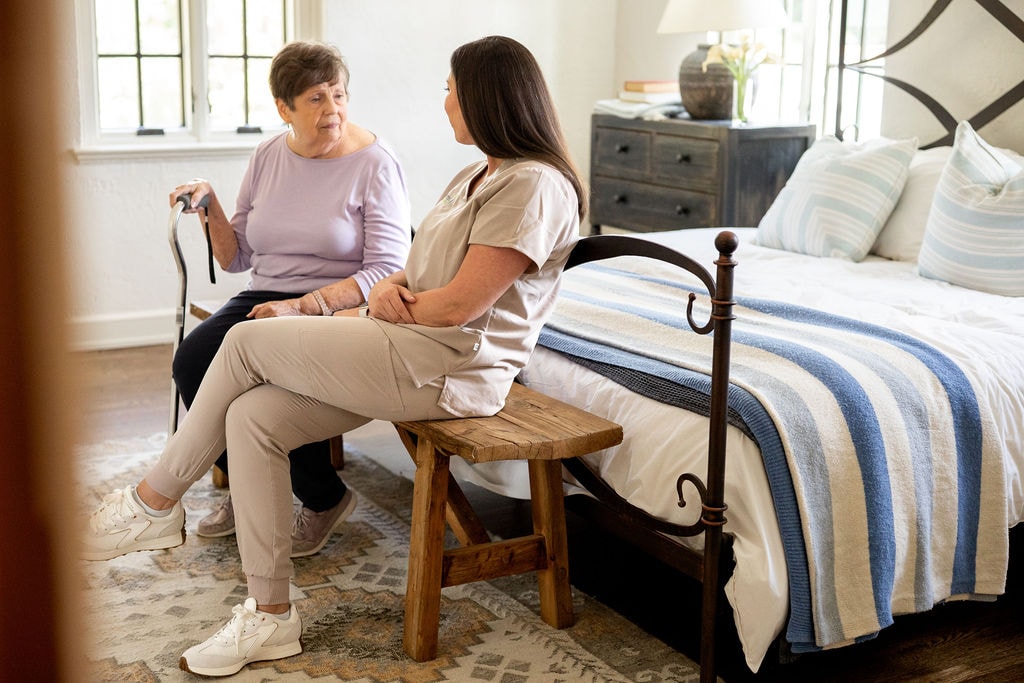
Why Choose Preferred Care at Home for End-of-Life Care in Chattanooga?
The administrative team at Preferred Care at Home of Chattanooga brings extensive experience caring for older adults at every stage. The office holds the Pinnacle Award and ranks among the highest-performing locations in the national franchise network. End-of-life care is one of our most requested services, and our caregivers carry the experience to match.
Families sometimes worry that adding home care duplicates hospice. It doesn’t. Our caregivers handle the hours between hospice visits — bathing, meals, overnight supervision, family respite — while the hospice team manages clinical care. The two roles fit together cleanly. The CMS CAHPS Hospice Survey measures how well hospice programs support patient and family needs — we encourage families to review these ratings and ask their hospice team about them.
How End-of-Life In-Home Care Works in Chattanooga
Hospice care handles the clinical side of end-of-life support — nurse visits, symptom and pain management, social work, and spiritual care. Non-medical home care fills the hours between those visits with hands-on daily support. Most families choose home-based end-of-life support, which makes the daily-presence gap larger, not smaller. Our caregivers assist with bathing, dressing, mobility transfers, meal preparation, light housekeeping, medication reminders, and overnight supervision — the daily living assistance that the hospice schedule doesn’t cover.
Real Hours of Relief for Family Caregivers
According to a national Medicare beneficiary study published in PMC, community-dwelling older adults at end of life received an average of 41.03 hours of unpaid care per week. We cover shifts from one hour up to 24 hours so the family caregiver can sleep, work, or rest — measured in actual hours back, not vague promises of support.
Highlights:
- 1 to 24 hours per day coverage
- PMC study: avg 41 hrs/wk unpaid care
- Family caregiver rest, not just supervision

Specialized Routines for Dementia at End of Life
Per the same PMC study, older adults with dementia at end of life received 64.45 hours of unpaid care per week with 2.43 unpaid caregivers on average. Caregivers experienced in dementia routines — calm cueing, safe transfers, supervision — reduce escalations and falls. Memory-trained end-of-life caregivers help sustain quality of life through familiar routine and calm presence.
Highlights:
- 64.45 hrs/wk with dementia end of life
- Calm cueing and safe transfers
- Reduces falls, agitation, escalations
Coordination With the Hospice Team
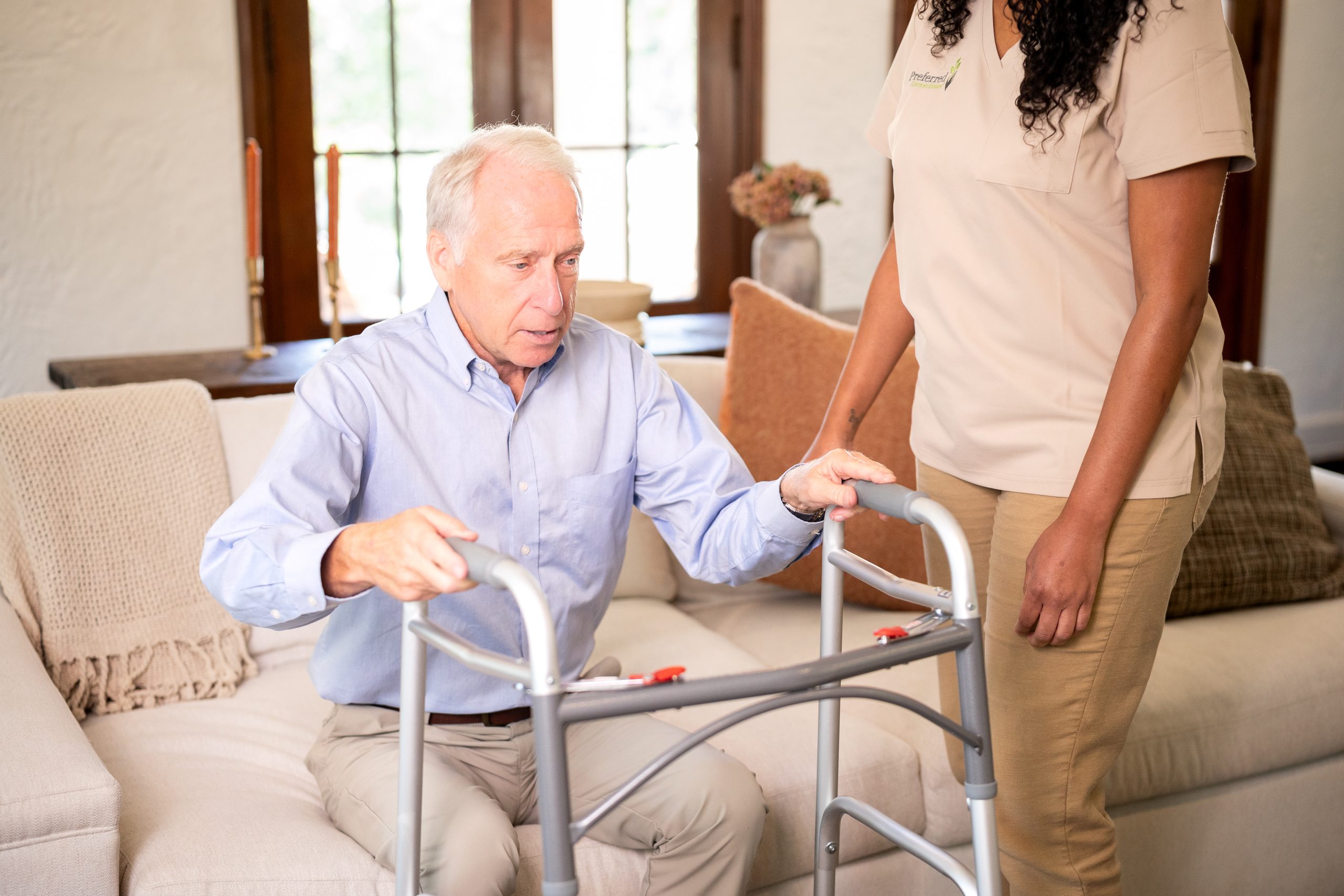
Our caregivers work around the hospice schedule, log what they observe during shifts, and surface changes the hospice nurse needs to know. Notes flow to family members through the Transparency Room and to the hospice team through direct communication. Role clarity is the gap most providers leave blurred — we keep it sharp so both teams serve the patient, not each other’s schedule.
Highlights:
- Works around hospice visit schedule
- Shift notes surfaced to hospice team
- Transparency Room family portal
Overnight Coverage When It Matters Most
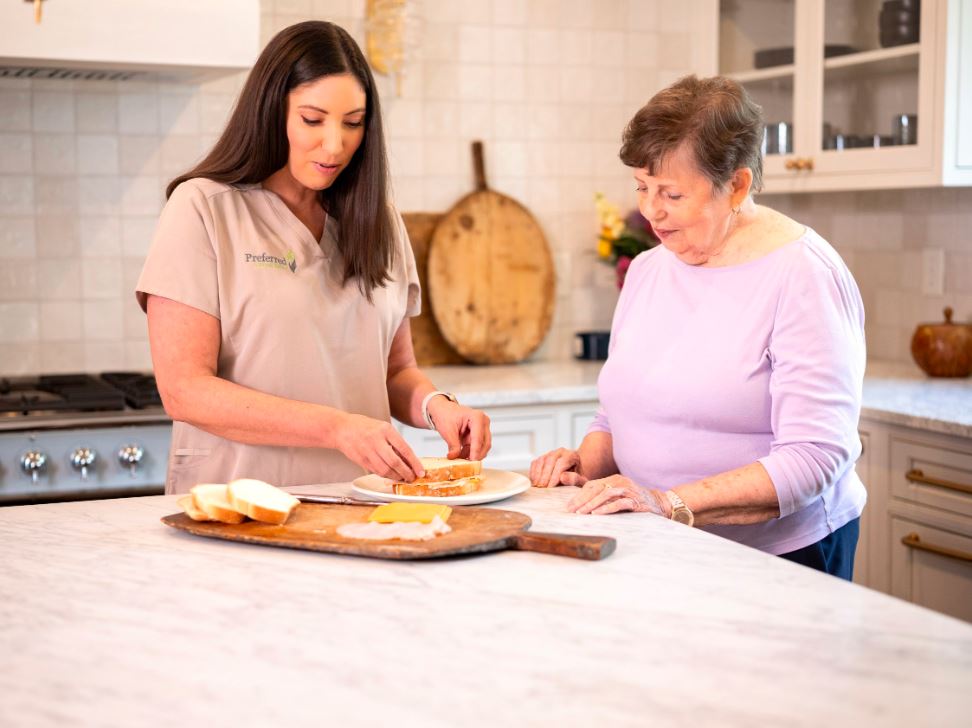
Hospice visits are scheduled during business hours. The household often falls apart between 8 p.m. and 6 a.m. when symptoms flare, anxiety rises, and the family caregiver can’t sleep. A caregiver in the home overnight restores rest for everyone and keeps the loved one safe and supported through the night. Schedule a care consultation today.
Highlights:
- Overnight coverage available
- Restores sleep for family caregivers
- 24-Hour Replacement Care available
Support for Out-of-State Adult Children
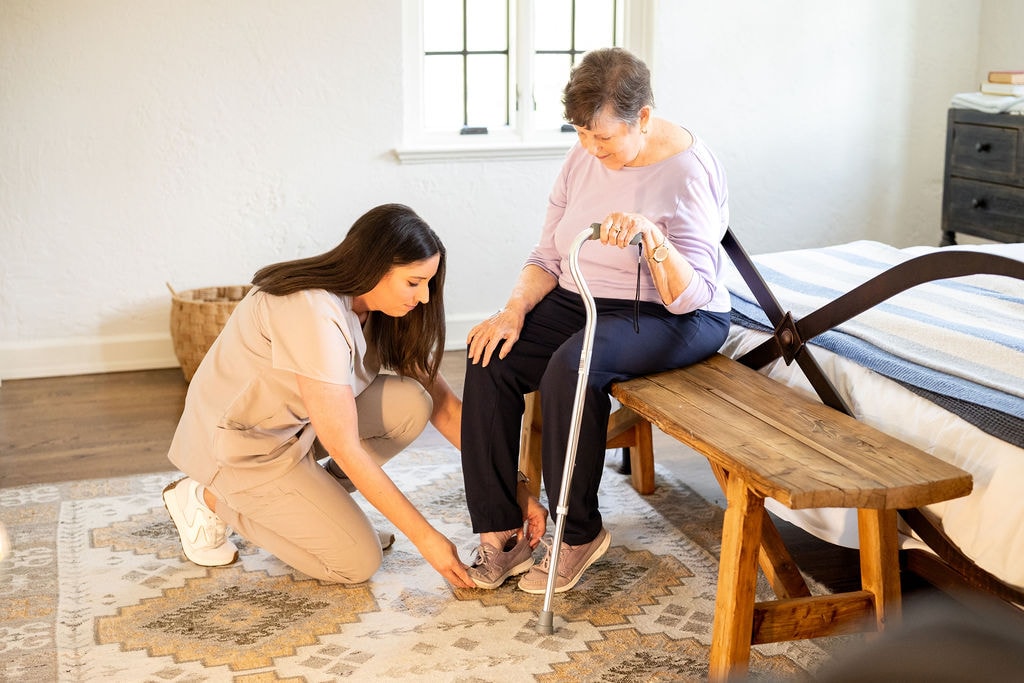
The primary family caregiver lives in another city or state. Hospice covers scheduled visits, but daily presence and updates need someone else. Our caregivers fill the gap, and family members — including adult children in another state — see visit notes, tasks, and caregiver updates through the Transparency Room portal from anywhere, turning “how is Mom doing?” into a question with a real answer.
Highlights:
- Transparency Room portal access
- Visit notes from anywhere out-of-state
- Real-time updates for remote family

Serious Illness Care — Cancer, Heart Disease
When disease progression requires more daily tasks than the family can manage alone, home care bridges the gap. Families caring for loved ones with cancer or advanced heart disease often need help with bathing, meals, and medication reminders between hospice nurse visits. Preferred Care at Home accepts TennCare CHOICES, VA Benefits including Aid and Attendance and VA Community Care, Long-Term Care Insurance, and private pay for all end-of-life care plans.
Highlights:
- TennCare CHOICES accepted
- VA Benefits and LTCI accepted
- Cancer, heart disease, terminal diagnoses
What To Expect: Our End-of-Life Care Process

Step 01
You Call or Email Us
Reach us at (423) 531-8696 or billtobin@preferhome.com to describe your situation. No forms, no wait — just a real conversation about what your family needs.

Step 02
We Assess Together
We meet with you to understand the hospice plan, the household, and the specific daily gaps you need filled — so care addresses what’s actually missing, not a generic checklist.

Step 03
We Match Your Caregiver
Your loved one is paired with a caregiver chosen for personality and end-of-life experience — not just availability. Every caregiver completes our 7-step screen, including background checks and abuse-registry verification.

Step 04
Care Begins — Family Stays Informed
Care starts on your schedule. You see notes, visits, and updates through the Transparency Room — so out-of-state family members stay informed without constant check-in calls.

Step 05
We Adjust as Needs Change
Care plans adjust as the illness progresses. Most families start with a few hours and add overnight or 24-hour coverage as needs increase. There are no long-term contracts — just care that meets your family where it is.
Who Needs End-of-Life In-Home Care in Chattanooga?
Not every family on hospice needs added home care. These signals say it’s time to add non-medical coverage alongside the hospice team.
Signal
What It Looks Like
How We Help
Signal
What It Looks Like
Dementia or cognitive decline at end of life. Your loved one needs cueing, supervision, and calm transfers around the clock — and family caregivers are managing more than 60 hours of unpaid care weekly.
How We Help
Memory-trained caregivers reduce falls, agitation, and escalations through specialized dementia support — so the household doesn’t unravel during the most demanding stage.
Signal
What It Looks Like
Description
Overnight hours are the breaking point. Hospice visits are scheduled during business hours, and symptoms flare at night — the family caregiver can’t sleep and neither can the patient.
How We Help
24-Hour Replacement Care and overnight caregiver coverage restore rest for everyone and keep the loved one safe through the night without emergency hospice calls.
Signal
What It Looks Like
Description
Out-of-state adult children are the primary decision-makers but can’t provide daily presence. Hospice covers clinical visits, but who is checking in on Wednesday afternoon?
How We Help
Our caregivers fill the daily presence gap, and family members see every visit, note, and task through the Transparency Room from anywhere — so distance doesn’t mean being uninformed.
Signal
What It Looks Like
Description
Serious illness — cancer, advanced heart disease, or another terminal diagnosis — is progressing faster than the family’s caregiving capacity. Bathing, meals, and medication reminders are falling through the gaps between hospice nurse visits.
How We Help
We bridge the daily living gap alongside the hospice plan — protecting both the patient’s comfort and the family’s capacity to cope. TennCare CHOICES, VA Benefits, and LTCI are all accepted.
Signal
What It Looks Like
Description
Families are worried that adding home care will duplicate or interfere with the hospice team — so they delay getting relief until caregiver burnout forces a harder decision.
How We Help
We coordinate directly with the hospice schedule so roles stay clear and complementary. Hospice handles clinical care; we handle daily living support. The two services layer together, not overlap.
Signal
What It Looks Like
Description
Families are confused about what Medicare pays for — assuming the hospice benefit covers everything — and miss that non-medical daily care (bathing, meals, overnight supervision) is a separate coverage decision.
How We Help
We explain the coverage breakdown on the first call: Medicare pays for the hospice benefit; TennCare CHOICES, VA Benefits, LTCI, and private pay are the pathways for non-medical home care alongside it.
Local Services Throughout the Chattanooga Area
Celebrating life, dignity and independence.®
Since 1984, the founders of Preferred Care at Home have had the privilege of assisting clients in improving their quality of life while still recognizing and maintaining their dignity and independence. Preferred Care at Home has continued this tradition by only referring the most reliable, compassionate, experienced and affordable caregivers to client’s homes or care facilities.
We understand that long-term care can be costly, which is why we have focused on building a reputation of offering access to quality services at affordable prices.
Ask about the wide range of non-medical services available from 1 to 24 hours per day, and about qualified live-in caregivers who can provide 24-hour peace of mind for you or your loved one.
We Serve:
- Apison
- Athens
- Cleveland
- Collegedale
- East Ridge
- Georgetown
- Harrison
- Lookout Mountain
- Lookout Valley
- Middle Valley
- Ooltewah
- Signal Mountain
- Snow Hill
- Soddy Daisy
- Walden
Frequently Asked Questions About End-of-Life Care in Chattanooga
What is the difference between hospice care and non-medical end-of-life home care?
Hospice care is a Medicare-covered medical benefit. Non-medical home care provides daily hands-on support between hospice visits.
Hospice care teams handle clinical end-of-life care — nurse visits, symptom and pain treatment, social work, and emotional and spiritual support. Preferred Care at Home caregivers handle the hours in between (bathing, meals, supervision, and family respite) alongside the hospice team. The two services are designed to layer together, not replace one another.
What ongoing support does end-of-life home care include?
Care continues as long as your family needs it, scaled up or down as the loved one’s condition changes.
Care plans adjust as the illness progresses. Most families start with a few hours and add overnight or 24-hour coverage as needs increase. According to Medicare.gov, hospice benefit periods consist of two 90-day periods followed by unlimited 60-day periods with recertification. Home care can run alongside the entire span, with our focus on the patient’s comfort and family support throughout.
When should we add home care if my loved one is already on hospice?
Add home care when family caregivers can’t sustainably cover the hours between hospice visits.
Community-dwelling older adults at end of life receive substantial hours of unpaid care weekly on average. When the family caregiver hits exhaustion, overnight hours fall apart, or dementia routines need supervision — that’s when home care should be added. Waiting until crisis usually means a harder transition and a faster path to inpatient care.
Can non-medical caregivers work alongside a hospice care team?
Yes. Non-medical caregivers handle daily personal care while the hospice care team manages clinical needs.
The two roles fit together cleanly. PCAH caregivers handle bathing, dressing, meals, transfers, and supervision. The hospice nurse, hospice aide, social worker, and chaplain handle symptom support, medications, counseling, and emotional support. Our caregivers log changes they observe during shifts and communicate them to the hospice team so clinical attention arrives when needed.
How do I know when it's time to consider hospice?
Hospice eligibility requires a physician’s certification that the illness is terminal with a prognosis of six months or less.
Per Medicare guidelines, hospice begins when a physician certifies a terminal diagnosis with a six-month prognosis if the illness runs its normal course. Families often start the conversation later than they should. Talk to the treating physician about prognosis and goals of care. The Southeast Tennessee Area Agency on Aging and Disability can also provide guidance on hospice eligibility and community resources.
Is palliative care the same as hospice?
No. Palliative care supports anyone with a serious illness; hospice care is specifically for terminal illness with a six-month prognosis.
Palliative care focuses on symptoms and quality of life for people with serious illness who may still be pursuing curative treatment. Hospice care is comfort-focused care for terminal illness. Preferred Care at Home non-medical home care works alongside both, providing daily living assistance for both the patient and the family while clinical teams manage medical needs.
What services can an end-of-life caregiver help with at home?
Bathing, dressing, meals, light housekeeping, medication reminders, mobility transfers, overnight supervision, and family respite.
Caregivers provide hands-on personal care, prepare meals the loved one can tolerate, keep the home tidy, give medication reminders on schedule, help with safe transfers, and stay overnight when needed. The focus is comfort for the loved one and rest for the family — every task is built around the patient’s dignity and the family’s capacity to keep going.
What should I ask before choosing an end-of-life home care provider?
Ask about Tennessee licensing, hospice coordination, caregiver matching, dementia experience, and how the provider communicates with the family.
Confirm the provider holds a Tennessee Personal Support Services Agency license — PCAH Chattanooga holds PSSA License #L000000038642. Ask how caregivers coordinate with the hospice team. The CMS CAHPS Hospice Survey measures how well hospice programs support patient and family needs — review those ratings and ask your hospice team how they score.
Does Medicare pay for hospice respite care?
Yes. Medicare hospice covers inpatient respite care for up to five consecutive days at a time.
Per the Medicare hospice benefit, the program includes short-term inpatient respite for up to five consecutive days to give family caregivers a break. Many families also use non-medical home care for shorter respite — a few hours a week — so they can rest without moving the loved one. Both options work and can be combined alongside TennCare CHOICES or VA Benefits for the non-medical home care portion.
How do I start end-of-life home care in Chattanooga?
Call (423) 531-8696 or email billtobin@preferhome.com — we can begin a consultation the same day and have care in place within days of the first call.
Preferred Care at Home of Chattanooga is led by Bill Tobin at 1400 McCallie Avenue, Suite 220, Chattanooga, TN 37404. The office serves Hamilton County and southeast Tennessee and accepts TennCare CHOICES, ECF CHOICES, VA Benefits, Long-Term Care Insurance, and private pay. Tennessee PSSA License #L000000038642.