
Trusted Post-Surgery Transition Care at Home in Sarasota
The first days home after surgery are the hardest — especially when your loved one lives alone or family is out of state. Preferred Care at Home of Sarasota matches caregivers by personality and coordinates skilled care in-house, so the discharge plan actually gets followed and recovery starts safely.
- Experienced and trained caregivers, including CNA/HHA professionals
- Bilingual support in English and Spanish
- Flexible schedules from one to twenty-four hours
- Experienced and trained caregivers, including CNA/HHA professionals
- Bilingual support in English and Spanish
- Flexible schedules from one to twenty-four hours
Why Choose Us for Transition Care in Sarasota?
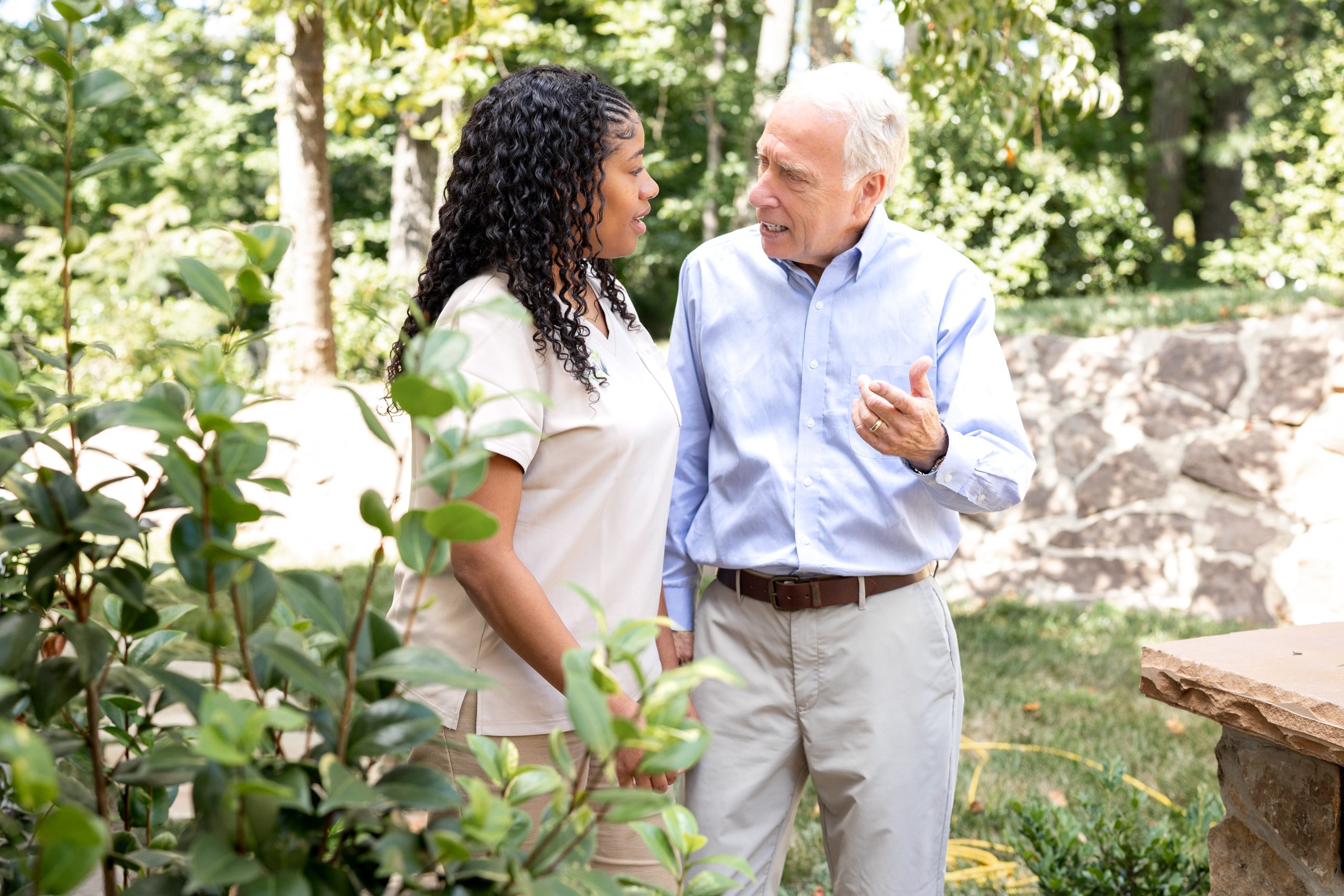
Preferred Care at Home has been in home care since 1984. Our Sarasota location is locally owned by Amy Weiss, who brings 18+ years of Florida home care ownership to families across the area. We hold Florida HHA License #299996619 — legally required to provide hands-on personal care including bathing, dressing, and transfers that companion-only agencies cannot perform. Our team includes RNs, LPNs, CNAs, and HHAs who coordinate skilled care in-house, so a family doesn’t juggle two agencies if recovery needs change. Caregivers screened through our 7-step process, matched by personality and language preference. The Transparency Room portal keeps out-of-state family members updated in real time.
Our Post-Surgery Transition Care Services in Sarasota
A non-medical post-surgery caregiver handles the hands-on work the discharge paperwork assumes someone at home will do: bathing and dressing, mobility support, safe transfers, meal preparation, medication reminders, transportation to follow-up appointments, and watching for early signs of complications. Care starts at 1 hour per day and scales to 24-hour coverage while your loved one regains independence.
Lower Risk of a Recovery Setback
Having a caregiver present during the first days home means safer transfers, reminders to follow medication and activity restrictions, and someone to catch a problem early instead of waiting for a return ER visit. According to the CDC, more than 1 in 4 older adults fall each year — the first weeks home after surgery are the highest-risk window.
Highlights:
- Medication monitoring and reminders
- Early symptom detection
- 24-hour nurse access built into plan

Discharge Instructions That Actually Get Followed
A caregiver reads the discharge paperwork with the family and builds the day around it: hydration goals, ambulation targets, wound dressing checks when a home health nurse is involved, and medication timing. Family members follow updates through the Transparency Room portal — so out-of-state children stay informed without phone tag.
Highlights:
- Full discharge plan implementation
- Coordination with physicians
- Medication reminder management
Skilled Care Coordinated Under One Roof
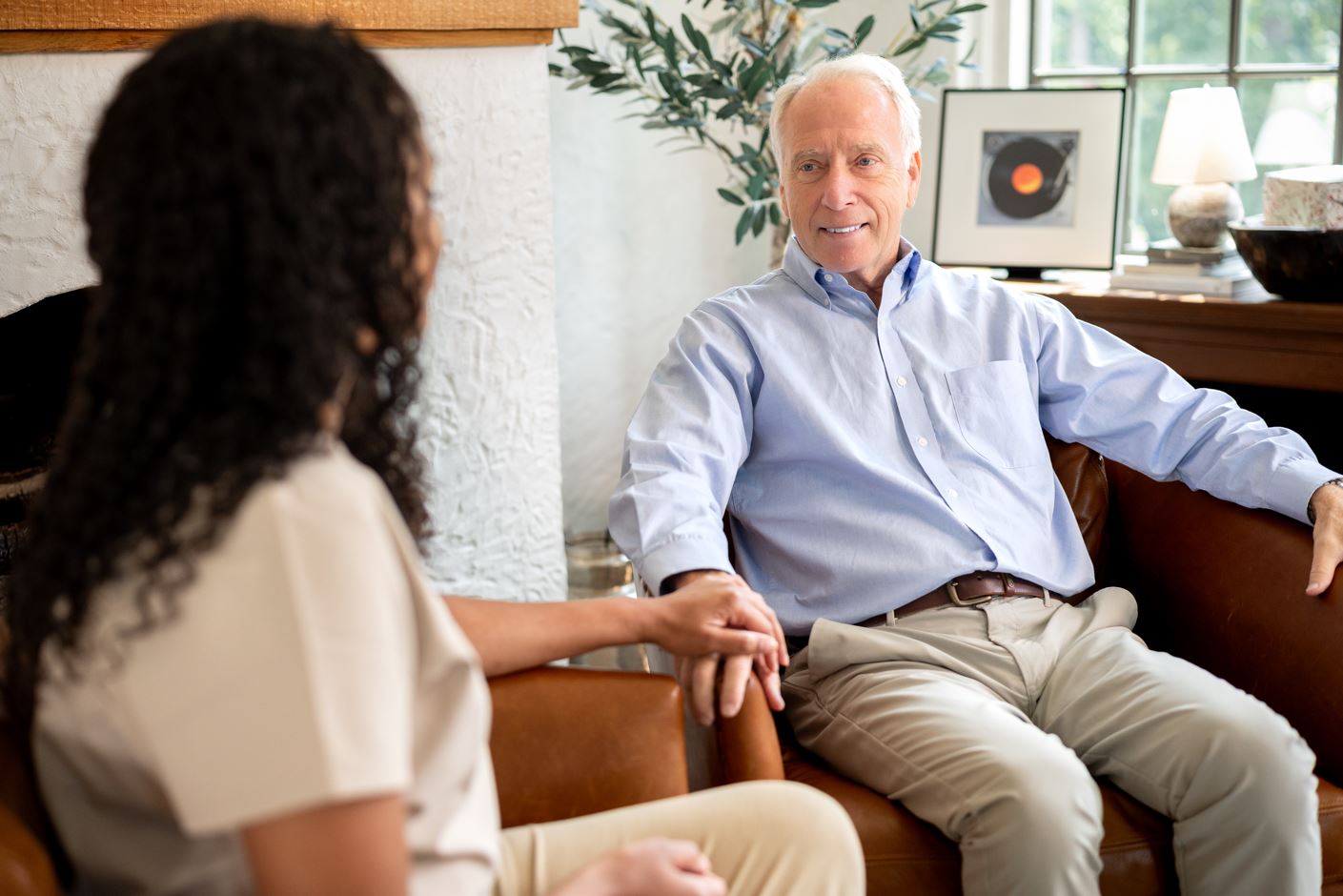
Our Sarasota office is licensed to coordinate skilled care services in-house, with RNs, LPNs, CNAs, and HHAs on the team. If recovery needs change, the family does not need a second agency. Therapy coordination — including physical, occupational, and speech therapy — is available through partner providers when needed.
Highlights:
- RN, LPN, CNA, HHA on one team
- PT/OT/ST coordination through partners
- Wound and symptom monitoring
Care That Flexes With the Recovery Timeline
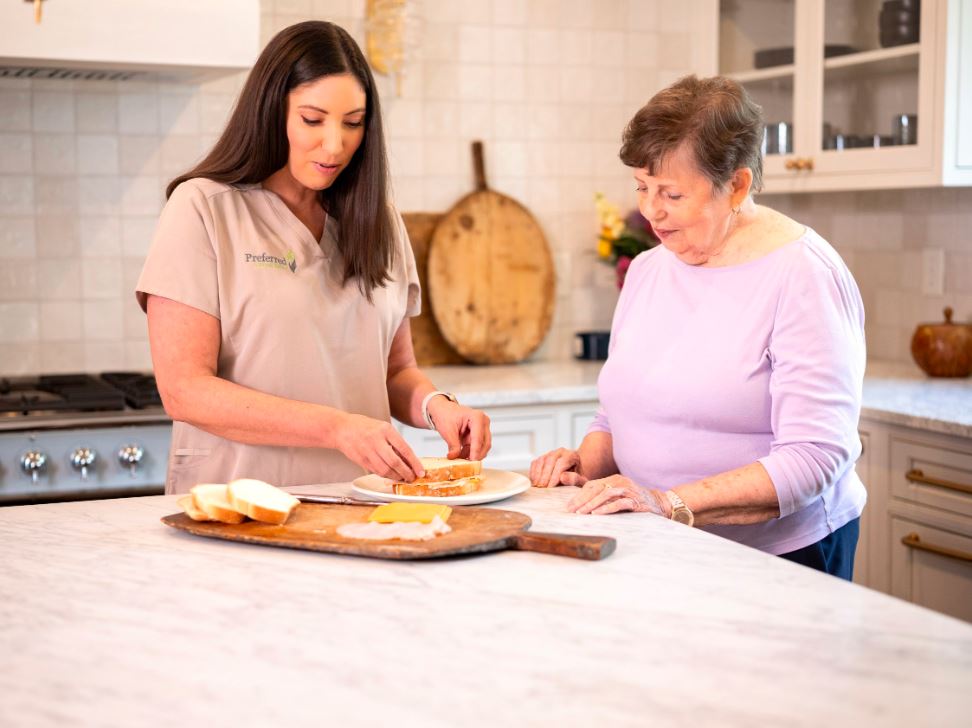
Start with 1 hour per day or scale to 24-hour care while the patient regains independence. Hours adjust week by week as ambulation improves. Bilingual English and Spanish caregivers are available for households who prefer Spanish-language communication. No long commitment required — care stops when recovery is complete. Talk to our team today.
Highlights:
- Care scales down as recovery progresses
- From daily to weekly visits
- No long-term commitment required
Safe Transfers and Mobility Assistance
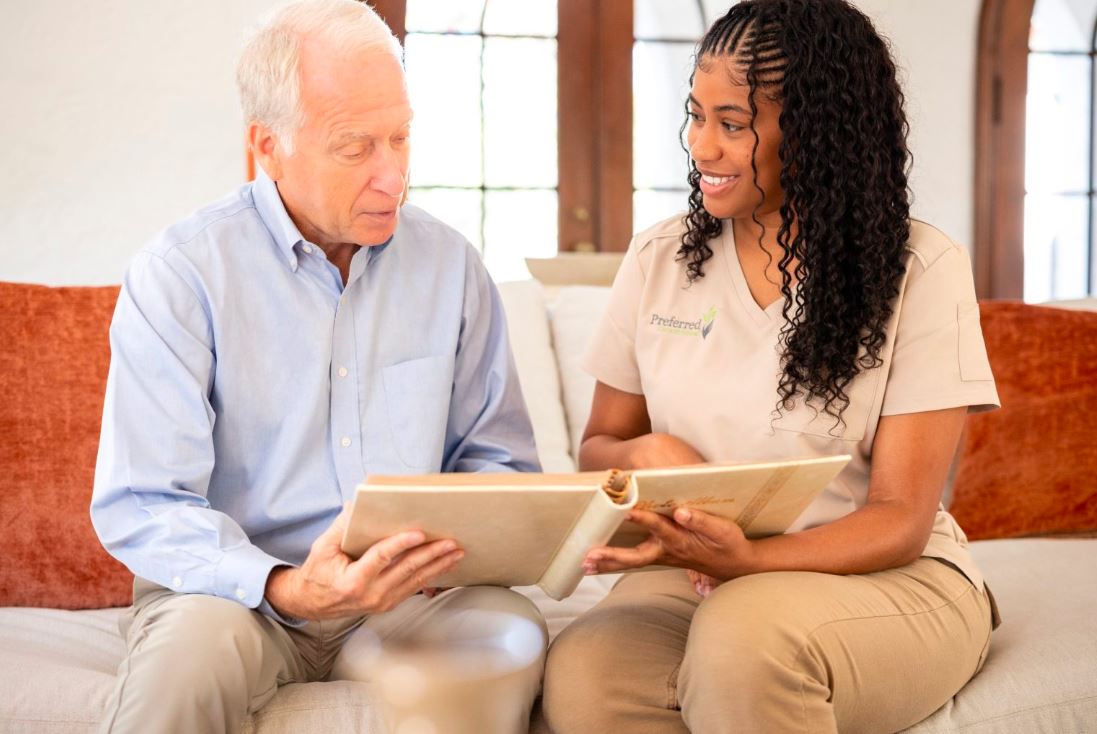
Safe transfers from bed to chair, bathroom assistance, and supervised walking are the tasks most prone to setback after hip, knee, or cardiac procedures. Our Florida HHA-licensed caregivers are trained for post-surgical mobility support — helping patients build back confidence while following the surgeon’s activity restrictions to the letter.
Highlights:
- Safe repositioning and transfer support
- Mobility and fall prevention
- Adaptive equipment guidance
Transportation and Follow-Up Appointment Support
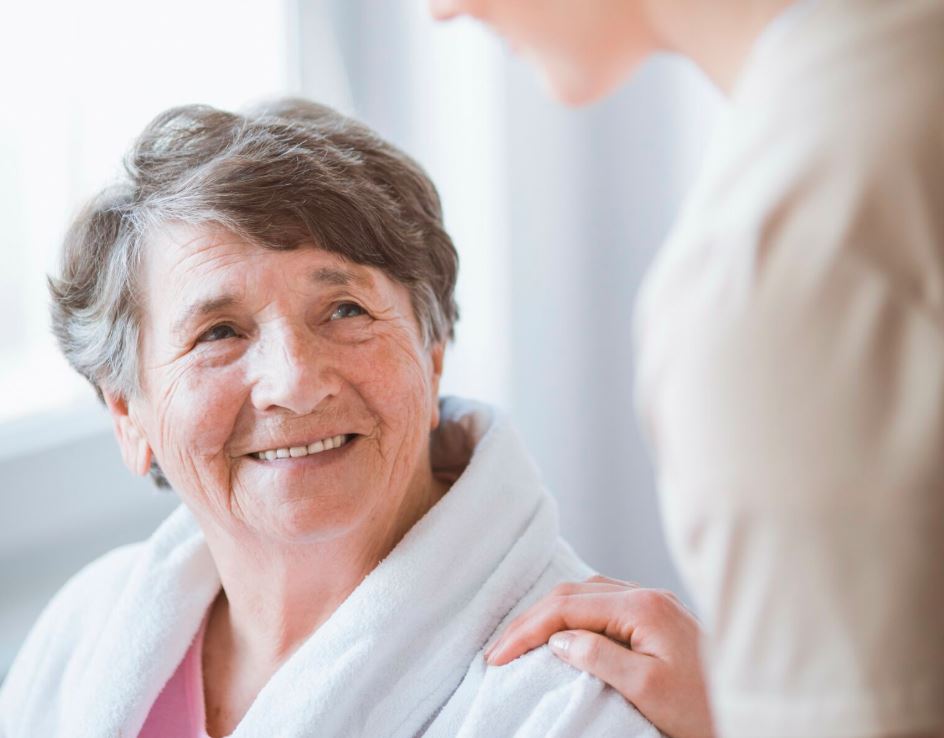
Follow-up appointments are when complications get caught or cleared. Our caregivers provide transportation to surgeon and specialist appointments, accompany the patient inside when helpful, and report appointment outcomes to family through the Transparency Room portal. Serving families from Lakewood Ranch to Siesta Key and throughout the Sarasota area.
Highlights:
- Rides to follow-up appointments
- Accompanied medical visits
- Pharmacy pickups included
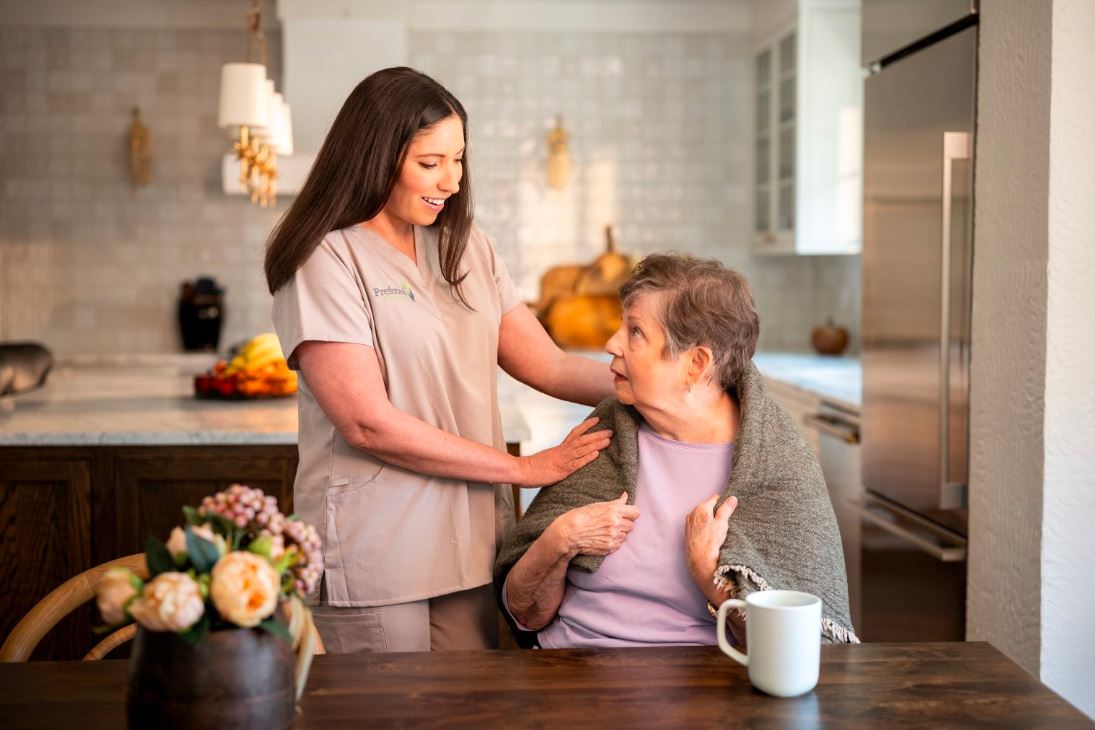
What To Expect: Our Transition Care Process

Step 01
Initial Contact
You call (941) 259-1155 or send a message. We listen to where things stand and what discharge day looks like — same-day responses are standard.

Step 02
Consultation and Assessment
We schedule a complimentary in-home or phone consultation to review the discharge plan, understand the patient’s surgery, mobility level, and what kind of help is needed during recovery.

Step 03
Care Plan Development
We build a recovery care plan around the patient’s surgery, mobility level, medication schedule, and family preferences — focused on a comfortable, personalized recovery at home.

Step 04
Caregiver Matching
A caregiver is matched by personality, experience, and language preference (English or Spanish), screened through our 7-step process. Care can begin the day of discharge.

Step 05
Care Begins with Transparency Room Access
Care starts the day you need it. Family follows caregiver notes, task completion, and updates through the Transparency Room portal from anywhere in the world.
Common Post-Surgery Care Situations in Sarasota
Sarasota families typically call us at one of three points after a surgical procedure. These are the most common situations — and how transition care at home addresses each one.
Situation
Description
How We Help
Living Alone Post-Surgery
Description
Lives alone after a hip replacement, knee replacement, or cardiac procedure and needs help with transfers, meals, and medication reminders during the first two to three weeks home. More than 1 in 4 older adults fall each year — recovering alone after surgery compounds that risk.
How We Help
We match a caregiver by personality and language preference, adjust hours week by week as independence returns, and keep adult children updated through the Transparency Room portal so no one is guessing from another state.
Out-of-State Family
Out-of-State Family
Description
Family is in New York, Chicago, or elsewhere and needs a trusted local contact who can be at the home on discharge day. Phone calls don’t show what’s actually happening during a shift — and discharge day is when most setbacks occur.
How We Help
Updates flow to the family remotely through the Transparency Room portal — caregiver notes, completed tasks, and any concerns flagged — so a daughter in another state can see what happened during a shift without calling to check in.
Elderly or Ill Spouse
Elderly or Ill Spouse
Description
The spouse is older, recovering themselves, or cannot manage transfers and personal care safely. The household needs hands-on help with bathing, dressing, and mobility that companion-only services in Florida are not licensed to provide.
How We Help
Preferred Care at Home holds Florida HHA License #299996619, which legally authorizes hands-on personal care including bathing, dressing, and transfers — exactly what companion-only agencies cannot provide. Same agency handles everything.
Medicare Coverage Gap
Medicare Coverage Gap
Description
Families assume Medicare or the hospital covers everything needed at home after surgery. Medicare home health covers intermittent skilled care for homebound patients — it does not cover stand-alone non-medical help with bathing, meals, or supervision.
How We Help
We coordinate both sides when needed — private-pay non-medical care alongside any Medicare home health that’s been ordered. We accept Long Term Care Insurance and partner with VA services for qualifying veterans and surviving spouses.
Same-Day Discharge
Same-Day Discharge
Description
Discharge day is when most setbacks happen: the patient is tired, the household is improvising, and no one has reviewed the discharge instructions carefully. Waiting until discharge day to arrange care creates a gap that leads to readmissions.
How We Help
Calling our office a few days ahead lets us complete the assessment, match a caregiver, and have someone in the home the hour you need them. We coordinate with the hospital discharge planner when home health is also being ordered.
Scope of Care Confusion
Scope of Care Confusion
Description
Per Florida AHCA, a homemaker and companion service is prohibited from providing hands-on personal care without home health agency or nurse registry licensing. Families hire companion-only agencies and discover the gap when bathing and transfers are needed after surgery.
How We Help
Preferred Care at Home holds Florida HHA License #299996619. Before hiring any agency, ask for their Florida license number and license type — license type controls what a caregiver is legally allowed to do in the home during post-surgical recovery.
Local Care Throughout Sarasota County
Our team lives and works in Sarasota County and the surrounding communities, providing in-home care that is personal, consistent, and close to home.
- Sarasota
- Venice
- Englewood
- Nokomis
- Osprey
- Northport
- Wellen Park
- Lakewood Ranch
- Palmer Ranch
- Lido Key
- Longboat Key
- Siesta Key
Frequently Asked Questions About Post-Surgery Care in Sarasota
What is the difference between post-surgery home care and Medicare home health care?
Post-surgery home care is non-medical hands-on help paid privately, while Medicare home health is skilled care for homebound patients ordered by a doctor. Eligibility, scope, and hours are the three real differences. Medicare home health requires the patient be homebound with an intermittent skilled need, and aide visits are limited to supporting that skilled care. Post-surgery in-home care is open to anyone, covers hands-on personal care, and flexes from 1 to 24 hours a day.
What ongoing support do you provide during recovery?
Care continues as long as recovery requires, from a few days to several weeks, and adjusts as the patient regains independence. Care plans are reviewed regularly and scaled up or down as ambulation, strength, and confidence return. We keep the same caregiver assigned when possible so the patient is not retelling their story to a new face each week. Family members watch progress and read caregiver notes through the Transparency Room portal.
Does Medicare cover post-surgery in-home care in Sarasota?
Medicare covers home health when the patient is homebound and needs intermittent skilled care ordered by a doctor, not stand-alone non-medical help. Per CMS, part-time or intermittent home health aide and skilled nursing are generally limited to up to 8 hours a day and 28 hours a week when coverage criteria are met. Most families fill the remaining gap with private-pay home care, Long Term Care Insurance, or VA benefits.
How soon should I arrange in-home care after surgery?
Arrange care before discharge day, ideally about a week ahead, so the caregiver can review the discharge plan and be there when your loved one comes home. Discharge day is when most setbacks happen because the patient is tired and the household is improvising. Calling our office a few days ahead lets us complete the assessment, match a caregiver, and have someone in the home the hour you need them.
Can a caregiver help if my parent lives alone after surgery?
Yes, a caregiver can stay 1 hour to 24 hours a day depending on what the recovery needs, including overnight supervision. Living alone after a procedure is the most common reason families call us. We match a caregiver by personality and language preference — English or Spanish — and adjust hours week by week as your parent regains independence. Adult children living out of state follow shifts and notes through the Transparency Room portal.
Can a companion caregiver provide hands-on personal care in Florida?
No, Florida AHCA prohibits homemaker-companion services from providing hands-on personal care without home health agency or nurse registry licensing. License type controls what a caregiver is legally allowed to do in the home. A companion-only agency cannot help with bathing, dressing, or transfers — exactly the tasks most post-surgery patients need. Before hiring, ask the provider for their Florida license number and license type. Preferred Care at Home operates under Florida HHA License #299996619.
What can a post-surgery caregiver help with at home?
Caregivers assist with bathing, dressing, transfers, mobility, meal preparation, medication reminders, light housekeeping, transportation to follow-up appointments, and supervision. The discharge plan shapes the daily schedule. The caregiver builds the day around medication times, ambulation goals, and follow-up appointments, and watches for warning signs like swelling, fever, or confusion.
What should I ask before hospital discharge?
Ask about activity and weight-bearing limits, medication changes, follow-up appointments, warning signs to watch for, and whether home health or non-medical care is being ordered. Bring a notebook to the discharge conversation and write down each answer. Confirm whether a home health agency has been ordered for skilled care, and whether the patient will need help with bathing, transfers, or supervision that home health will not cover.
When is home recovery a better fit than rehab or a skilled nursing facility?
Home recovery fits when the patient can safely recover at home with the right caregiver support and does not need daily intensive skilled care. Per Medicare, home health is usually less expensive and just as effective as care given in a hospital or skilled nursing facility for eligible patients. The deciding factor is whether the household can put safe, consistent support in place during the first weeks. Our local team helps families assess that honestly during the consultation.
Why should I verify a home care agency's Florida license before hiring?
Florida AHCA license type determines what a caregiver can legally do in the home. A homemaker-companion registration does not authorize hands-on personal care — bathing, transfers, or toileting. Families discover this gap after hire, when the caregiver cannot legally help with the tasks recovery requires. Ask any agency for their Florida license number and verify the license type at AHCA’s online verification portal before discharge day.