
Expert Alzheimer's In-Home Care for Sarasota Residents
Caring for someone with Alzheimer’s reaches a point where reminders and meal preparation aren’t enough. Preferred Care at Home of Sarasota coordinates ADRD-trained caregivers with an RN-led team — matching CNA and HHA professionals to your loved one by personality, experience, and language preference.
- Experienced and trained caregivers, including CNA/HHA professionals
- Bilingual support in English and Spanish
- Flexible schedules from one to twenty-four hours
- Experienced and trained caregivers, including CNA/HHA professionals
- Bilingual support in English and Spanish
- Flexible schedules from one to twenty-four hours
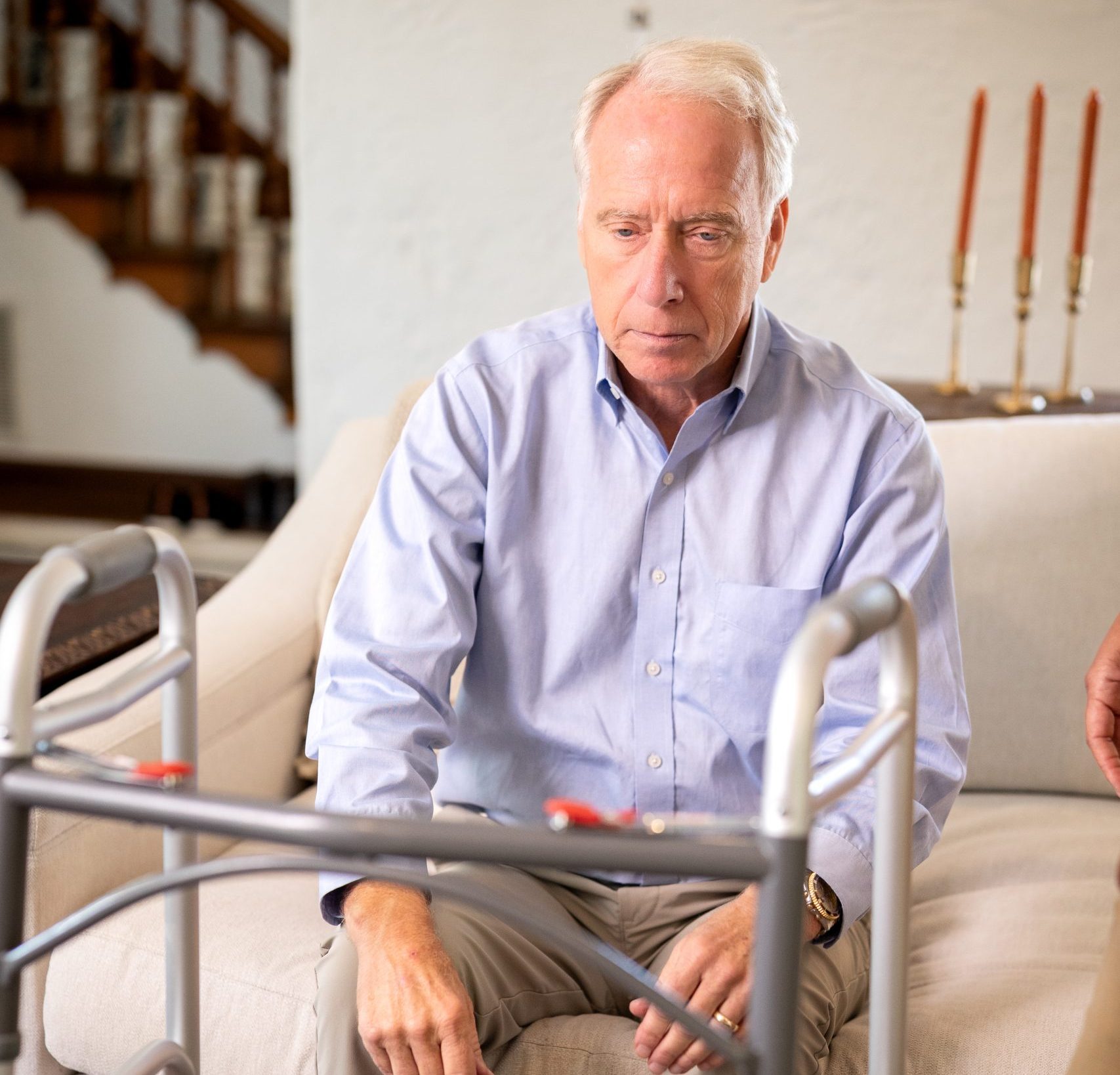
Why Choose Us for Alzheimer's Care in Sarasota?
Preferred Care at Home operates under Florida HHA license #299996619, with ADRD-trained caregivers and RN-led skilled care coordination that most non-medical agencies cannot offer in-house. Our 7-step screening process, personality-based matching, and owner Amy Weiss’s 18+ years of Florida home care experience form the operational foundation. We accept Long Term Care Insurance, partner with VA services for qualifying veterans, and offer bilingual English and Spanish caregivers. The Transparency of Care portal gives out-of-state family members real-time access to visit notes, task completion, and caregiver messages from anywhere.
Our Alzheimer's In-Home Care Services in Sarasota
Alzheimer’s in-home care goes beyond companionship. It combines hands-on daily living assistance, behavior-aware routines, home safety planning, and steady family communication — adapting as cognitive decline changes what each day requires. Care scales from one hour to around-the-clock coverage under Florida HHA license #299996619.
Routine-Based Care That Adapts as Memory Changes
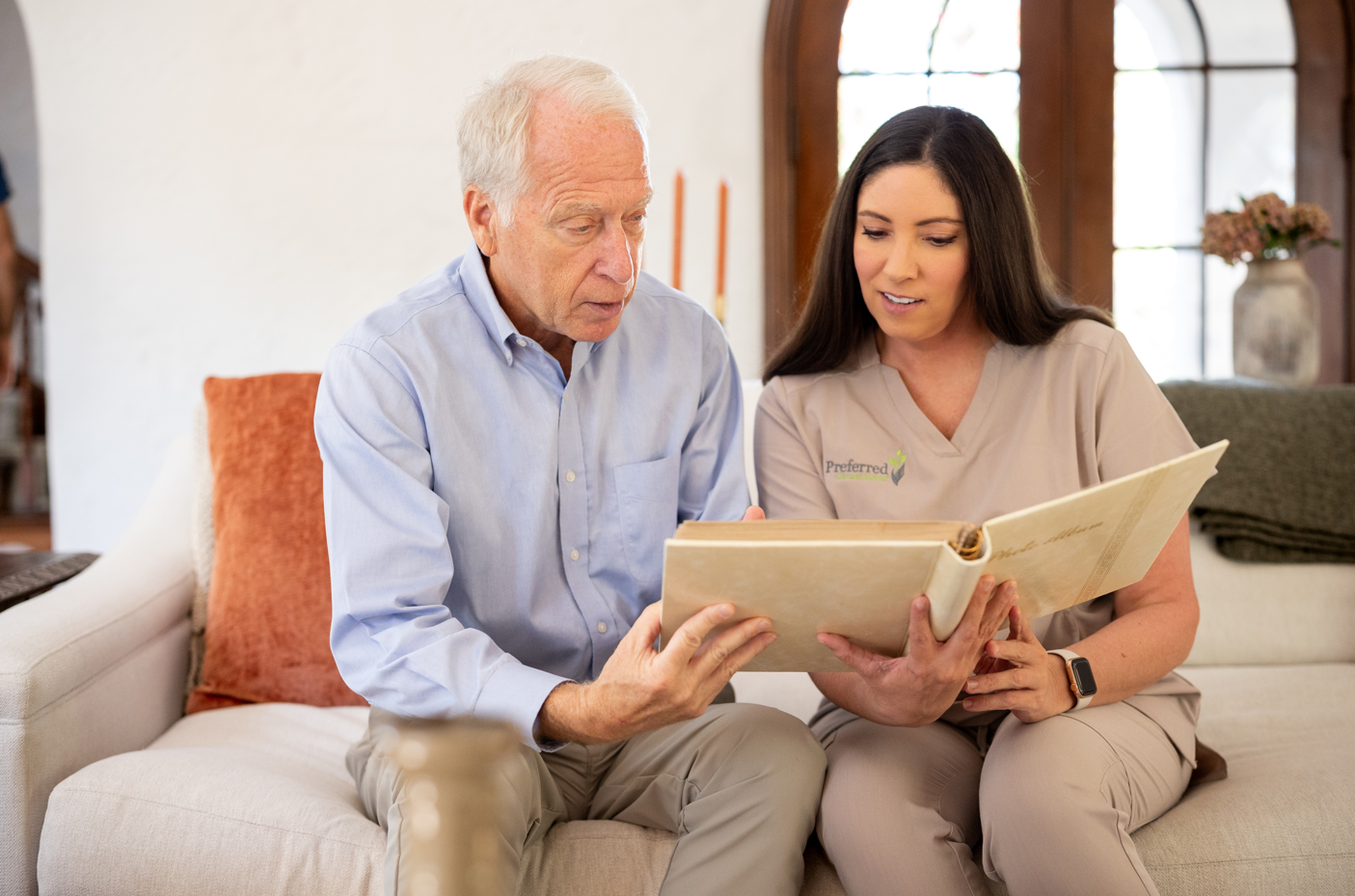
Mornings, meals, and evenings follow a steady rhythm built around your loved one’s history. The National Institute on Aging identifies routine as a foundation of dementia care at home. Our ADRD-trained caregivers pace assistance to match cognitive load and rebuild the plan as Alzheimer’s progresses — anchoring familiar music, photos, and meaningful activities that engage memory and promote well-being.
Highlights:
- Structured daily routines reduce confusion
- Familiar caregiver faces build trust
- Cognitive redirection and calm engagement
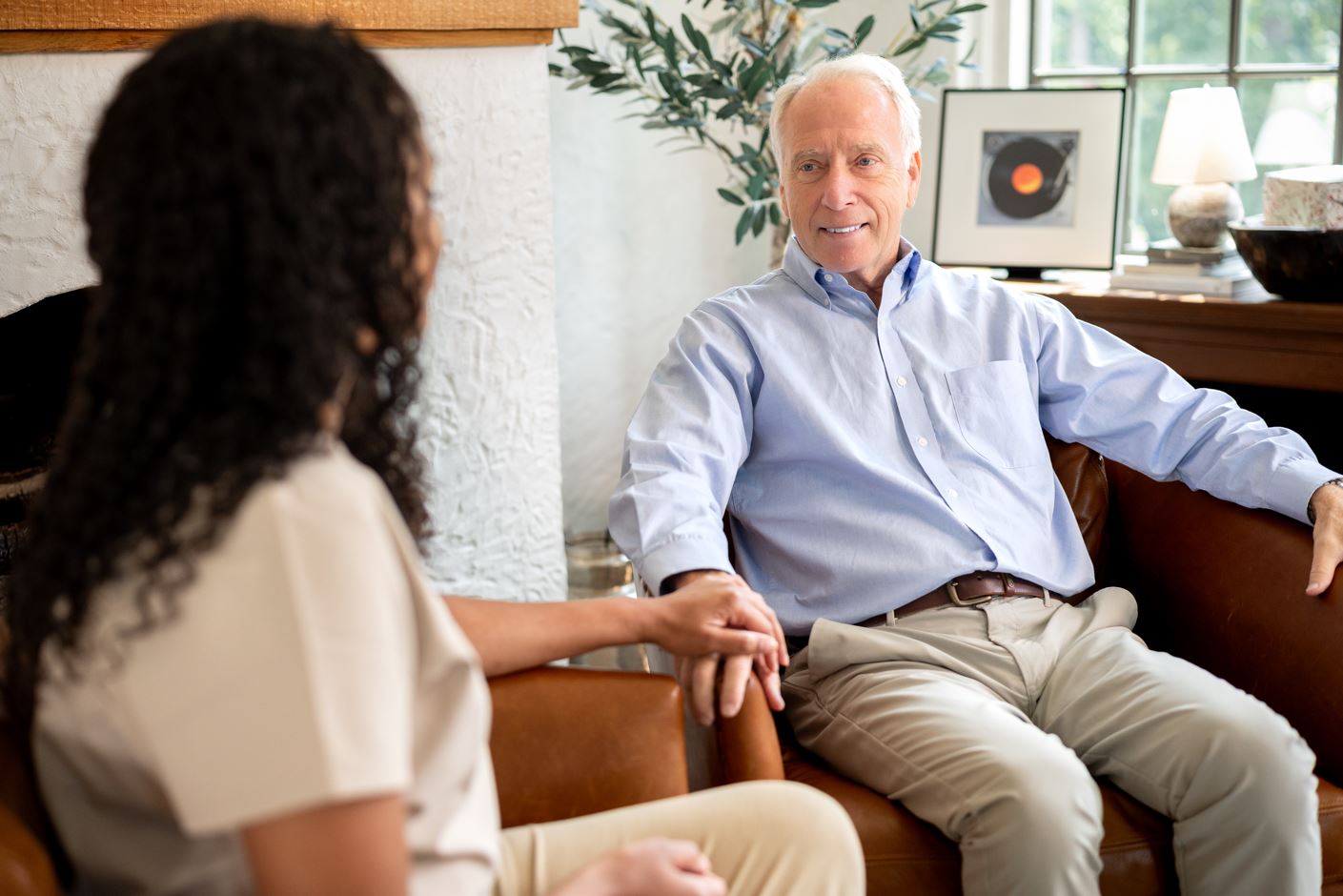
Home Safety Planning for Wandering Risk
The Alzheimer’s Association states everyone living with Alzheimer’s or dementia is at risk for wandering. We walk through the home to identify exit risks, set supervision patterns around the highest-risk windows of the day, and document escalation triggers so the family knows when a care-plan change is needed. A calmer, safer home lowers stress for everyone.
Highlights:
- Door and exit monitoring support
- Fall prevention throughout the home
- Nighttime safety supervision
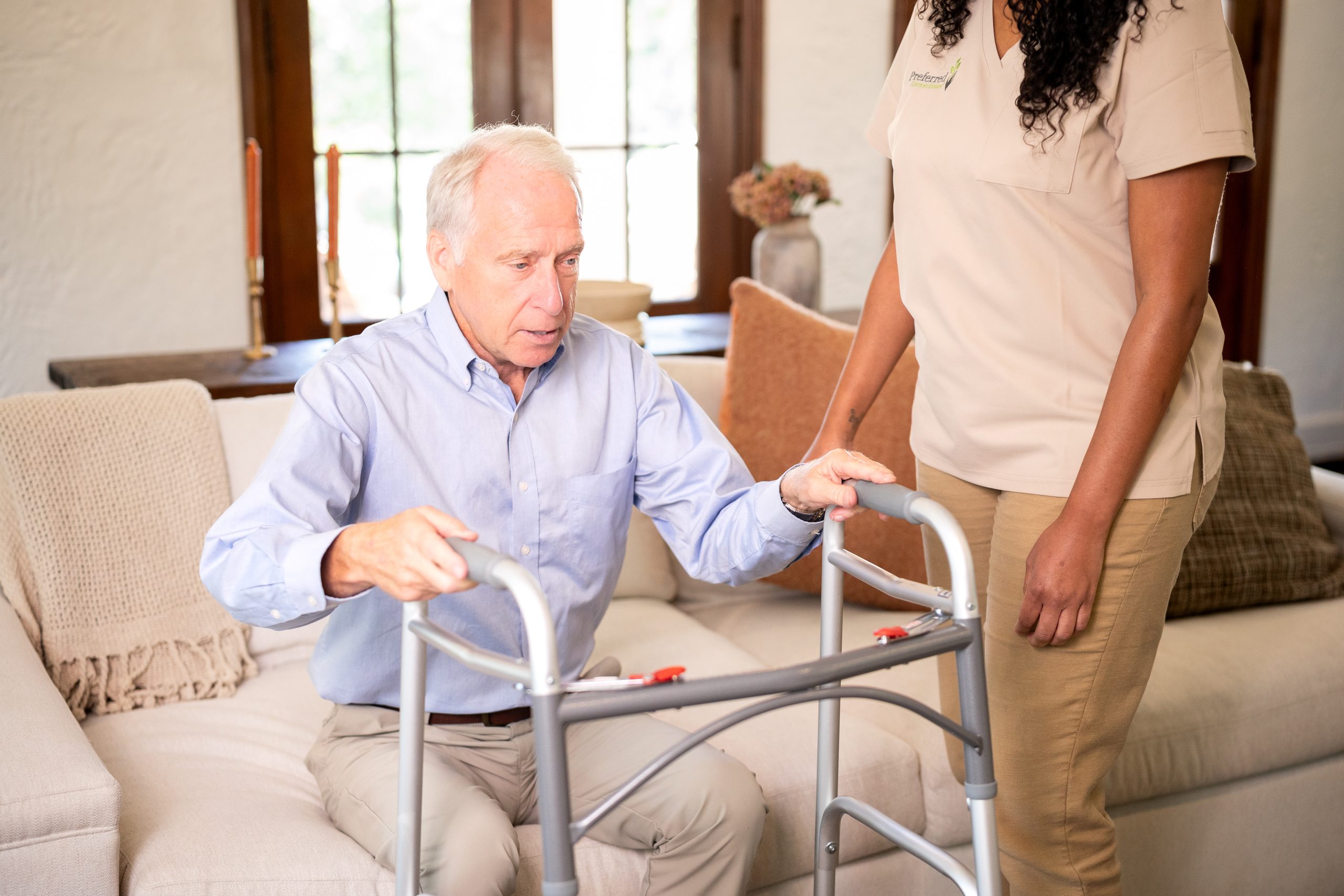
Family Caregiver Relief Without Moving Your Loved One
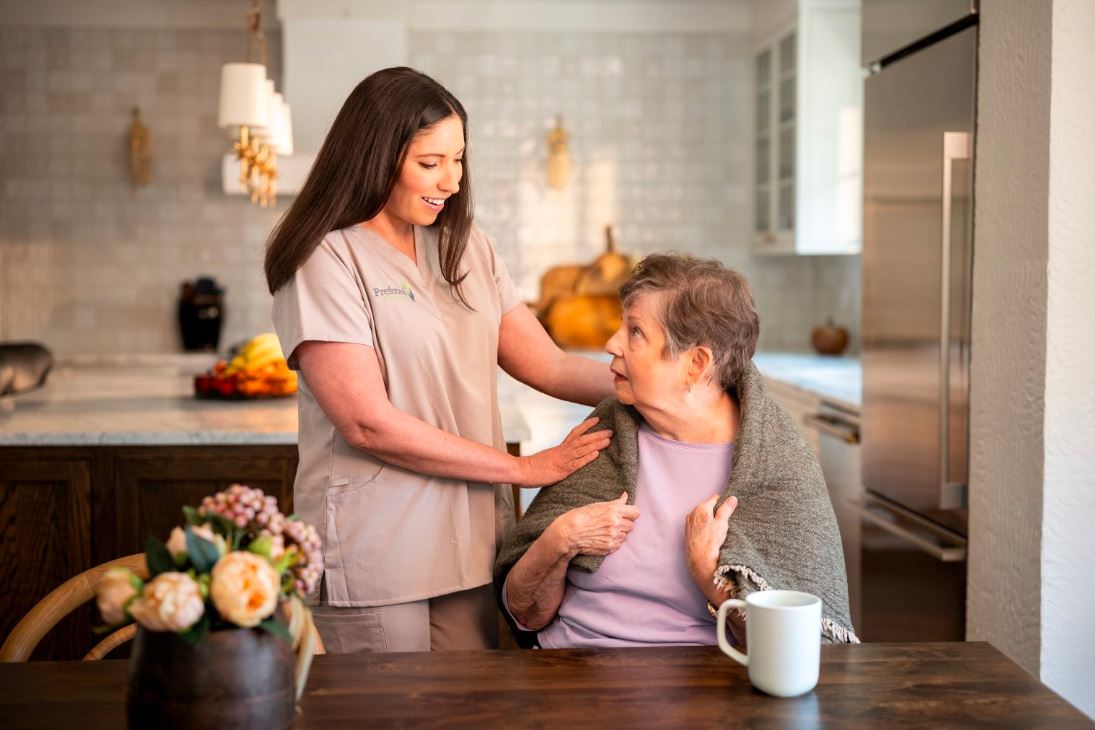
Care scales from one hour to around-the-clock home care, so a spouse or adult child can sleep, work, or travel without leaving a gap. Out-of-state family members get real-time updates through the Transparency of Care portal: visit notes, task completion, caregiver voice messages, and the master calendar — real respite care without disrupting your loved one’s familiar environment.
Highlights:
- Scheduled breaks for family caregivers
- Transparency Room portal access
- Emergency coverage available
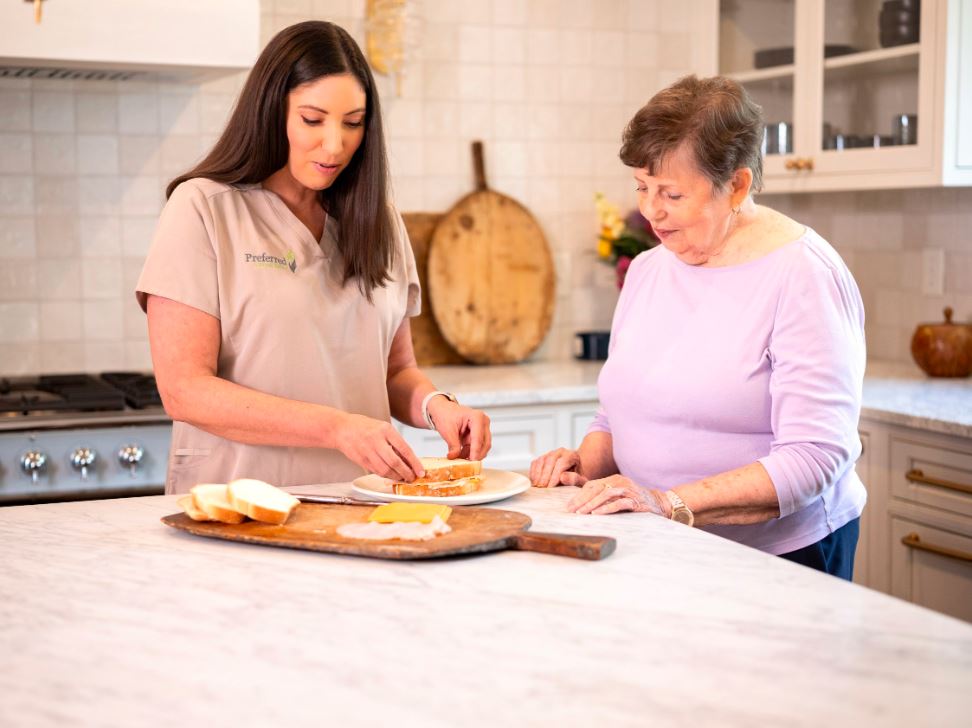
Skilled Care Coordination Inside One Agency
Our location is licensed to coordinate specialized care alongside non-medical support — something most home care agencies cannot do under one roof. RNs, LPNs, CNAs, and HHAs work from a single care plan, with physical, occupational, and speech therapy coordinated through partner providers when needed. One plan means fewer handoffs and better continuity as the disease progresses. Learn more about our coordinated care approach.
Highlights:
- RN-supervised written care plan
- Physician and specialist coordination
- Medication reminders and monitoring
24-Hour and Overnight Alzheimer's Care
Care hours scale from hourly daytime visits to continuous around-the-clock coverage as Alzheimer’s progresses. Same-caregiver matching reduces the confusion that comes with rotating staff, and overnight supervision covers the hours when wandering risk is highest. Coverage adjusts with the disease — families don’t need to switch agencies when needs grow.
Highlights:
- Continuous overnight coverage
- Rotating rested caregivers
- Personalized 24-hour schedule

ADRD-Trained Caregiver Matching
Florida statute requires ADRD training for all direct-care home health personnel. Our caregivers complete this through onboarding and our 7-step screening process. We then match each family with a caregiver whose background includes memory loss experience, matched by personality and language preference — bilingual English and Spanish caregivers available throughout the Sarasota service area.
Highlights:
- ADRD-certified and trained caregivers
- Personality and language matched
- Bilingual English and Spanish available
What To Expect: Our Alzheimer's Care Process

Step 01
Initial Contact
You call, email, or send a web form. We schedule a complimentary consultation within hours. Reach our Sarasota team at (941) 259-1155 — same-day responses are standard.

Step 02
Consultation and Assessment
We visit your home, meet your family, assess care needs, and review which daily tasks have become difficult — identifying wandering risk, routine anchors, and home safety priorities.

Step 03
Care Plan Development
We build a customized plan that adjusts as Alzheimer’s progresses, with reassessment triggers built in — from hourly daytime visits to around-the-clock coverage as needs change.

Step 04
Caregiver Matching
We match by personality, experience with memory loss, and language preference in English or Spanish. ADRD-trained caregivers screened through our 7-step process.

Step 05
Care Begins With Portal Access
Care starts and you get real-time Transparency of Care portal access from anywhere — visit notes, task completion, caregiver voice messages, and the master calendar.
Common Alzheimer's Care Challenges in Sarasota
Sarasota families navigating Alzheimer’s at home face specific obstacles. These are the challenges families most often bring to us — and how we address each one.
Challenge
Description
How We Help
Wandering and Safety Risk
Description
The Alzheimer’s Association states everyone living with Alzheimer’s is at risk for wandering. Sarasota’s warm climate means year-round outdoor exposure — and a missed exit supervision window can become dangerous within minutes.
How We Help
We walk through the home to identify exit risks, set supervision patterns around the highest-risk time windows, and document escalation triggers so the family knows exactly when a care-plan change is needed.
Problem
Out-of-State Family
Description
A common pattern in the Sarasota region. Adult children in the Northeast or Midwest coordinate care from another time zone, relying on phone calls that don’t show what’s actually happening day to day in the home.
How We Help
The Transparency of Care portal gives real-time access to visit notes, task completion, caregiver voice messages, and the master calendar — so distance doesn’t mean disconnection or guesswork.
Problem
Medicare Coverage Gap
Description
Medicare does not cover non-medical Alzheimer’s home care. Many families assume it will and are unprepared when the bills arrive. Long Term Care Insurance, VA benefits, and the CMS GUIDE model may offset costs, but families often don’t know where to start.
How We Help
We accept Long Term Care Insurance, partner with VA services including Aid and Attendance and the Guide Program, and help families navigate paperwork so coverage options don’t go unused.
Problem
Family Caregiver Exhaustion
Description
The family caregiver — often a spouse or adult child — is missing sleep, missing work, and showing signs of burnout that have stretched beyond a few weeks. Florida Alzheimer’s caregivers face chronic health challenges that compound the longer care goes without structured support.
How We Help
Structured respite is built into every care plan. Scheduled visits, overnight coverage, and a reliable caregiver handoff give family caregivers genuine room to recover without losing continuity for their loved one.
Problem
Caregiver Vetting Concerns
Description
“Trained caregivers” appears on every agency website, but families rarely know what training actually means — when it happens in the hiring sequence, what’s covered, or whether the caregiver has hands-on experience with memory loss specifically.
How We Help
Our 7-step screening process verifies memory loss experience before matching. ADRD training is completed through onboarding — not 9 months later. We then match by personality, which reduces agitation and builds the consistent relationship memory care requires.
Problem
Language Reversion
Description
Alzheimer’s often causes language reversion — seniors may lose English and rely only on their primary language as cognition declines. A significant portion of Sarasota’s senior population communicates primarily in Spanish, making language-matched caregivers essential for safe care delivery.
How We Help
We provide bilingual caregivers fluent in English and Spanish throughout the Sarasota service area. Language preference is part of the personality-matching process — not an afterthought or upgrade tier.
Local Care Throughout Sarasota County
Our team lives and works in Sarasota County and the surrounding communities, providing in-home care that is personal, consistent, and close to home.
- Sarasota
- Venice
- Englewood
- Nokomis
- Osprey
- Northport
- Wellen Park
- Lakewood Ranch
- Palmer Ranch
- Lido Key
- Longboat Key
- Siesta Key
Frequently Asked Questions About Alzheimer's In-Home Care in Sarasota
What's the difference between Alzheimer's in-home care and memory care community placement?
In-home care keeps your loved one in familiar surroundings and scales hours up over time; memory care is a one-step move into a secured community. Alzheimer’s in-home care can scale from hourly to continuous coverage over months or years, matching the slow progression of the disease, while a community placement is a single transition that’s hard to reverse. The Alzheimer’s Association notes that if safety measures are in place, a person living with Alzheimer’s can live in the comfort of home.
What ongoing support does Alzheimer's in-home care include as the disease progresses?
Care plans get reassessed at set intervals and after any change in behavior, with the same caregivers continuing where possible. As cognition changes, the plan changes with it. Reassessment triggers are documented so the family isn’t reacting in a crisis. When medical needs grow, our RN-led team can layer skilled support onto the existing plan without forcing your loved one to switch agencies.
When is it time to choose in-home Alzheimer's care instead of family-only care?
When wandering starts, bathing becomes a daily struggle, or the family caregiver is missing sleep most nights of the week. Three concrete signals tell most families it’s time: first, wandering attempts — even small ones like trying to leave at night; second, daily resistance or unsafe struggles with bathing and dressing; third, the family caregiver is losing sleep, missing work, or showing signs of burnout stretched beyond a few weeks.
What does Alzheimer's in-home care include day to day?
It covers assistance with daily activities, behavior-aware routines, home safety planning, and steady family communication. The work breaks into four pillars: assistance with bathing, dressing, meals, and medication reminders; behavior-aware routines that reduce agitation; home safety planning for wandering and fall risk; and caregiver-to-family communication through the Transparency of Care portal that keeps adult children informed from anywhere.
Are home health aides in Florida individually licensed?
No. Per the Florida Agency for Health Care Administration, home health aides are not individually licensed or certified by AHCA or any other Florida state agency. That’s why agency licensure and screening matter more than any individual credential. Ask whether the agency holds an active Florida HHA license, what its hiring screen looks like, and what ADRD training each caregiver completes before entering a home.
Can someone with Alzheimer's safely stay at home?
Yes, in most cases, if home safety measures are in place and supervision matches what the day actually requires. The Alzheimer’s Association states that if safety measures are in place, a person living with Alzheimer’s can live in the comfort of home. That means a home safety walkthrough to address exit risks, fall hazards, and kitchen and bathroom dangers, plus a supervision pattern that scales with the disease.
What are signs a loved one may need more support at home?
Watch for bathing or dressing struggles, missed or doubled medications, wandering attempts, and signs the family caregiver is running out of bandwidth. Bathing and dressing are usually the first activities of daily living to become unsafe. Medication confusion often shows up next. Wandering attempts — even brief ones — signal supervision needs to step up. And exhaustion in the family caregiver is itself a sign, not a side issue.
What training should caregivers have for Alzheimer's care?
At minimum, Florida-required ADRD training, plus documented hands-on experience with memory loss and a screening process that goes beyond a background check. Florida statute requires direct-care home health personnel to complete ADRD training within 9 months of employment. Ask competing agencies when training happens in the hiring sequence, whether an in-person interview is conducted, how memory-loss experience is verified, and how caregivers are matched to Alzheimer’s families specifically.
Does Medicare cover Alzheimer's in-home care?
Medicare may cover skilled home health under specific conditions, but non-medical Alzheimer’s home care is generally not covered. Medicare’s home health benefit covers skilled services like nursing or therapy under specific eligibility conditions — often after a hospital discharge — but it does not cover ongoing non-medical Alzheimer’s care. Preferred Care at Home accepts Long Term Care Insurance, partners with VA services for qualifying veterans, and helps families navigate available coverage.
Why do families in Sarasota start Alzheimer's care earlier rather than waiting for a crisis?
Early care builds routines, reduces caregiver burnout, and establishes a caregiver relationship before the disease forces an urgent decision. Routine-based care works best when introduced gradually. A home safety walkthrough completed before a wandering incident, caregiver matching done when your loved one can still participate, and a plan in place before a hospitalization — these all produce better outcomes than reactive decisions made under stress.