
Specialized Dementia In-Home Care for Sarasota Families
You noticed the stove left on again. The pills in the Monday slot are still there on Thursday. Preferred Care at Home of Sarasota brings caregivers matched by personality and trained for dementia, so your family is not the only safety net.
- Experienced and trained caregivers, including CNA/HHA professionals
- Bilingual support in English and Spanish
- Flexible schedules from one to twenty-four hours
- Experienced and trained caregivers, including CNA/HHA professionals
- Bilingual support in English and Spanish
- Flexible schedules from one to twenty-four hours

Why Choose Us for Dementia Care in Sarasota?
Preferred Care at Home has been in home care since 1984. Our Sarasota location is locally owned by Amy Weiss, who brings more than 18 years of Florida home care ownership. Caregivers are screened through our 7-step process and trained specifically for dementia work. We accept Long Term Care Insurance and partner with VA services including Aid and Attendance. The Transparency Room portal gives out-of-state family members real-time access to caregiver notes and visit updates from anywhere in the world.
Our Dementia Home Care Services in Sarasota
Dementia in-home care is a structured method built around predictable routine, supervision, and daily living assistance that flexes as the disease progresses. Memory loss responds to consistency — the same caregiver, the same meal preparation rhythm, the same morning routine become the intervention itself. Our Florida HHA-licensed agency serves families across the full Sarasota area.
Familiar Surroundings and Routine Support
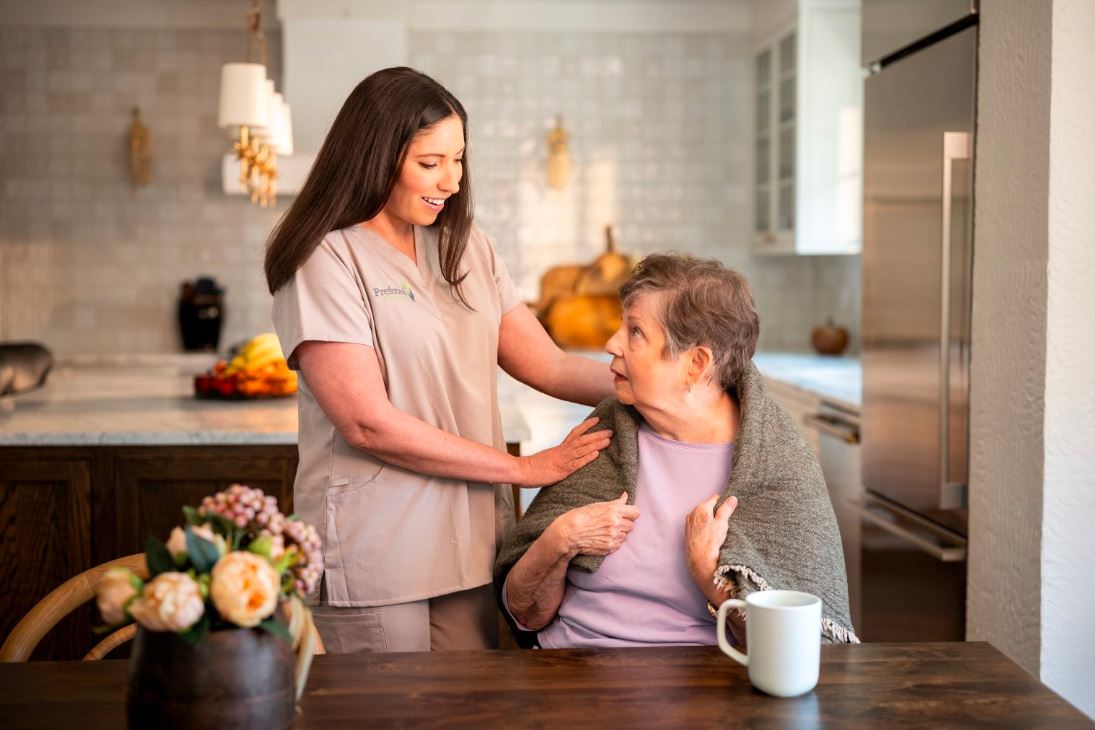
Staying in the family home preserves the visual, spatial, and routine cues that anchor memory: the chair by the window, the order of the morning, the photos in the hall. A same caregiver builds on those cues instead of replacing them, helping seniors maintain dignity and independence while assisting with bathing, dressing, and meals.
Highlights:
- Consistent daily schedules reduce anxiety
- Familiar caregiver faces for comfort
- Behavior-responsive routine adjustments
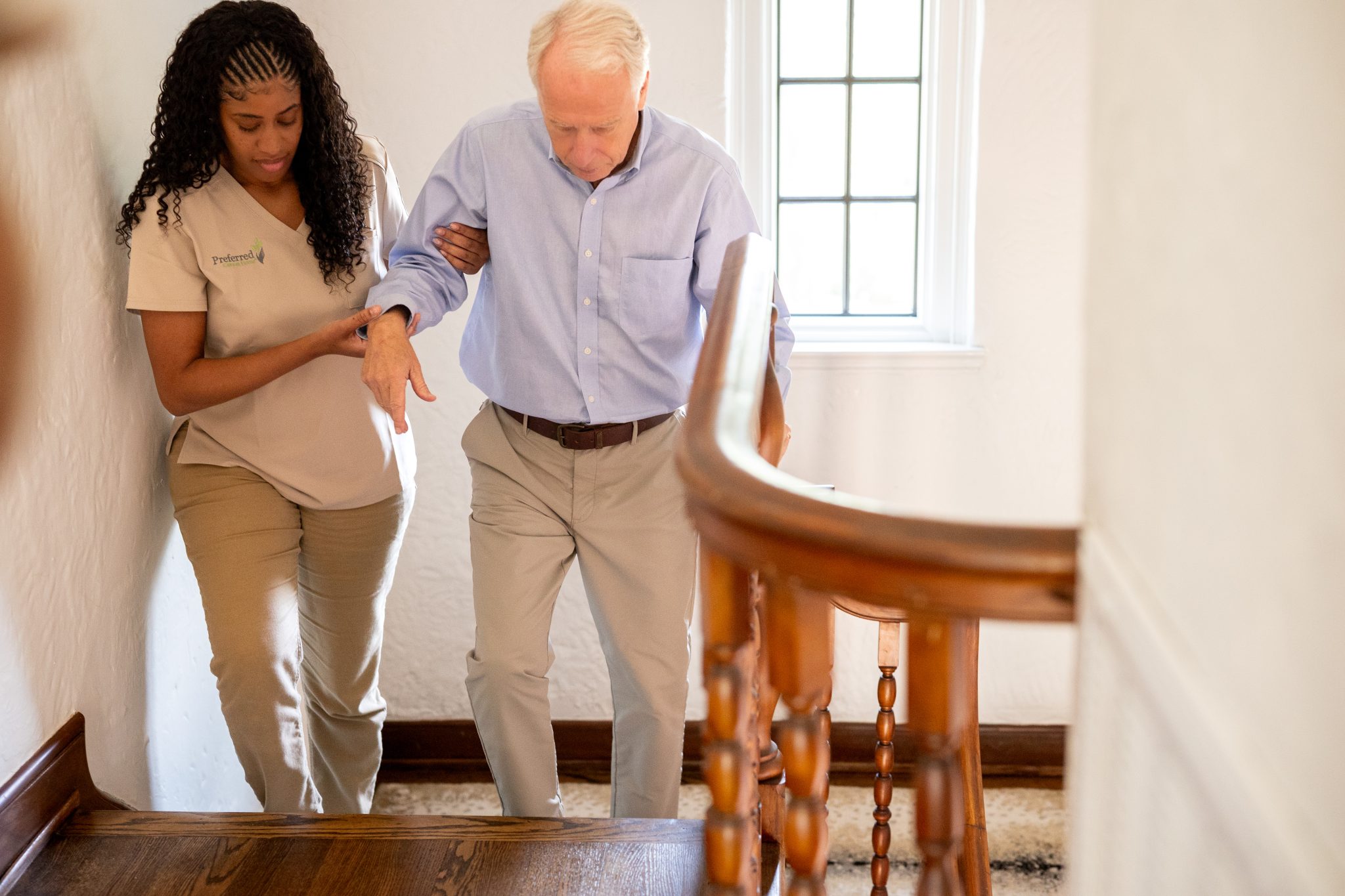
Safety Supervision and Wandering Prevention
Wandering, falls, and missed medication reminders are the three highest in-home risks for adults with dementia. Caregivers structure the day to reduce each: walking with your loved one to channel restlessness, supervising transitions, prompting medication on schedule, and monitoring the hours when wandering is most likely.
Highlights:
- Home safety supervision throughout the day
- Door and exit monitoring support
- Nighttime safety presence
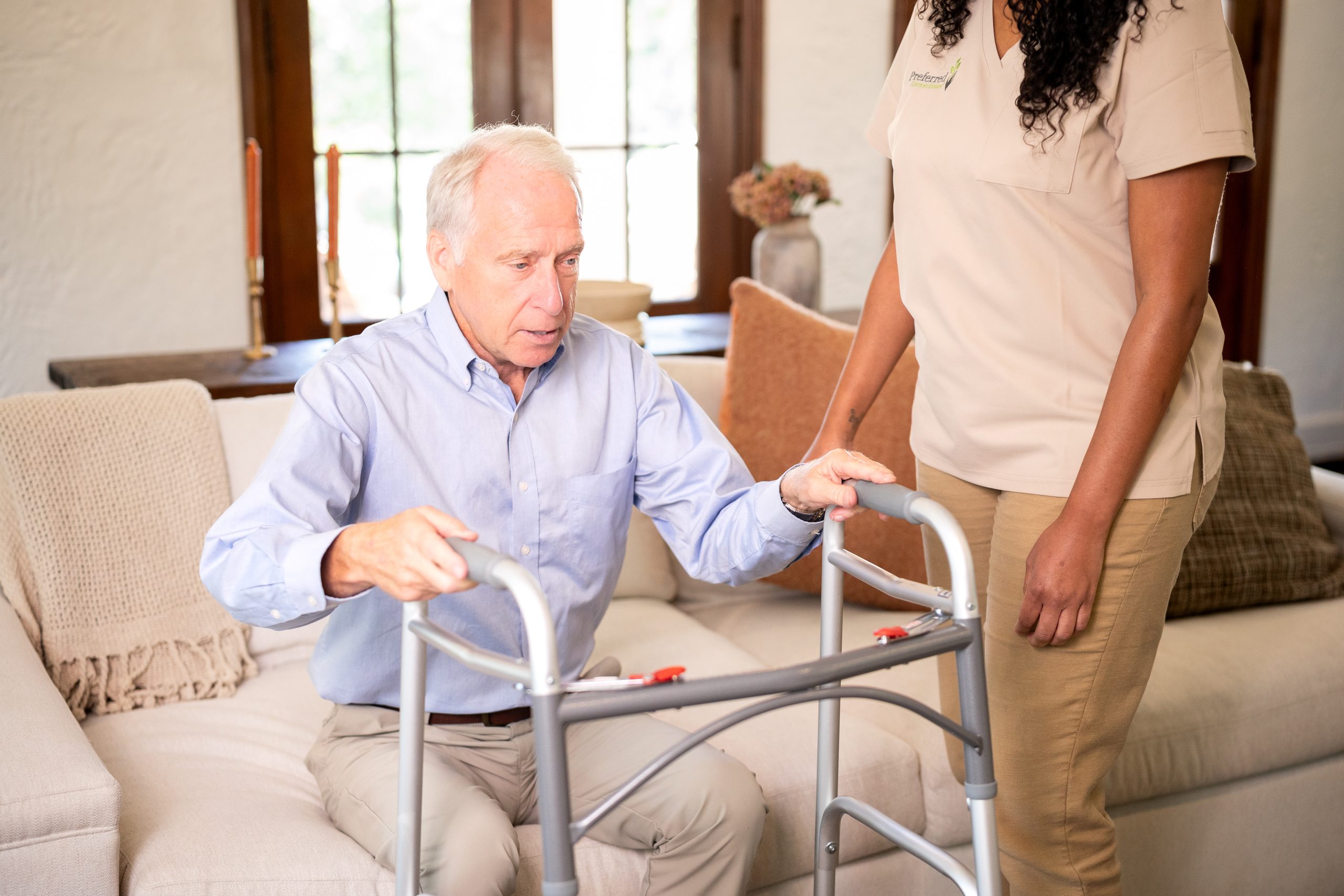
Medication Reminders and Daily Living Assistance
Consistent medication reminders, meal preparation, and assistance with bathing and dressing keep your loved one safe and on schedule. A written care plan covers every routine, and caregivers log notes after each visit so families see exactly what happened through the Transparency Room portal.
Highlights:
- Scheduled respite for family caregivers
- Transparency Room remote visibility
- Trained coverage so family can rest
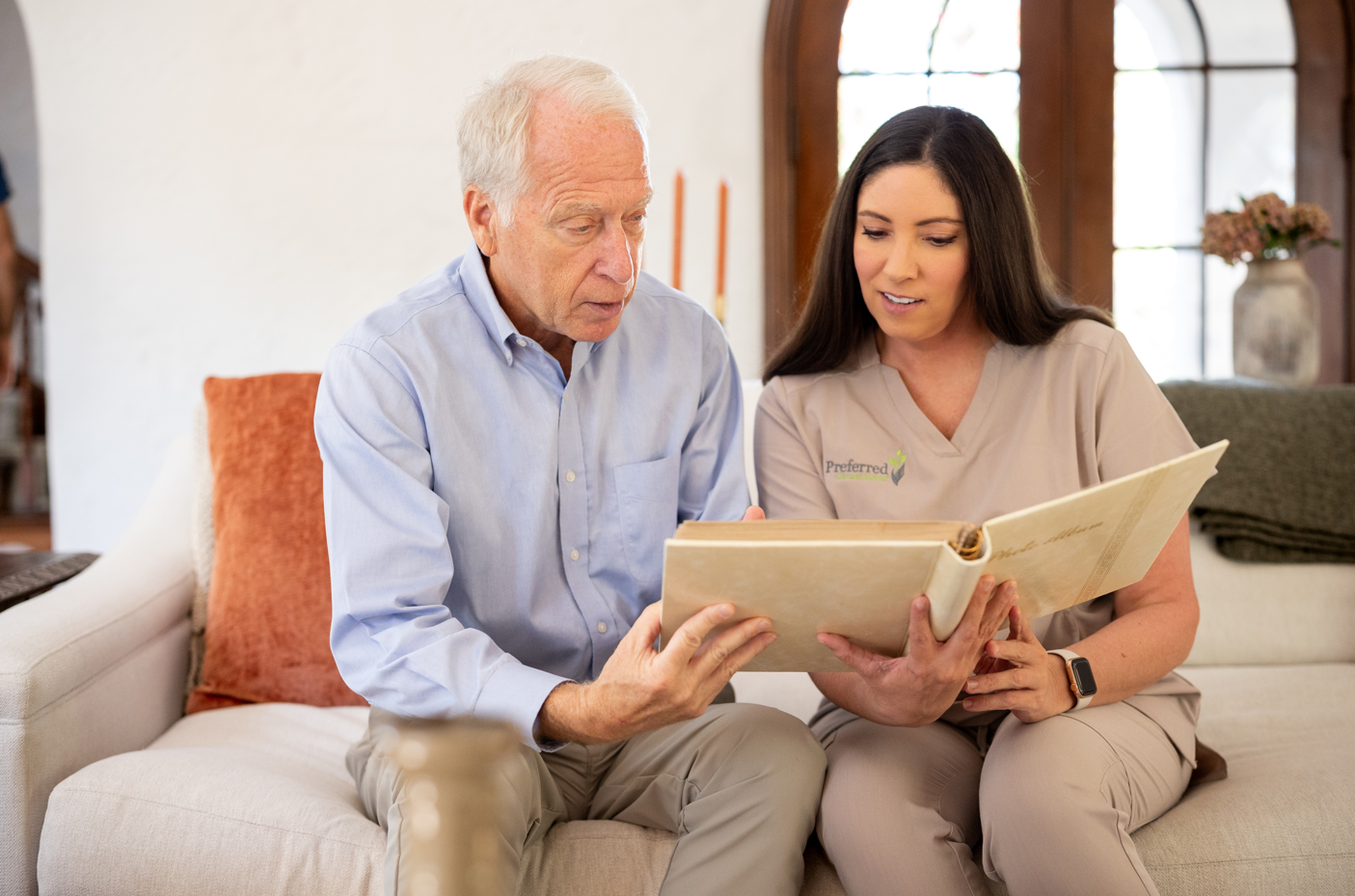
Family Caregiver Respite
Respite care is not a luxury in dementia care — it is what keeps the household standing. Scheduled visits, overnight coverage, and a structured handoff give family members room to sleep, work, and breathe. Florida dementia caregivers face chronic health challenges; structured respite is part of every care plan. Learn more about our respite support.
Highlights:
- RN oversight of written care plan
- Coordination with physicians and specialists
- Medication reminder management
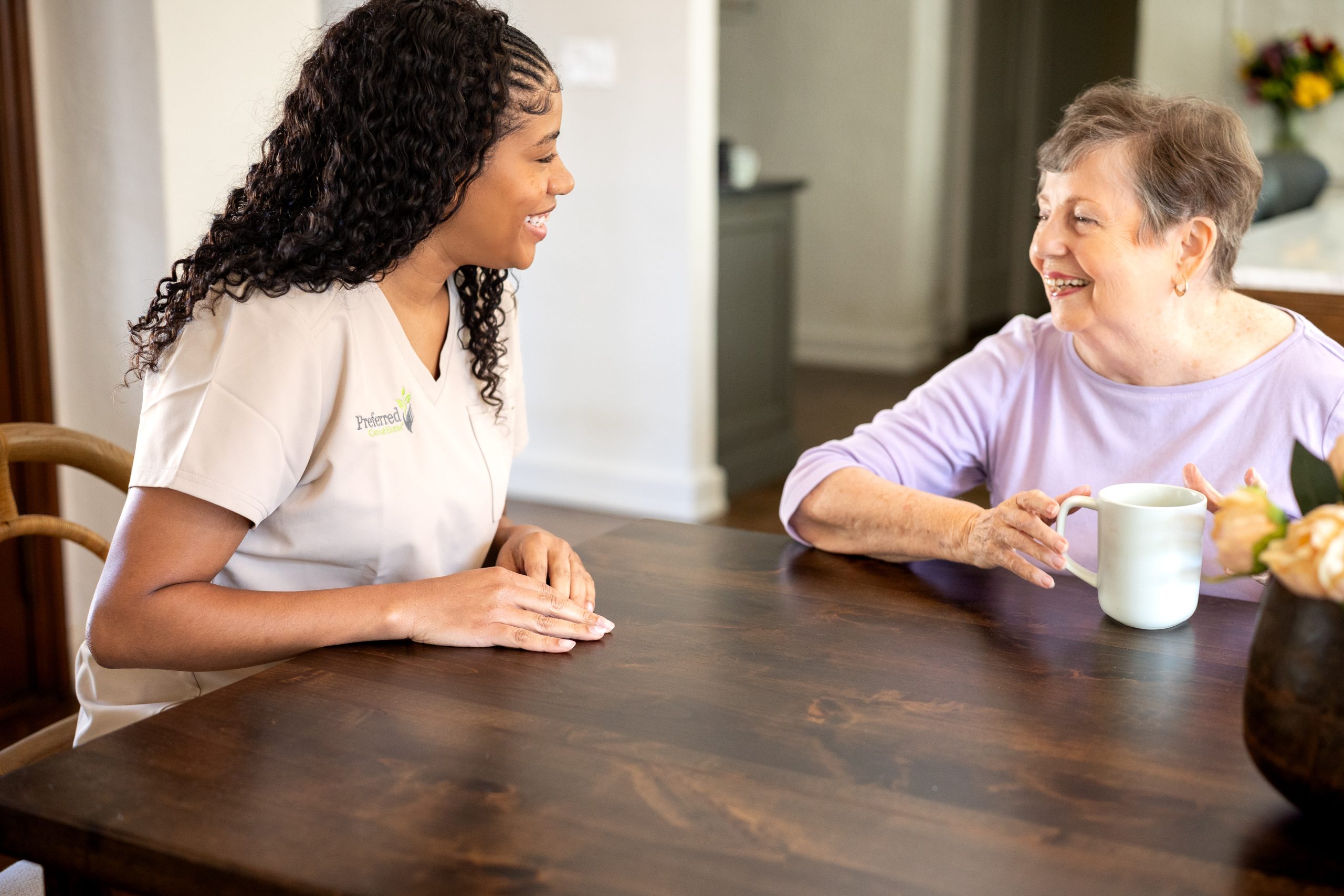
24-Hour and Overnight Dementia Care
Hours start as low as one per day and scale to around-the-clock home care as cognition declines. Coverage can begin with overnight shifts and scale to 24-hour care as the disease progresses. Same-caregiver matching reduces the confusion that comes with rotating staff, providing continuity your loved one can count on.
Highlights:
- Continuous overnight monitoring
- Rotating rested caregivers
- Personalized 24-hour schedule
Memory-Focused Companion and Social Support
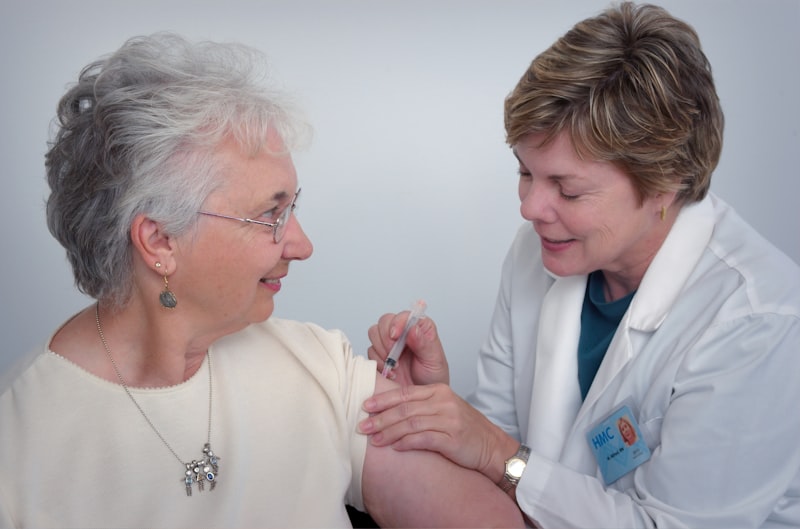
Familiar activities, light recreation, and consistent companionship reduce anxiety and preserve engagement for seniors living with dementia. Bilingual English and Spanish caregivers are available for households who prefer Spanish-language communication. Our senior care services bring peace of mind to Sarasota families across neighborhoods from Lakewood Ranch to Siesta Key.
Highlights:
- ADRD-trained caregiver matching
- Personality and language matched
- Bilingual English and Spanish available
What To Expect: Our Dementia Care Process

Step 01
Reach Out for a Free Consultation
You call, email, or send a message and we schedule a free consultation. Reach our Sarasota team at (941) 259-1155. Same-day responses are standard.

Step 02
In-Home Assessment
We meet with your family to understand your loved one’s dementia stage, daily needs, and home environment — identifying safety risks and routine anchors.

Step 03
Build a Care Plan Together
We draft a written plan covering routines, safety supervision, and the hours that fit your household — from 1 hour a day to around-the-clock care.

Step 04
Match the Right Caregiver
We match a caregiver by personality, dementia experience, and language preference — including bilingual English and Spanish. Screened through our 7-step process.

Step 05
Care Begins with Transparency Room Access
Care begins and your family logs into the Transparency Room to follow visits, notes, and updates from anywhere — giving out-of-state family members real-time peace of mind.
Common Dementia Care Challenges in Sarasota
Sarasota families managing dementia at home face specific obstacles. These are the challenges families most often bring to us — and how we address each one.
Challenge
Description
How We Help
Wandering and Elopement Risk
Description
Wandering is one of the most dangerous behaviors in dementia. People with dementia face wandering risk, and Sarasota’s warm climate means year-round outdoor exposure without appropriate supervision can become dangerous quickly.
How We Help
Caregivers monitor doors and exits, walk with your loved one during the day to channel energy, and supervise nighttime hours when wandering is most common. Safety planning is built into every care plan.
Problem
Out-of-State Family
Description
Many Sarasota seniors have adult children managing care from the Northeast or Midwest. Monitoring dementia care from a distance creates anxiety, guilt, and gaps in oversight that families cannot close with phone calls alone.
How We Help
The Transparency Room closes the distance gap, giving out-of-state family members real-time access to caregiver notes, schedules, and updates so distance does not mean disconnection.
Problem
Family Caregiver Burnout
Description
Florida dementia caregivers face chronic health challenges and depression. The spouse or adult child managing care for over a year often has poor sleep, suffers professionally, and has withdrawn socially — a crisis building in the background.
How We Help
Structured respite is built into every care plan. Scheduled visits, overnight coverage, and a reliable handoff give family caregivers genuine time to recover without losing continuity for their loved one.
Problem
Medicare Coverage Gap
Description
Medicare does not cover non-medical dementia home care. Many Sarasota families are unaware that Long Term Care Insurance, VA benefits, or the CMS GUIDE model may significantly offset the cost of ongoing dementia support.
How We Help
We accept Long Term Care Insurance and partner with VA services including Aid and Attendance and the Guide Program. Our team helps families navigate claims and identify coverage options they may not know they have.
Problem
Caregiver Consistency
Description
Rotating caregivers disrupt the routine and recognition cues that dementia patients depend on. Inconsistency increases anxiety, resistance to care, and behavioral symptoms that wear families down.
How We Help
We match caregivers by personality, dementia experience, and language fit — then maintain that match. Same-caregiver continuity reinforces memory cues and reduces anxiety as the disease progresses.
Problem
Language Barriers
Description
A significant portion of Sarasota’s senior population communicates primarily in Spanish. Dementia makes language reversion common — seniors may lose English and rely only on their first language as cognition declines.
How We Help
We provide bilingual caregivers fluent in both English and Spanish throughout the Sarasota region. Language-matched caregivers are part of the personality-matching process for every family who needs them.
Local Care Throughout Sarasota County
Our team lives and works in Sarasota County and the surrounding communities, providing in-home care that is personal, consistent, and close to home.
- Sarasota
- Venice
- Englewood
- Nokomis
- Osprey
- Northport
- Wellen Park
- Lakewood Ranch
- Palmer Ranch
- Lido Key
- Longboat Key
- Siesta Key
Frequently Asked Questions About Dementia Home Care in Sarasota
What is the difference between dementia home care and memory care?
Dementia home care brings caregivers into the family home, while memory care moves the person into a dedicated residential facility with continuous staff supervision. Home care preserves familiar surroundings and routines, which often reduce anxiety tied to dementia. Memory care provides continuous facility supervision when home cannot be made safe enough. Many families in Sarasota start at home and reassess as the disease progresses.
What ongoing support does dementia care include?
Dementia care includes assistance with daily living, routine support, safety monitoring, medication reminders, meal preparation, and family caregiver respite. Care plans flex with the disease — early on, support may mean a few hours a day; later, the plan may include around-the-clock care and overnight supervision. Plans are updated as your loved one’s needs change.
What does in-home dementia care actually include day to day?
A typical day includes assistance with bathing and dressing, meals, medication reminders, light activities, supervision, and companionship. Days are built around your loved one’s routine — a caregiver may help with morning hygiene, prepare breakfast, supervise medication, walk the neighborhood, lead a familiar activity, and stay through the afternoon. Tasks shift as needs change and as the care plan is updated.
When is it no longer safe for someone with dementia to stay at home?
Home is no longer safe when supervision needs exceed what caregivers and home adaptations can support, or when behavioral symptoms create active risk. Warning signs include repeated wandering, falls, leaving stoves on, refusing personal care, or aggression that endangers the household. A care plan can extend safe time at home significantly, but not indefinitely.
Is 24-hour dementia care at home possible?
Yes, around-the-clock dementia care is possible at home and is often introduced when supervision or overnight needs grow. Preferred Care at Home offers around-the-clock care with caregivers matched by personality and dementia experience. Coverage can begin with overnight shifts and scale to 24-hour care as the disease progresses. Same-caregiver matching reduces confusion from rotating staff.
Can dementia caregivers help with wandering and fall prevention?
Yes, caregivers structure routines, supervise transitions, and adapt the home environment to reduce both wandering and fall risk. Caregivers monitor doors and exits, walk with your loved one during the day to channel energy, supervise nighttime hours when wandering is most common, and assist with mobility and transfers throughout the day.
What support is available for family caregivers in Sarasota?
Family caregivers can access respite care, care coordination, and local support groups through Preferred Care at Home and Sarasota-area resources. Preferred Care at Home builds respite into every care plan so family members can rest without losing continuity for their loved one. Local Alzheimer’s caregiver support groups also meet across the Sarasota area.
Does Medicare or insurance help cover dementia care at home?
Medicare does not cover non-medical home care, but long term care insurance, VA benefits, and the CMS GUIDE program may help offset costs. CMS launched the GUIDE model on July 1, 2024, which provides eligible dementia caregivers respite support annually. Preferred Care at Home accepts long term care insurance and partners with VA services for qualifying veterans and surviving spouses.
Why do families start dementia home care before a crisis happens?
Early care builds routines, reduces caregiver burnout, and creates a relationship with a caregiver before the disease forces an urgent decision. Routines, safety adaptations, and caregiver matching work best when introduced gradually. Starting before a fall, a wander event, or caregiver collapse gives families time to plan instead of react — the most effective approach to long-term dementia care.
Do you have bilingual dementia caregivers in Sarasota?
Yes. We have bilingual caregivers fluent in both English and Spanish throughout the Sarasota region. Dementia makes language reversion common — seniors may lose English and rely only on their first language as cognition declines. Bilingual caregivers are matched as part of our personality-matching process for every family who needs them.