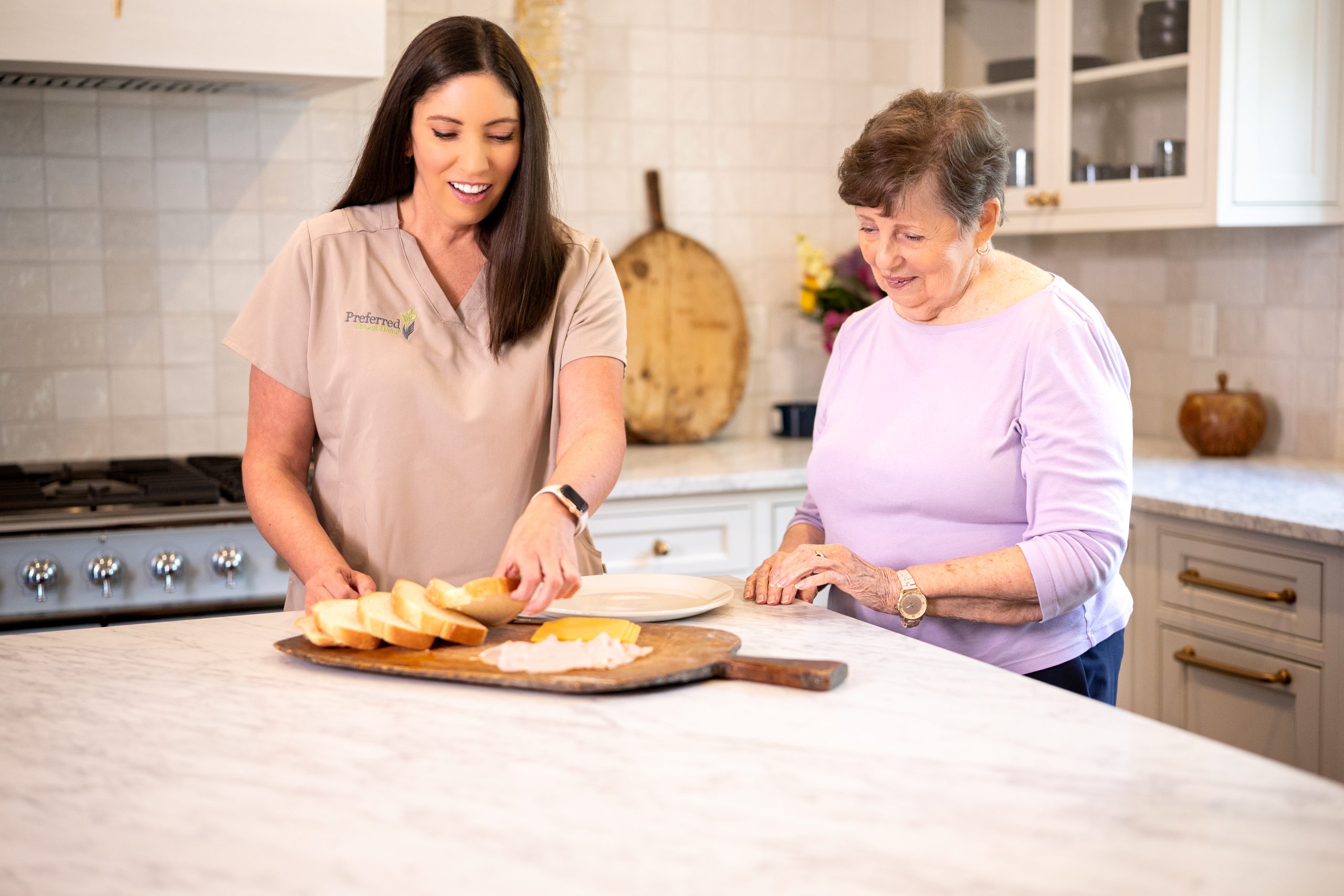
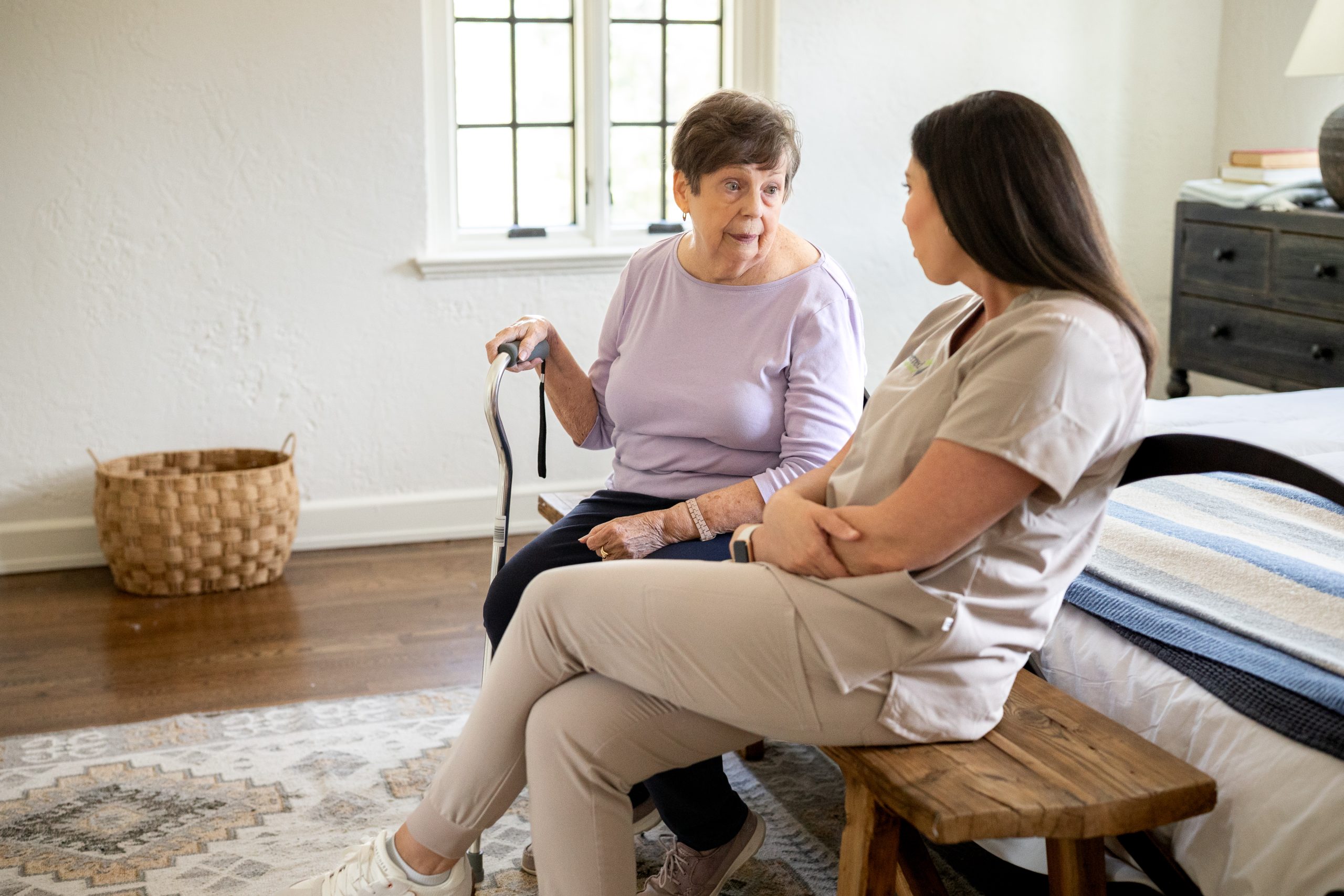
Making decisions about care for elderly parents or loved ones is not easy. The thought of change, of asking for help, of potentially moving someone from the home where memories have been made can feel overwhelming. We understand. At the same time, knowing your options can bring peace of mind and enhance quality of life for everyone involved. According to the Administration for Community Living, 70% of adults turning 65 will need some form of long-term care services in their remaining years. You are not alone in facing this decision, and understanding the different types of elder care services available can help you make the choice that best honors your loved one’s dignity and independence.
Understanding Your Elder Care Options
As we age, a big part of happiness depends on being comfortable and cared for. For many elderly adults, home is where memories have been made and are still being created. That’s why the types of senior care available today are designed to support seniors and meet people where they are, both literally and in terms of their care needs.
Elder care services generally fall into two main categories: in-home care services and residential care facilities. Within each category, there are different levels of support ranging from basic companionship to complex health services. The level of care your loved one needs depends on their ability to perform activities of daily living such as bathing, dressing, eating, and moving around safely. It also depends on any medical conditions, cognitive health, and the support available from family members.
Understanding these options starts with recognizing that care needs can change over time. What works today might need adjustment in six months or a year. Planning ahead for these transitions helps families avoid making decisions during a health crisis. The most important thing is finding care that allows your loved one to maintain their quality of life and emotional well being while getting the support they need.
In-Home Care Services: Staying Comfortable in Familiar Surroundings
For many families, keeping elderly parents at home is the preferred choice. In-home care allows older adults to age in place with the support of professional caregivers who come to the home. This approach maintains independence while providing necessary medical assistance and personal care.
Personal Care Services
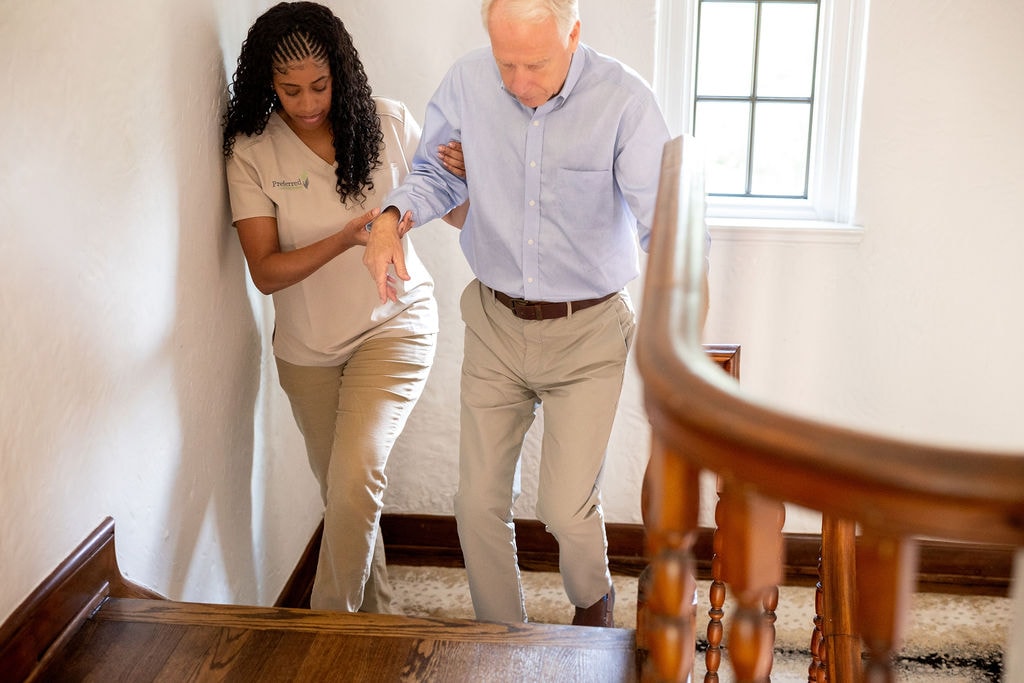
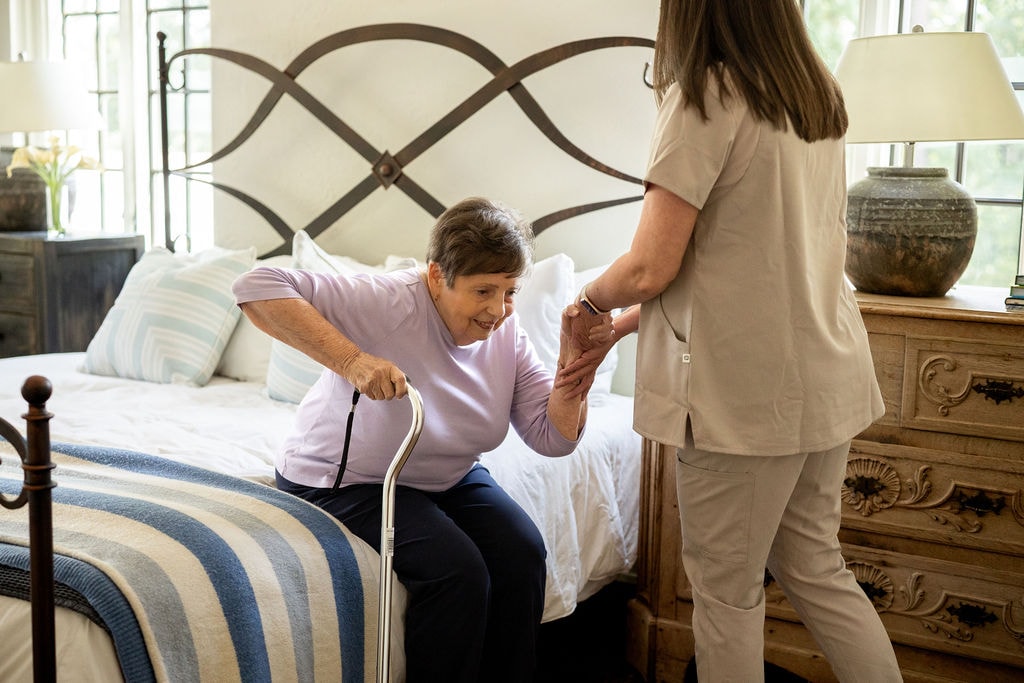
Personal care helps with activities of daily living. Trained professionals assist with bathing, dressing, grooming, toileting, and mobility support. They can provide medication reminders and help with transfers from bed to chair or wheelchair. Personal care services are customized to each person’s needs through personalized care plans, ranging from just a few hours a week to several hours each day.
Companion Care
Sometimes the greatest need is not physical assistance but emotional support and social interaction. Companion care provides meaningful companionship for elderly people who live alone or whose family caregivers work during the day. Companions engage in conversation, accompany seniors to doctor’s appointments and hospital visits, participate in light activities, and provide safety reassurance. This type of care addresses the loneliness that too often comes with aging and helps maintain mental health.
Live-in Care
When round-the-clock presence is needed but skilled nursing facilities are not, 24-hour live-in care offers an excellent solution. A professional caregiver lives in the home and provides continuous supervision and assistance. This arrangement gives families peace of mind knowing their loved one is never alone, while allowing the senior to remain in familiar surroundings. Live-in care is often more affordable than many people imagine and provides consistency that frequent caregiver changes cannot match.
Hospital-to-Home Transition Care
After hospitalization, elderly adults often return home with complex instructions about medications, wound care, and follow-up appointments. Hospital-to-home transition care helps prevent readmission by providing short term support during this vulnerable period. Trained caregivers help manage the recovery process, ensure medication compliance, and communicate with healthcare professionals. This type of care bridges the gap between acute care facility discharge and full recovery at home.
Independent Living Communities: Active Lifestyle with Support
Independent living communities serve elderly people who are healthy and active but want to simplify their lives. These senior living communities offer private apartments or cottages in a maintenance free lifestyle environment. Residents handle their own activities of daily living without assistance but enjoy amenities like restaurant-style dining, housekeeping, transportation, fitness centers, and social activities.
Independent living is not a care facility in the traditional sense. There is no medical staff or help with personal care. Instead, these communities provide a community setting and convenience services. They appeal to seniors who want to downsize from a larger home, eliminate yard work and home maintenance, and be part of an active senior living community. Many continuing care retirement communities offer independent living as one level of care, with the ability to transition to higher levels of medical support as needs change.
Assisted Living Facilities: Personal Care with Independence
Assisted living facilities provide housing and care services for elderly people who need help with some activities of daily living but do not require the intensive skilled nursing care of what are called skilled nursing facilities. Residents typically live in private apartments or semi-private rooms within a residential care community.
The care provided in assisted living communities includes assistance with bathing, dressing, medication management, and mobility. Meals are served in a common dining area, and social activities keep residents engaged. Laundry services, housekeeping, and transportation are typically included. What sets assisted living apart from nursing homes is that residents maintain more independence and control over their daily schedules. The medical support provided focuses on monitoring and assistance rather than intensive medical care.
According to industry statistics, the national median cost for assisted living is approximately $5,350 per month or $64,200 annually. Costs vary significantly by location and the level of personal care required. Most assisted living residents pay privately, though some states offer Medicaid coverage to help cover costs for the care component. The residential feel and emphasis on maintaining independence make assisted living a good middle ground for those who need support services but are not ready for a skilled nursing environment.
Memory Care Facilities: Specialized Support for Cognitive Decline
Memory care provides specialized support services for elderly adults living with Alzheimer’s disease, dementia, and other forms of cognitive impairment. These can be standalone memory care facilities or dedicated memory care units within assisted living communities or skilled nursing facilities.
What makes memory care different is the secure environment designed to prevent wandering, along with medical staff trained specifically in dementia care. Healthcare professionals use techniques to manage behavioral challenges, reduce confusion, maintain emotional well being, and preserve the resident’s dignity. Structured routines, cognitive engagement activities, and safe outdoor spaces help residents maintain quality of life as their condition progresses.
Memory care communities typically cost more than standard assisted living due to the specialized staff training and secure design. However, for family caregivers caring for someone with Alzheimer’s or dementia, the peace of mind and professional support can be invaluable. Some families also choose to receive dementia and Alzheimer’s care at home with specially trained professionals who provide the same services in a familiar environment.
Skilled Nursing Facilities: Comprehensive Medical Care
Skilled nursing facilities, often called nursing homes, provide 24-hour skilled nursing care for elderly people with complex medical conditions or those recovering from surgery or illness. These care facilities have licensed medical staff on staff at all times and can provide medical care that other senior living options cannot deliver.
The care in skilled nursing facilities includes wound care, IV medications, tube feeding, catheter care, and ventilator support. Rehabilitation services such as physical therapy, occupational therapy, and symptom management are available for those recovering from strokes, falls, or surgery. Unlike assisted living, skilled nursing facilities can handle residents with significant complex health needs and those who require help with all activities of daily living.
While skilled nursing is the most intensive and expensive type of care, it becomes necessary when medical conditions require constant attention from healthcare professionals. Medicare covers short-term skilled nursing for rehabilitation services after hospitalization, but long-term care in nursing homes is typically paid privately or through Medicaid once personal funds are depleted.
Additional Care Options to Consider
Beyond the major categories, several other types of elder care services fill specific needs and support seniors in various situations:
Respite care provides temporary relief for family caregivers and primary caregivers who need a break. Professional caregivers step in for a few hours, days, or weeks, allowing family members to rest, travel, or handle other responsibilities. This short term support prevents caregiver burnout.
Adult day programs offer supervision and activities during daytime hours in a community setting. Elderly adults attend the center while family members work, then return home in the evening. These programs provide social interaction, structured activities, and sometimes health care services.
Hospice care focuses on comfort and quality of life for those in the final stages of terminal illness. Hospice services can be provided at home, in a hospice facility, or in nursing homes, with the goal of managing pain through palliative care and supporting emotional well being for both patients and families. Compassionate care during this time honors life expectancy realities while maintaining dignity.
Continuing care retirement communities offer a full continuum of care on one campus, from independent living through assisted living to skilled nursing. Residents can age in place, transitioning between levels of care as needs change without leaving the community. This approach provides the same services throughout different life stages.
How to Choose the Right Type of Care
Deciding which type of elder care is right for your family depends on several key factors. Understanding these considerations will help you make a confident choice.
Assess Current and Future Needs
Start by honestly evaluating your loved one’s current abilities and health conditions. Can they safely perform activities of daily living? Do they have chronic illnesses that require medical monitoring? Are there cognitive concerns or memory loss? Also consider how needs might progress. Choosing care services that can adapt as care requirements increase provides continuity and avoids transitions during a health crisis.
Consider Personal Preferences
Where does your loved one want to be? Many elderly people strongly prefer aging in place at home. Others feel isolated at home and would welcome the social interaction of a senior living community. Honoring these preferences whenever safely possible maintains dignity and improves quality of life and emotional support.
Evaluate Family Support
What level of care can family members realistically provide? Are there adult children nearby who can help, or do they live far away? Family caregivers provide the majority of elder care in America, with over 38 million people offering unpaid support. But caregiver burnout is real. Professional caregivers and health care services can supplement family efforts or provide full support when family care is not sustainable.
Think About Location and Access
If considering residential care facilities, is the location convenient for family visits and doctor’s appointments? For in-home care, are qualified agencies available in your area? Being able to visit regularly and stay connected matters for both the elderly person receiving care and their family members.
Understanding the Costs of Elder Care Services
Cost is a major concern for families planning elder care. Being informed about typical expenses and how to cover costs helps with realistic planning ahead.
In-Home Care Costs
According to current data, the national median cost for in-home care is approximately $33 per hour in 2025. This hourly rate varies by state, ranging from around $24 per hour in some areas to $43 per hour in higher-cost regions. For someone needing 20 hours of care per week, monthly costs would be around $2,860. Full-time care at 40 hours per week costs approximately $5,720 monthly, while 24-hour care can cost $21,000 to $28,000 per month.
Live-in care, where a caregiver resides in the home, is often more cost-effective for round-the-clock needs than paying for three separate eight-hour shifts. The exact cost depends on the level of care required and local market rates.
Residential Care Costs
Assisted living costs average $5,350 monthly nationally, though this varies significantly by location and level of personal care. Memory care facilities typically cost more, often $6,000 to $7,000 monthly, due to specialized staffing and secure environments. Skilled nursing facilities are the most expensive option, with annual costs exceeding $100,000 in many areas.
Independent living communities are generally the most affordable residential option, with monthly fees around $3,000 to $4,000, though this is primarily for housing and amenities rather than health care services.
Payment Options and Financial Assistance
Most families pay for elder care services out of pocket, at least initially. However, several programs can help cover costs. Medicare covers short-term skilled nursing and limited home health care but does not pay for long-term custodial care. Medicaid covers nursing home care and some home and community-based support services for those who qualify based on income and assets.
Veterans and their spouses may be eligible for Aid and Attendance benefits that help pay for in-home care. Long-term care insurance, if purchased years earlier, can offset expenses. Some families explore reverse mortgages or other financial planning strategies. For detailed information about ways to pay for home care, resources are available to guide your planning.
The cost of care should be weighed against the value it provides. Professional caregivers offer expertise, reliability, and peace of mind that may prevent more expensive health issues down the road. Keeping elderly adults safe, comfortable, and engaged in life is worth the investment.
Finding the Right Care for Your Family
Every family’s journey with elder care is unique. Whether you are just beginning to explore options or facing an immediate need, understanding the different types of elder care services available empowers you to make informed decisions. From in-home personal care that allows aging in place to specialized memory care communities and skilled nursing for complex medical needs, the right solution exists for your situation.
The most important thing is not to delay. As care needs evolve, having support in place prevents a health crisis and improves outcomes. Starting with a few hours of companion care or homemaker services can make daily living easier. If needs increase, transitioning to more intensive support services becomes a natural progression rather than an emergency decision.
At Preferred Care at Home, we have spent more than 40 years helping families navigate these choices. We understand that asking for help is not always easy, and we want to be there for you, by your side, every step of the way. Our care services are designed to honor the independence and dignity of elderly people while providing the compassionate care and reliable support that brings peace of mind to families.