
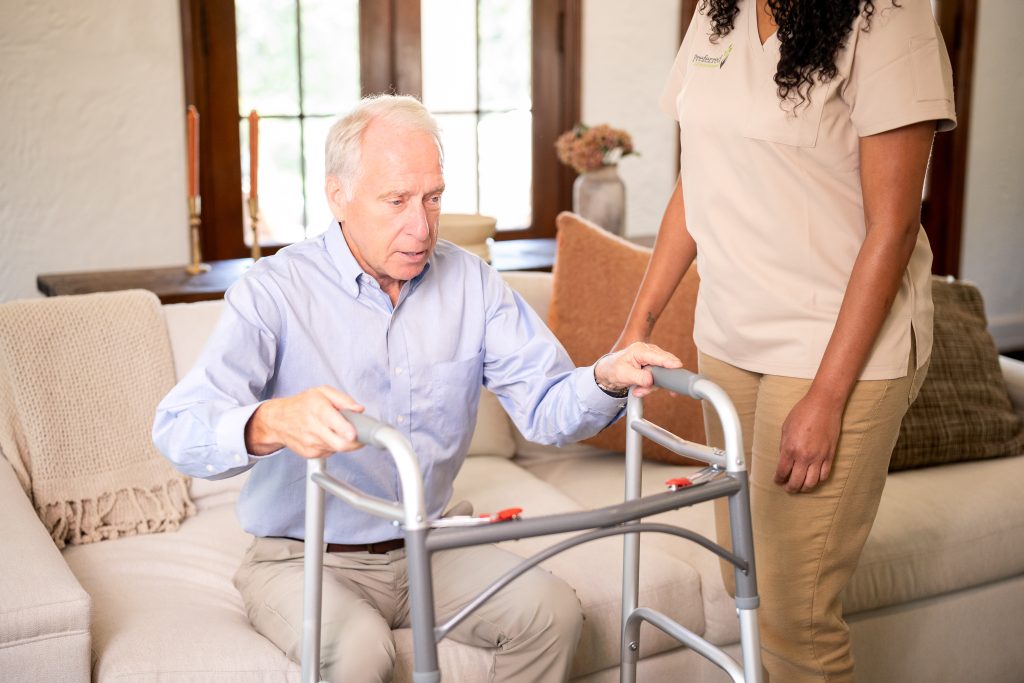
Most seniors in North San Antonio want the same thing: to stay in the home they chose, on their own street, close to family and familiar routines. Aging in place is possible for many older adults, but it rarely happens by accident. It takes a plan that looks honestly at the home, the terrain, and the kind of daily support that keeps independence sustainable rather than risky.
The good news is that small, practical changes make a real difference, and they don’t have to happen all at once. Whether you’re just starting to think about your parent’s or spouse’s safety at home, or you’re noticing changes that make you want to act now, this guide covers the essentials for aging in place well in the San Antonio greater San Antonio area.
Key Takeaways
- Aging in place safely starts with a home safety review focused on fall prevention, lighting, and clear walkways.
- Daily support with personal care, meals, and transportation helps seniors stay independent longer without sacrificing safety.
- Foothills living adds real considerations, such as hilly terrain and wildfire season, that are worth planning for in advance.
- In-home care can flex from a few hours a week to more consistent support as needs change over time.
- It’s easier to plan while things are stable, so starting the conversation early is one of the best steps a family can take.
Making the Home Safe for Aging in Place
Falls are one of the biggest threats to living independently, and most fall hazards are fixable. A simple walkthrough of the home, room by room, can catch problems before they cause an injury.
- Secure or remove loose rugs, cords, and clutter from walkways
- Add grab bars near the toilet and inside the shower or tub
- Use a non-slip mat or strips in the shower and tub
- Improve lighting in hallways, stairwells, and entryways, including nightlights
- Install handrails on both sides of any staircase
- Keep frequently used items within easy reach to avoid stretching or climbing
- Make sure exterior walkways, steps, and porches are level and well lit
None of these changes need to be expensive or disruptive. Even a few adjustments, done thoughtfully, can meaningfully lower the risk of a fall while keeping the home feeling like home.
Daily Support That Protects Independence
Staying home successfully isn’t just about the physical space. It’s also about having help with the daily tasks that can quietly become harder over time, before they turn into a crisis.
A little consistent support often goes a long way. Personal care assistance with bathing, dressing, and mobility helps prevent the kind of accidents that happen when someone tries to manage alone. Homemaker care covering light housekeeping, laundry, and meal preparation keeps the home running smoothly and nutrition on track. Companion care addresses something families sometimes overlook: isolation, which can affect mood, memory, and overall well-being just as much as physical health. And reliable transportation to medical appointments, errands, or social visits keeps seniors connected to their community, not confined to the house.
For someone recently discharged from a hospital or rehab stay, transition care can bridge the gap, offering focused, short-term support while they regain strength and confidence at home.
Planning for Life in the Foothills
Aging in place in North San Antonio, Hill Country Village, Shavano Park, Alamo Heights, Castle Hills, Alamo Heights, or Shavano Park comes with a few local realities worth planning around. The hilly terrain that makes this area beautiful can also make driveways, walkways, and yards more challenging to navigate safely, especially in wet weather or after dark. It’s worth taking an honest look at how a senior moves between the car, the front door, and the rest of the property.
Wildfire season and the possibility of Public Safety Power Shutoffs (PSPS) are also part of life here. A little preparation goes a long way: keeping a charged backup battery or flashlight on hand, having a few days of medication and water set aside, and knowing evacuation routes in advance. Families who plan for these situations ahead of time feel far calmer when they actually happen.
How In-Home Care Makes Aging in Place Sustainable
A safe home and a good plan are the foundation, but consistent, personal support is often what makes staying home sustainable for the long run. In-home care can start small, a few hours a week for companionship or errands, and grow as needs change, without ever requiring a move.
At Preferred Care at Home of San Antonio North, we’re a family-owned agency, and that shows in how we work. Caregivers are matched to each client by personality and compatibility, not just availability, and every caregiver goes through a thorough 7-step screening process before joining a family’s care team. As a licensed Texas Home Care Organization, we take the responsibility of caring for your loved one seriously.
The best time to start this conversation is before there’s a crisis. A gradual introduction to home care, while your parent or spouse is still relatively independent, tends to go far more smoothly than scrambling to arrange help after a fall or a hospital stay.
Frequently Asked Questions
What is aging in place?
Aging in place means continuing to live safely and independently in your own home as you get older, rather than moving to a senior living facility. It usually involves a combination of home safety improvements and the right amount of daily support, adjusted as needs change over time.
How do I know if it’s time to bring in in-home care?
Common signs include missed medications, unopened mail piling up, difficulty with bathing or dressing, changes in weight or nutrition, a recent fall or near-fall, or a sense of growing isolation. If any of these sound familiar, it’s a good time to have a conversation about extra support, even if it starts small.
Can in-home care help after a hospital stay?
Yes. Transition care is designed specifically for this. It provides short-term, focused support right after a hospital or rehab discharge, helping seniors follow their recovery plan, manage medications, and regain confidence and strength safely at home.
If you’d like an honest conversation about your family’s situation, or a free in-home consultation to walk through home safety and care options together, call Preferred Care at Home of San Antonio North at (210) 436-8713. We’re happy to help you build a plan that keeps your loved one safely and comfortably at home.