
Making the Right Care Decision for Your Loved One
Choosing the right type of elder in-home care can feel overwhelming. You want to honor your aging loved one’s independence while ensuring they receive the support they need. You worry about their safety, their loneliness, and whether they can truly remain comfortable in their own home.
The good news is that home care services have evolved to meet diverse needs. From a few hours of companionship each week to round-the-clock supervision, the options allow families to customize care that preserves dignity while addressing real challenges. Understanding which type of elder care service aligns with your situation helps you make confident decisions that improve quality of life for everyone involved.
Home health care services differ significantly in scope, cost, and daily impact. Some elderly loved ones need minimal assistance with household tasks, while others require skilled nursing care or specialized memory care. The right choice depends on your family member’s current health conditions, living situation, and personal preferences. We understand that asking for help is not easy, and we want to be there for you, by your side, every step of the way.
Personal Care: Hands-On Help with Daily Activities
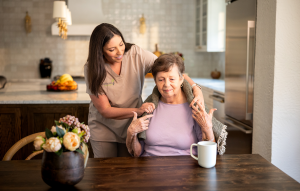
Personal care services form the foundation of elder in-home care for many families. These services provide direct assistance with activities of daily living (ADLs), the essential tasks that become challenging as we age. Professional caregivers step in to help with bathing, dressing, mobility, and personal hygiene, allowing elderly loved ones to maintain their routines at home.
Bathing and Grooming Assistance
Bathing becomes a safety concern for many older adults. Slippery surfaces, difficulty stepping into tubs, and balance issues create fall risks. Trained caregivers provide physical support and ensure bathroom safety while respecting your loved one’s dignity. They assist with showering, hair washing, shaving, and oral care, transforming what was once stressful into a comfortable routine.
Mobility Support and Transfer Assistance
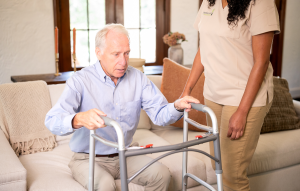
Moving from bed to chair, navigating stairs, or simply walking across a room can become difficult with age. Professional caregivers trained in proper transfer techniques help prevent falls and injuries. They provide the right amount of physical assistance, whether that means a steadying hand or full support with specialized equipment.
Medication Reminders and Health Monitoring
Keeping track of multiple medications poses real challenges. Personal care services include medication reminders to ensure prescriptions are taken correctly and on schedule. Caregivers also monitor for side effects and communicate changes to family members and healthcare professionals. This oversight helps prevent dangerous medication errors and keeps primary caregivers informed.
Incontinence Care and Toileting Support
Many families struggle to discuss incontinence, but it’s a common reality of aging. Compassionate caregivers provide discreet assistance with toileting needs and incontinence care. They maintain your loved one’s dignity while ensuring cleanliness and comfort throughout the day.

Companion Care: Combating Loneliness and Social Isolation
Too often, with age comes loneliness. The feeling that no one cares creeps in. Aging has a way of reminding you of family members and friends who have passed on. You can feel like you’re alone.
Companion care addresses the emotional support needs that are just as important as physical health. These services focus on social interaction, meaningful conversation, and maintaining connections to the outside world. A Companion and Homemaker Caregiver becomes a trusted friend who shows up consistently and genuinely cares.
Companionship services include conversation, shared activities like reading or puzzles, accompanying your loved one to appointments and events, and simply being present. For elderly people who have lost spouses or live far from family members, this regular human connection combats the isolation that damages mental well-being. The relationship that develops between caregiver and client often becomes one of the most valued aspects of home care services.
Homemaker Services: Support with Household Tasks
As we age, a big part of happiness depends on being comfortable and cared for at home. Home is where memories have been made, and are still being created. When caring for the home becomes a burden, the unwelcome thought of moving strikes.
Homemaker care services help elderly loved ones maintain a clean, safe, and organized living environment without the physical strain of household tasks:
- Light housekeeping and tidying: Regular cleaning prevents clutter buildup and maintains a sanitary home. Caregivers handle dusting, vacuuming, bathroom cleaning, and kitchen maintenance.
- Meal planning and preparation: Nutritious meals become difficult when shopping and cooking feel overwhelming. Homemakers prepare meals that meet dietary restrictions and personal preferences, ensuring proper nutrition.
- Grocery shopping and errands: Running errands requires transportation, energy, and mobility. Caregivers handle grocery shopping, pharmacy pickups, and other essential tasks, allowing seniors to conserve their strength.
- Laundry and linen changes: Fresh clothing and bedding matter for hygiene and comfort. Regular laundry service means elderly people always have clean clothes without the physical demands of washing, drying, and folding.
These everyday activities support independent living while reducing fall risks and exhaustion. When household tasks are managed by professional services, your loved one can focus energy on activities they enjoy rather than chores that have become dangerous or exhausting.
Live-in Care: Round-the-Clock Peace of Mind
Peace of mind. It’s so often an elusive dream for people with elderly parents and for elderly people themselves. Live-in care provides 24-hour supervision and companionship in the security and privacy of your loved one’s own home.
Unlike hourly care that leaves gaps overnight or between visits, live in caregivers maintain a continuous presence. They’re available for assistance at any hour, whether that’s help to the bathroom at 2 a.m. or support during a middle-of-the-night emergency. This round the clock supervision means someone is always there to respond quickly when needs arise.
Live-in care proves especially valuable for individuals with chronic health conditions, mobility limitations, or cognitive decline who shouldn’t be left alone. The caregiver becomes part of the household, matched carefully by personality and experience to ensure compatible relationships. Many families discover that the same caregiver stays with their loved one for months or years, building deep trust and understanding.
Cost-effectiveness makes live-in care surprisingly accessible. Compared to assisted living facilities or nursing homes that can cost thousands monthly, live-in care often costs less while allowing your family member to stay in familiar surroundings. The financial savings combined with the emotional benefit of aging in place make this option attractive for many families seeking quality long-term care solutions.
Specialized Care for Complex Needs
Some situations require expertise beyond basic personal care services or companionship. Specialized elder care addresses unique medical needs, cognitive conditions, and life transitions that demand trained professionals and tailored support.
Dementia and Alzheimer’s Care
Memory care requires specific skills. Caregivers trained in dementia care understand how to communicate effectively, manage behavioral changes, and create safe environments for individuals experiencing cognitive decline. They provide cognitive engagement activities, safety monitoring to prevent wandering, and emotional support for both the person with dementia and family members navigating this difficult journey.
Dementia and Alzheimer’s care focuses on maintaining quality of life and dignity as the condition progresses. Professional caregivers adapt their approach as needs change, providing consistent support in a familiar environment rather than forcing a disruptive move to memory care facilities.
Skilled Nursing Care for Medical Needs
When medical care is needed at home, skilled nursing services provide licensed professionals who can handle complex health care tasks. Registered nurses and licensed practical nurses perform wound care, manage catheters, administer medications, and monitor vital signs. This medical assistance allows elderly people to receive healthcare services without repeated hospital visits or placement in skilled nursing facilities.
Pro Tip: If your loved one requires both medical support and daily living assistance, coordinate with providers who can integrate skilled nursing care with personal care for seamless, comprehensive service.
Hospice and End-of-Life Care
End-of-life care allows individuals to remain at home during their final chapter with dignity and comfort. Professional services coordinate with hospice providers to deliver compassionate support, pain management assistance, and emotional care for both patients and families. This approach honors your loved one’s wishes to spend their last days in familiar surroundings surrounded by those they love.
Hospital-to-Home Transition Care
A transition from a hospital or nursing home can be confusing. You get rehabilitation instructions, prescriptions to fill, follow-up appointments to make. When you get home, you don’t just have to build up your strength, but you’re supposed to remember all these other things and have the energy to do them.
Transition care provides crucial support during post-hospital recovery. Caregivers help manage medication schedules, transportation to follow-up appointments, and monitoring for complications. This evidence-based approach significantly reduces hospital readmission rates for elderly patients recovering from surgery, illness, or injury.
Choosing the Right Care Type: Key Factors to Consider
Selecting which type of elder care service fits your situation requires honest assessment of multiple factors. The right choice balances current needs, future changes, budget realities, and personal preferences.
Consider your loved one’s care plan requirements first. What specific assistance do they need today? Are those needs likely to increase over the coming months? A care plan that starts with a few hours of homemaker services might evolve to include personal care assistance or eventually live-in supervision as conditions change.
Assess the current level of need:
- Can they safely perform activities of daily living independently, or do they require physical assistance with bathing, dressing, and mobility?
- Are chronic health conditions stable and well-managed, or do they need medical monitoring and skilled nursing care?
- Does loneliness or isolation affect their mental well-being and emotional health?
- Have household tasks become overwhelming, creating safety hazards or stress?
Evaluate the family caregiver situation:
Family members often provide substantial care but reach burnout without realizing it. Respite care through professional services gives family caregivers necessary breaks while ensuring their elderly loved one remains safe and engaged. Consider whether the primary caregiver needs a few hours weekly to recharge or requires more comprehensive support to prevent exhaustion and health problems of their own.
Compare different care settings and options:
| Care Type | Supervision Level | Medical Capability | Typical Cost Range |
Best For |
|---|---|---|---|---|
| Companion Care | Periodic visits | None | Lower | Social isolation, light monitoring |
| Homemaker Services | Periodic visits | None | Lower to moderate | Household assistance, errands |
| Personal Care | Hourly or daily | Minimal | Moderate | ADL assistance, medication reminders |
| Live-in Care | 24/7 presence | Minimal to moderate | Moderate to higher | Continuous supervision needs |
| Skilled Nursing | As needed | Full medical | Higher | Complex medical needs, wound care |
Financial considerations matter, but affordable options exist across the spectrum. Many families assume nursing homes or assisted living communities are the only choice, but home health care services often cost less while providing personalized support in a familiar environment. Ask about paying for home care through Medicare, Medicaid, veteran benefits, or long-term care insurance.
Consider the living situation:
The home environment affects which services work best. Is the home safe for aging in place, or does it need modifications? Would community resources supplement in-home care? Some families combine home health agencies with volunteer services or government programs to create comprehensive, affordable support systems.
Finding Quality Elder Care Services
Now that you understand the types of elder in-home care available, the next step involves finding trusted family members in the form of professional caregivers who will treat your loved one with compassion and respect.
Personalized care plans adapt as needs change. What works today might need adjustment next month or next year. Quality providers reassess regularly and modify services without requiring you to switch companies or start over. Our Transparency of Care technology gives families real-time access to caregiver schedules, visit confirmations, and daily notes through a secure online portal.
For families exploring options, contact us to discuss which combination of services best addresses your situation. Whether your elderly loved one needs a few hours of companionship weekly or comprehensive live-in support, we help you create a care plan that maintains their independence, honors their dignity, and provides you with peace of mind. The right types of elder in-home care can transform what feels like an impossible situation into a sustainable solution that keeps your family member safe, engaged, and home where they belong.