
Watching someone you love struggle with Alzheimer’s disease or dementia is one of life’s hardest challenges. Preferred Care at Home understands these concerns deeply. Since 1984, we’ve helped families throughout Essex County navigate memory care with compassionate support, personalized care plans, and dedicated caregivers who truly understand Alzheimer’s care.

Preferred Care at Home has served Randolph and the surrounding communities for over 40 years. Our caregivers undergo a rigorous 7-step screening process that includes specialized training in behavioral management, safety monitoring, and cognitive stimulation techniques. Every person with Alzheimer’s experiences it differently, so we create customized care plans for each client in Essex County.
What sets us apart is our commitment to keeping seniors in their own homes where familiar places, routines, and memories provide comfort during a confusing time. We match caregivers to your loved one’s personality and needs. Our Transparency Room technology gives families peace of mind knowing they can monitor care remotely, while our affordable pricing makes quality dementia care accessible when you need it most.
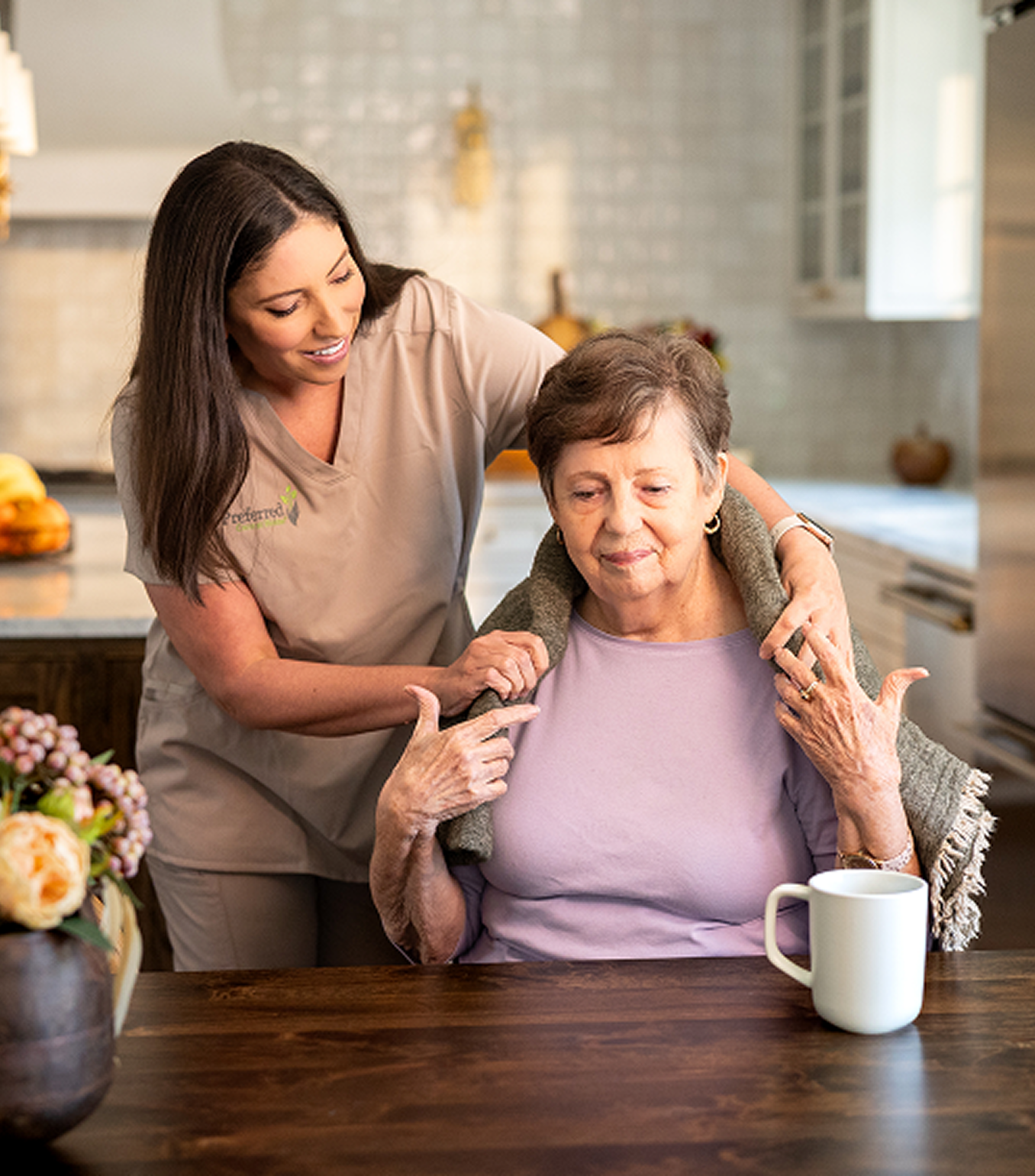

Behavioral changes often accompany Alzheimer’s disease, such as agitation, wandering, sleep disruption, or emotional outbursts. Our dedicated caregivers are trained to recognize triggers, use de-escalation techniques, and respond with calm, compassionate support. We’ve helped many clients and their families navigate these challenging behaviors while preserving the person’s well-being.
We understand that behaviors are communication. When someone with dementia becomes upset, there’s usually a reason like pain, fear, confusion, or unmet needs. Our caregivers work to identify the cause and address it gently. We maintain detailed notes about patterns and successful interventions, sharing this information with family caregivers so everyone can provide consistent, effective support.
Safety becomes a primary concern when caring for someone with Alzheimer’s. Memory issues can lead to wandering, forgetting to eat, or attempting tasks that are no longer safe. Our caregivers provide vigilant supervision while creating a safe environment that doesn’t feel restrictive. Throughout Randolph, NJ, we help families balance safety with the independence their loved ones deserve.
Fall prevention is particularly crucial for seniors with dementia, who may forget mobility limitations or become confused about their surroundings. We assess the home for hazards, assist with bathing and transfers, and provide steady support during daily activities. Our goal is to prevent accidents before they happen while allowing your loved one to move freely within a secure space.
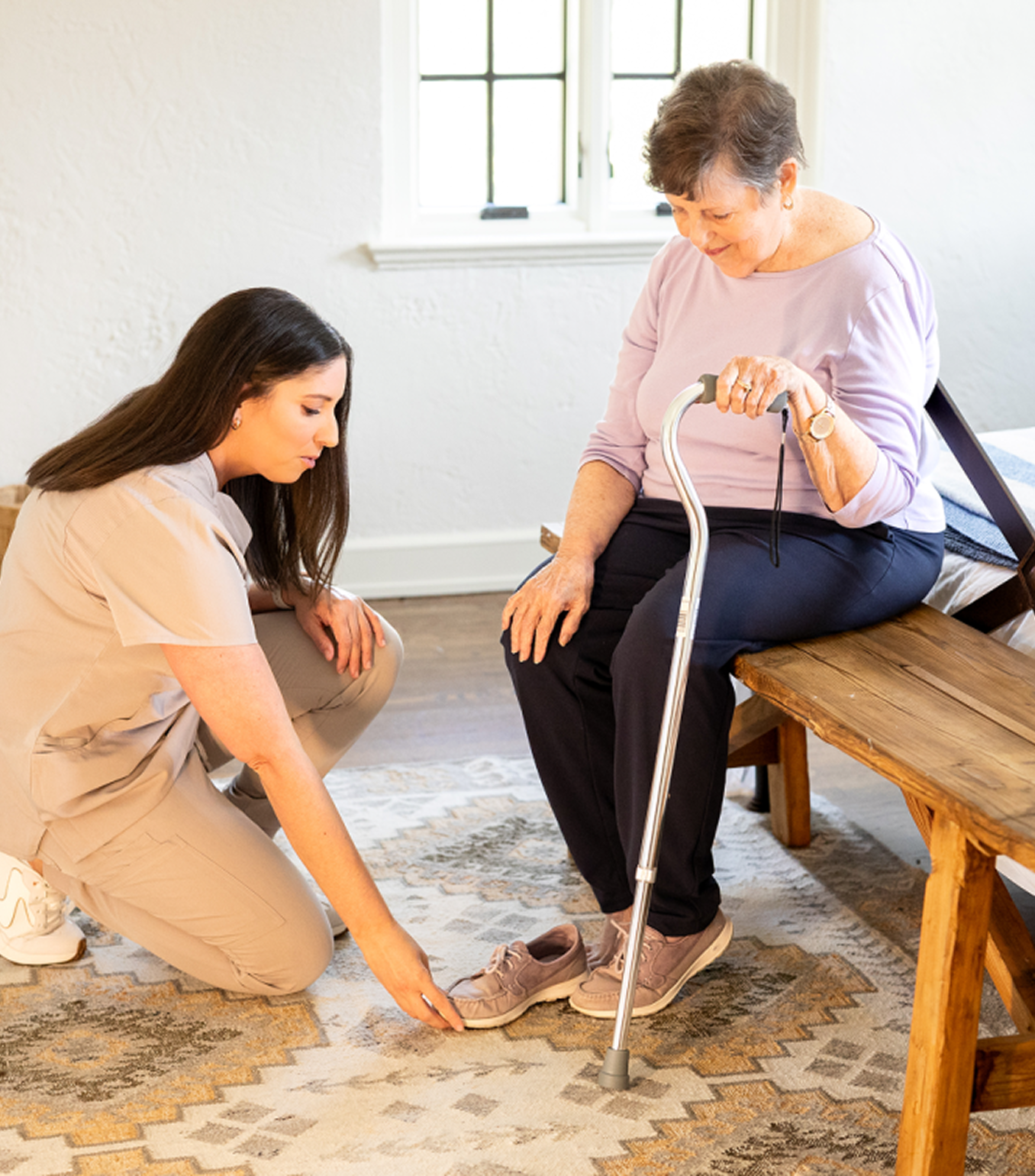

Cognitive stimulation through meaningful activities can improve the quality of life for people with Alzheimer’s disease. Our caregivers bring conversation, simple crafts, music, reminiscence therapy, and other activities that engage the mind without causing frustration. In Essex County, we’ve seen how the right activities can bring moments of clarity, joy, and connection even in advanced dementia.
We tailor activities to your loved one’s interests, abilities, and history. A former teacher might enjoy reading aloud. Someone who loves gardening might find peace tending indoor plants. Music from their youth often sparks recognition and emotion. We also encourage light housekeeping tasks when appropriate. Folding towels or setting the table can provide a sense of purpose and accomplishment.
Caring for someone with Alzheimer’s affects the entire family. We provide education about the disease progression, communication strategies, and self-care for family caregivers. Many clients in Randolph tell us that understanding what to expect and how to respond makes an enormous difference. We’re here to answer questions, offer guidance, and provide respite care when you need a break.
Our caregivers also serve as a bridge between your loved one and the family, helping translate behaviors, sharing successful approaches, and celebrating small victories together. We understand the grief of watching someone change, the guilt of needing help, and the exhaustion of constant vigilance. That’s why our support extends to you, not just the person with dementia.
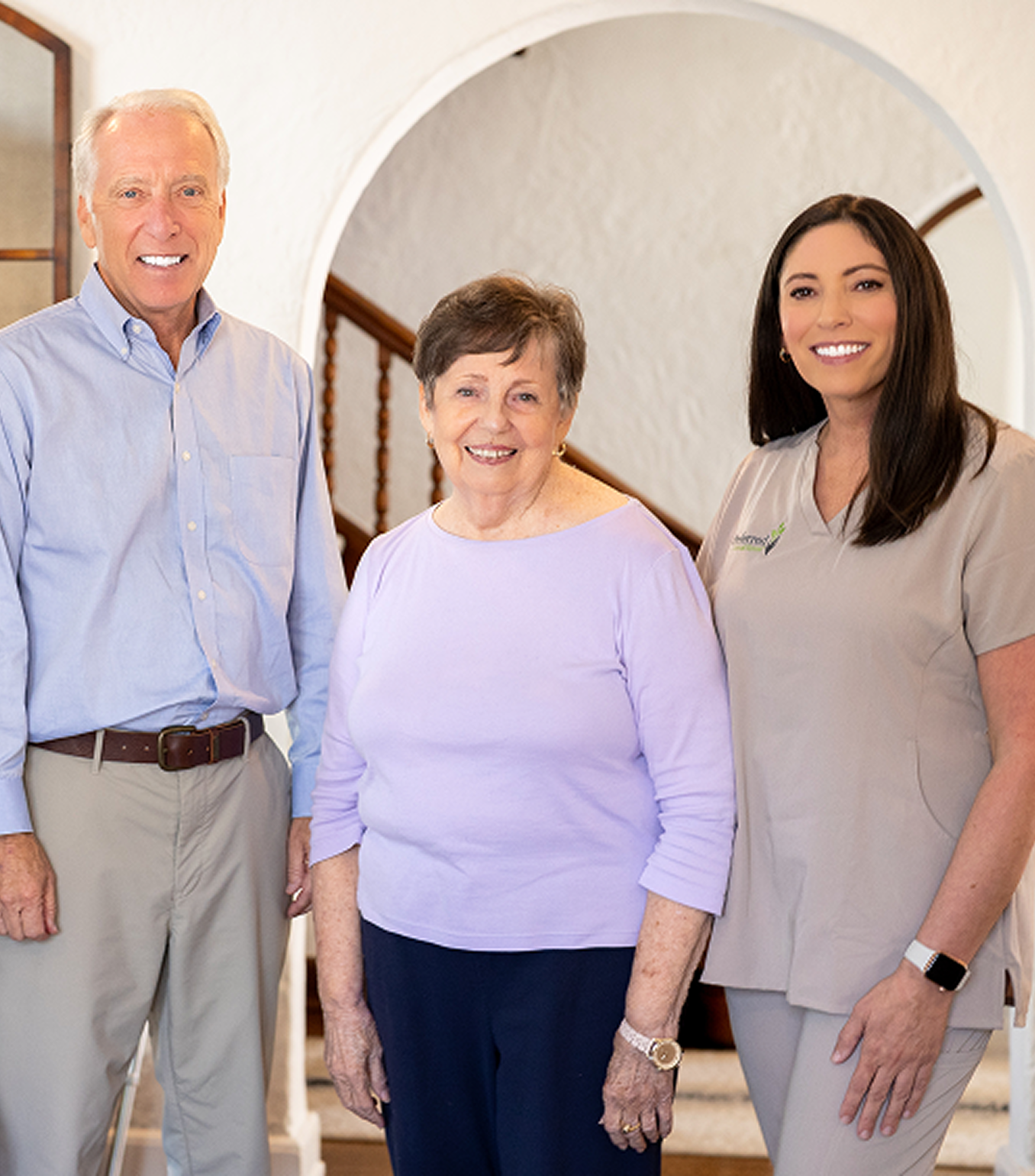
We take a thoughtful, personalized approach to ensure your loved one receives the care they deserve.

Step 01
Free phone consultation to answer your questions with no obligation.

Step 02
We meet in your home to understand your unique needs and routines.

Step 03
Creating a personalized plan addressing specific dementia needs.

Step 04
Selecting caregivers whose personality aligns with your loved one’s.

Step 05
Regular check-ins and access to our Transparency Room portal.
Families throughout Randolph, NJ, face unique challenges when caring for loved ones with Alzheimer’s disease. Here are some common challenges seniors face and how we address them.
Challenge
What It Looks Like
How We Help
Social isolation in urban settings
Description
Despite Randolph’s population density, seniors with dementia often become isolated when they can no longer navigate the community safely or maintain friendships.
How We Help
Our companionship care brings daily social interaction, conversation, and activities that combat loneliness while keeping your loved one engaged with life.
Problem
Wandering in multi-story homes
Description
Many Randolph homes have stairs and multiple exits, creating safety risks for people with Alzheimer’s who may wander or become confused about their location.
How We Help
We provide constant supervision, home safety assessments, and gentle redirection that prevent wandering while maintaining dignity and allowing safe movement within the home.
Problem
Family caregivers stretched thin
Description
Adult children often work in New York City or other surrounding communities, making it difficult to provide adequate supervision and care for parents with memory issues.
How We Help
We offer flexible scheduling from a few hours to 24/7 live-in care, giving family caregivers respite while ensuring their loved one receives consistent, professional support.
Problem
Medication management challenges
Description
Seniors with dementia may forget doses, take medications incorrectly, or become confused about prescriptions, leading to health complications and hospital visits.
How We Help
Our caregivers provide medication reminders at the right times, help with personal hygiene routines, and communicate with healthcare providers to ensure proper medication management.
Problem
Difficulty with meal preparation
Description
Cognitive decline makes cooking unsafe and proper nutrition difficult, yet many clients resist help with something as personal as eating.
How We Help
We prepare nutritious meals respecting dietary preferences and cultural traditions, assist with feeding when needed, and make mealtimes pleasant social experiences that encourage adequate nutrition.
Problem
Behavioral changes at night
Description
Sundowning and sleep disruption are common with Alzheimer’s disease, causing agitation, confusion, and safety concerns during overnight hours when families need rest.
How We Help
Our overnight caregivers or live-in care providers provide peace of mind knowing someone trained in dementia care is present to respond calmly to nighttime needs and behavioral episodes.
Our office serves families throughout Northwest New Jersey. When you contact us, you reach neighbors who understand life in Randolph and surrounding communities.
We Serve:
Including Randolph and surrounding areas throughout Northwest New Jersey.
The exact cost depends on care needs, hours required, and level of supervision for behavioral management. We provide free consultations to assess your loved one’s needs and create a transparent care plan with clear pricing. Many families find our services more affordable than they expected, especially for live-in care.
We’ve specialized in dementia care since 1984, bringing over 40 years of experience to families in Essex County. Our 7-step screening process ensures every caregiver receives specialized training in Alzheimer’s care, behavioral management, and safety monitoring. We match caregivers by personality and experience, creating consistent relationships that reduce confusion for people with memory issues. Our proprietary Transparency Room technology lets you monitor care remotely, while our family-owned approach means you’ll receive compassionate support, not corporate indifference.
In-home care allows your loved one to age in familiar surroundings where routines, belongings, and memories provide comfort during Alzheimer’s disease progression. Research shows familiar places reduce agitation and confusion. Memory care facilities offer structured programming and 24/7 supervision, but require adaptation to new environments, which can be traumatic for people with dementia. We help you evaluate factors like safety needs, disease stage, family support, and budget. Many families start with in-home care and transition to facilities only when medical needs exceed what home care can safely provide.
We can typically begin care within 2-5 days of your initial contact, depending on scheduling and caregiver availability. Emergency situations sometimes allow even faster start times. The process includes a home consultation to assess needs (usually within 24-48 hours), care plan development, and caregiver matching. We prioritize finding the right personality fit over speed, but we understand that dementia care needs are often urgent. Call us today, and we’ll work quickly to provide the support your family needs.
If you’re noticing increasing memory issues, difficulty with daily tasks like bathing or meal preparation, wandering or safety concerns, behavioral changes, or caregiver stress in your family, it’s worth getting an assessment. Many families wait too long, putting their loved one at risk and burning out family caregivers. Key signs include forgetting medications, leaving stoves on, getting lost in familiar places, or dramatic personality changes. We offer free consultations to evaluate needs and discuss whether home care services could improve the quality of life and safety.
Yes, every caregiver undergoes specialized dementia care training as part of our 7-step screening process. This includes education about Alzheimer’s disease progression, communication strategies for memory loss, behavioral management techniques, safety protocols, and cognitive engagement activities. We also provide ongoing training as your loved one’s needs change. Our caregivers learn to recognize the individual needs behind behaviors, respond with compassionate support rather than confrontation, and create meaningful daily routines that honor dignity and independence throughout the disease journey.
Absolutely. Our Alzheimer’s care services include comprehensive personal care assistance with bathing, dressing, grooming, toileting, and personal hygiene. We understand that accepting help with intimate tasks is difficult, which is why we match caregivers carefully and allow time for trust to develop. Many clients initially resist bathing assistance but respond positively when approached with patience, respect, and familiar routines. We also provide light housekeeping, meal preparation, medication reminders, and mobility support, whatever helps your loved one maintain dignity and well being at home.
Our dedicated caregivers are trained in de-escalation techniques that address the underlying cause of behavioral changes rather than confronting the person. We look for triggers and respond calmly. For wandering, we assess the home for safety, provide constant supervision, and use gentle redirection to safe activities. We maintain detailed notes about what works, sharing successful strategies with families. If behaviors escalate beyond our training, we’ll recommend appropriate medical evaluation while continuing to provide compassionate support during difficult transitions.
Yes, we’re committed to caregiver consistency because relationship continuity is crucial for people with Alzheimer’s disease. Meeting new people repeatedly causes confusion and anxiety. We assign a primary caregiver matched to your loved one’s personality and maintain backup caregivers who also know your loved one well. While we can’t guarantee the exact same person every single day due to illness or vacation, we minimize changes and ensure any substitute caregiver receives a detailed briefing about routines, preferences, and effective approaches. Families tell us this consistency makes an enormous difference in their loved one’s comfort.
Our Transparency Room technology gives authorized family members 24/7 access to monitor care from anywhere. You’ll see real-time caregiver schedules, visit confirmations, detailed care notes, and task completion updates. Caregivers can send voice messages, and you can communicate directly through the portal. You’ll also have access to invoices and can make online payments. This technology provides peace of mind for families living in surrounding communities or across the country, allowing you to stay connected and informed about your loved one’s daily care, meals, activities, and overall well being.