
Your parent still lives in the Morris County home where your family grew up, but daily needs are growing: help with bathing, rides to Morristown Medical Center, meals that actually get made. Commuting from North Jersey or the city, you can’t cover it all, and waiting turns gaps into a fall, a hospitalization, or a crisis decision. Preferred Care at Home matches caregivers by personality to your loved one, covering the county from companion support to live-in care.
Families comparing in home care providers face obstacles that go beyond picking a name from a list.
Challenge
What It Looks Like
How We Help
Multi-layered care needs beyond basic aide visits
What It Looks Like
Families need transportation to Morristown Medical Center, meal coordination, and care management a basic sitter model cannot cover
How We Help
Companion and homemaker services cover errands, meals, and appointment transportation across the county
Challenge
Owner-occupied homes with aging-in-place residents
What It Looks Like
19.1% of Morris County residents are age 65 or older, per the U.S. Census Bureau. Seniors in Parsippany, Denville, and Randolph need bathing, dressing, and mobility help before facility care becomes the only option
How We Help
Personal care support matched to the home layout and daily routine your loved one already follows
Challenge
Confusion over what caregivers can do with medications
What It Looks Like
In NJ, medication-aide certification is separate from general aide credentials and applies to assisted-living settings. Non-medical aides provide medication reminders and observation, not administration
How We Help
We clarify medication management boundaries during care planning so families set realistic expectations
Challenge
Inconsistent caregivers and weak dementia understanding
What It Looks Like
Families report substitute aides unfamiliar with routines. Reviewers cite staff who do not understand dementia needs or daily living patterns
How We Help
Personality-matched caregivers trained in in-home dementia support, with backup coverage communication built into the care plan
Challenge
Crossing the 3+ ADL threshold without a plan
What It Looks Like
Once a loved one needs hands-on help with bathing, dressing, and transfers, NJ MLTSS and JACC clinical eligibility criteria apply. Support shifts from manageable to urgent long-term-care planning
How We Help
Early assessment and care plan adjustment before a hospital readmission or burnout event forces crisis decisions
Challenge
Assuming Medicare covers ongoing daily care at home
What It Looks Like
Medicare covers intermittent skilled home health at $0 under Original Medicare but does not cover ongoing non-medical support like companionship, meal prep, or bathing help
How We Help
We explain which programs are private-pay, which may qualify for Medicaid or MLTSS, and how to access the local ADRC for navigation

Preferred Care at Home of Northwest New Jersey is locally owned by Jill Malanga. You can meet the owners who run your loved one’s care. Every caregiver passes our 7-step screening process before entering a home. We’ve served families across six counties for over 40 years.
Our team matches caregivers by personality, not just availability. The Transparency Room portal lets family members commuting from NYC or North Jersey monitor care updates, schedules, and caregiver notes remotely. Where other providers send rotating substitutes unfamiliar with your loved one’s routine, our matching model prioritizes continuity and respect for the life your loved one has built in their community.
We offer comprehensive in-home care services designed specifically to support your recovery process. Whether you need help for a few hours a day or around-the-clock support, our team creates a personalized care plan that addresses your unique situation.
Companion and Homemaker Care is for seniors who are independent but isolated, especially in spread-out communities like Mount Olive or Chester. Companionship, meal prep, errands, and light housekeeping keep your loved one engaged and nourished at home.
This level of support reduces isolation risk for older adults whose families commute to North Jersey or NYC daily. Scheduling is flexible, from a few hours a week to full days, built around the routine that already works. These home care services help maintain independence and dignity without overwhelming your loved one.
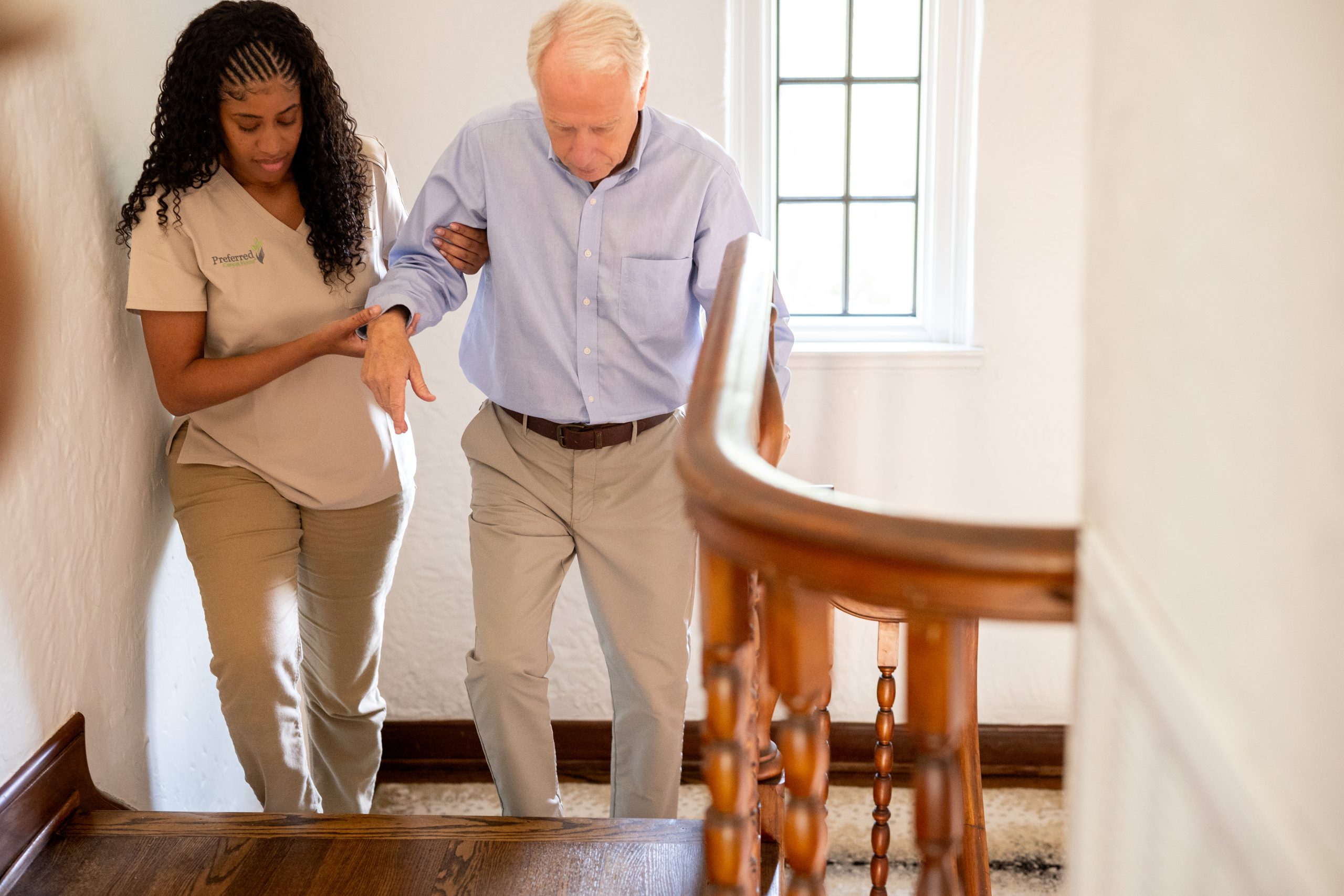

Personal Care is for residents needing hands-on assistance with bathing, dressing, grooming, and transfers. This care level is common when a person ages in an established Parsippany or Denville home where stairs and narrow hallways create physical challenges.
Caregivers trained in ADL support help maintain dignity and independence through each task. Personal care is distinct from Companion and Homemaker Care: it involves direct physical assistance with mobility, hygiene, and daily routines that your loved one can no longer manage alone.
Live-in Care is for families whose loved one needs around-the-clock presence but wants to stay home. This option is especially relevant in areas farther from immediate medical facilities where overnight gaps in care create risk.
One consistent caregiver lives in the home rather than rotating through shifts. Coverage includes overnight safety, medication reminders, and full daily support so your loved one is never without help.
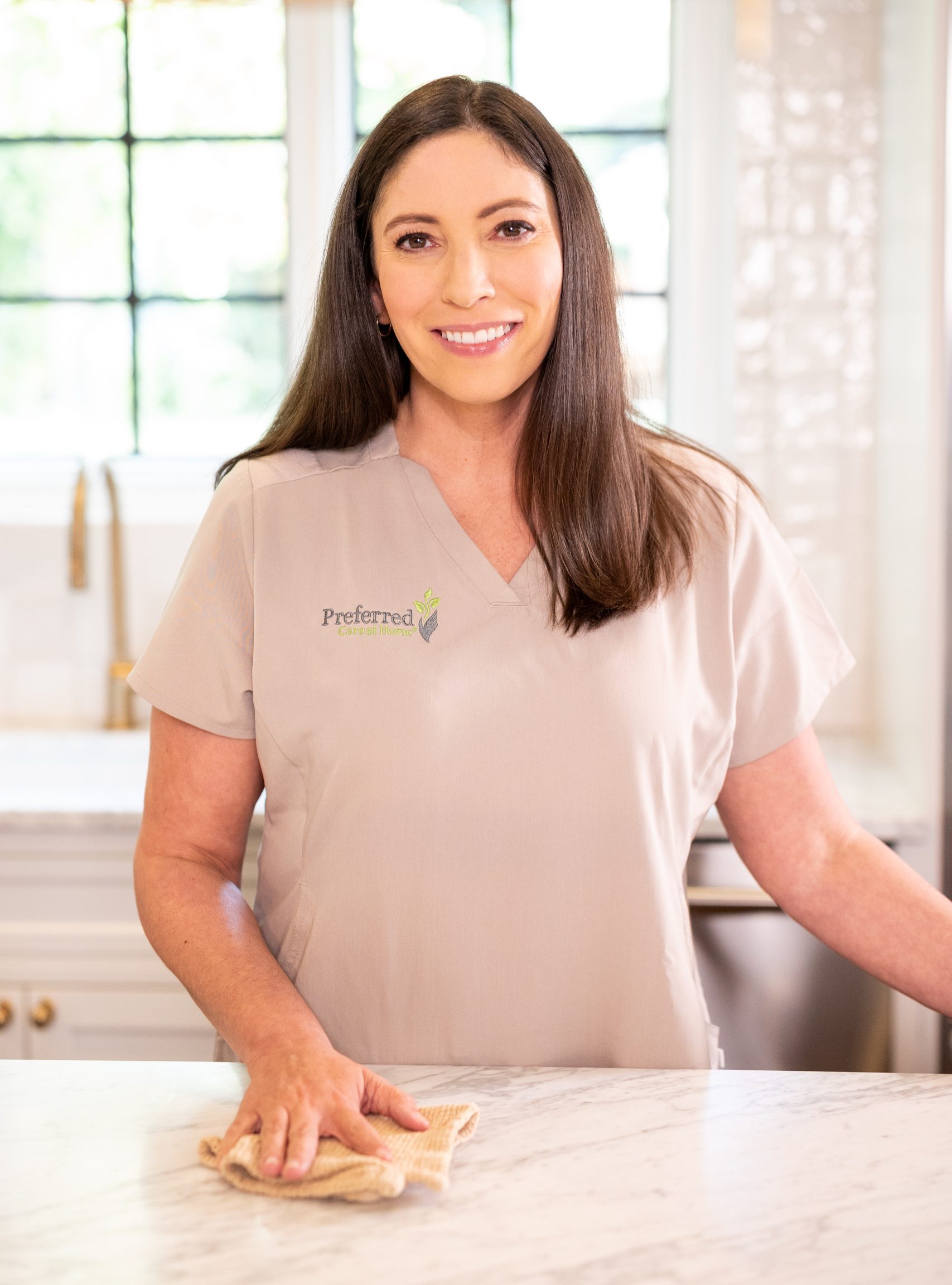
In-home care for your Morris County loved one starts with one call. We’re by your side, every step of the way.

Step 01
You tell us about your loved one’s daily routine, health considerations, and personality. We listen and ask the right questions.

Step 02
We build an in-home care plan around your loved one’s specific needs, from companion visits to live-in support.

Step 03
Your caregiver is matched by personality and skill, not just availability. You approve the match before care starts.

Step 04
You monitor care updates, caregiver notes, and schedules through the Transparency Room portal, even from a distance.
The county’s mix of established townships and aging housing stock shapes the care each neighborhood needs.
Neighborhood
What We Look For
Morristown
What We Look For
Older residents near the county seat who need care coordination alongside appointments at Morristown Medical Center
Neighborhood
Parsippany-Troy Hills
What We Look For
Largest township with a sizable 65+ population; families balancing commute schedules with parent care
Neighborhood
What We Look For
Established homes near our headquarters; shorter caregiver response for schedule adjustments
Neighborhood
Denville
What We Look For
Multi-story older homes where mobility and transfer support matter for safe aging in place
Neighborhood
Morris Plains
What We Look For
Dense residential corridors with senior households needing Companion and Homemaker Care to combat isolation
Our caregivers serve families across every community in the county, from the Passaic River valley to the western townships near the Musconetcong River. Explore our full Service Areas to see our region.
We Serve:
Morristown
Parsippany-Troy Hills Township
Randolph Township
Mount Olive Township
Denville
Madison
Chatham
Florham Park
Morris Plains
Chester Township
Cedar Knolls
Preferred Care at Home of Northwest New Jersey is an independently owned franchise business headquartered in Landing, NJ. We provide in-home care services across Hunterdon, Morris, Passaic, Somerset, Sussex, and Warren counties. Locally owned by Jill Malanga, we are part of a family care network founded in 1984 and now serving communities across America. Call us at (973) 512-5131.

Costs vary by care level, hours per week, and your loved one’s specific needs.
Per Genworth/CareScout, the New Jersey 2024 annual median was $82,368 for homemaker services and $84,656 for home health aide services. Your actual cost depends on whether you need companion visits a few hours a week or around-the-clock live-in care. Private-pay is the most common path, but some families qualify for Medicaid coverage through NJ MLTSS or JACC programs. Preferred Care at Home offers free consultations to build a care plan within your budget. Get Care Now to discuss your options.
Preferred Care at Home matches caregivers by personality, not just availability, and gives families remote oversight through the Transparency Room.
You meet your caregiver before care begins and approve the match yourself. The Transparency Room portal shows care updates, schedules, and notes so family members in NYC or North Jersey stay informed without guessing. Every caregiver passes a 7-step screening process, and backup coverage is communicated in advance so your loved one never sees an unfamiliar face without warning.
Start time depends on the level of care needed, the caregiver matching process, and how detailed the assessment is. A Companion and Homemaker Care arrangement may begin faster than a live-in placement that requires a closer personality match. Call (973) 512-5131 to schedule your consultation, and we’ll give you a realistic timeline. Get Care Now
Non-medical home care covers daily living support like companionship, meals, and bathing, while home health care is skilled medical care ordered by a physician.
Medicare-certified home health includes services like wound care, physical therapy, and medication administration delivered by licensed clinicians to patients under a physician’s care order. Medicare covers home health at $0 under Original Medicare, per Medicare.gov. Ongoing non-medical care, the kind that helps with bathing, dressing, errands, and companionship, is not covered by Medicare. That distinction matters when families are budgeting for long-term in home care support.
NJ Medicaid can cover care through the MLTSS and JACC programs for eligible residents who meet clinical and financial criteria.
NJ MLTSS covers care management, respite, meals, and personal emergency response through NJ FamilyCare managed care. Clinical eligibility requires hands-on help with three or more ADLs or cognitive deficits requiring supervision with three or more ADLs. Families can access help navigating eligibility and enrollment through the ADRC at (800) 564-4656. Not everyone qualifies, so understanding the threshold early helps you plan. Sussex County residents can access similar programs through their local ADRC. Clients who meet the income and asset limits may receive covered services through managed long-term care plans.
Personal care aides assist with bathing, dressing, grooming, transfers, and locomotion as part of care.
These activities of daily living are the core of personal in-home care. JACC and MLTSS programs use these same ADLs as eligibility markers for state-funded services. Preferred Care at Home matches caregivers trained in the specific support your loved one needs, whether that’s help stepping into a shower or getting safely from bed to a chair.
In New Jersey, non-medical caregivers provide medication reminders and observation, not full administration.
Certified medication aide status is a separate credential that requires prior CNA, HHA, or PCA certification plus an approved training program and exam. That certification applies in assisted-living settings, not in private homes. Ask your provider to clarify medication-support boundaries during care planning so your family knows exactly what to expect. Medications management is a common concern for families navigating post-hospital transitions.
Morris County Aging, Disabilities and Community Programming offers caregiver support, care management, paratransit, nutrition programs, and adult protective services.
The Morris County ADRC connects families to local programs including MAPS paratransit, shuttle service, and caregiver respite options. Call (800) 564-4656 or (877) 222-3737 to access these community resources. These county programs work alongside private care to fill gaps that no single provider covers alone. Families can also request education and support through the Morris County Board of County Commissioners’ aging services division. Explore these resources to find support that fits your family’s interest in staying connected to local programs.
Look for a provider that matches caregivers by personality, communicates backup coverage plans, and verifies dementia training credentials.
Ask how the agency handles substitute caregivers when your regular aide is unavailable. Families report that inconsistent staffing is a top frustration. Verify that the provider employs aides who meet NJ credentialing standards. New Jersey requires 76 hours of training for certified home health aides. Check whether the provider offers remote monitoring tools so family members can stay informed from a distance. You can visit our Landing office to meet the team before making a decision.
When your loved one begins needing help with bathing, dressing, or transfers, it’s time to consider stepping up from companion to personal care.
The three-or-more ADL threshold from NJ JACC and MLTSS is a practical marker. If your parent can no longer safely bathe, dress, or move between rooms without hands-on help, Companion and Homemaker Care services alone may not be enough. Preferred Care at Home adjusts care plans as needs change so the transition happens on your timeline, not after a crisis.
Most private health insurance plans do not cover ongoing non-medical care like companionship, meal prep, or bathing assistance.
Long-term care insurance policies may cover a portion of in home care costs if your loved one has an active policy with home care benefits. Medicare does not cover non-medical services. Medicaid through NJ MLTSS or JACC may cover eligible individuals who meet clinical and financial criteria. Families should review their insurance policies and request a benefits verification before assuming coverage.