
We offer a range of services built around individual needs, from a few hours of companionship each week to round-the-clock support. Each plan respects your loved one’s preferences and daily routines.
Companion care covers regular visits for conversation, meals, reminders, light help around the house, and transportation. It fits older adults near Lake Lily or City Centre who live alone, or whose adult children work during the day and can’t be there at lunch. Learn more about companion care.
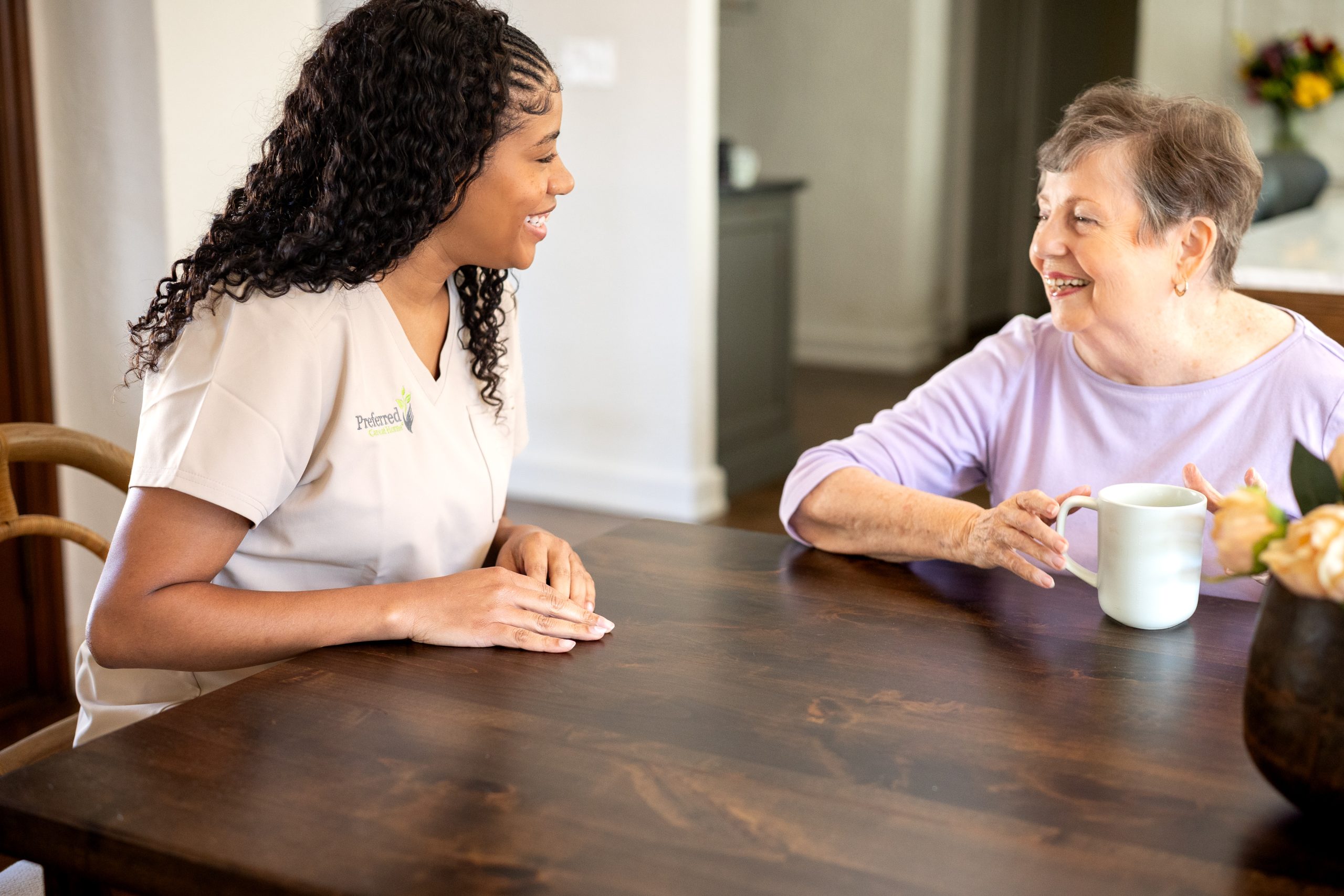
Visits include personal interaction and reminiscing, planned social outings, daily living support, meal monitoring, and incidental transportation to doctor appointments, the pharmacy, religious services, and errands across the Maitland area. Caregivers engage with your loved one around their interests, whether that’s gardening, reading, or simply sharing stories over coffee. Engaging activities help seniors stay connected to what matters most.
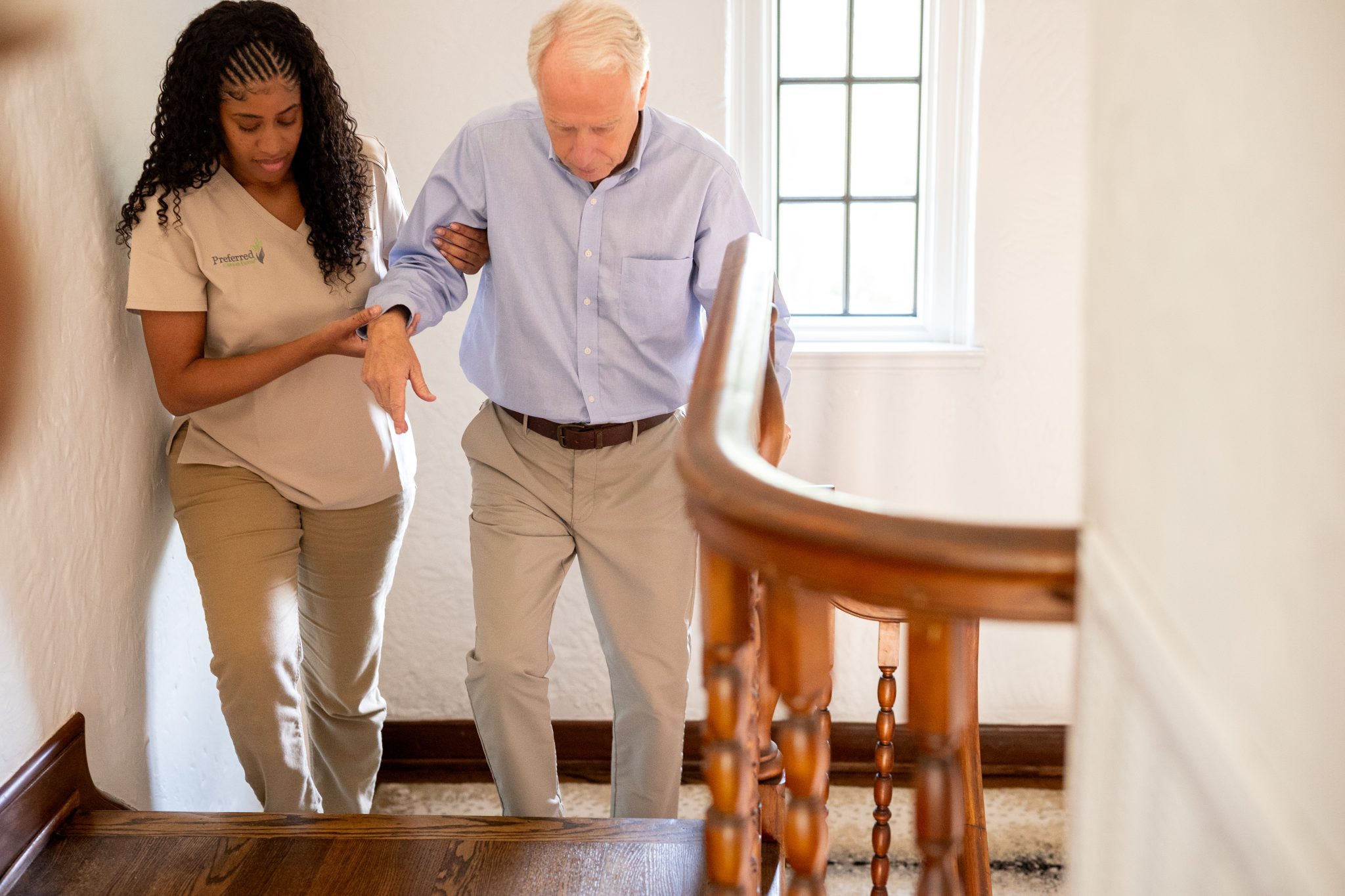
Live-in care provides round-the-clock supervision and compassionate care at home. It fits older adults with fall risk, dementia, or loneliness who need a caregiver present overnight, often in established neighborhoods like Dommerich Estates or Maitland Woods. Learn more about live-in care.
Matching centers on continuity, so the same experienced caregivers return shift after shift. Care includes overnight assistance, fall prevention support, medication reminders, and dementia support for clients who need the familiar environment of home. Personal care assistance with bathing, dressing, and mobility helps your loved one maintain their daily activities safely.
This is non-medical support for memory loss in a familiar home setting. It fits Maitland families watching a parent struggle with routines, recognition of faces, or basic safety at home. Learn more about dementia and Alzheimer’s care.
Care is built around structured routines, behavioral support, safety monitoring, and cognitive engagement. Every caregiver completes dementia training, and we build in family education so your household knows what to expect as the condition progresses. Everyday tasks like dressing, eating, and moving through the home become easier when a trained caregiver guides the process with patience.
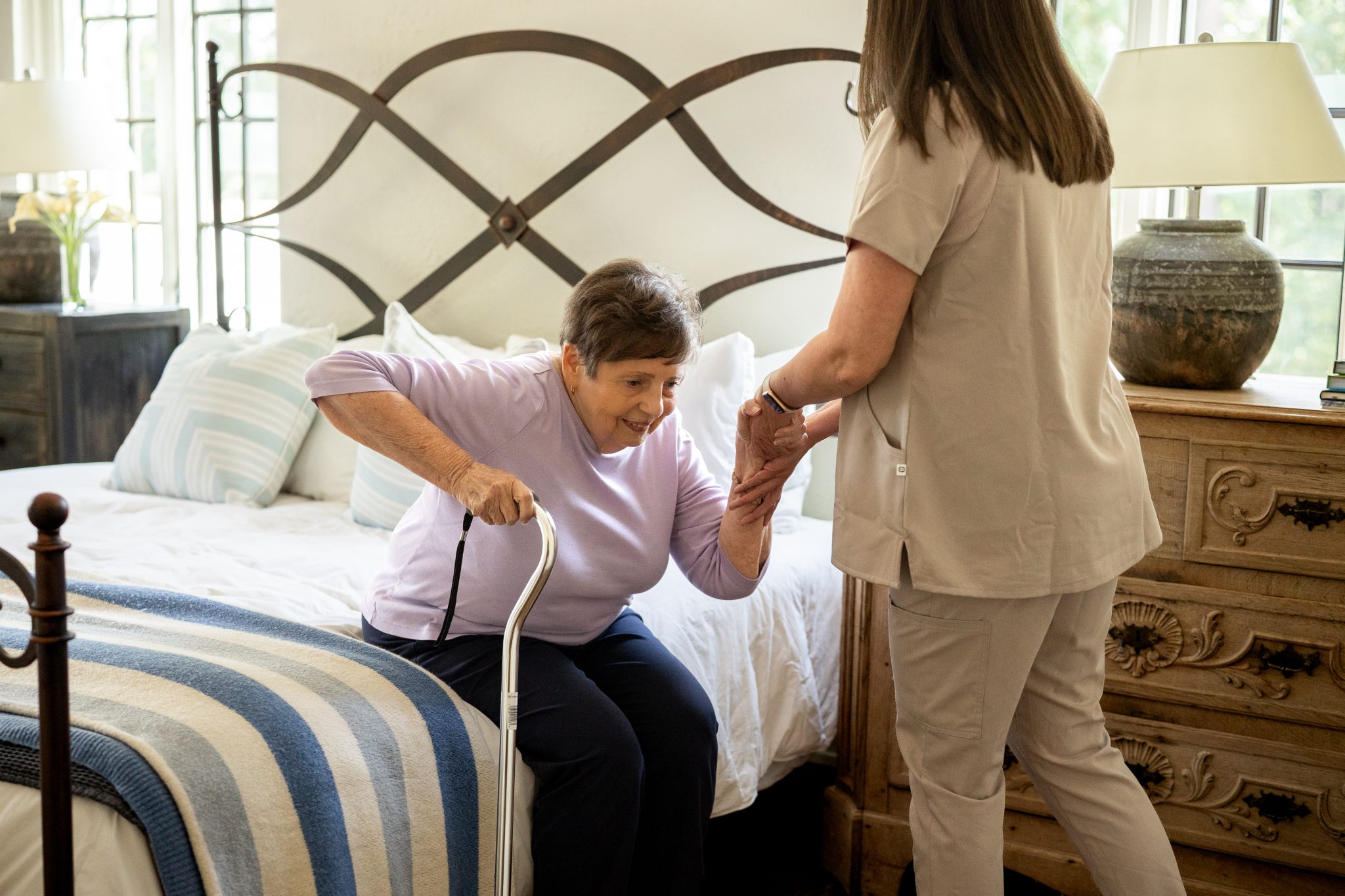

Transition care is non-medical support moving from hospital back to a Maitland home. It fits families worried about readmission after a stay at AdventHealth, Orlando Health, or Winter Park Memorial. Learn more about transition care.
A personal transition coach meets your family at the hospital, then works from a 15-piece Personal Health Record toolkit and an online health record. Follow-up calls, appointment coordination, medication reminders, and a home safety walkthrough round out the plan. This suite of support helps prevent the confusion and missed steps that often lead to readmission.
Homemaker care handles everyday household tasks so home stays comfortable. It fits seniors in longtime Maitland homes where cooking, laundry, and errands have quietly become too much. Learn more about homemaker care.
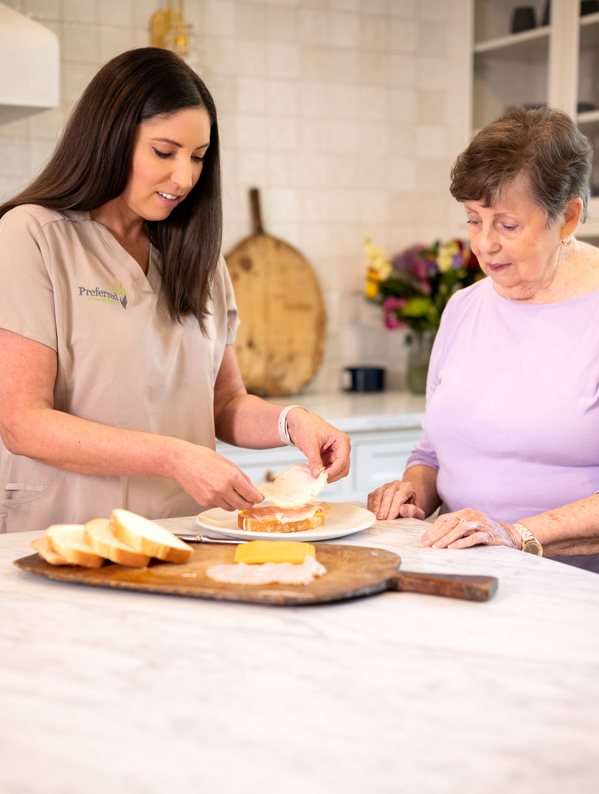
Caregivers handle grocery shopping, meal preparation and cleanup, light housekeeping, laundry and linens, pet care assistance, and errands. The goal is a home that feels cared for again, not a clinical environment. Daily tasks that once felt simple become manageable again when someone reliable is there to help.

This is non-medical companion support during hospice, provided alongside your hospice team. It fits Maitland families who want their loved one to remain at home with dignity through the final chapter. Learn more about end-of-life care.
Care includes comfort support, family respite, gentle daily assistance, emotional support for patients and family, and close coordination with hospice clinicians. Hours scale up to 24-hour presence when the week calls for it. Comfort becomes the priority when living at home matters most.
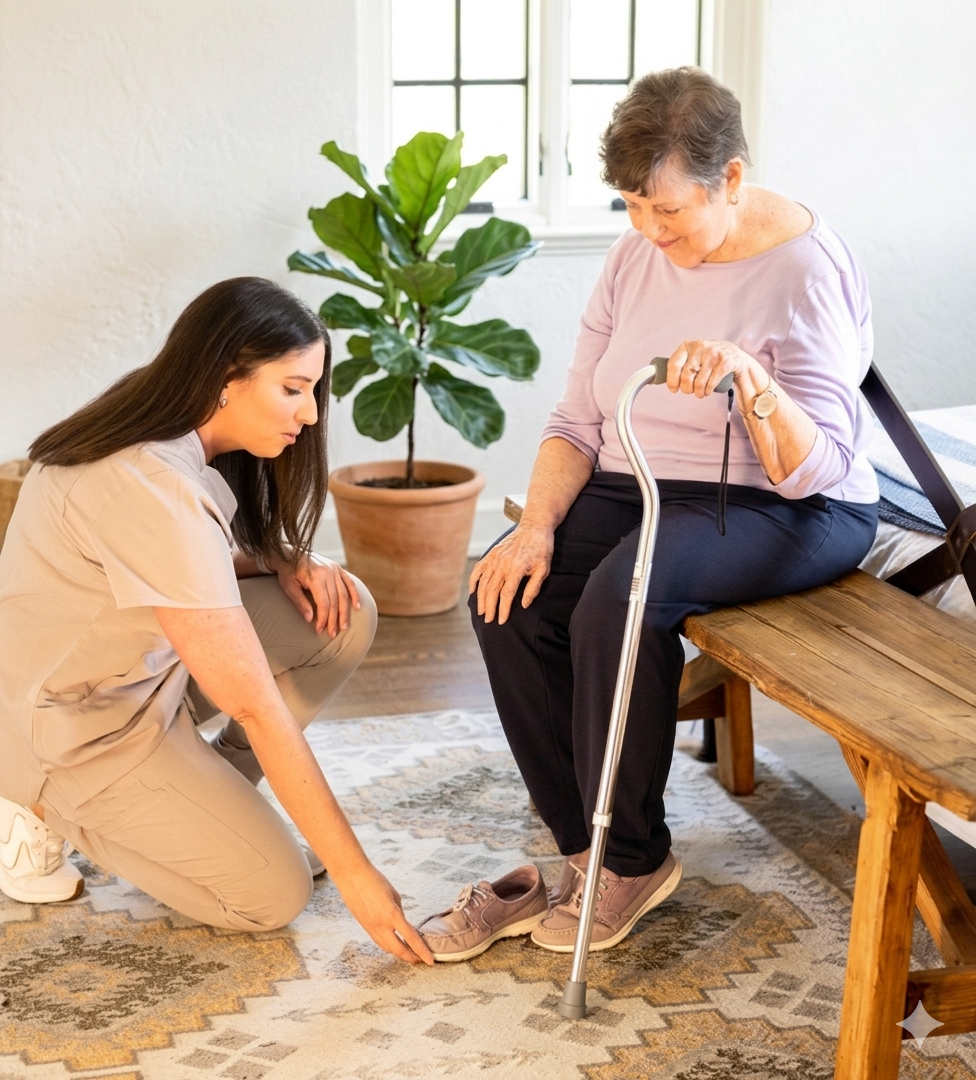
Specialty care covers non-medical situations outside standard senior support: surgery recovery, adults with disabilities, and custom plans. It fits Maitland families navigating a specific season of life, not a long-term decline. Learn more about specialty care.
Services include post-surgery recovery companionship, disability support focused on maintaining independence, and custom plans for unique circumstances the standard menu doesn’t cover.
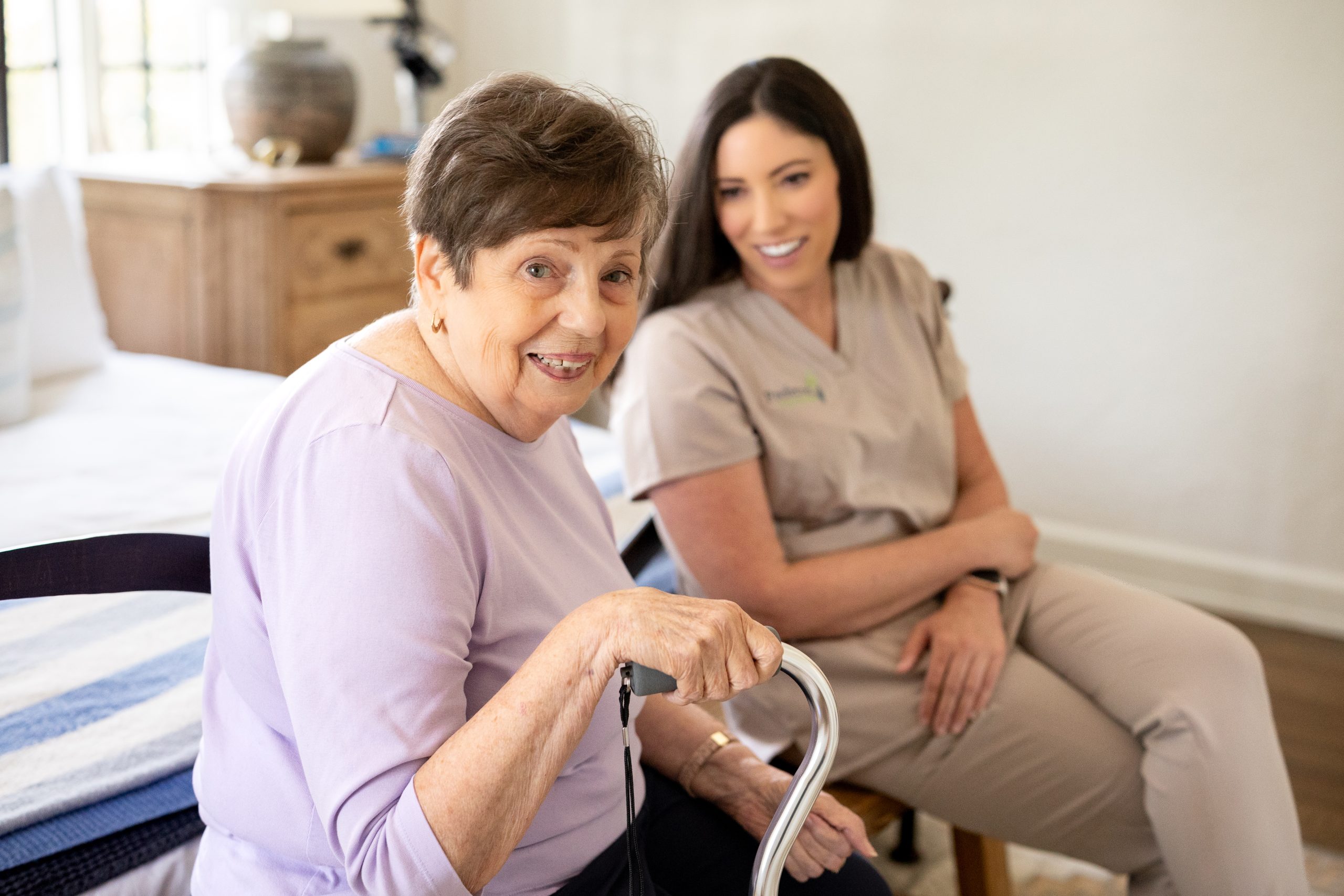
The Transparency Room is a family-facing online portal that shows caregiver schedules, visit notes, tasks, and messages. It fits Maitland families with adult children living outside Central Florida who want real visibility into daily care. Learn more about Transparency of Care.
Features include a shared master calendar, caregiver visit tracking, task confirmations, daily notes from the care team, voice messages from caregivers, and online invoice access with payment.
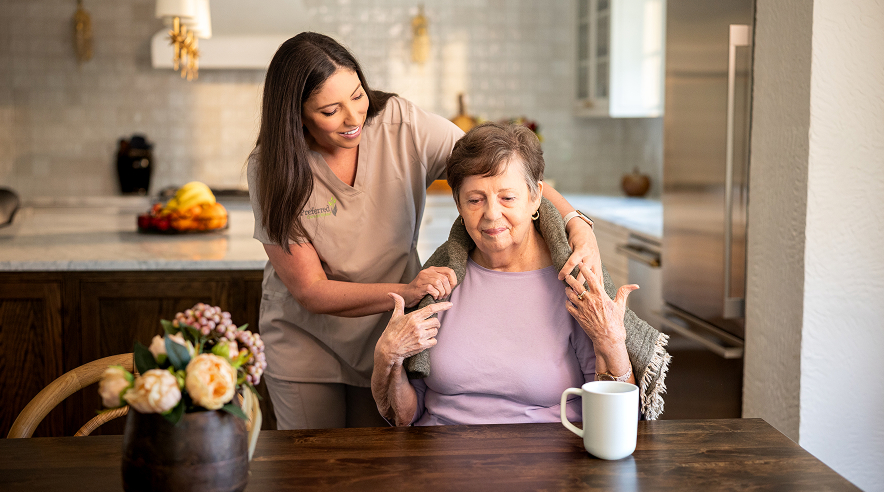
Robin Wilkie-Naylor opened the office in 2008 and still runs it today. The office carries Florida AHCA license number 230942, and it’s bonded and insured. Every caregiver completes our 7-step screening with criminal background checks, and each one is an HHA, a CNA, or a trained companion. Named Best of Home Care Employer of Choice 2024, with Presidential Award recognition from 2011 through 2016.
We operate on one mission: leave every person we care for in a better state than we found them. That’s a boutique model, small enough to know each Maitland family personally, large enough to cover 24/7. Robin helps families apply long-term care insurance from Genworth, Allianz, John Hancock, and others to a plan built from our senior home care services. Your loved one is in good hands, and you get the peace of mind that comes from knowing care needs are met by people who honor this community.

Step 01
You call us or fill out a form. We answer and schedule a visit at a time that works for your family. Calling (407) 601-3960 connects you directly to the local office.

Step 02
We come to your home, listen to what’s going on, and do a complimentary walk-through of routines and care needs.

Step 03
We build a plan around your loved one’s routine, preferences, and the specific support the household needs.

Step 04
We match by personality and experience, not by whoever is available that shift.

Step 05
Care starts, you get Transparency Room access, and we adjust the plan as your loved one’s needs change.
Caring for an older parent at home in Maitland surfaces challenges that catch families off guard, especially the first time around. Seniors face unique obstacles in Central Florida, and understanding them helps you plan better care.
Challenge
What It Looks Like
How We Help
Heat and humidity limit outings
What It Looks Like
From June through September, highs above 90°F keep seniors indoors, meals get skipped, and isolation deepens when family can’t visit daily.
How We Help
Companion care visits cover meals, medication reminders, and air-conditioned transportation to appointments; live-in care provides overnight supervision when heat disrupts sleep.
Challenge
Older homes, newer challenges
What It Looks Like
Many Maitland homes in Dommerich, Druid Hills, and around Lake Maitland were built for active families, not for parents who now struggle with stairs, long hallways, or large yards.
How We Help
Homemaker care takes over laundry, housekeeping, and errands; companion care adds daily supervision so your loved one stays in the home they know.
Challenge
Florida care categories confuse families
What It Looks Like
Florida separates companion and homemaker services from home health, and a registered companion provider cannot legally deliver hands-on clinical work.
How We Help
We explain what our non-medical scope covers on day one, and we coordinate with home health providers when clinical care is part of the picture, common on Transition Care and End-of-Life plans.
Challenge
Home care, home health, hospice, all different
What It Looks Like
Families assume any in-home provider can do everything, then discover too late their provider can’t handle dementia behavior, clinical recovery, or hospice coordination.
How We Help
We’re a non-medical provider; dementia care is built into caregiver training, and we work alongside hospice and home health teams rather than pretending we replace them.
Challenge
Waiting too long creates avoidable setbacks
What It Looks Like
Without transition support after a hospital stay, readmission risk climbs; without structured dementia routines, a parent’s confusion often accelerates within weeks. Challenging situations become crises when help arrives too late.
How We Help
Transition Care starts at the hospital with a 15-piece health record toolkit; dementia care brings trained caregivers and consistent routines before the next crisis, protecting well-being before decline accelerates.
Challenge
“Home care” is not one thing
What It Looks Like
Families sign up for a few hours of companion care and find out weeks later their parent also needs overnight presence, dementia-trained caregivers, or homemaker help from a provider who only does one.
How We Help
Companion, live-in, homemaker, and dementia care all sit under one plan here, so caregivers change with your loved one’s needs without changing agencies.
From our office on Graham Avenue, we serve families across Maitland and the surrounding Central Florida communities.
We Serve:
Maitland
Winter Park
Orlando
Apopka
Casselberry
Belle Isle
Conway
Azalea Park
Thornton Park
College Park
Fern Park
Downtown Orlando

Preferred Care at Home of Northeast Orlando is a locally owned, non-medical senior home care provider founded in 2008 and headquartered at 302 S Graham Ave, Orlando, FL. The office serves Orlando, Maitland, Winter Park, and surrounding Central Florida communities. Licensed by Florida AHCA (LIC HMC #230942), bonded and insured. Named Best of Home Care Employer of Choice 2024.
Yes. Maitland is part of our service area, and you can reach the local office at (407) 601-3960.
Our Graham Avenue office has served Central Florida since 2008, and the same team covers Maitland, Winter Park, Orlando, Apopka, and surrounding communities. When you call, you reach the local office, not a national call center routing your request somewhere else.
We offer companion care, live-in care, dementia and Alzheimer’s care, transition care, homemaker care, end-of-life support, and specialty care.
Most Maitland families start with companion care for daytime supervision, meals, and transportation. Households facing memory loss move to dementia and Alzheimer’s care, which combines trained caregivers with structured routines and family education. Helping seniors stay at home safely is what each service is built around.
Five steps: you contact us, we do a complimentary in-home assessment, we build the care plan, we match a caregiver, and care begins.
Most families move from first call to care starting within days, not weeks. The home assessment is free and carries no obligation, and the plan can start as small as a few hours a week or scale up to 24-hour live-in care as needs change.
Home care is non-medical daily support; home health involves licensed clinical services under a separate state authority.
Non-medical in-home care covers meals, medication reminders, light housekeeping, laundry, mobility help, bathing and dressing support, and companionship. Home health covers skilled nursing, wound care, and therapy under clinical orders. Many Maitland families use both together, working side by side on one plan.
Medicare generally does not cover non-medical home care; it covers medically necessary home health in limited situations.
Most non-medical care in Maitland is paid privately, through long-term care insurance, or through VA benefits like Aid and Attendance. Preferred Care at Home works regularly with Genworth, Allianz, John Hancock, and other policies, and we help families apply benefits to the plan.
Cost depends on hours per week, level of care, and whether the plan is hourly or 24-hour live-in.
Hourly companion and homemaker care, live-in care, and specialty care each price differently, and the right plan depends on what your loved one actually needs day to day. The home assessment is complimentary, and we walk through long-term care insurance coordination and private pay options in that conversation.
Companion care fits daytime supervision on the hours you schedule; live-in care fits round-the-clock coverage for overnight and weekend needs.
If your parent is safe alone at night but you want someone in the home while you’re at work in Maitland or downtown Orlando, companion care is the right fit. If there’s fall risk, overnight confusion, or a dementia diagnosis, live-in care brings a caregiver into the home 24 hours a day.
Yes. Plans adjust from a few hours weekly up to 24-hour live-in care without changing agencies or signing a new long-term contract.
Preferred Care at Home reviews the care plan regularly with your family and scales hours up or down as your loved one’s situation changes. Caregiver continuity stays a priority, so familiar faces remain on the schedule whenever possible.
Yes. Companion care and homemaker care cover meals, light housekeeping, laundry, errands, and medication reminders.
Caregivers prepare meals, handle grocery shopping, keep up with laundry and linens, run errands around Maitland, and prompt your loved one at the right times for prescriptions. Reminders are non-medical prompting; administering medications is clinical work handled by a licensed home health nurse, not our scope.
Dementia-trained care at home, often combined with live-in support to hold routines and manage overnight safety.
People with Alzheimer’s and related conditions do best in a familiar environment, which is why care at home often works better than a move. Preferred Care at Home trains every caregiver in dementia support, builds structured daily routines, and combines in live-in hours when wandering, sundowning, or overnight confusion becomes part of the picture. Seniors living with memory loss need consistency, and that’s what our dementia care provides.
When a parent becomes unable to handle meals, medication, or basic household tasks independently, Maitland FL in home care provides the daily support they need to stay home safely.
Companion care and homemaker services cover meal preparation, medication reminders, light housekeeping, and errands. If your loved one is unable to bathe, dress, or move around the home without help, personal care assistance is built into the plan. The goal is to preserve dignity and independence while making sure daily needs are met.