
Your loved one is in a care facility, and you’re not there. Preferred Care at Home of Northeast Orlando sends compassionate caregivers into assisted living facilities and nursing homes to advocate, assist, and ensure no one gets overlooked.
Florida recently reduced staffing minimums in care facilities to essentially nothing. That single change tells you everything about the gap between what families expect and what residents actually receive.
The consequences show up quietly. A meal tray sits five feet from someone who can’t get up. Blinds stay closed all day. Call buttons go unanswered for an hour. Your loved one tells their story to a different aide every shift and eventually stops telling it at all.
You’re at work. You may be out of state. You can’t be there every day to check, and the facility’s own records won’t show you what’s really happening on the floor. The difference between a resident who receives attention and one who doesn’t often comes down to one thing: whether someone is physically present and paying attention on their behalf.
Facility advocacy is companion care delivered outside the home, inside nursing homes, assisted living communities, adult family care homes, and rehabilitation center. It’s care and oversight provided while your loved one is in a facility setting where you can’t be present yourself.
This is typically a short-term, crisis-focused service. Most families come to us during a difficult window (anywhere from 10 days to several months, handled case by case) when they realize their loved one needs someone there now. It’s not a permanent arrangement. It’s a response to a real problem that needs an immediate solution.
Long-term care facilities serve thousands of residents each year, and individuals get lost in that volume. A consistent advocate changes that. Our caregivers are physically present during the hours when facility staff are most stretched, providing companionship, monitoring comfort, and making sure your loved one is not sitting alone with needs going unmet.
Open blinds, a conversation, a familiar voice: these are the signs that someone is there. Residents with consistent in-person advocacy tend to receive more attentive care from facility staff and experience fewer gaps in basic needs.
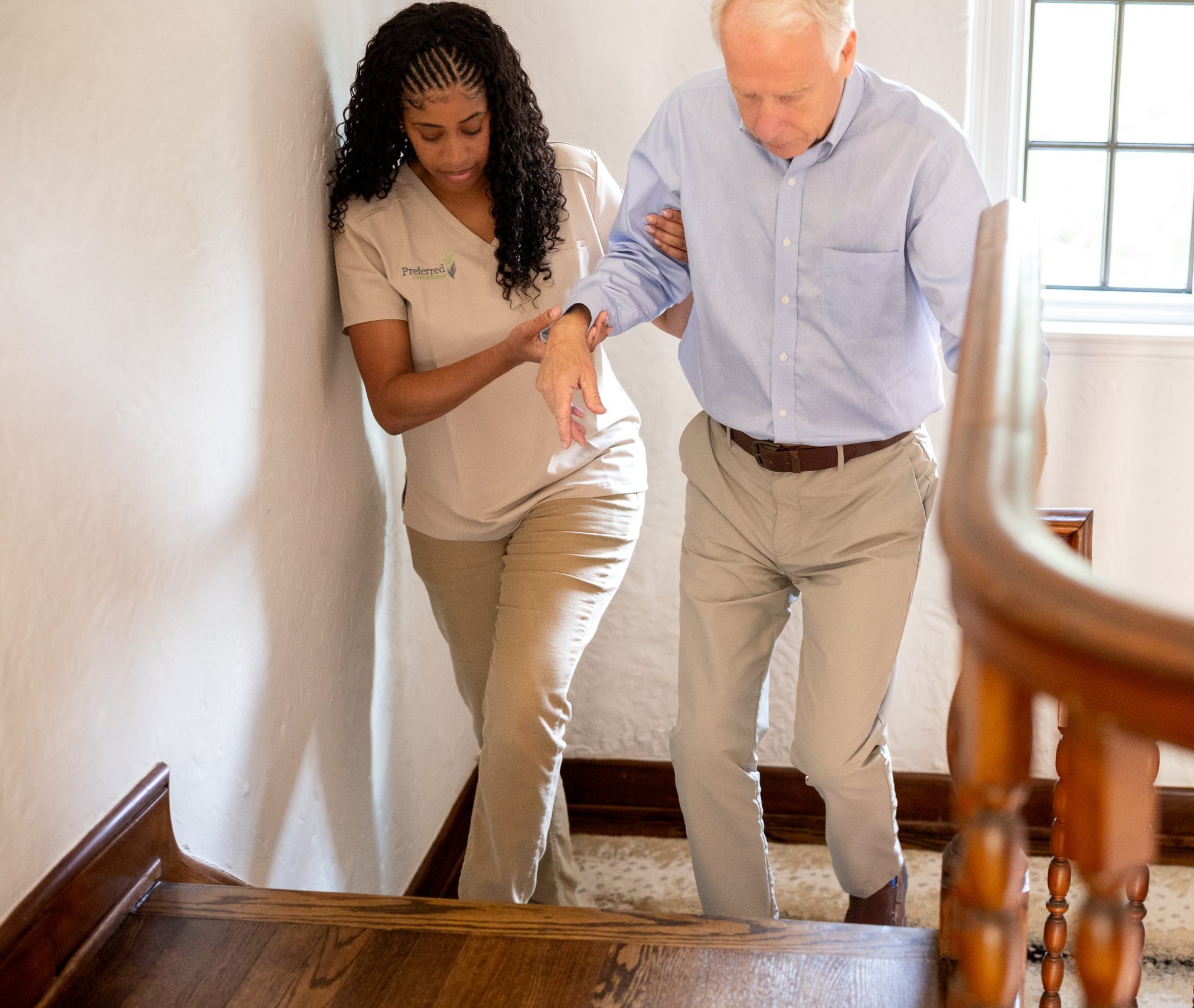
Our advocacy services include direct coordination with facility staff, charge nurses, and the director of nursing when concerns aren’t addressed at the floor level. Our caregivers understand Florida’s standards of care and patient rights, and can recognize when those standards aren’t being met. That includes helping maintain the standards of care your loved one was promised: bathing and eating schedules followed on time, and response to the call button when it matters.
We maintain respectful, productive relationships with facility staff because experienced advocates know that how you raise a concern affects whether it gets resolved. The purpose is results. Families count on us to advocate firmly without creating friction that falls back on the resident.
A meal tray sitting untouched is not a charting issue. It’s a person going hungry. Our advocates ensure meals are delivered, eaten, and assisted with when needed. That includes cutting food, monitoring hydration throughout every visit, and flagging nutrition concerns to facility staff immediately.
Nutrition and hydration issues are among the most common and preventable forms of harm in care facilities across Florida. These problems don’t show up in records. Having someone present who is watching and following up protects your loved one from a slow decline that is entirely avoidable.

A call button is only useful if someone responds. Our caregivers follow up with nursing staff when calls go unanswered, walking to the nurse’s station or director of nursing to ensure your loved one’s safety and welfare are protected. We document what we observe and share that information with family members so nothing stays invisible.
Consistent, attentive monitoring is what separates a resident who is simply living in a facility from one who is truly cared for. Our team recognizes the signs of developing problems and acts before those problems escalate.
You work. You may live out of state. Our advocates serve as your daily contact inside the facility, sharing what they observed, what was addressed, and what still needs attention so you can make decisions from wherever you are.
When your loved one is ready to come home, that same familiar caregiver can transition with them through our Smooth-Transition Care program. There is no handing off to a stranger at the moment that matters most.
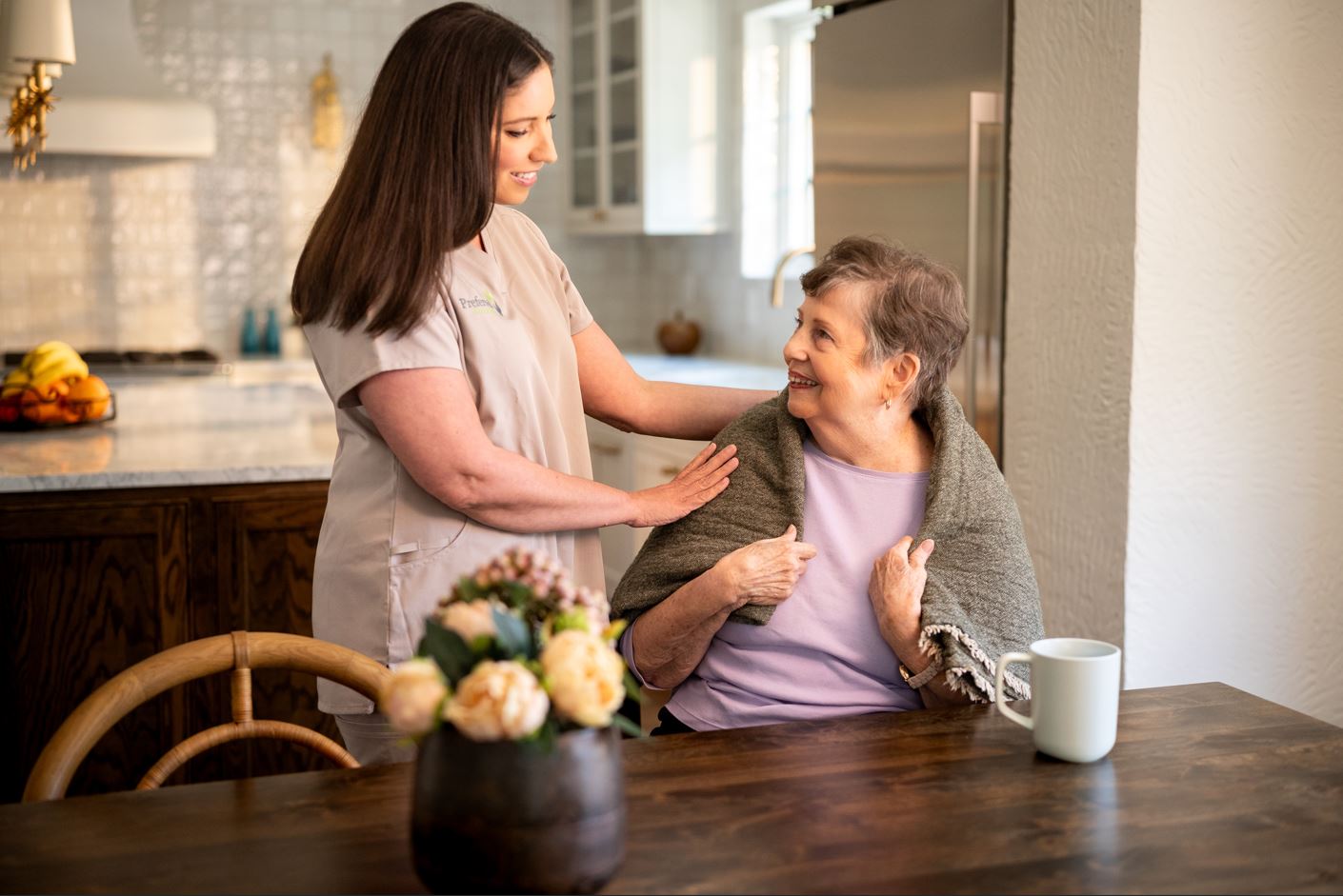
This service exists for families in crisis. You know something is wrong, you can’t be there every day, and you need someone inside that facility now.
Facility advocacy is built for family members who still need to work and can’t visit daily. It’s for adult children who live out of state but need eyes on their parent’s care. It’s for families whose loved one is in a rehabilitation center after a fall or hospital stay and the recovery isn’t going the way it should.
If you’re worried that your loved one isn’t getting the attention they deserve, that worry is usually right. We can be there within days of your call.
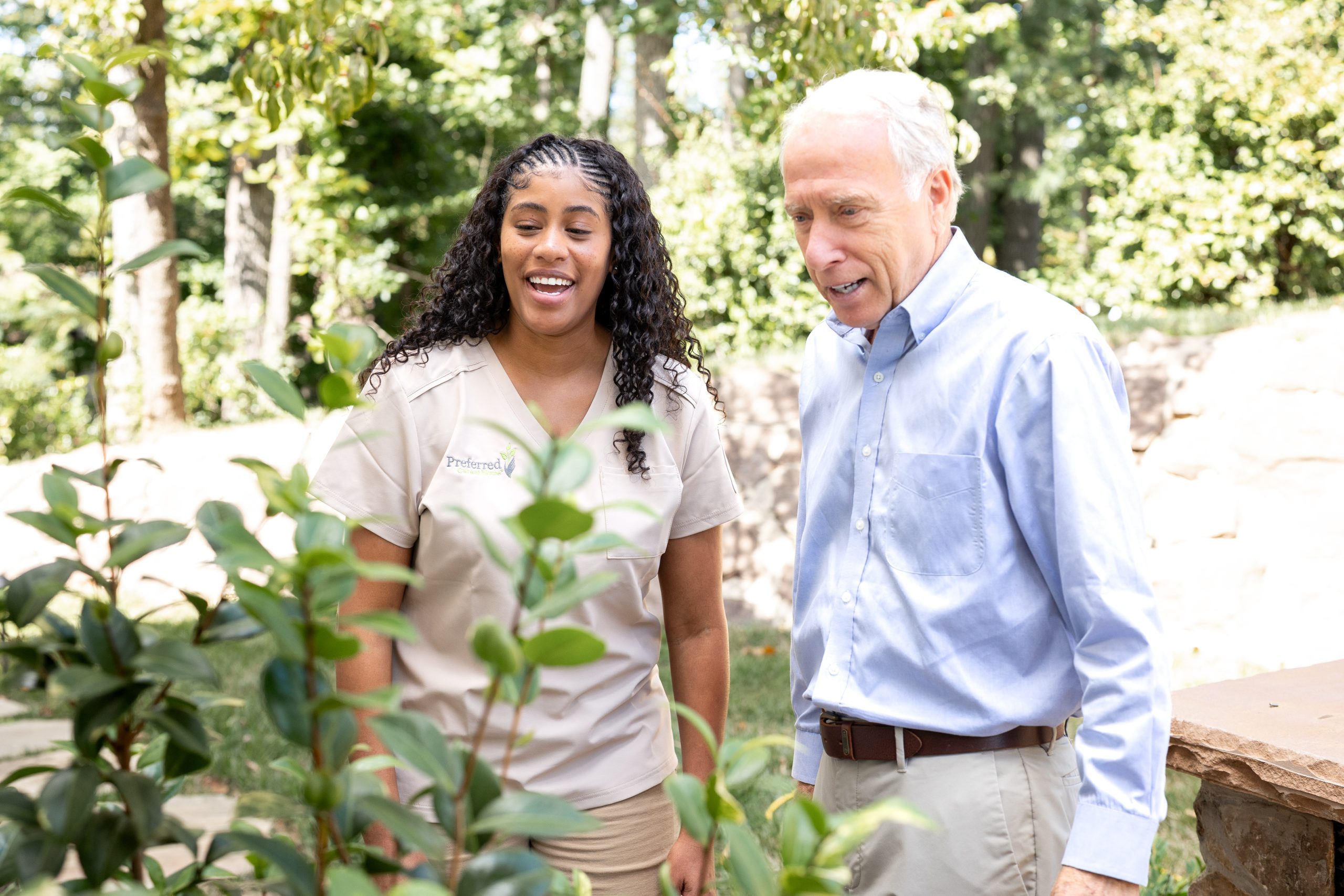
Preferred Care at Home of Northeast Orlando has served the Central Florida care community since 2008. Robin Wilkie-Naylor has built relationships across Orlando’s facility landscape over 15 years, and our caregivers bring that same depth of knowledge into every advocacy engagement.
We assign the same caregiver as often as possible. Facility residents already deal with a revolving door of unfamiliar staff. Adding another rotating stranger doesn’t help. A consistent advocate who knows your loved one’s history, preferences, and care needs changes the dynamic entirely.
Our caregivers have previous facility experience and understand what standards of care should look like. They know when those standards aren’t being met, and they know how to raise concerns in a way that gets results without damaging the relationships your loved one depends on every day.

Step 01
Call or reach out online. We respond the same day and learn your situation.

Step 02
We review your loved one’s needs, care setting, and specific concerns with you.

Step 03
We assign an experienced caregiver who understands facility environments and staff dynamics.

Step 04
Your advocate arrives at the facility and begins coordinating care and monitoring immediately.

Step 05
We provide regular updates to family members and adjust our approach as needs change, through discharge and the transition home.
Orlando’s size and Florida’s complex care landscape create real barriers when families try to ensure their loved one is safe inside a facility.
Problem
Description
How We Help
Reduced Staffing Standards
Description
Florida facilities often operate with minimal floor coverage during evenings and overnight hours, leaving residents unable to get help when they need it most.
How We Help
Our advocates fill the attention gap during the hours when facility staff are most stretched and individuals are most at risk.
Problem
Distance and Work Obligations
Description
Orange County has over 1.5 million residents and a 28-minute average commute. Daily visits to a care facility simply aren’t possible for most people.
How We Help
We serve as your on-site representative every visit so you don’t have to choose between your job and your loved one’s welfare.
Problem
Not Knowing Who to Contact
Description
Florida oversight is split across AHCA, the long-term care ombudsman, and the DOH complaint portal. Families rarely know which agency handles what.
How We Help
Our team knows the right channels and helps you determine whether to contact the facility, the ombudsman, or a state agency.
Problem
Invisible Neglect Patterns
Description
Closed blinds, untouched meals, and unanswered call buttons don’t appear in care records. Families learn about these problems only after harm has occurred.
How We Help
Daily in-person presence means our advocates catch and resolve these patterns before they become serious health issues.
Problem
High Facility Staff Turnover
Description
Your loved one tells their story to a different person every few days and builds no real relationship with anyone on the care team.
How We Help
We assign the same advocate as often as possible, giving your loved one a consistent, familiar presence regardless of what changes around them.
Problem
Rushed Decisions After a Health Event
Description
A fall, sudden decline, or discharge notice puts families into immediate decision mode with no time to learn their options or protect their loved one’s rights.
How We Help
We can begin facility advocacy within days of your call and guide the full process from inside the facility through the transition home.
We proudly serve families across Central Florida from our locally owned location. Robin Wilkie-Naylor’s team provides responsive care and understands the unique needs of seniors aging in place throughout this community.
We Serve:
Orlando
Winter Park
Maitland
Apopka
Casselberry
Edgewater / College Park
Belle Isle
Consider facility advocacy when you notice signs that your loved one isn’t receiving consistent attention: unanswered call buttons, untouched meals, unchanged clothing, or increasing anxiety and withdrawal.
Most families reach out during a crisis, but you don’t have to wait until harm has occurred. If you’re worried and you can’t be there every day, that’s reason enough. Call (407) 601-3960 and we’ll talk through your situation honestly.
Facility advocacy is companion care delivered inside a care facility rather than at home. Transition care focuses on the move from hospital to home. Facility advocacy focuses on protecting your loved one while they’re still in a facility setting.
All three services share the same foundation: a consistent, compassionate caregiver who knows your loved one. The difference is where the care happens and what the caregiver is watching for. Facility advocates are trained to recognize when standards of care aren’t being met and to coordinate with facility staff to resolve issues.
Florida regulations protect the rights of individuals in nursing homes, assisted living facilities, and adult family care homes to receive outside care providers and advocates during their stay.
Our caregivers coordinate with facility staff from day one to establish a productive working relationship. Experienced advocates know that how you raise a concern affects whether it gets resolved. If a facility resists, we know the proper escalation channels, including the long-term care ombudsman and AHCA.
Most families use facility advocacy for a defined period, typically ranging from 10 days to several months, depending on the situation and your loved one’s recovery timeline.
Every case is different. Some families need an advocate during a rehab stay after surgery. Others need ongoing presence in a long-term care setting. We assess your situation and adjust as needs change, with no long-term contracts required.
Yes. We assign the same caregiver as often as possible because consistency is the foundation of effective advocacy.
Your loved one already deals with rotating facility staff. Our goal is to provide one trusted, familiar face who knows their history, preferences, and needs. That same caregiver can follow your loved one through discharge and the transition home.
That’s exactly what facility advocacy is built for. Our advocate serves as your on-site representative and provides regular updates so you can make informed decisions from wherever you are.
We communicate what we observed, what was addressed, and what still needs attention. You don’t have to choose between your responsibilities and your loved one’s welfare. Robin and the team at (407) 601-3960 can walk you through how it works.
Facility advocacy is priced by the hour with no long-term contracts, and many Orlando families use long-term care insurance to help cover the cost.
Preferred Care at Home of Northeast Orlando works with insurers including Genworth, Allianz, and John Hancock to help families access their benefits. There is no form to fill out before your first conversation. Call (407) 601-3960 today and a member of our team will walk you through your specific situation and what the numbers look like.
Watch for unexplained weight loss, untouched meals, unchanged clothing, unusual anxiety or withdrawal, and reports of unanswered call buttons or long waits for help.
Neglect in care facilities is often invisible in charts and records. That’s why consistent in-person presence is the most reliable form of monitoring. If you see these signs during visits (or hear about them from your loved one), don’t wait for the situation to worsen.
Contact local providers directly rather than submitting your information through referral marketplace websites, which share your contact details with multiple firms simultaneously.
Families searching for Orlando facility help have reported receiving three to six unsolicited contacts daily after using national placement services. Reaching out to Preferred Care at Home of Northeast Orlando directly at (407) 601-3960 means one conversation, one contact, and no referral funnel.
Start with the facility administrator for fixable issues. Escalate to Florida’s DOH complaint portal or long-term care ombudsman when safety, welfare, or abuse concerns go unresolved.
Florida’s Long-Term Care Ombudsman Program is a free, confidential service that investigates concerns and protects residents’ rights. For immediate day-to-day protection, an on-site advocate ensures your loved one has someone watching and following up while official channels work through the process. Contact us and reach out to the ombudsman program simultaneously.