
Most families try to figure out trust by reading a caregiver’s face across a kitchen table. That gut-check approach skips the parts of trust you can actually verify, and this post lays out the framework: what to check, what to ask, and how Tennessee’s oversight tools fit in. Preferred Care at Home of Hendersonville is locally owned by Quin Christensen and Richard Patterson, and holds Certified Preferred Provider status earned through home care operations training.
Key Takeaways:
- Trust isn’t just whether caregivers seem kind. It includes how they handle fall risk, isolation, and daily oversight.
- According to ACL, nearly 62% of family caregivers said that without support services, the care recipient would be living in a nursing home.
- Tennessee Adult Protective Services accepts abuse reports 24/7, and the state maintains an Abuse Registry through the Health Facilities Commission.
- Agency-based home care builds in backup coverage, supervision, and a reporting path. Private hire shifts those duties to family members.
What Actually Makes a Caregiver in the Home Trustworthy
Families often test for a trusted caregiver in the home the same way they’d test a babysitter: warmth, eye contact, a friendly handshake. That misses the point. The home is where the highest-risk events for older adults actually happen, and the in home caregiver is the person standing between an ordinary day and a hospital stay.
According to CDC older adult falls data, more than 14 million adults age 65 and older report falling each year, about 1 in 4 seniors.
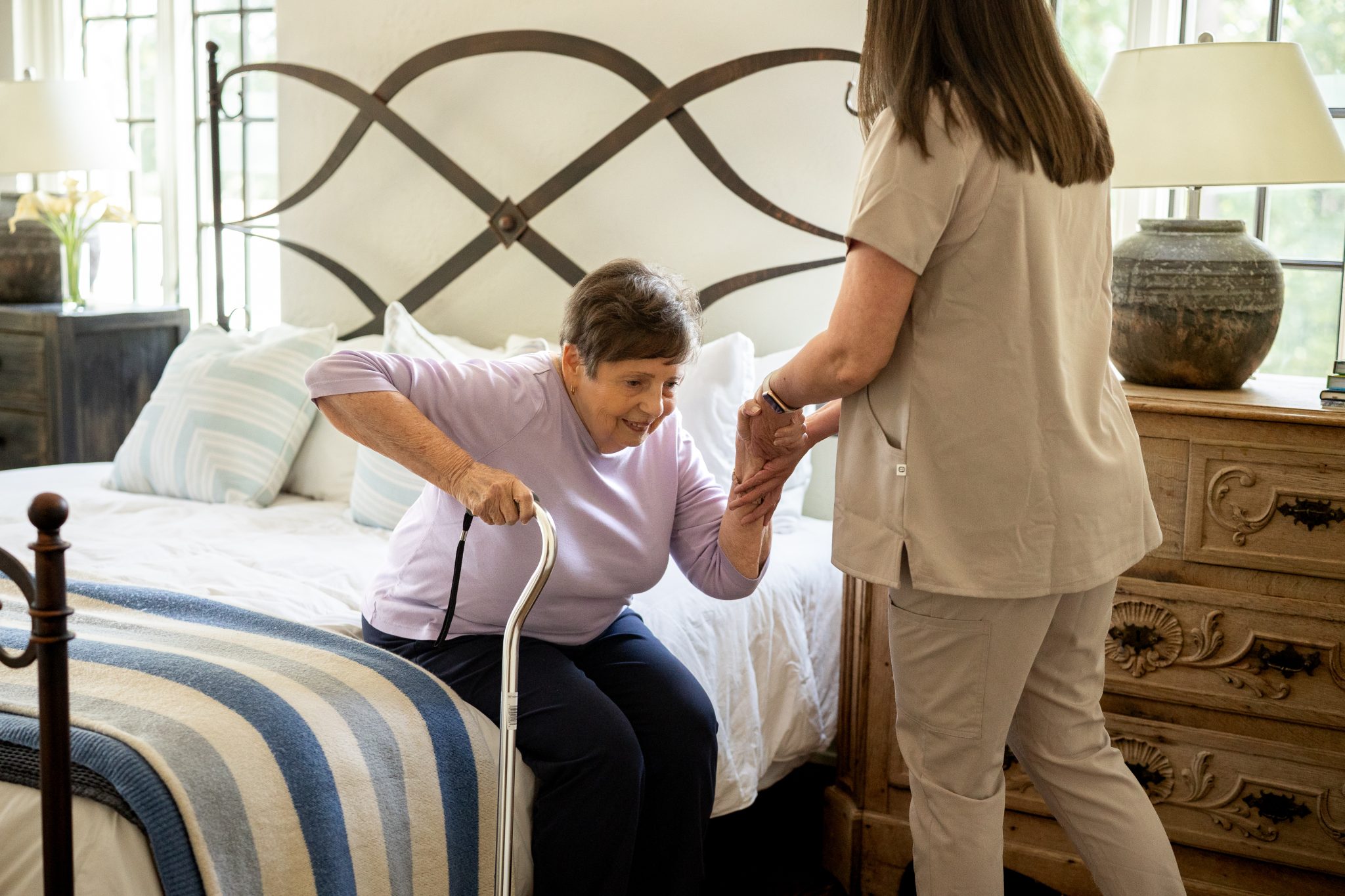
A caregiver who is kind but inattentive can still fail your aging loved one in the moment that matters most. Trust has to include training, attentiveness, and the habit of watching for what’s about to go wrong. Professional caregivers receive hands on training in fall prevention before they enter clients’ homes. They spend time learning to recognize subtle changes in mobility or mood that signal bigger problems ahead.
The CDC also reports that seniors are at higher risk for social isolation risk factors, which raises the risk of dementia, depression, heart disease, stroke, and earlier death. That means a trusted caregiver also protects your loved one’s quality of life, not just safety.
Three dimensions matter when you evaluate caregivers:
- Skill under pressure. Can the caregiver respond when a parent falls, refuses meals, or wanders at night
- Oversight. Is anyone supervising the caregiver, or are they alone in the home with no check-in system
- Fit. Does the caregiver match your loved one’s personality, not just their schedule
Each one is verifiable. Spend time with these questions before care begins. Here’s how.
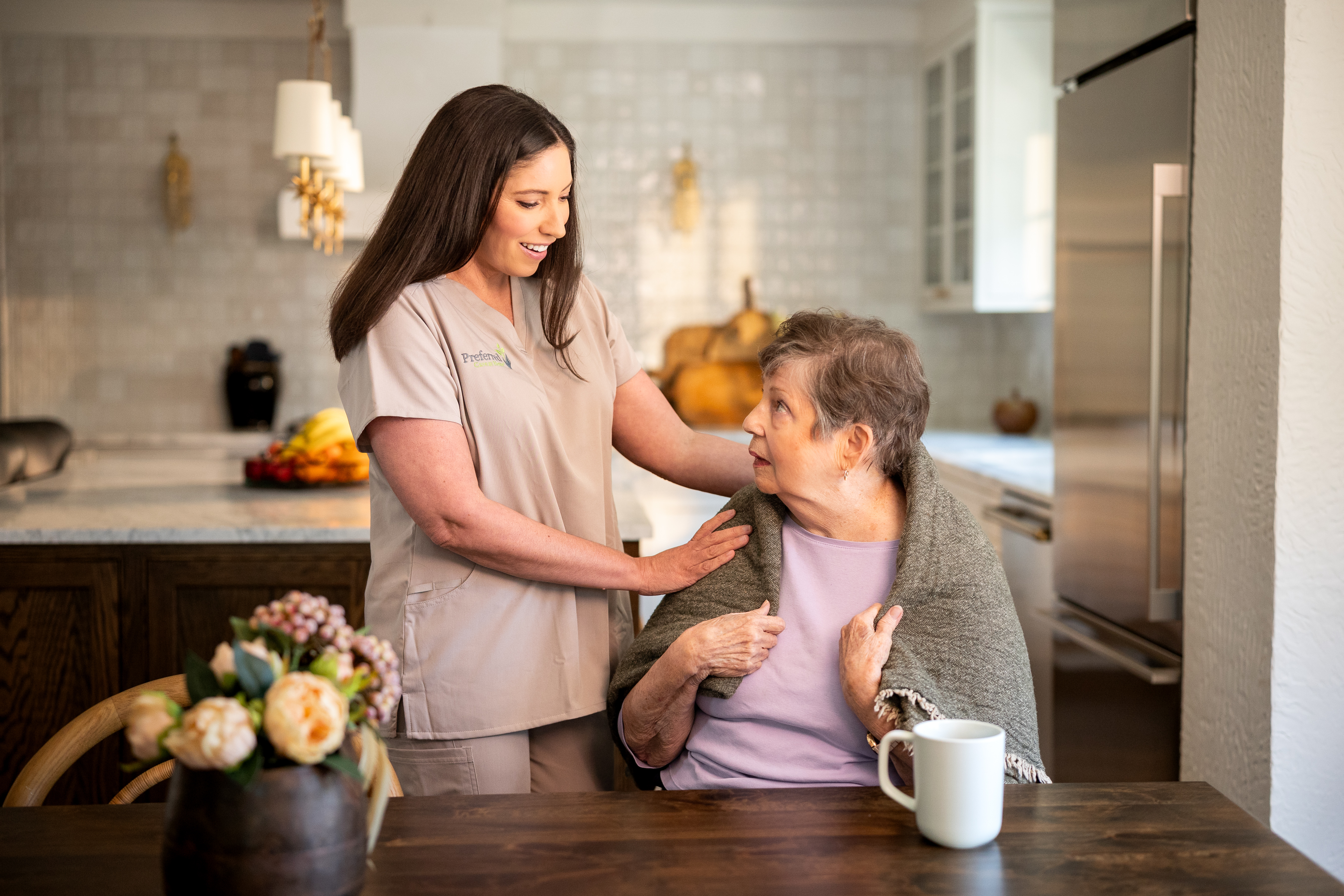
How to Verify a Caregiver Before Care Begins
Verification beats reassurance every time. Some states require home care aides to pass a background check and competency exam before working with families. Tennessee licenses home care agencies through the Health Facilities Commission, which gives you a paper trail to check before anyone walks through your parent’s door.
Use this checklist in the first week of hiring a caregiver:
- Verify the agency’s Tennessee license number and active status
- Ask for the caregiver’s specific background check sources (federal, state, abuse registry)
- Confirm a named supervisor and a backup caregiver
- Request a written care plan before the first shift
- Schedule a trial visit while you are home
- Save the agency’s after-hours contact and the Tennessee APS hotline, plus your cell phone number for quick access
Questions to Ask the Agency
Credentials matter, and agencies that hold Certified Preferred Provider status should be able to answer all of these without hesitation. This is part of the decision making process that protects your family and ensures safety for elderly loved ones receiving in home care.
- Who supervises my caregiver, and how often
- What is your backup plan if my caregiver calls out sick
- How are caregivers matched to a family’s specific needs
- What happens if the personality match isn’t working
- How do you handle complaints, and what’s the escalation path
Honest advice from agencies includes acknowledging when a match isn’t working and offering alternatives. Families deserve straight answers about how hiring works and what happens when problems arise.
Tennessee Oversight Resources Families Can Use
Tennessee Adult Protective Services accepts reports of suspected abuse, neglect, or exploitation 24 hours a day, anonymously if needed. Tennessee Health maintains a Tennessee Abuse Registry through the Health Facilities Commission, which families can reference when verifying an agency’s record. Honest people working in home care understand why these systems exist. Naming these tools changes the conversation from “I hope this caregiver is honest” to “I know what I can do if something goes wrong.”
Verifying matters, but it doesn’t tell you whether agency care or private hire is the right fit. Here’s how those compare.
Agency or Private Hire: Which Trust Model Fits Your Family
Workforce reality is shaping this decision more than most families realize. According to the U.S. Bureau of Labor Statistics, employment of home health aides and personal care aides is projected to grow 17% from 2024 to 2034, with about 765,800 openings each year. That growth signals high turnover and supervision gaps families need to plan around when hiring caregivers for aging parents.
|
Factor |
Agency Caregiver |
Private Hire |
|
Background screening |
Agency runs and documents |
Family arranges and verifies |
|
Supervision |
Named supervisor, regular check-ins |
Family supervises directly |
|
Backup coverage |
Agency provides replacement |
Family scrambles or goes without |
|
Reporting path |
Internal escalation plus state agency |
Family handles disputes alone |
|
Liability insurance |
Carried by the agency |
Family’s responsibility |
Agency caregivers win when families want oversight, replacement coverage, and a clear accountability structure. A paid caregiver through an agency means you’re not the primary caregiver managing every detail alone. Agency-based companion and homemaker care is built around those systems. Private hire can work when a family already has a known trusted person and can manage payroll, screening, supervision, and the reporting path themselves. Either way, the same person showing up consistently matters for building trust.
Home care experience tells us that families choosing a home health agency often want clinical oversight alongside daily support. That decision settles the “who” question. The next one is “what kind of care.”

Non-Medical Home Care vs Home Health Care
Most families don’t realize home care and home health are different services with different qualifications. Non-medical in home care covers daily living support, companionship, preparing meals, light housekeeping, and medication reminders. Home health is physician-directed and delivered by licensed clinicians, sometimes including physical therapy or skilled nursing.
|
Factor |
Non-Medical Home Care |
Home Health Care |
|
What it covers |
Daily living support, companionship, meal preparation, light housekeeping, medication reminders |
Physician-directed clinical visits, therapy, nursing services |
|
Who delivers it |
Caregivers, often state-trained or agency-credentialed |
Home health aides, licensed clinicians under physician orders |
|
When to use it |
Ongoing daily support and presence at home |
Short-term recovery or active medical management |
Most families searching for a trusted caregiver in the home are looking for non-medical personal in-home care, the daily support that keeps a parent safely independent in their own homes. Care services provided through agencies include household chores, running errands, and companionship alongside personal care tasks. Clients receive assistance with bathing, dressing, and mobility as part of daily living support. Caregivers who learn to prepare your loved one’s favorite foods can turn mealtimes into moments of comfort rather than frustration.
How to Start Care Without Losing Your Parent’s Trust
The hardest part isn’t finding a caregiver. It’s introducing one without making elderly parents feel managed or replaced. Many family caregivers think they have to do everything alone to keep a loved one safe, and respite in-home care exists because that’s how caregiver burnout starts. Family members need support too, and respite services give them space to rest while their loved one age safely at home.
Here’s a gradual sequence that protects both your parent’s dignity and your own bandwidth. Walk through each step before moving to the next:
- Start with companionship hours, not personal care. Let your parent meet the new caregiver doing low-stakes tasks first.
- Stay in the home for the first visit. Step out for the second.
- Build a check-in rhythm. Call your parent after the caregiver leaves, not while they’re there.
- Watch for the second-week shift. Many families tell us that’s when comfort or discomfort becomes clear.
According to the ACL National Family Caregiver Support Program, 74% of caregivers reported that home care services enabled them to provide care longer than would have been possible otherwise.
Families don’t have to figure out matching, oversight, and pacing alone. A consultation walks through what your aging loved one actually needs and how to start without overwhelming them. Feel comfortable asking questions before you commit. Get Care Now when you’re ready to talk through a plan.
Can you trust a caregiver in your home?
Yes, when trust is verified through licensing, background checks, supervision, and a clear reporting path rather than a personality read.
You can trust a caregiver in your home when the systems around that caregiver are sound. That means an agency license you can verify, documented background screening, a named supervisor, and a way to escalate concerns. In-home companion services through agencies build those checks in by default, which is why most families start there. Detailed information about screening and supervision should be available before the first visit. Clients who work with home care agencies receive ongoing support and oversight that private arrangements rarely match.
How do you build trust with an in-home caregiver?
Build trust gradually, with low-stakes tasks first, regular check-ins, and honest feedback to the agency about what’s working and what’s not.
Trust grows from small consistent moments, not big introductions. Start with companionship hours so your loved one meets the caregiver during conversation or a walk before any personal care begins. Share what your parent likes, what frustrates them, and how they prefer to be spoken to. Mention your loved one’s favorite foods, daily routines, and the small rituals that matter most. Tell the agency early if something feels off, before small mismatches become bigger ones. Other caregivers on the team can step in if the first match doesn’t work.
What’s the difference between non-medical home care and home health care?
Non-medical home care covers daily living help and companionship, while home health care is physician-directed clinical care delivered by licensed clinicians.
Non-medical in home care is the day-to-day support that keeps seniors safely at home: meal preparation, light housekeeping, bathing and dressing assistance, medication reminders, and companionship. Caregivers help with activities of daily living that become harder with aging. Home health care is a separate category covering therapy and nursing services ordered by a physician, usually short-term. Most families looking for ongoing daily presence at home need non-medical care. Services provided depend on what your loved one actually needs, not what sounds thorough on a brochure.
Is it better to hire privately or use an agency?
An agency is usually safer because it handles screening, supervision, backup coverage, and liability insurance, while private hire shifts those duties to the family.
Private hire can work when you already know and trust a specific person and you’re prepared to manage payroll, taxes, screening, and replacement coverage yourself. Home care agencies absorb that operational load. As a locally owned and operated provider, Preferred Care at Home of Hendersonville handles caregiver matching, supervision, and the escalation path so family members don’t have to build those systems from scratch. An area agency with local ownership means you can reach someone who knows your community.
What should I ask before letting a caregiver into the house?
Ask about license verification, background check scope, named supervisor, backup coverage, and how the agency handles a no-show on a snowy morning.
Beyond the basics of credentials and supervision, ask scenario-specific questions. How do you handle a caregiver no-show on a snowy morning? What happens if my parent refuses to let the caregiver in? How quickly can you replace someone if the personality match isn’t working? Preferred Care at Home of Hendersonville matches caregivers by personality and keeps a clinical staff member on the team for oversight. Providing services safely means having a backup plan for every scenario.
How do I start care without upsetting my parent?
Start with light companionship hours while you’re home, introduce personal care later, and frame the caregiver as help for you, not for them.
Resistance is normal, not a character flaw. Losing privacy and control is genuinely hard. Begin with a few hours of companionship while you’re still in the house so your parent isn’t suddenly alone with a stranger. Tell them the caregiver is there to give you a break, which is often easier to accept than admitting they need help themselves. The second week usually tells you whether the rhythm is working. Aging in place becomes easier when families introduce support gradually rather than all at once.
How do I know if a caregiver is safe to leave alone with my parent?
You’ll know when documented screening, agency supervision, and a clear reporting path are in place, plus your loved one’s own feedback after a few visits.
Safety isn’t a single moment of judgment, it’s a structure. Verify the agency’s license and the caregiver’s background check sources. Confirm a supervisor checks in regularly. Save the Tennessee APS number and the agency’s after-hours contact, and use them if anything feels wrong. You don’t have to wait until something goes wrong to escalate. Peace of mind comes from knowing the systems work before you need them. Get Care Now to talk through what verification looks like for your family.