
An active lifestyle for seniors does not mean a gym membership or a fixed exercise routine. Gardening, raking leaves, walking with a friend, and tai chi in the living room each count as real physical activity for older adults. We’re Preferred Care at Home of Hendersonville, and our caregivers help families across Sumner, Davidson, and Wilson Counties stay engaged at home. Neighbors caring for neighbors.
Key Takeaways:
- According to the CDC, more than 1 in 4 older adults report falling each year, which is why balance training matters as much as staying active
- An active lifestyle for older adults includes aerobic movement, strength work, balance practice, and social connection, not just one of those
- Even 5 minutes of activity counts as a starting point, and small habits compound
- Social engagement protects heart and brain health, so coffee with a friend belongs on the same list as a daily walk
What Counts as an Active Lifestyle for Seniors
Many activities count toward more than one category at once. Tai chi, yoga, water aerobics, and even gardening can deliver aerobic movement, light muscle strengthening activities, and balance practice in the same session. That means your daily life may already qualify as regular physical activity, even if you’ve never set foot in a fitness class.
According to the CDC, adults 65 and older need at least 150 minutes of moderate-intensity aerobic activity each week, plus muscle strengthening on at least 2 days, and balance exercises several times a week.
Moderate intensity activity means anything that raises your heart rate enough that you can talk but not sing. See the CDC’s older adult activity guidance for the full framework. Following physical activity guidelines creates an excellent opportunity to build habits that last, no matter your age or fitness level.
What counts as physical activity for older adults:
- Brisk walking and daily walks around the neighborhood
- Water aerobics and gentle swimming
- Tai chi and beginner yoga fitness classes
- Even gardening, raking leaves, and yard work
- Dancing in the living room or at a community center
- Resistance bands and bodyweight exercises at home
Movement is one half of the picture. The other half is who you spend it with.
Why Social Connection Belongs in the Definition
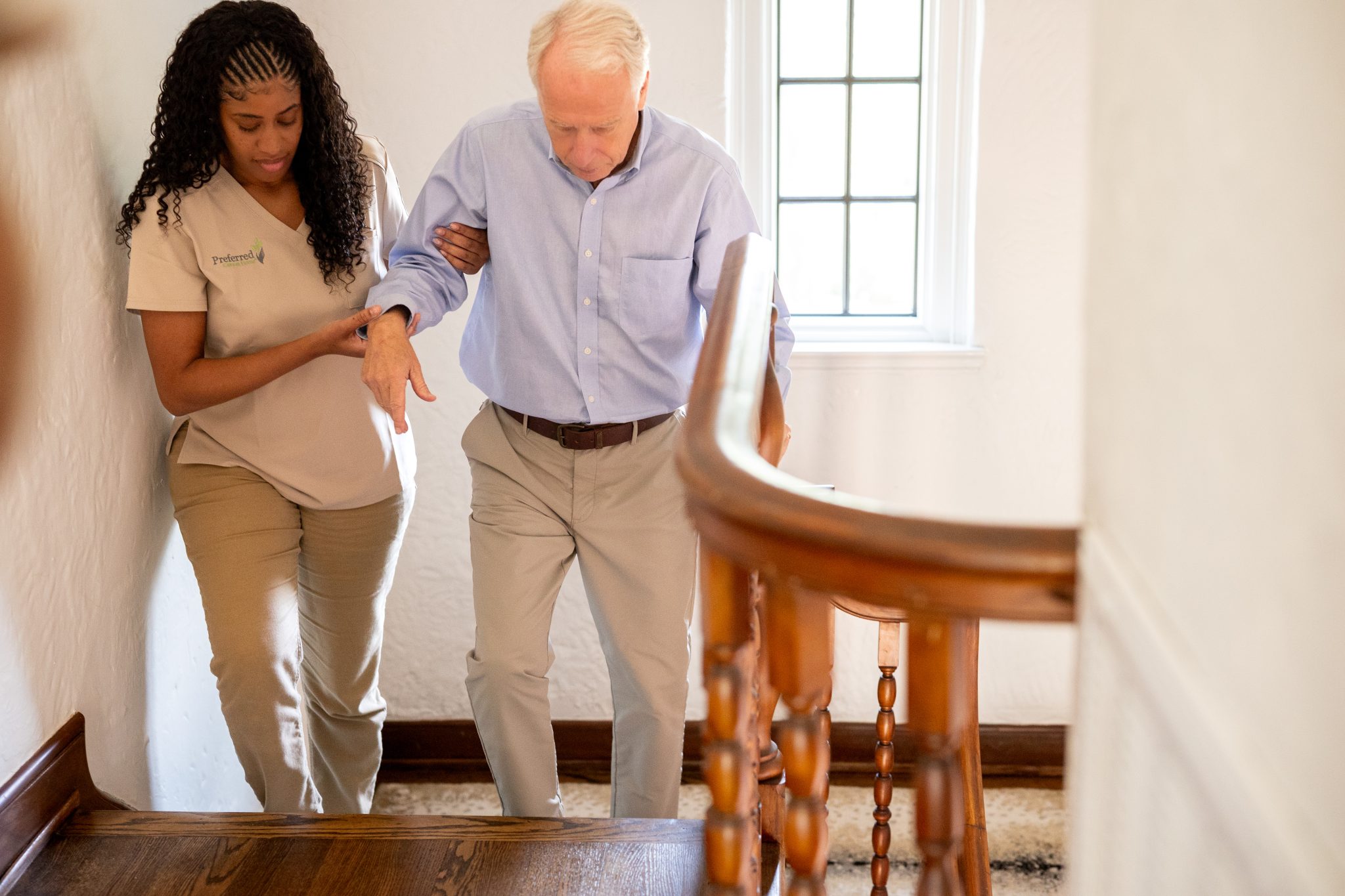
According to the National Academies report on social isolation, poor social relationships are associated with a 29% higher risk of coronary heart disease and a 32% higher risk of stroke.
Loneliness is not just a feeling. The CDC links social isolation in older adults to higher risk of heart disease, stroke, type 2 diabetes, depression, anxiety, and Alzheimer’s disease. That is why social engagement counts as part of an active lifestyle, not as a soft add-on.
Cardiovascular health and emotional well being depend on staying connected, which protects overall health at every age. Research shows that the cardiovascular system responds to social connection the same way it responds to movement.
Brain health follows the same pattern. According to the National Academies, social isolation is associated with about a 50% increased risk of developing dementia.
Staying mentally sharp into later life is tied to the conversations, shared meals, and weekly phone calls that keep older adults engaged. A reduced risk of chronic diseases comes from movement and connection together.
A real routine has to make space for both.
How to Build a Weekly Routine That Holds Up
The fastest way to fail is to start too big. Here is a sequence that holds up over months, not days. A few tips can make the difference between a routine that sticks and one that fades.
- Start slowly. According to ODPHP, even 5 minutes of physical activity has health benefits. Begin with 5 to 10 minutes a day and add a minute each week. The NIA’s tips for staying active as you age recommend this pace for anyone returning to a new exercise routine.
- Mix the three categories. Aerobic activity, strength exercises, and balance work each do something different. A walking-only routine misses fall prevention. Staying physically active means covering all three, which becomes essential as you age.
- Pick activities you’ll actually do. Gardening, daily walks, tai chi, and water aerobics tend to stick. Programs you dread do not.
- Build social support. Invite a neighbor, a friend, or a family member. A scheduled walking partner is harder to skip than a solo walk.
- Track and adjust over weeks. Progress in older adulthood shows up monthly, not daily. Adjust based on energy, sleep quality, and how your body feels. Regular exercise becomes essential when you maintain it long enough to see results.
What a Realistic Week Looks Like
A weekly routine that hits the guidelines does not need to look athletic. It looks like ordinary life, organized. This approach helps you maintain a healthy weight, improve mobility, and support quality of life.
- Monday, Wednesday, Friday: 30-minute brisk walk (90 minutes moderate intensity aerobic activity)
- Tuesday and Saturday: 20 minutes in the garden plus 10 minutes of resistance bands or bodyweight exercises
- Sunday: gentle tai chi video or a community fitness class for balance
- One social anchor: coffee with a friend, a phone call, or a family meal mid-week
That schedule covers 150 minutes of moderate intensity activity, two strength sessions, and balance practice, with social connection built in. Not every week will look this clean, and that is the point. Blood pressure, energy levels, and sleep patterns improve when you maintain consistency over perfection.
This is what a healthier life looks like in practice. Vigorous intensity activity can replace moderate activity at half the time, though most older adults find moderate movement safer and more sustainable.
Most readers will run into something that gets in the way.
Working Through the Barriers Most Seniors Face
A state-of-the-art review published in PMC found that as many as 87% of older adults report at least one barrier to physical activity.
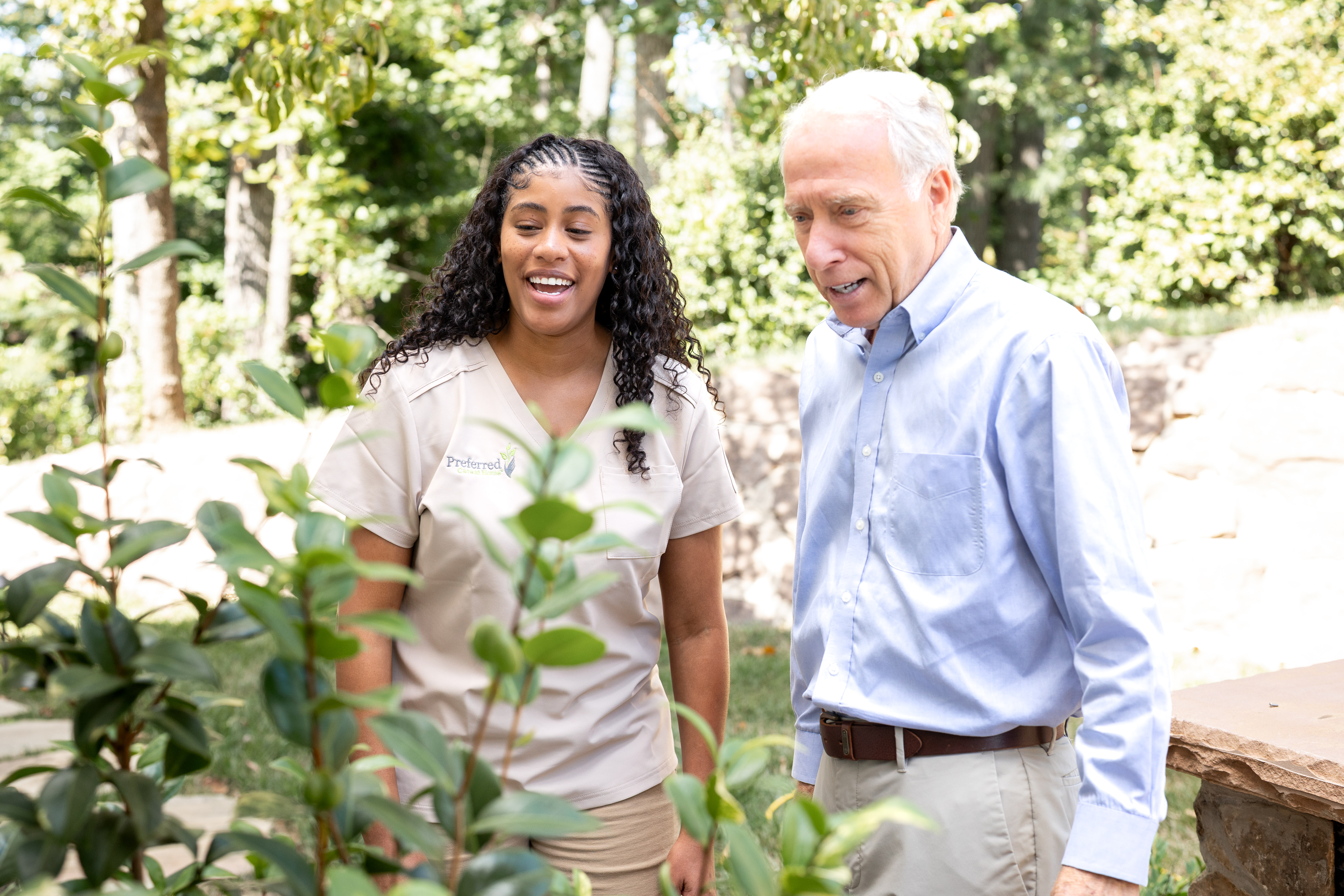
Barriers are not personal failures. Pain, fatigue, fear of falling, low confidence, weather, lack of company, and transportation problems are universal logistics, not character flaws. Naming the barrier is the first step to working around it.
The PMC review on physical activity barriers frames these as solvable problems, not endpoints. Mental health and physical well being both improve when you address what’s actually in the way. Many human services programs and senior centers offer free or low-cost exercise classes designed to remove these barriers.
Common barriers paired with what tends to work:
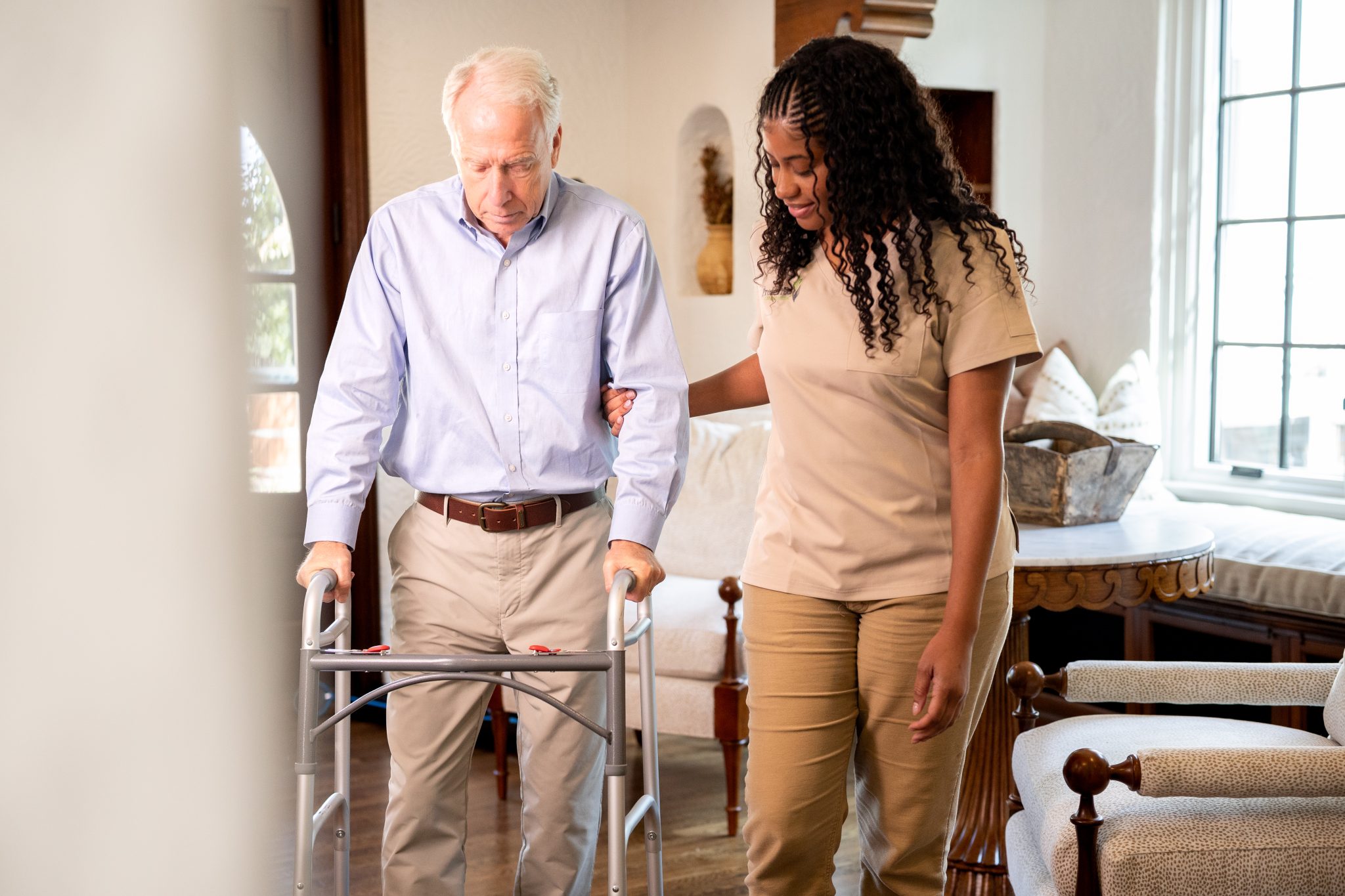
- Fear of falling: start with chair-supported balance work and ask someone to be present for outdoor walks
- Pain or stiffness: gentle range-of-motion in the morning, then warm water aerobics later
- Low energy: 5-minute starting blocks, only adding time when each block feels easy
- Lack of company: schedule activity with a friend, neighbor, or caregiver instead of going solo
- Bad weather or no transportation: indoor tai chi videos, walking inside a covered space, or fitness classes at the senior center
Stress drops when you solve the logistics instead of pushing through them. Activities that promote relaxation, like gentle yoga or tai chi, can boost mood while improving mobility.
The many benefits of addressing barriers early include better sleep, improved mood, and sustained motivation. Your body adapts when you give it consistent, manageable challenges instead of sporadic intense sessions.
Once you know the barriers, the next question is what kind of routine actually fits.
Structured Exercise vs. Everyday Activity: Which Approach Fits
Most seniors do not need to choose between formal exercise and daily-life activity. Knowing what each one delivers, though, makes the routine stick. Both approaches offer physical benefits and support bone health, cancer prevention, and cardiovascular health.
|
Decision Factor |
Structured Exercise (classes, programs) |
Everyday Activity (gardening, walks, chores) |
|
Best for |
Measurable progress, accountability, social setting |
Sustainability, low pressure, real-life integration |
|
Time commitment |
Fixed schedule, often 30 to 60 minutes |
Built into existing tasks, 5 minutes and up |
|
Fall-prevention payoff |
Strong when balance and strength are programmed in |
Modest unless balance practice is added on |
|
Social benefit |
Built-in (group classes) |
Requires intention (invite a friend) |
A 2023 meta-analysis on exercise and fall prevention summarized in PMC found that exercise reduced falls in community-dwelling older adults by about 23%. The catch: that payoff comes when balance and strength exercises are part of the program, not from walking alone.
Blend both approaches when you can. If you have to pick one, pick the approach that includes balance training. Regular exercise that mixes moderate and vigorous intensity activity offers numerous benefits, and steady practice supports blood pressure control over time.
How much exercise should seniors get each week?
Adults 65 and older need 150 minutes of moderate aerobic activity each week, 2 days of strength work, and regular balance practice.
That weekly target comes directly from the CDC. Moderate aerobic activity means anything that raises your heart rate enough that you can talk but not sing, like brisk walking, water aerobics, or dancing. The 2 strength sessions can use resistance bands, bodyweight, or light weights. Balance practice deserves its own slot because falls are common and preventable. These physical activity guidelines apply to most older adults, though your doctor may adjust them based on your body’s specific needs.
What counts as physical activity for older adults?
Almost anything that gets you moving counts, including walking, gardening, raking leaves, tai chi, water aerobics, and dancing in the living room.
The CDC recognizes multicomponent activities like tai chi, yoga, gardening, and many sports as counting toward more than one category at once. A half-hour in the garden may give you aerobic activity, light strength work, and a bit of balance practice. The key is consistency, since small daily activity beats occasional intense sessions.
Can seniors start being active if they haven’t exercised in years?
Yes, and starting small is the right approach.
The NIA’s guidance is to start slowly and build over weeks or months, not days. Begin with 5 to 10 minutes of comfortable movement, like walking around the block or stretching during a TV commercial. Add a minute or two each week. If you have any chronic conditions or haven’t moved much in years, talk with your doctor before adding strength or balance work. ODPHP research confirms that even 5-minute activity blocks have real health benefits when you maintain them.
What are good balance exercises for seniors?
Tai chi, single-leg stands at the kitchen counter, heel-to-toe walking, and chair-supported squats are reliable starting points.
Balance work doesn’t require a gym. Practice standing on one foot while you brush your teeth, holding the counter at first. Walk heel-to-toe across the kitchen. Try a slow chair stand without using your hands. Tai chi and gentle yoga classes layer balance, strength, and breathing in one session, which is why so many older adults prefer them.
Is walking enough for seniors to stay active?
Walking is a strong foundation but not enough on its own. The CDC recommends adding strength and balance work each week.
Walking covers aerobic activity well, and daily walks pay off for heart health, mood, and sleep quality. But walking doesn’t directly build the leg strength and balance that prevent falls. Pair walking with 2 days of strength exercises, where resistance bands work fine at home, and a few short balance sessions per week. That mix is what the CDC actually recommends.
Why is social activity part of an active lifestyle for seniors?
Social engagement protects heart and brain health, so staying connected is a health behavior, not a soft add-on.
Loneliness affects more than mood. The CDC links social isolation to higher risk of heart disease, stroke, depression, anxiety, and dementia. That’s why companionship counts alongside movement. Our companion and homemaker care caregivers help seniors here in Sumner County stay engaged through conversation, shared activities, and outings, which keeps both body and mind active.
How can family caregivers help a senior stay active at home?
Be the support they need. A 2024 review found family encouragement and social interaction are top motivators for adults over 70.
A 2024 systematic review in Age and Ageing found that family support, social interaction, and access to activities outside the home were the strongest motivators for adults over 70. Walk with them. Schedule activity together. When you can’t be there, respite care lets a trained caregiver step in so the routine, and your loved one’s well being, stays on track.
When should a senior get extra help to stay active and independent?
When daily tasks start crowding out movement, social time, or safety, structured support helps protect independence.
If a loved one is skipping walks because of fatigue, avoiding stairs, eating less because cooking feels hard, or going days without conversation, those are signs that support could remove barriers, not replace independence. Preferred Care at Home of Hendersonville offers personal in-home care that handles daily tasks so seniors keep the energy for the activity and connection that matter most.