
Stroke recovery at home is much bigger than driving to therapy sessions and helping with exercises. It also covers communication, swallowing, memory, behavior, and home safety. Most families don’t realize the scope until they’re a week in. This post walks through what caregivers actually handle, what gets hard fast, and how to tell when it’s time to add help.
Key Takeaways:
- According to the CDC, more than 795,000 people in the U.S. have a stroke each year, so stroke caregiving is a common family situation, not a rare one.
- The NINDS reports that stroke is the leading cause of serious adult disability in the U.S., which means many stroke survivors need help at home long after rehab ends.
- Home caregiving covers more than mobility: MedlinePlus discharge guidance includes communication, swallowing, memory, attention, and home safety.
- Reading articles like this one helps, but research shows education alone does not significantly reduce caregiver burnout. Hands-on caregiver support and respite usually do.
What Caregivers Actually Do During Stroke Recovery
A stroke caregiver’s day spans far more than one task. The American Stroke Association describes a duty list that includes personal care, transportation to therapy sessions, meal preparation, medication reminders, safety supervision, and encouragement during at-home rehab exercises. Each one matters because each one connects to recovery progress, fall risk, or the survivor’s mood.
Here’s what a typical week looks like for family caregivers providing care during stroke recovery:
- personal care tasks like bathing, dressing, and grooming, often modified for weakness on one side of the body
- Transportation to therapy sessions, follow-up appointments with healthcare providers, and the kind of post-discharge support handled through transition care
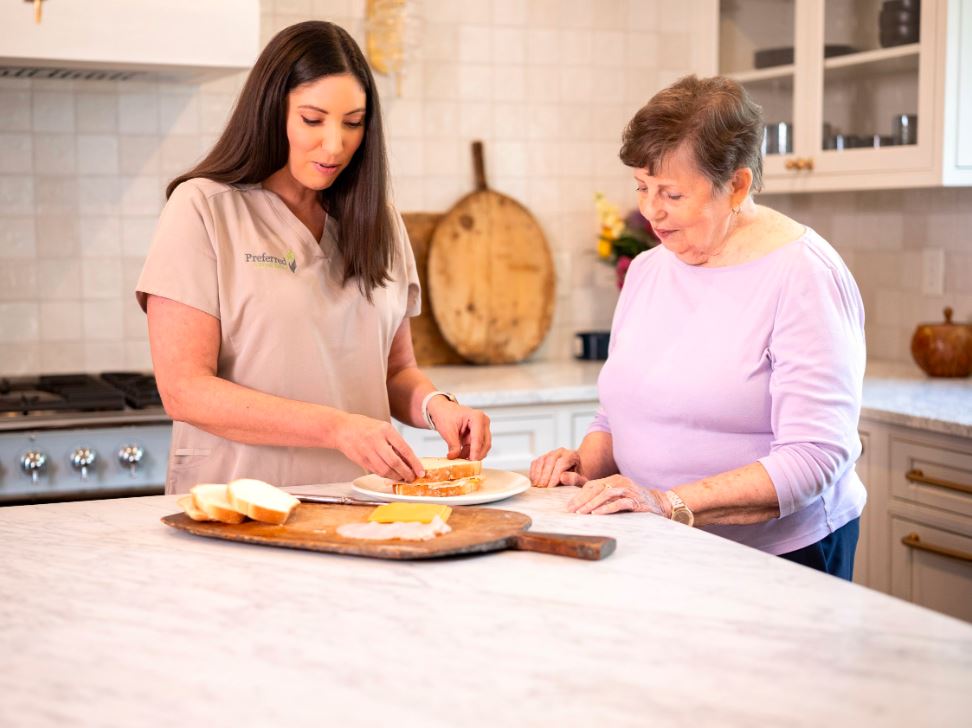
- Meal preparation tailored to swallowing changes or new dietary needs from the rehab team
- Medication reminders and a simple system to track what was taken and when (not dosing or administering, which are clinical tasks)
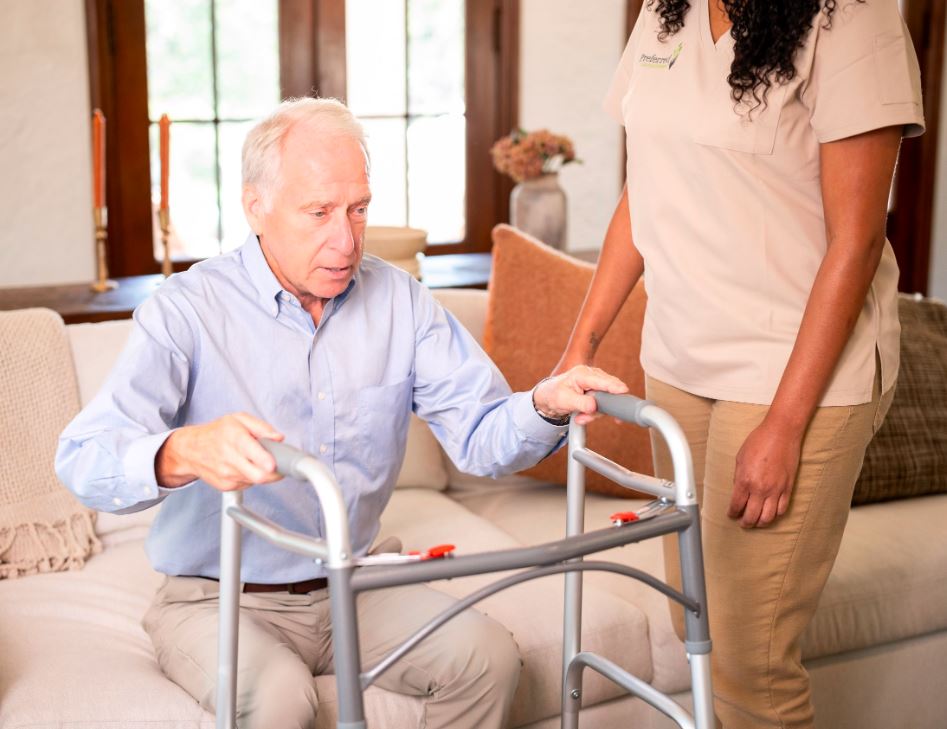
- Safety supervision for mobility, fall risk, and any behavior changes the stroke may have caused
- Encouragement for at-home rehab exercises the speech therapist or physical therapist assigned
What looks like “just helping out” can outgrow what one spouse or adult child can carry alone, often within the first month. Understanding what stroke survivors need helps family members plan better.
Caregivers who assist with daily tasks often find the scope expands beyond what they first expected. Stroke patients face a recovery path that changes week by week, and caregivers adjust alongside them.
What Most Families Get Wrong About Stroke Recovery
Per a 2024 meta-analysis of 18 clinical trials with 2,007 participants, structured caregiver education improved caregiver quality of life (a small effect, SMD 0.34), but did not significantly reduce caregiver depression (SMD -0.05) or overall burden (SMD -0.61).
In plain English, that 2024 meta-analysis says reading articles, joining support groups, and learning techniques helps caregivers feel more capable, but it doesn’t reliably stop burnout. The research suggests burnout responds to hands-on relief, not just to more knowledge. That’s why information without rest rarely solves the underlying problem.
Three misconceptions trip up most families in the first month:
The “wait and see” trap
Many families plan to figure things out after the diagnosis. But the NINDS notes that rehabilitation often starts within 48 hours of stroke, so home setup, transportation, and the caregiving schedule have to be ready on day one, not week two.
The second misconception is treating stroke recovery as purely physical. Brain changes after stroke affect more than movement, and MedlinePlus also flags swallowing, memory, attention, and behavior as common challenges.
The third is the belief that effort alone prevents burnout. Research shows it doesn’t, which is exactly where homemaker and respite care earns its place.
None of this means you’re doing it wrong. It means the work is bigger than one person was ever meant to handle, and mental health for both you and your loved one matters. A strong support network makes the difference.
The First Weeks at Home: A Practical Framework
The first weeks at home are when most families realize they underestimated what’s involved. MedlinePlus discharge guidance lists several domains that need attention at once, which is why a simple two-phase framework helps: set up the home before discharge, then watch for specific warning signs once your loved one is home.
Before Discharge: Setting Up the Home
- Walk through every room and remove throw rugs, cords, and anything that blocks a clear path between the bed, bathroom, and kitchen
- Install grab bars in the bathroom near the toilet and inside the shower, and add a shower seat if balance is affected
- Set up a simple medication reminder system: a pill organizer, sticky notes, or phone alarms all work, and the goal is consistent timing, not anything clinical
- Confirm the rehab plan with the discharge team and write down every follow-up appointment, since rehab often starts within 48 hours
- Identify one person who can cover for you for at least a few hours each week, even if you don’t think you’ll need it yet
Once They’re Home: What to Watch For
- [ ] Communication difficulties (slurred speech, word-finding trouble, frustration when speaking)
- [ ] Swallowing changes during meals (coughing, choking, or food pocketing in the cheeks)
- [ ] Memory or attention shifts (forgetting recent conversations, losing track mid-task)
- [ ] Behavior or mood changes (irritability, withdrawal, sudden tears or anger)
- [ ] Mobility safety risk (near-falls, refusing to use a walker, getting up alone at night)
- [ ] Caregiver warning signs in yourself (skipping meals, missing your own appointments, snapping at family)
The last bullet is the one most family caregivers ignore. When this list outpaces what you can handle alone, it’s time to look at adding companion care or other in-home care services so you’re not the only safety net. Medical staff at the emergency room or your doctor can also point you toward community resources and health care options.
When Family Help Isn’t Enough: Adding In-Home Care
Two questions determine whether family caregiving alone is enough, or whether you should add an in-home caregiver.
|
Decision Factor |
Family Caregiving Alone Works When… |
Adding In-Home Care Helps When… |
|
Daily care needs |
Survivor is mostly independent and needs cueing or company |
Bathing, transfers, or supervision are needed daily |
|
Caregiver capacity |
A family member is available, rested, and not working full-time |
The family caregiver is working, traveling, or burning out |
|
Recovery scope |
Mobility is the main issue and the home is already safe |
Communication, swallowing, memory, or behavior changes also need attention |
Most families fall somewhere between these two columns, and the right answer often shifts as recovery progresses. The American Stroke Association notes that respite can run from a few hours to several weeks.
Adding help doesn’t mean replacing family. It means giving family a way to keep showing up. That’s where family caregiver relief or live-in care fits, depending on how much support is needed.
The long view also matters. The KOSCO study tracked stroke caregivers over time, and the burden didn’t fade quickly.
In the KOSCO study tracking long-term stroke caregivers, 37.9% reported high caregiver burden risk at 6 months after the stroke, and 51.7% still reported high burden risk at 6 years.
That’s why we built our care model around the realities families actually live with. Caregivers are matched by personality, not just availability. If a match isn’t working, we’ll find a better one at no extra cost.
There’s no long-term contract, the in-home consultation is free, and our Transparency Room portal gives out-of-state family and friends real-time visibility into visits and daily notes. A care provider who knows your husband or wife as a person, not just a case, changes the whole experience. To determine what helps most for your loved one’s life right now, Schedule a Consultation and we’ll walk through specific advice with you.

What should a stroke caregiver do?
A stroke caregiver helps with personal care, transportation, medication reminders, meals, safety supervision, and at-home rehab support.
A stroke caregiver covers all of those areas, and the mix shifts as recovery progresses. Heavy hands-on help in the first weeks usually shifts toward cueing, encouragement, and emotional support over the following months. The American Stroke Association and the American Heart Association frame the role as part advocate, part coach, and part safety net for the survivor’s daily life.
How do I know if I can safely care for my parent at home after a stroke?
Watch for swallowing trouble, memory or attention changes, mobility risk, and behavior shifts: these often need more than one person to manage safely.
Each of those four flags points to a different kind of help. Swallowing changes need close mealtime supervision. Memory shifts need cueing, mobility risk needs hands-on support during transfers, and behavior changes need patience.
Our daily living assistance is built for the hands-on side. Talk to your doctor for specific advice on your loved one’s condition. Brain recovery after stroke follows its own timeline.
How can I prevent falls and accidents at home after a stroke?
Remove throw rugs, install grab bars, add a shower seat, and clear pathways between the bed, bathroom, and kitchen.
Those four changes, drawn from MedlinePlus discharge guidance, fix the most common hazards. The bedroom needs its own attention too. Add a nightlight on the path to the bathroom and consider a bed-rail for safer transfers.
Keep the route clear of cords and laundry baskets, since most nighttime falls happen there. Stroke survivors face higher risk during the first months at home.
How do I balance work and caregiving after my spouse’s stroke?
Most working caregivers add scheduled respite hours so they can keep their job without the survivor being alone all day.
Working caregivers often try to make it work alone, then end up missing too many appointments to keep the job. Scheduled respite is a structured way out of that bind. Preferred Care at Home doesn’t require a long-term contract, and our in-home care services scale up or down as recovery changes.
Balancing work and caregiving requires a support network, not just personal time. Helpful resources from the Family Caregiver Alliance can also guide you.
What if my loved one refuses help after a stroke?
Frame help around safety and rehab participation, not loss of independence, and start with shorter visits so resistance has less to push against.
Refusal is common and often peaks four to six weeks in, when the survivor is processing what’s changed. Starting with companionship visits before adding personal care lowers the stakes; the caregiver becomes a known person before being asked for anything intimate.
We match by personality, not availability, so resistance softens faster. You can combat loneliness with care as a starting point. Talk to your loved one about what they need, not what you think they should accept.
When should family caregiving turn into in-home support?
Add help when daily care needs exceed safe family capacity, when burnout shows up, or when recovery needs span more than mobility.
Most families wait too long because they wait for a crisis. A better trigger: when you’ve missed two of your own appointments or stopped sleeping through the night.
The point isn’t to hand off care. It’s to keep the family caregiver healthy enough to stay in the role for years, not weeks. Write down what you need help with before you call.
Is there assistance available for stroke caregivers?
Yes: respite care, caregiver support groups, the VA Community Care Network for veterans, and in-home caregiver matching are all common forms of assistance.
Help comes in several forms, and most families combine two or three. Respite care can run from a few hours to several weeks, per the American Stroke Association. A caregiver support group offers perspective from people in the same season.
For veterans, Preferred Care at Home is a VA Community Care Network provider through our Care for Our Veterans program, so eligible veterans can request us as their authorized in-home care provider. The Family Caregiver Alliance and American Heart Association also publish community resources.