
Your parent is aging in a county where one in four residents is over 65, and finding the right support can feel like sorting through noise. Waiting until a fall or a hospital stay forces the decision means fewer options, higher costs, and less time to choose well. Preferred Care at Home provides companion, personal, and live-in care across Palm Beach County with caregivers screened through a 7-step process and matched by personality.
Families here face specific obstacles when searching for in-home care, and most agency websites leave them unaddressed.
High senior concentration strains caregiver supply
What It Looks Like
Adult children discover waitlists or last-minute caregiver changes because Palm Beach County’s demand outpaces the local supply of screened aides.
How We Help
We maintain a proactive caregiver pool, each vetted through our 7-step screening, so families aren’t left waiting.
Challenge
Sub-areas skew even older
What It Looks Like
In Palm Beach Gardens, 32.5% of residents are 65 or older, per the U.S. Census Bureau. Families in these communities face higher demand and fewer same-day options.
How We Help
Countywide coverage from Boca Raton to Jupiter with area-specific scheduling that accounts for local demand.
Challenge
Medicare vs. private-pay confusion
What It Looks Like
A family calls a Medicare agency expecting ongoing companionship and learns coverage is limited to intermittent skilled visits. Then the search starts over.
How We Help
A clear intake conversation distinguishing what we provide (companion, Personal Care, live-in) from what Medicare covers.
Challenge
Agency websites all sound the same
What It Looks Like
After visiting three or four sites, the family still cannot tell which agency matches their parent’s ADL needs vs. which just promises “compassionate, top-rated care.”
How We Help
Personality-matched caregiver assignment based on your parent’s specific needs, not keyword-stuffed promises.
Challenge
Crisis decisions after a fall or hospitalization
What It Looks Like
A parent who needed part-time companionship now requires full-time support after a hospital stay or injury, and the family is scrambling with no plan. Understanding what level of care is needed becomes urgent.
How We Help
The same consultation process scales from a few hours a week to live-in support without restarting.
Challenge
Decision paralysis from too many listings
What It Looks Like
Families scroll through 100+ provider listings in West Palm Beach that all use identical language. Distinguishing agency-screened caregivers from independent listings is nearly impossible.
How We Help
An agency model with supervised, insured caregivers and the Transparency Room portal for real-time care updates.
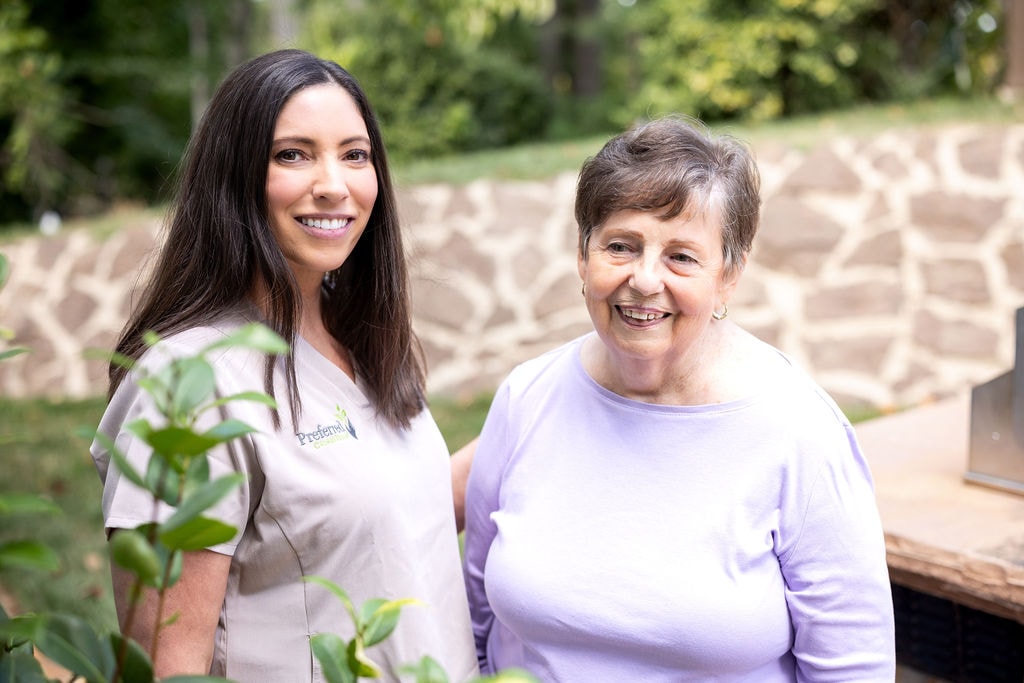
Preferred Care at Home has served families since 1984. Locally owned and operated by the Weiss family, our commitment is helping older adults live with dignity in their own home across Palm Beach County. Learn more on our About Us page.
Every caregiver passes our 7-step screening process and is matched to your parent’s personality and specific needs. The Transparency Room portal gives your family real-time visibility into the personalized care being provided. Our team includes registered nurses who provide ongoing training and coordinate with physicians when needed.
Older adults in communities like Palm Beach Gardens and Delray Beach often live independently but spend most days alone. Companion and Homemaker Care provides a reliable daily presence: someone to prepare meals, handle light housekeeping, and drive to appointments. This level of support helps seniors continue living the life they’ve built at home.
This service covers medication reminders, help with errands, and social engagement. It does not involve hands-on ADL help, which makes it distinct from personal care services. For families unsure how much help their parent needs, companion care is a practical starting point.
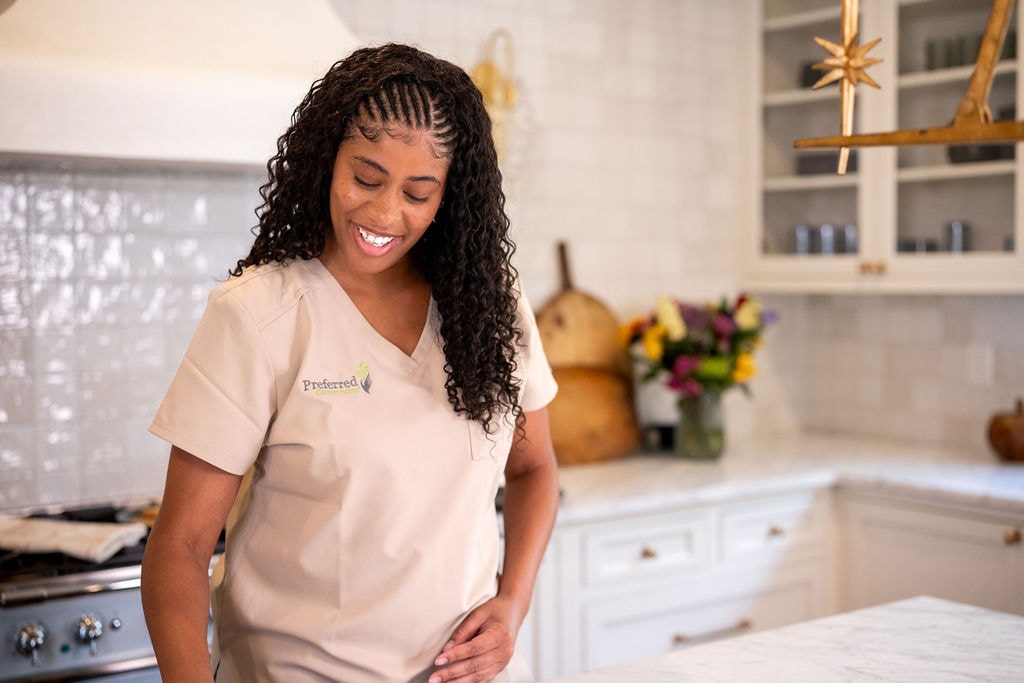
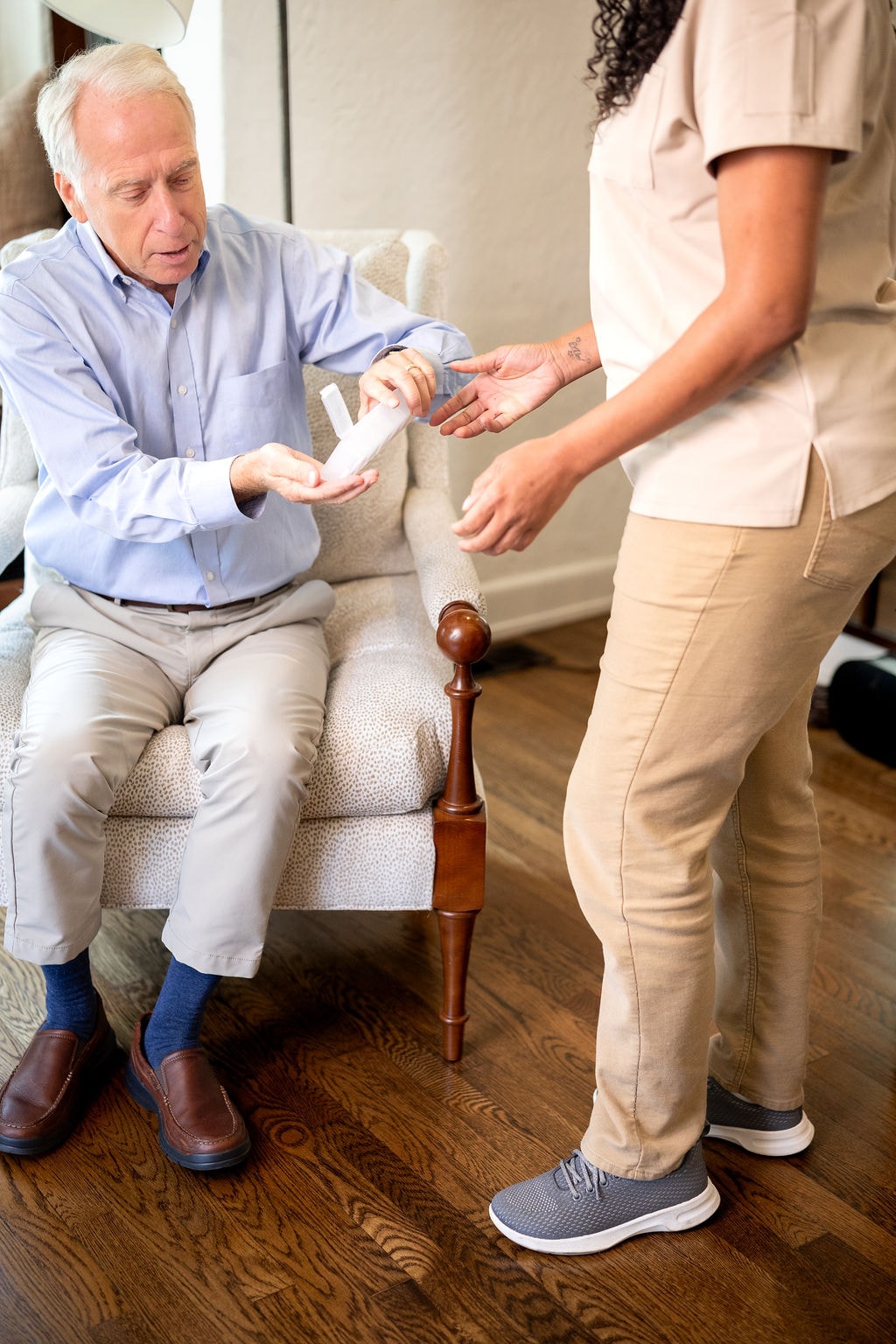
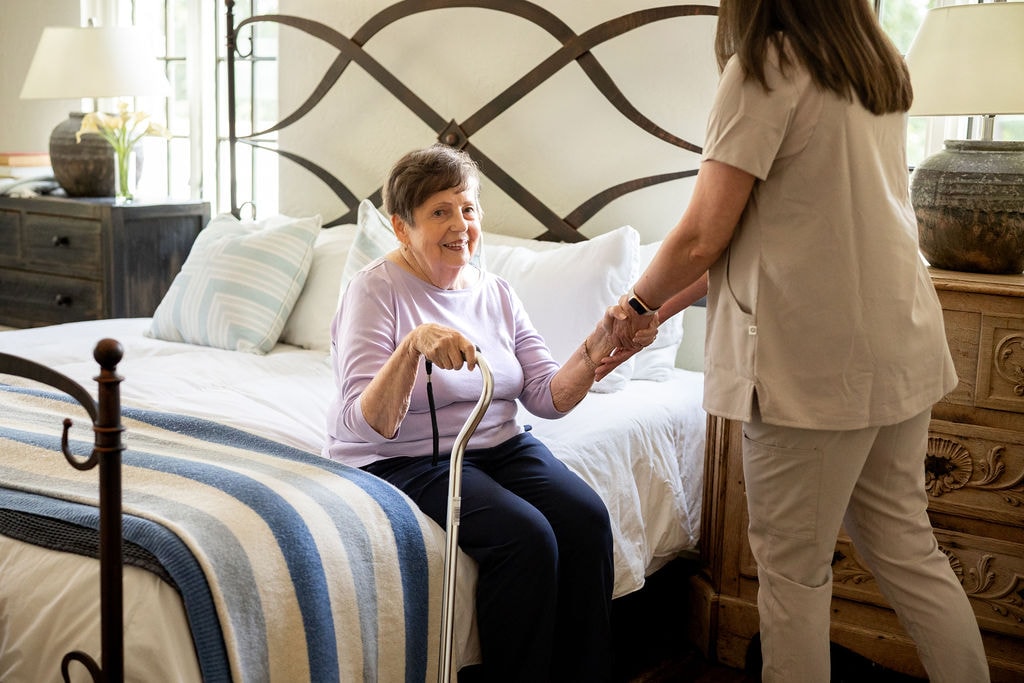
When a parent in Palm Beach County can no longer bathe, dress, or move between rooms safely, daily living becomes a risk rather than a routine. In-home personal care provides hands-on assistance with bathing, grooming, transfers, and continence support so your loved one can continue living at home.
Our skilled caregivers receive specialized training in safe transfer techniques and fall prevention. This differs from companion care because it involves physical, hands-on ADL assistance. Personal care is appropriate when mobility or cognitive changes make basic self-care unsafe without help.
After a hospital discharge or when wandering, falls, or nighttime confusion become frequent, a parent may be unsafe alone for long stretches. Live-In Care provides extended-shift or around-the-clock caregiver presence in the home so your loved one can continue living where memories have been made.
Families do not restart the process when needs increase. Live-in care scales from the same agency relationship. As hourly care costs accumulate, especially beyond 10 hours daily, a live-in arrangement often becomes more cost-effective for Palm Beach County families.
Call us to discuss which level of in-home care fits your parent’s situation.
Your parent’s in-home care plan in Palm Beach County starts with a free consultation. Call (561) 404-2300 to talk through your family’s needs.

Step 01
You call (561) 404-2300 or contact us online. We ask about your parent’s daily needs, schedule, and in-home care concerns. This initial conversation helps us focus on what matters most to your family.

Step 02
You walk through a care assessment with our team. We build an in-home care plan around your parent’s specific needs, from companion visits to live-in support. You gain access to clear information about services and scheduling.

Step 03
You meet the caregiver matched to your parent’s personality and care requirements. This is not a random assignment. You can request to meet your caregiver before care begins, and we’ll arrange a visit to introduce everyone.

Step 04
Your parent receives in-home care on the schedule you chose. You see updates through the Transparency Room portal. Your loved one gets the support they need while remaining in their own home.

Step 05
You stay informed and involved. We adjust the in-home care plan as needs change, scaling hours up or down to serve your family. Regular visits from our office ensure continuity.
Palm Beach County’s senior concentration varies by community, and each area creates distinct in-home care needs.
Neighborhood
What We Look For
What We Look For
24.6% of residents are 65 or older. A large active-retirement community with growing companion and personal care demand among older adults living independently.
Neighborhood
Delray Beach
What It Looks Like
28.0% of residents are 65 or older, above the county average. Families here manage aging parents in a community where caregiver demand is concentrated.
Neighborhood
Palm Beach Gardens
What We Look For
32.5% of residents are 65 or older, the highest in our service area. Strong need for live-in and personal care among older homeowners.
Neighborhood
What We Look For
21.5% of residents are 65 or older. The largest city in the area with the broadest range of care needs, from hourly companion visits to full-time support.
Neighborhood
What We Look For
Positioned between Boca and West Palm. Families here often search for countywide agencies that can cover both southern and central Palm Beach County.
Our in-home care coverage extends from Jupiter to Highland Beach and every community in between. View our full service areas page for details.
We Serve:
Delray Beach
Highland Beach
Jupiter
Lake Worth
Loxahatchee
North Palm Beach
Palm Beach Gardens
Royal Palm Beach
Wellington
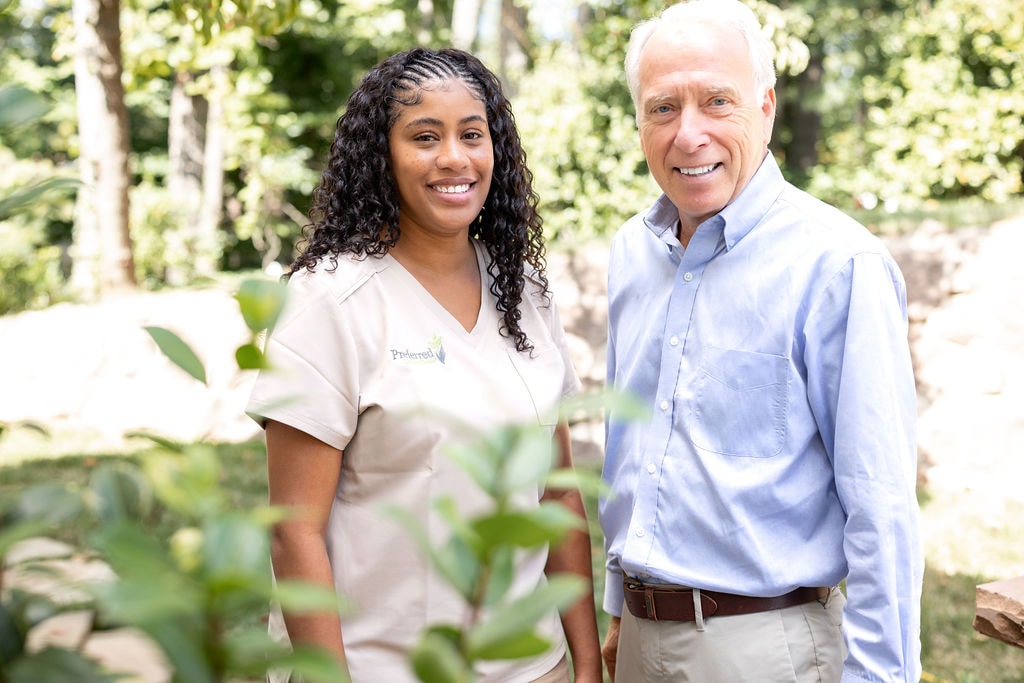
Preferred Care at Home is a family-owned in-home care agency founded in 1984 and headquartered in Boca Raton, Florida. We provide companion, personal, dementia, and live-in care services serving Palm Beach County communities from Jupiter to Highland Beach. Locally owned and operated by the Weiss family, we bring over 40 years of commitment to helping older adults age with dignity in their own homes.
In-home care in Palm Beach County typically starts around $21 per hour for private-pay services.
Care.com lists the average starting cost for in-home care in West Palm Beach at $21.57 per hour. Cost varies by care type: companion care, personal care, and live-in care each carry different rates. Hours per week and scheduling such as overnight or weekend shifts also affect the total.
Preferred Care at Home offers a free consultation to build a care plan within your budget. Medicare does not cover non-medical companion or personal care, so these services are private-pay. Clients receive transparent pricing during the initial consultation, and our team can help with questions about payment options.
We screen every caregiver through a 7-step process and match them to your parent’s personality.
Most agencies assign whoever is available for the next shift. We match caregivers based on your parent’s personality, daily habits, and specific needs. The Transparency Room portal gives family members real-time visibility into care.
Owner Amy Weiss built this agency from her own experience navigating unreliable care for her grandmother and father. Our team includes registered nurses who provide training and oversight.
Most families begin receiving in-home care within days of their initial consultation.
The process moves from consultation to care plan to caregiver matching in sequence, and urgency situations such as a post-hospital discharge or a recent injury can accelerate the timeline. Palm Beach County’s high senior population means we keep our caregiver pool staffed to avoid the waitlists families encounter elsewhere. Request a consultation by calling our West Palm Beach office at (561) 404-2300.
Medicare covers limited home health services but does not pay for ongoing non-medical in-home care.
Medicare-covered home health is generally limited to 28 hours per week, per Medicare.gov. It covers skilled nursing or therapy visits, not companionship or daily living support. Non-medical companion, personal, and live-in care is private-pay.
Physicians may recommend home care after surgery or illness, but Medicare does not cover the non-medical support most seniors need. Patients leaving the hospital often need both medical care from nurses and daily support from caregivers like ours.
Home health provides skilled medical services; home care provides non-medical daily living support.
Florida’s Agency for Health Care Administration defines the categories separately. Home health covers nurses, therapists, and wound care and is Medicare-eligible. Home care covers companion visits, personal care, and homemaker support and is private-pay.
Most families searching for in-home care in Palm Beach County need the non-medical category. Patients recovering from surgery may need both health care services and our non-medical daily support.
Hourly care covers set shifts each day while live-in care provides a caregiver in the home around the clock.
Hourly in-home care works when your parent needs support for part of the day, like mornings or evenings. 24-hour home care covers your parent when they’re unsafe alone for long stretches or have overnight needs like wandering. In Palm Beach County, as hourly costs accumulate beyond 10 hours daily, live-in care often becomes more cost-effective.
Consider in-home care when your parent shows signs of unsafe daily living, missed meals, or repeated falls.
Escalation signals include skipping meals, medication confusion, mobility decline, and growing isolation. Families in Palm Beach County often notice during visits from out of state when the gap between visits and reality becomes clear. Friends and family members can spot these changes early, and starting with companion care prevents the crisis that leads to heavier support later.
If your parent needs hands-on help with bathing, dressing, or transfers, personal care is the right fit.
Companion in-home care covers company, medication reminders, meals, and errands. Personal care adds physical ADL help: bathing, grooming, dressing, and safe transfers. When your parent can no longer do these things safely, companion care is no longer enough.
Preferred Care at Home can assess your parent’s needs during a free consultation. Seniors who want to remain in their own home often need this additional support.
In-home care keeps your parent in familiar surroundings with one-on-one support; assisted living provides a shared community setting.
In-home care works when your parent wants to stay home and needs help with specific daily activities. Assisted living provides around-the-clock supervision in a shared community. Many Palm Beach County families research both options and start with in-home care that adjusts as your mother or father’s needs evolve.
Companion care includes meal preparation, medication reminders, transportation, light housekeeping, and social engagement.
This is non-medical in-home care for older adults who are mostly independent but should not spend long stretches alone. Companion care services do not include hands-on ADL help like bathing or transfers, which falls under personal care. Clients often start with a few hours per week and increase as needs change.