
In Iowa, 44.6% of adults age 65 and older lived alone in 2022, according to the Iowa Data Center. Preferred Care at Home of Des Moines, Ankeny, and Urbandale offers companion care in Des Moines, IA that brings conversation, meaningful connections, and a helping hand into your loved one’s home.

Preferred Care at Home has provided senior care since 1984, and our Des Moines franchise, owned by Joseph Peterson, brings 40-plus years of home care experience to Polk County families. Our caregivers are carefully screened and background checked through the 7-Step Screening Process.
We match caregivers to clients by personality and life experience, not just a shift on a calendar. We are deeply committed to consistency, and our broader home care services flex as needs change.
When your mom or dad is home alone too much of the day, meaningful relationships fade fast. Our caregivers bring daily assistance through conversation, everyday activities, and social interaction that protects well being.
Our companion care program pairs each client with experienced and trained caregivers, including CNA and HHA professionals, chosen for personality fit. You see every visit through the Transparency Room portal.
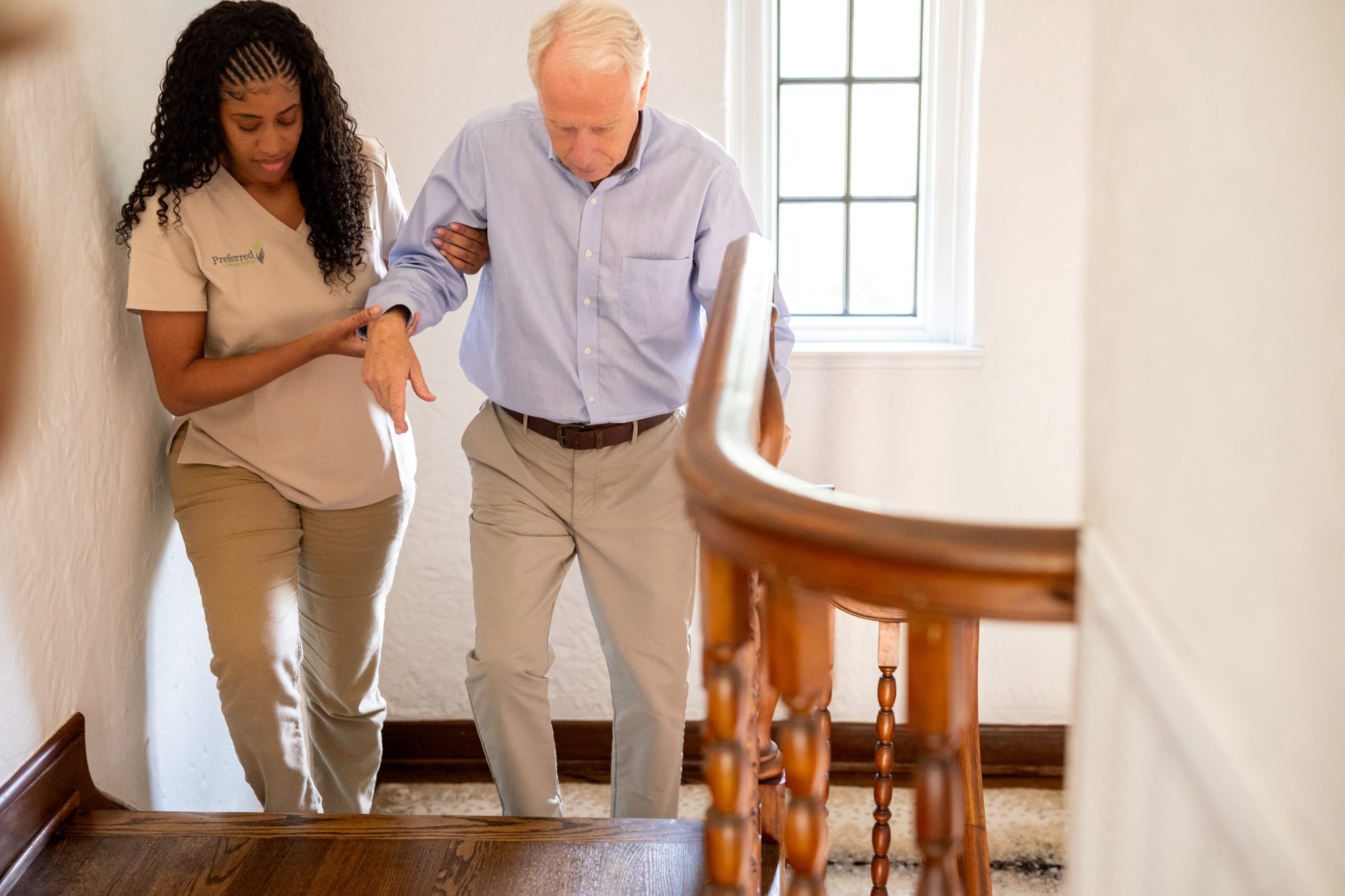
Getting to a doctor or a church service in Des Moines gets harder when driving feels unsafe. Our experienced caregivers provide transportation, wait during appointments, and help older adults stay part of the community.
Winter weather, unfamiliar waiting rooms, and forgotten questions can derail a simple visit. We help with scheduling, day-of logistics, and follow-up so appointments support good health.
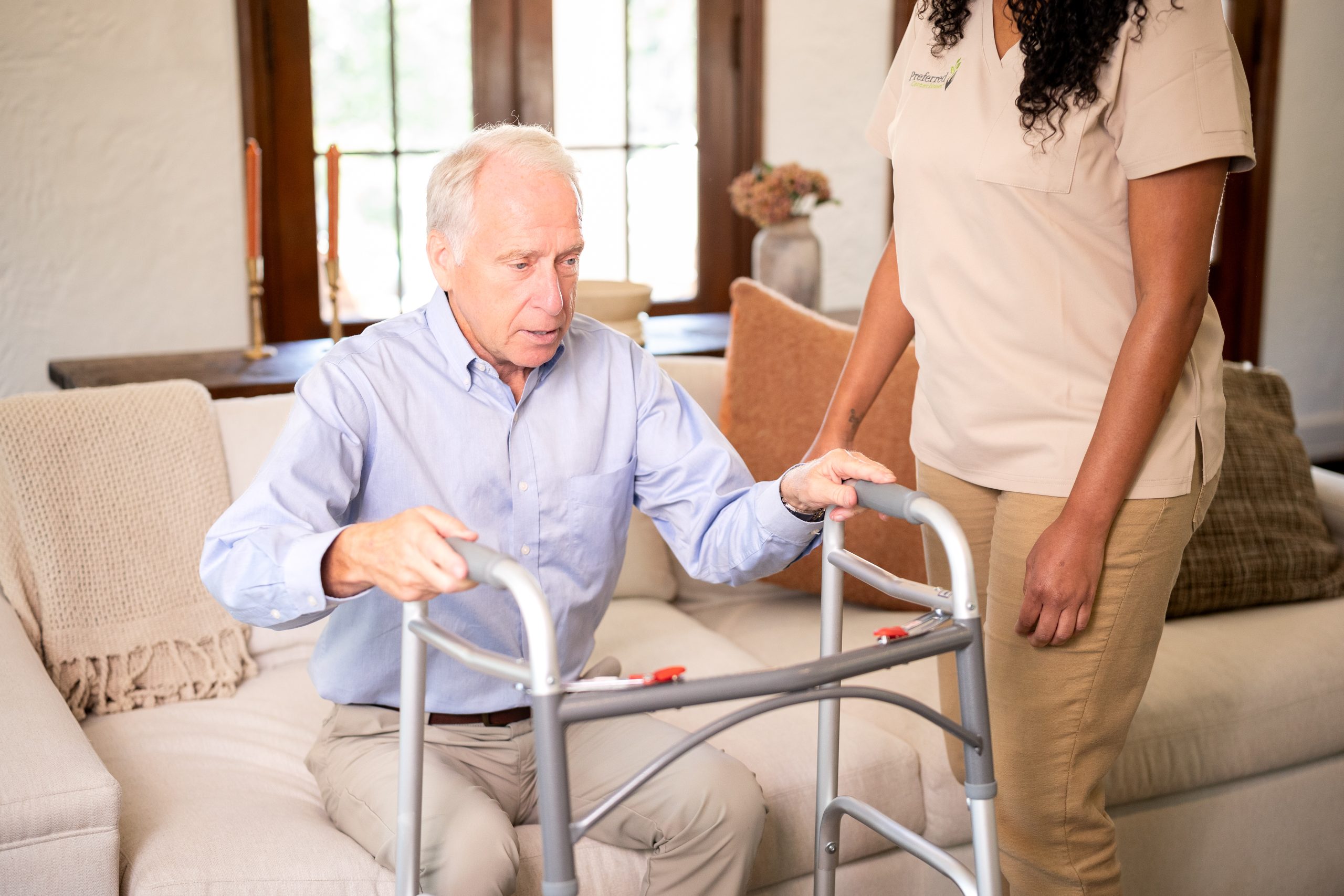
Days feel empty when favorite hobbies slip away. Our caregivers sit down for cards, puzzles, reading aloud, and light activities that spark memory and enrich the lives of the people we serve, on your loved one’s schedule.
These activities benefit more than mood. Regular social interaction supports cognition and sleep, and gives family caregivers a break without letting isolation return.

After the loss of a spouse, returning to an empty home is one of the hardest parts of aging. Compassionate support from a familiar caregiver can ease grief, restore routine, and provide social support.
Our caregivers listen, share meals, and help rebuild small daily rhythms. That steady presence often makes the difference between isolation and staying connected to your community.
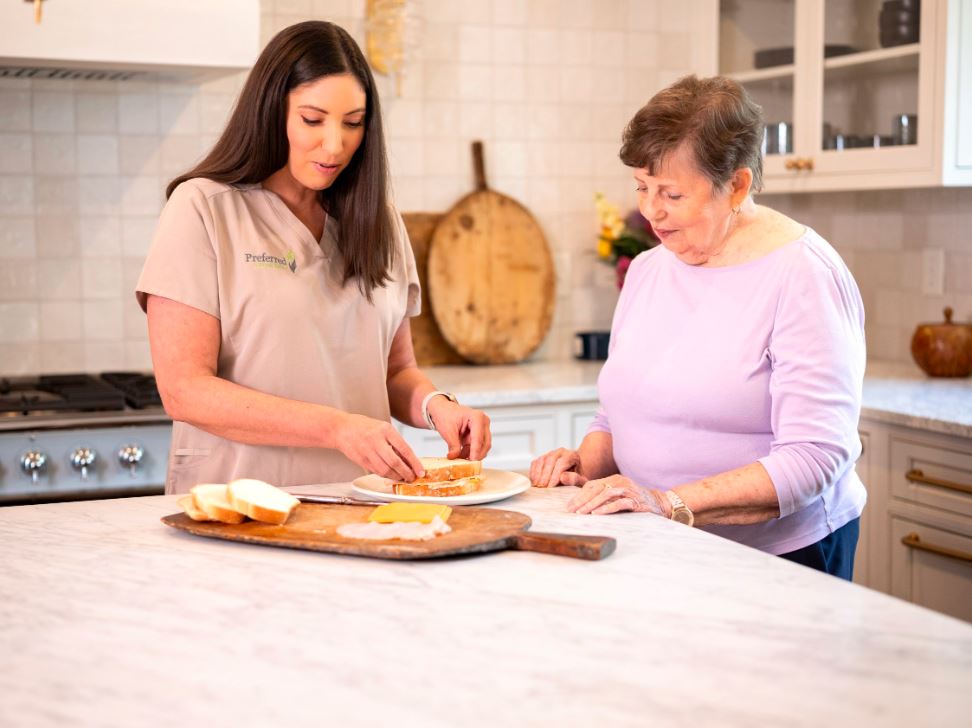
When your loved one still manages most of the day, but you worry about falls or missed meals, safety reassurance fills the gap. Our caregivers provide mobility assistance, check-ins, and light supervision that helps seniors live comfortably in their own homes.
We coordinate with family by phone, Zoom, or FaceTime so adult children taking care of a parent from across town or in West Des Moines stay in the loop. No long-term contracts are required, and care plans flex as needs change.


Step 01
You call or email us, and we listen to what is happening at home and what you need next.

Step 02
We visit your loved one’s home in Des Moines to understand routines, preferences, and any concerns.

Step 03
We build a personalized care plan and match a caregiver by personality, skills, and shared interests.

Step 04
Care starts within days, and you track every visit through the Transparency Room portal.
Step 05
Care starts within days. Families follow progress through our Transparency of Care portal.
Central Iowa winters, a high share of older adults living alone, and a crowded provider landscape make companion care harder to navigate than it should be.
Challenge
What It Looks Like
How We Help
Harsh central Iowa winters
What It Looks Like
January in Des Moines averages 22.3°F with 9.4 inches of snow, according to the National Weather Service, which keeps older adults from outings, appointments, and visits with friends.
How We Help
Our caregivers handle transportation, check-ins, and light supervision so conversation, appointments, and safety reassurance continue through every cold snap.
Challenge
Living alone in later life
What It Looks Like
Many Polk County seniors live alone in their own homes, so missed meals, skipped calls, and quiet evenings stack up into isolation that family cannot always see from a distance.
How We Help
Regular visits combine conversation, meal preparation, and safety reassurance, giving you a reliable set of eyes on your loved one.
Challenge
Statewide caregiving burden
What It Looks Like
In Iowa, 62,100 adults age 65 and older live with Alzheimer’s, supported by more than 80,000 unpaid family caregivers, according to the Alzheimer’s Association 2025 report.
How We Help
We provide companionship and supervision that takes pressure off family caregivers, from conversation and activities to emotional support and daily check-ins.
Challenge
“It is just sitting with them”
What It Looks Like
Families underestimate companion care and assume one more family visit each week is enough, so routines slip and needs quietly grow.
How We Help
Our caregivers bring structure to appointments, activities, meals, and social interaction, so your loved one gains steady companionship, not filler time.
Challenge
Delay raises the stakes
What It Looks Like
Chronic loneliness in older adults is linked to roughly a 50% higher risk of dementia, according to the U.S. Surgeon General’s advisory on social connection.
How We Help
Starting companion care early helps maintain cognition, routine, and mood across conversation, activities, and emotional support long before higher-acuity care is needed.
Challenge
The “we can keep handling this” trap
What It Looks Like
Adult children and spouses tell themselves one more month of family-only caregiving is fine, until exhaustion and missed details force a rushed decision.
How We Help
Our care begins with as little as 1 hour at a time, covering appointments, safety reassurance, and emotional support so family caregivers can rest.
Preferred Care at Home has continued this tradition by only referring the most reliable, compassionate, experienced and affordable caregivers to client’s homes or care facilities.
Yes, Preferred Care at Home provides companion care and related in home care services across the greater Des Moines metro.
Our Des Moines, Ankeny, and Urbandale franchise serves seniors and family caregivers across Polk County, including Ankeny, Urbandale, Clive, Johnston, Grimes, Windsor Heights, and surrounding communities. Call (515) 444-5520 or email DesMoines@preferhome.com to speak with our team about care in Des Moines, IA.
We offer conversation and social engagement, appointment transportation, activities, emotional support after loss, and safety reassurance, and we can add other services as needs change.
For families whose loved one also needs bathing, dressing, or mobility assistance, we provide personal care under the same care plan. Personal care assistance and companion care often run side by side through a single caregiver in the home.
Most families start care within days of their first call, after a short consultation and a personality-based caregiver match.
After initial contact, we visit the home in Des Moines, IA to understand routines and build a care plan. We then match a caregiver by personality and experience, launch service, and give your family real-time access to schedules, caregiver notes, and invoicing through the Transparency Room portal.
Companion care is billed hourly with no long-term contract, and exact rates depend on visit length, frequency, and level of assistance.
For market context, Caring.com reports that in home care in Des Moines averages about $6,006 per month for full support, while assisted living in Des Moines averages about $6,713 per month. Many families use companion care as a lower-commitment step, adding more hours only as needs grow. Our guide to paying for home care walks through common funding paths, and we are happy to provide a personalized estimate.
Companion care focuses on social interaction and light daily living assistance, while personal care adds help with bathing, dressing, and mobility.
Companion care in Des Moines is best when your loved one mostly needs conversation, appointments, meals, and safety reassurance. When needs grow into more assistance with activities of daily living, our personal care program steps in, often delivered by the same caregiver for continuity.
Companion care typically starts within days of your first call, depending on the consultation schedule and caregiver matching.
Care in Des Moines can begin with as little as 1 hour a day, so families do not have to commit to a large schedule to get started. We confirm availability, complete a home consultation, and match a caregiver whose background fits your loved one’s life.
This is common, and the right approach is gentle, small, and familiar rather than a sudden change.
We often start with short visits focused on conversation, a shared meal, or helpful company around the home, rather than care tasks. As trust builds with a consistent caregiver, families in Des Moines often see parents welcome more hours and more support on their own. Our senior resources library has more guidance on this.
Sometimes for a while, but sustained solo caregiving often leads to exhaustion, missed details, and caregiver burnout.
Adding companion care even a few hours a week gives family caregivers room to rest, handle their own appointments, and stay present for the relationship. Many families in Des Moines first try our service as respite and then expand from there.
Yes, companionship, routine, and supervision are central to early and mid-stage dementia care.
Our caregivers are trained for patience, consistency, and safety. For families whose loved one needs more specialized care, our dementia and Alzheimer’s services provide focused memory care, behavioral support, and family education alongside day-to-day companionship.
Both are options, but an agency handles screening, backup coverage, and oversight that a private arrangement usually cannot match.
With our agency model, you get carefully screened and background checked caregivers, personality-based matching with built-in backup coverage, the Transparency Room portal for schedules and notes, and one point of contact for any scheduling changes. With a private caregiver, you may see a lower posted hourly rate, but you handle screening, taxes, and coverage yourself, there is no built-in backup if the caregiver is sick, and you have limited recourse if the fit is wrong.