
You want your loved one home in Des Moines, but Alzheimer’s disease is changing what safe looks like. Preferred Care at Home supports families with caregivers matched to unique needs, offering peace of mind in their own homes from day one.

Preferred Care at Home of Des Moines is locally owned by Joseph Peterson and operates from our Urbandale office, part of a senior care company founded in 1984 that supports seniors and families with dignity and independence.
We match caregivers by personality and experience, providing peace and personalized attention across shifts. Our Transparency Room delivers real-time schedules and caregiver notes from anywhere. Explore our home care services to see how support fits together.
Memory loss pulls your loved one out of familiar routines. Our caregivers support recall and connection through conversation, music, photo review, and activities they already enjoy, right inside their Des Moines home.
We work from what still brings hope through conversation, music, companionship, and social interaction. That approach reduces agitation and gives family members something to share on Zoom or FaceTime calls.
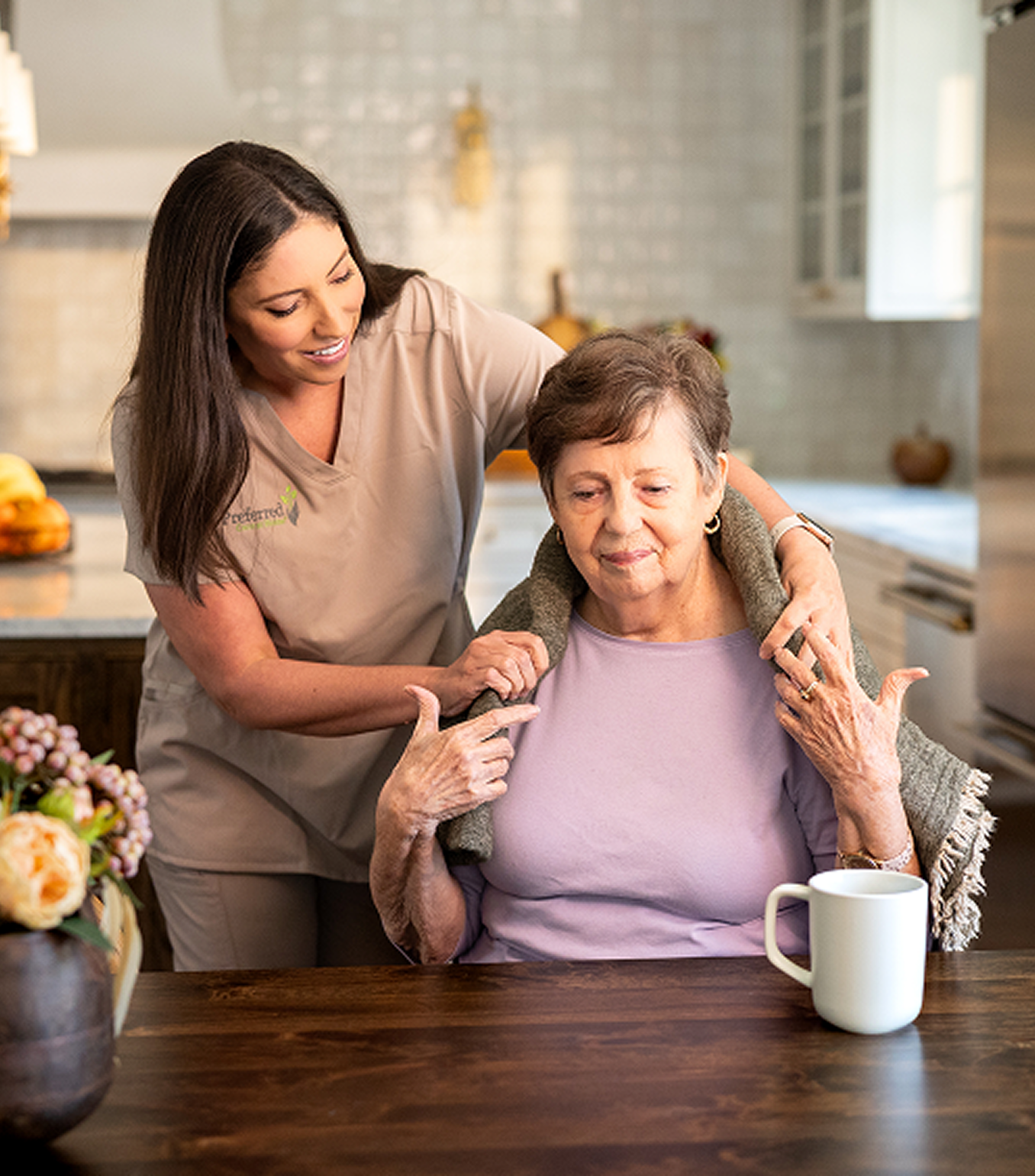

Sundowning, agitation, and wandering grow as Alzheimer’s progresses. Our caregivers recognize early cues and respond with techniques that restore calm and security, helping Des Moines families keep a loved one home longer.
Your customized care plan adjusts to each person, not a script. We track triggers, modify routines, and share updates through our Transparency Room so everyone on your side stays informed.
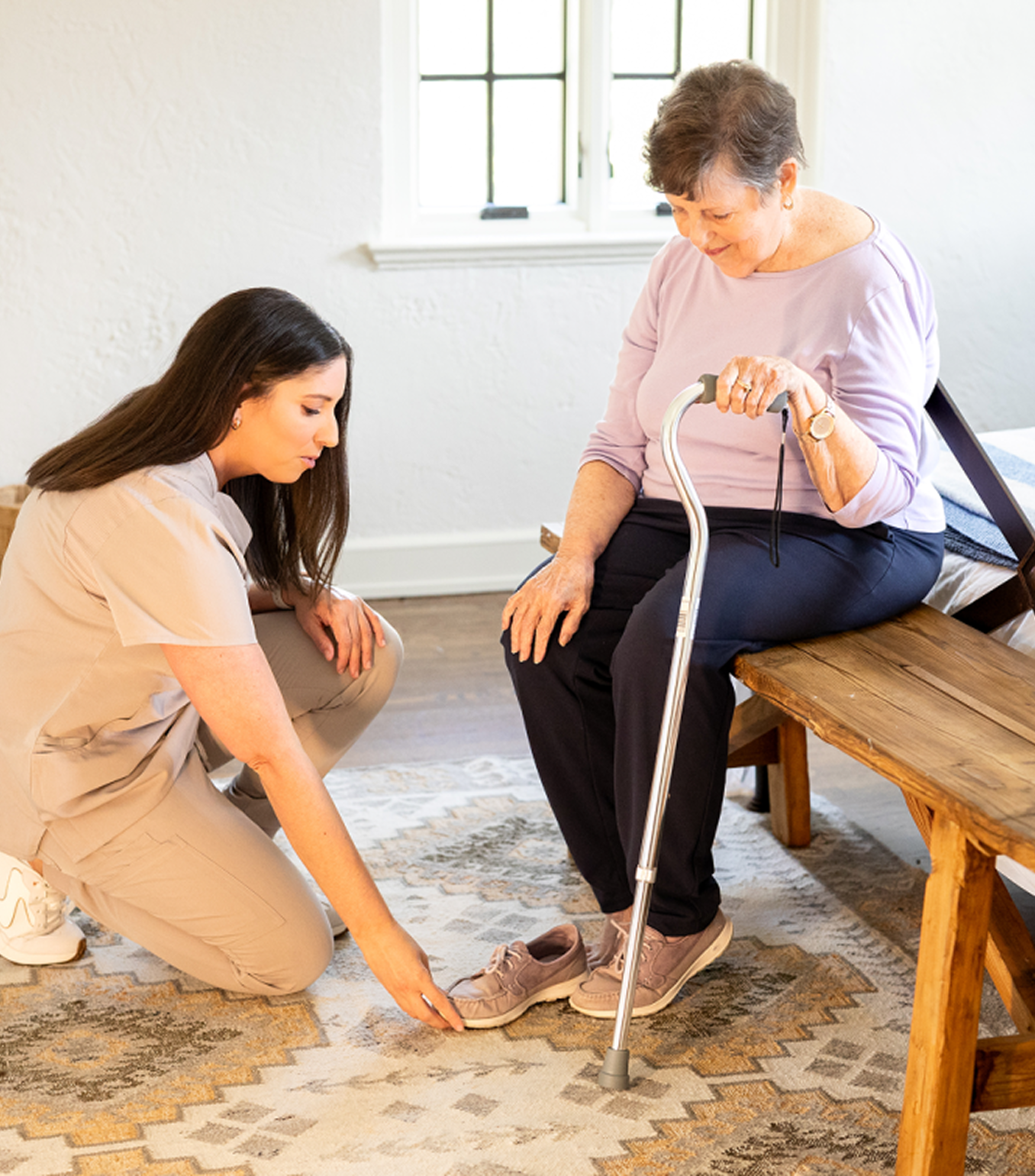
Falls land Iowa seniors in Des Moines emergency rooms more than any other home accident. Our caregivers clear hazards, supervise movement, and give assistance with bathing, dressing, and mobility to keep your loved one steady.
Supervision is active, not hovering. We assist seniors with daily tasks and personal care while preserving dignity. Our caregivers also help families spot fall prevention risks before they become emergencies.

Families in Urbandale, Ankeny, and across Polk County carry a real load. Our caregivers coach family members on daily techniques, communication, and understanding of what to expect as the disease moves.
You are not doing this alone. From the office staff in Urbandale to community centers and local resources, our team supports your loved one’s well-being through every aspect of the disease.
People with dementia do better with the same faces. We match caregivers to personality and history, then protect that match so your loved one sees familiar names through the week.
Continuity is how we reduce confusion, not a marketing phrase. Every caregiver passes our 7-Step Screening Process and trains specifically for Alzheimer’s care before we place them in a home.

Step 01
You call or message after diagnosis, and we respond with real people and real questions about your Des Moines family.

Step 02
We meet at home to assess routines, preferences, safety risks, and what your loved one still enjoys.

Step 03
We build a plan that addresses your loved one’s own needs and share it clearly with every family member involved.

Step 04
We match your loved one with dementia-experienced caregivers chosen for personality fit and our commitment to consistency.

Step 05
Care starts within days, and the Transparency Room keeps you connected from anywhere in Des Moines or beyond.
Alzheimer’s support in Des Moines runs into winter weather, stretched caregivers, and care decisions families rarely feel ready to make alone.
How We Help
Winter weather risks
What It Looks Like
The National Weather Service reports Des Moines averages 36.5 inches of snow per season, and freeze-and-heat events raise fall risk, isolation, and missed appointments for seniors managing memory loss.
How We Help
Our caregivers cover transportation, meal preparation, and daily routines when weather keeps families and outside help from reaching the house.
Challenge
Growing Iowa caregiver load
What It Looks Like
According to the Alzheimer’s Association, Iowa has 62,100 adults 65 and older living with Alzheimer’s and 80,000 unpaid caregivers putting in 118 million hours a year.
How We Help
We step in for exhausted families with respite care, overnight coverage, and caregiver continuity so routines stay steady as the disease progresses.
Challenge
Fragmented local resources
What It Looks Like
Families assume moving a loved one out is the only safe choice. Home care actually fits most early and mid-stage Alzheimer’s needs with safety planning, supervision, and routine support.
How We Help
Explain where home care ends and higher-supervision settings begin, so the decision matches the stage, not the anxiety of the moment.
Challenge
Delay drives higher cost
What It Looks Like
Caring.com places Des Moines in-home care near $6,006 per month, while memory care estimates climb higher as supervision needs grow, meaning delay can raise both cost and disruption.
How We Help
Starting earlier with safety monitoring, supervised hours, and family education can hold the line before 24-Hour Replacement Care becomes necessary.
Challenge
Caregiver rotation concerns
What It Looks Like
Families worry that agency care means a different face every visit, which is especially hard on someone with dementia who depends on recognition and routine.
How We Help
Our personality-based matching and 7-Step Screening Process protect the same caregiver relationship across shifts and weeks.
Preferred Care at Home has continued this tradition by only referring the most reliable, compassionate, experienced and affordable caregivers to client’s homes or care facilities.
Yes, Preferred Care at Home serves Des Moines, Ankeny, Urbandale, and surrounding Polk County communities from our Urbandale office.
Our Des Moines franchise supports elderly people and families across Greater Des Moines, including Ankeny, Urbandale, Clive, Johnston, Grimes, Pleasant Hill, Altoona, and other Polk County communities. Call (515) 444-5520 or email DesMoines@preferhome.com to start a consultation about Alzheimer’s in home care.
We offer memory support, behavioral and safety monitoring, fall prevention, family coaching, and caregiver continuity through dementia-trained caregivers.
Alongside specialized Alzheimer’s support, our Des Moines team provides companion care, personal care, homemaker support, respite coverage, and 24-Hour Replacement Care for families who need continuous help. Services can start at one hour per day with no long-term contract, and care typically begins within days of your first consultation.
It begins with a consultation and in-home assessment, followed by a care plan, caregiver matching, and care starting within days.
You start with a call or inquiry, then we meet with your family, often at the home, to understand your loved one’s routines, safety needs, and Alzheimer’s stage. From there, we build a care plan, match a dementia-experienced caregiver, and begin care typically within days of your first call.
Caring.com places Des Moines in-home care near $6,006 per month, though costs vary by hours, caregiver level, and care needs.
According to Caring.com‘s 2025 Des Moines senior care directory, in-home care averages about $6,006 per month, while memory care facility estimates climb higher. At Preferred Care at Home, families can start with as little as one hour per day and adjust hours as Alzheimer’s progresses. Learn more about paying for home care to plan your budget.
It depends on stage and safety needs; home care often fits early to mid-stage, while memory care may fit advanced stages.
In-home care typically fits well during early and mid-stages of Alzheimer’s, when your loved one benefits from familiar surroundings, routines, and one-to-one attention. Memory care communities tend to be a stronger fit when wandering, nighttime agitation, or the need for constant supervision makes home safety harder to maintain, even with consistent support.
Consider added support when wandering, missed medications, cooking risks, or safety concerns outpace what family can personally cover.
Common signals include missed medication reminders, cooking accidents, leaving the house unsupervised, signs of wandering, and a noticeable decline in hygiene or nutrition. Many Des Moines families start with part-time caregivers, then expand hours as needs grow. Preferred Care at Home can begin with one hour per day and scale up to 24-Hour Replacement Care when required.
You add structured respite, caregiver rotation, and one consistent point of contact so the load stops resting on one person.
Burnout takes a real toll on your own health; Caring.com reports 52% of dementia caregivers feel overwhelmed. Respite care and professional support build regular breaks into your week, while consistent caregiver matching prevents the emotional cost of onboarding new faces. Our Des Moines team coaches family members so caregiving feels shared, not solo.
Yes, absolutely whenever possible; we protect caregiver matches so your loved one sees familiar faces across most shifts.
Continuity matters deeply for Alzheimer’s care, which is why we match caregivers by personality and experience, then protect that match across shifts and weeks. Some variation will happen with time off or illness, but our goal is the same consistent team supporting your loved one in Des Moines, with the Transparency Room tracking every visit.
Caregivers provide assistance with activities of daily living, medication reminders, meal preparation, supervision, and meaningful cognitive engagement.
Services include assistance with bathing, dressing, grooming, and mobility, plus medication reminders, meal preparation, light housekeeping, transportation, and cognitive engagement tailored to your loved one’s history. Our team will assess needs and deliver quality care through experienced and trained caregivers, including CNA and HHA professionals matched to your family’s Alzheimer’s stage.
Iowa HHS caregiver programs, the Alzheimer’s Association Greater Iowa, Memory Cafes, and respite services all offer free support.
Des Moines families can access Iowa HHS caregiver resources, Alzheimer’s Association Greater Iowa education, Memory Cafes at the Des Moines Public Library, and respite services through local aging networks. Our team points clients to these named supports during the care plan conversation, alongside dementia and Alzheimer’s care services designed for day-to-day needs.