
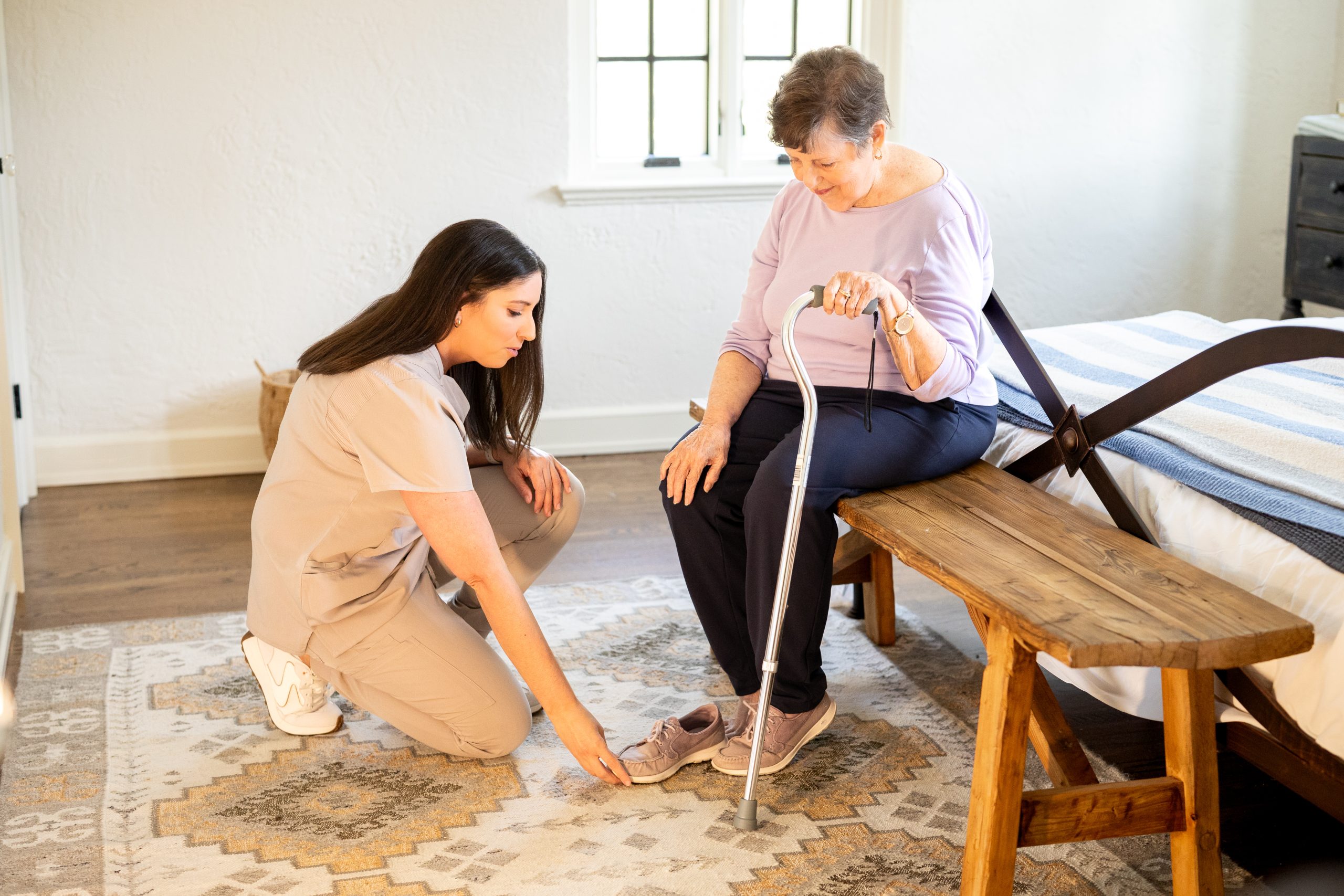
Since 1984, Preferred Care at Home has helped seniors age in place across the country. The Des Moines franchise draws on over a decade of network-wide respite standards to support families in Polk County, from Urbandale to Altoona.
You choose caregivers matched by personality and life experience, not just availability. Our committed caregivers bring respect and compassion to every visit, and families track each shift inside the Transparency Room portal, part of our full home care service menu.
Planned respite blocks (weekly, biweekly, or monthly) give Des Moines family caregivers time to rest, work, or take a vacation without a crisis trigger. You keep your loved one at home, in familiar surroundings.
The same small group of experienced and trained caregivers, including CNA/HHA professionals, staffs your weekly schedule. You see every visit in the Transparency Room portal, with real-time caregiver notes.


When a family caregiver in Des Moines is sick, hospitalized, or facing sudden circumstances, you need coverage fast. We step in on short notice and keep your loved one safely at home.
Our on-call coordinator takes your call, helps determine the right coverage, and dispatches a trained caregiver who has already cleared our 7-Step Screening Process. Care often begins within hours.
Whether you need one hour on a Tuesday afternoon or a full weekend in West Des Moines while you visit friends, respite adjusts to your actual life. No long-term contracts required.
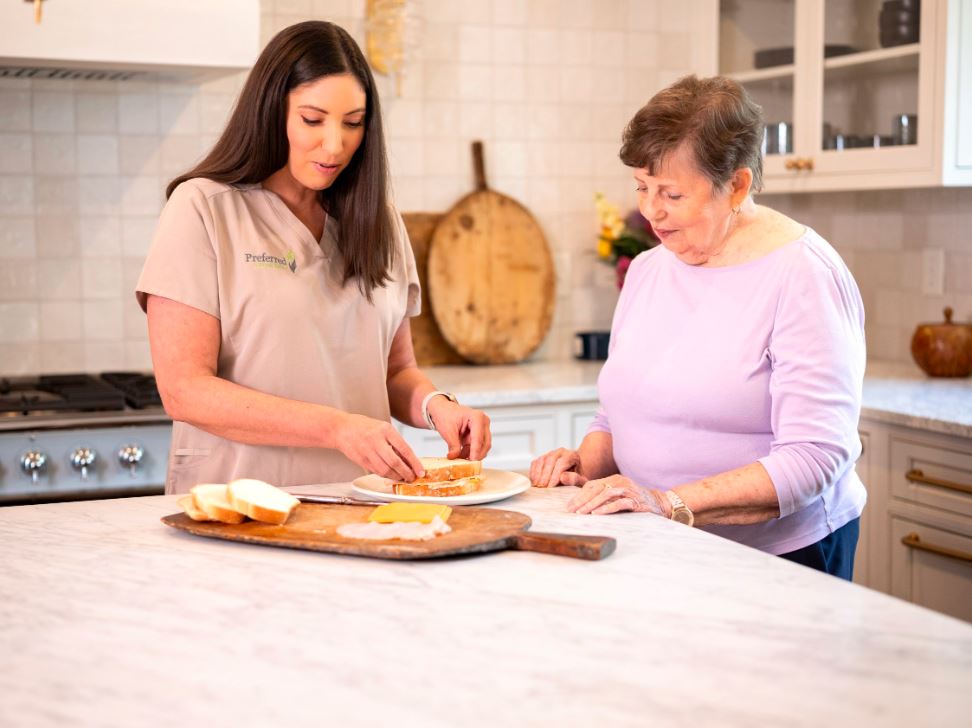
Mix and match other services. A companion care visit with warm conversation one day, personal care with light housekeeping the next, overnight coverage before a surgery. You pay only for the hours used.

Step 01
You call (515) 444-5520 or reach out online; we listen first.

Step 02
We meet your family to understand routines, health needs, and preferences.

Step 03
You review a plan built around your loved one’s schedule and care hours.

Step 04
We pair your family with caregivers matched for personality and relevant experience.

Step 05
Care starts, the Transparency Room portal opens, and families can check in by Zoom or FaceTime.
Every family in Des Moines carries a different weight. But some respite patterns show up again and again across Polk County homes.
Challenge
What It Looks Like
How We Help
Central Iowa winters disrupt care coverage
What It Looks Like
Cold-season storms from late November through early March make it harder for adult children in Urbandale or Johnston to cover every visit, right when fall risk peaks for older adults.
How We Help
We schedule respite blocks with caregivers who live near your loved one in Des Moines, so winter weather rarely cancels care. Scheduled coverage and emergency respite both stay reliable.
Challenge
An aging Polk County population
What It Looks Like
Polk County is 14.5% age 65 or older, and 55% of Iowa caregivers help a spouse or adult with a disability with assistance with activities of daily living before calling an agency.
How We Help
We make it easy to start with short respite blocks covering bathing, dressing, and companionship, then scale up if your loved one’s needs grow over time.
Challenge
Iowa payment rules feel confusing
What It Looks Like
Families in Des Moines often do not know whether Iowa Medicaid, the HCBS Elderly Waiver, or VA benefits can help pay for respite, so they delay care that may already be partially covered.
How We Help
We point families toward Aid and Attendance, VA Community Care, the Guide Program, and local Area Agency on Aging resources at your first consultation. We can also coordinate with doctors and discharge planners.
Challenge
Respite is only for burnout
What It Looks Like
In Iowa, 36% of family caregivers say respite would provide relief mentally and physically, yet 89% have never used it; families wait for crisis instead of scheduling regular respite blocks.
How We Help
We help you plan regular respite hours long before burnout sets in, whether you need weekly scheduled coverage or a caregiver on call for emergencies.
Challenge
Delay raises the cost of care
What It Looks Like
Iowa caregivers absorb real strain before they ask for help: 54% report a negative financial hit from caregiving, and 43% experience high emotional stress.
How We Help
Short-term scheduled coverage and flexible hourly respite let you act early, often with just one or two hours a week. You gain peace of mind knowing your loved one is safe and supported.
Challenge
Choosing the wrong caregiver match
What It Looks Like
Local review patterns show families often switch agencies over caregiver fit, retraining new staff each time, missed visit windows, and unclear billing around assistance with activities of daily living.
How We Help
We match caregivers by personality and experience, document tasks in the Transparency Room portal, and keep the same team across scheduled and emergency respite. That’s the difference between a revolving door and real continuity.
Preferred Care at Home has continued this tradition by only referring the most reliable, compassionate, experienced and affordable caregivers to client’s homes or care facilities.
Yes, our Urbandale office provides respite in home care to families across Des Moines and Polk County.
Preferred Care at Home of Des Moines, Ankeny, and Urbandale is the locally owned franchise that covers Des Moines, West Des Moines, Urbandale, Ankeny, and more than a dozen communities. Our Urbandale office serves clients across greater Des Moines. Call (515) 444-5520 or email DesMoines@preferhome.com to schedule a free in-home consultation.
We provide short-term scheduled respite, emergency respite, and flexible hourly or daily coverage for Des Moines families.
Respite care services at Preferred Care at Home of Des Moines include planned weekly coverage, on-call emergency backup, and mixed schedules that blend companion care, personal care, and overnight support. You decide whether care runs one hour a week or around the clock. Other services include transition care and dementia support.
Call our Urbandale office, schedule a free consultation, and care can typically begin within days.
We start with a phone call, then a consultation at your Des Moines home. Together we build a quality care plan, match a caregiver by personality and experience, and open your Transparency Room portal so family members can track every visit. Respite care usually begins within days.
Respite care is short-term in-home help that gives a family caregiver a break without moving your loved one.
Respite in home care in Des Moines lets a family caregiver step back for a planned window, not just an emergency. Respite care helps seniors stay comfortable at home while you rest, travel, or handle doctors’ appointments. A trained caregiver covers bathing, meals, and companionship for a few hours or several days.
Yes. You can start respite care with as little as one hour per day, with no long-term contract required.
Plenty of Des Moines families start small: a two-hour Tuesday block while you run errands, a weekend morning so you can sleep in, a few hours before a medical appointment. You scale up if needs grow. Our 7-Step Screening Process applies whether you book one hour or twenty.
Costs depend on hours scheduled, time of day, and care complexity; call our Urbandale office for a free consultation.
Respite care in Des Moines is priced hourly based on circumstances of care and coverage type. We help you determine the best care plan and pay only for hours used. Preferred Care at Home offers no long-term contracts. For more, see our paying for home care guide.
No. Most Des Moines families use respite as a planned, ongoing part of their week, not a crisis response.
Iowa data show 36% of caregivers believe respite would help, but 89% have never used it. You deserve a much needed break (a short vacation, a regular weekend, a quiet morning) to support your own well being. For post-hospital needs, ask about our transition care program.
Respite gives the family caregiver a break; dementia care provides specialized memory and behavior support, often in combination.
Many Des Moines families use both forms of senior care. Respite care covers routine support (bathing, companionship, meals, errands) during your planned time off. Our dementia and Alzheimer’s care layers on specialized training for memory loss, behavior changes, and safety supervision. Your respite caregiver can be dementia-trained from day one.
Yes, in some cases. The Iowa HCBS Elderly Waiver includes respite as a covered service for eligible clients.
The Iowa HCBS Elderly Waiver lists respite among covered services, and local Area Agencies on Aging can help Des Moines families apply. Veteran families may qualify for Aid and Attendance, VA Community Care, or the Guide Program. Preferred Care at Home coordinates with other providers so you get compassionate care through the right funding path.