

Preferred Care at Home of Des Moines, Ankeny, and Urbandale is locally owned by Joseph Peterson, operating from our Urbandale office at 7611 Douglas Avenue, Suite 22B. We are backed by 40+ years of national brand experience and serve 16 communities across Polk County and the greater Des Moines metro.
What sets us apart is caregiver matching by personality, life experience, and background, paired with our Transparency Room portal. Our end-of-life care reflects a holistic care approach, giving clients and families access to schedules, notes, and invoicing from any device.
When your loved one weakens from a terminal illness, daily tasks grow hard. Our experienced and trained caregivers, including CNA/HHA professionals, provide gentle personal care with assistance with bathing, dressing, and mobility in your own home.
We schedule visits from 1 hour to around-the-clock presence, adjusting as needs change. Care focuses on dignity and comfort during this difficult time, not clinical treatment.
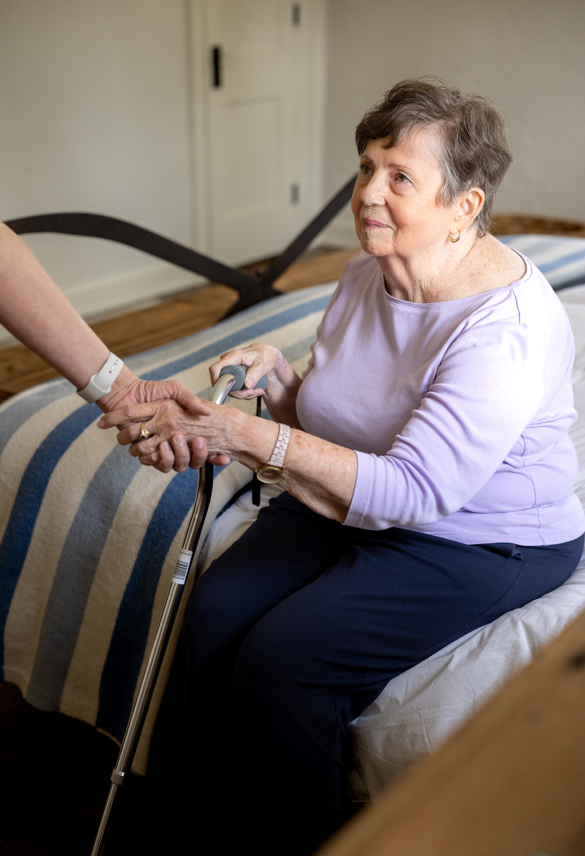

Family caregivers often reach exhaustion during end-of-life care. Our respite care steps in so you can rest, sleep, or handle other responsibilities, trusting that your loved one is safe in Des Moines.
Respite can be a few hours, an overnight, or a full weekend. This flexibility helps prevent the burnout that makes an already difficult time even harder on family members.
Loneliness and fear often shadow the final chapter. Our companion care focus brings meaningful connections, gentle conversation, and steady presence to your family member across the Des Moines area.
Caregivers are matched to your loved one by personality, life experience, and background. That matters most now, when familiarity brings peace and unfamiliar faces add stress.
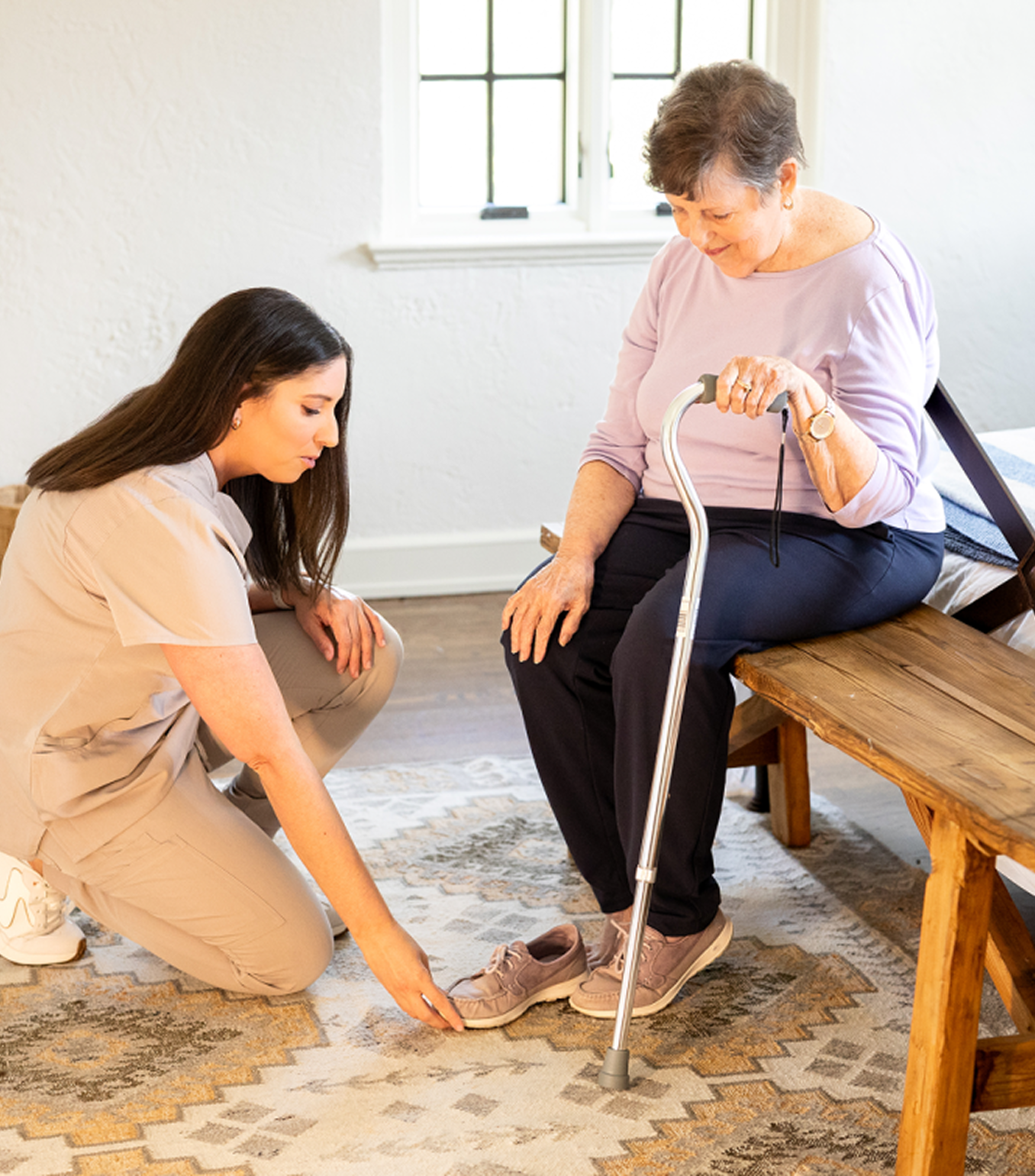
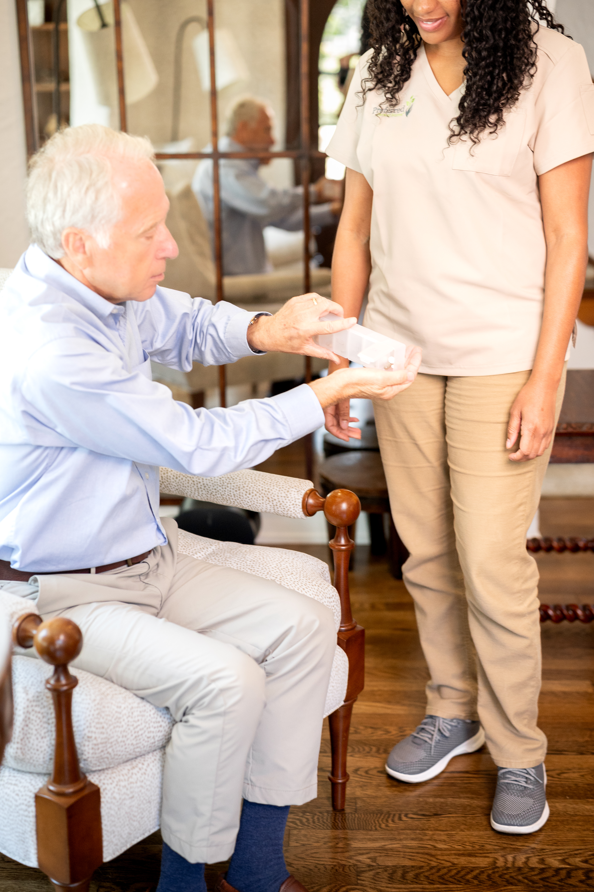
Hospice brings a compassionate team of nurses, physicians, social workers, home health aides, and volunteers focused on pain management and other symptoms. We are non-medical support so your loved one can receive care at home rather than in a dedicated hospice facility.
Hospice handles home health services, nursing care, and any medical equipment needed such as hospital beds. We handle the hours in between: meal preparation, conversation, respite, and daily tasks that help manage life with dignity.

When the final days arrive, no one should be alone. Our 24-hour replacement care brings caregivers in scheduled increments so someone is always present in your own home.
Caregivers rotate across a 24-hour period so every shift brings fresh energy and steady attention. Your loved one never wakes to an empty room during this difficult time.

Step 01
Call us or reach out online to share your situation, timing, and immediate family concerns.

Step 02
We meet you in your own home or by phone to understand needs, preferences, and hospice coordination.

Step 03
We match your loved one with caregivers selected for personality, experience, and comfort with end-of-life care.

Step 04
Caregivers start, often within days, working alongside your hospice team and keeping families updated.

Step 05
The Transparency Room portal plus Zoom or FaceTime check-ins keep every family member in the loop.
End-of-life care in central Iowa carries its own weight, shaped by winter logistics, scattered family, and the gap between hospice visits.
Challenge
What It Looks Like
How We Help
Des Moines winter logistics
What It Looks Like
The National Weather Service reports an average Des Moines winter temperature of 25.6°F and 36.5 inches of annual snowfall, making reliable coverage harder precisely when family caregivers most need relief.
How We Help
We cover respite shifts and 24-hour replacement care through Iowa winters so scheduled visits and overnight presence hold steady.
Challenge
Scattered family across Polk County
What It Looks Like
Per U.S. Census QuickFacts, Polk County has 516,185 residents spread across Des Moines, West Des Moines, Ankeny, Urbandale, and more than a dozen suburbs, often separating adult children from aging parents.
How We Help
Our coordination and coverage span emotional support visits, hospice-paired care, and overnight presence from Urbandale to Polk City.
Challenge
Short hospice stays nationally
What It Looks Like
The Research Institute for Home Care reports 31% of hospice stays lasted only 0-7 days in 2024, leaving families rushed to arrange comfort care and respite all at once.
How We Help
We start end-of-life personal care, respite, and family support often within days, so nothing waits for a caregiver match.
Challenge
Misunderstanding hospice coverage
What It Looks Like
Many families assume Medicare hospice covers bathing, meal preparation, and constant presence, when hospice is medical and daily hours in between fall to the family.
How We Help
Our comfort care and companion visits fill that gap, covering assistance with personal care, meal preparation, and steady emotional support.
Challenge
Late planning compresses options
What It Looks Like
Families often wait until the final weeks, which compresses respite coverage, caregiver matching, and 24-hour presence into the hardest window.
How We Help
We onboard end-of-life care within a few days of your call, bringing respite and overnight coverage when families have the least time.
Challenge
Choosing the wrong kind of help
What It Looks Like
Families sometimes hire a single independent helper, leaving no backup for 24-hour presence, respite, or coordination with the hospice team if that person gets sick.
How We Help
Our agency model provides coverage continuity across every service, from emotional support to 24-hour replacement care.
Preferred Care at Home has continued this tradition by only referring the most reliable, compassionate, experienced and affordable caregivers to client’s homes or care facilities.
Yes, we provide non-medical end-of-life support alongside hospice across Des Moines, Ankeny, Urbandale, and surrounding Polk County communities.
We serve 16 communities across greater Des Moines from our Urbandale office, including Ankeny, Johnston, Clive, Windsor Heights, and the rest of Polk County. Families can reach us at (515) 444-5520 to start end-of-life in-home care coordination, usually within days. Our caregivers work alongside your hospice team and central Iowa health care providers.
We offer comfort care, family respite, emotional support, hospice coordination, and 24-hour presence across the greater Des Moines area.
Our end-of-life care draws from our full service menu, including personal care with assistance with bathing and mobility, companion care for emotional support and meaningful connections, and around-the-clock presence in your own home. Every service works alongside hospice care services, never replacing their medical role.
Call us for a free consultation, we build a care plan, match a caregiver, and start, often within days.
Your first call or online inquiry triggers a personalized consultation where we understand your loved one’s needs, hospice situation, and family dynamics. We build a care plan, match a caregiver by personality and experience, and begin care. In central Iowa, end-of-life care often starts within a few days.
Cost depends on hours per day and service mix; hourly non-medical care is far less than a dedicated facility.
Our rates vary by hours, days, and services, from a few hours of emotional support to 24-hour replacement care. Long-term care insurance, VA benefits like Aid and Attendance, and private pay options apply. Visit our paying for home care resource or call us for a no-cost care plan review.
Hospice is the medical team handling pain and symptoms; in-home care handles daily tasks and companionship.
Hospice offers an interdisciplinary team focused on pain management, symptom relief, and emotional and spiritual support for patients with life limiting illnesses, including attention to spiritual well being. Palliative care can run alongside curative treatment; hospice focuses on comfort. Our in-home care handles daily tasks that hospice services do not cover: compassionate care with bathing, meal preparation, respite, and companionship.
Yes, we regularly coordinate with hospice teams serving central Iowa while families rely on Medicare for medical care.
According to Medicare.gov, hospice eligibility requires certification of terminal illness with a life expectancy of six months or less and election of comfort care instead of curative treatment. Our non-medical in-home care runs in parallel, supporting families after hospital discharge and covering daily tasks hospice does not provide.
When family caregivers are exhausted or nights grow unmanageable, additional support often makes the difference.
According to the Research Institute for Home Care, 31% of hospice stays lasted only 0-7 days in 2024, meaning most families never get caught up. Signs to call include caregiver burnout, overnight anxiety after a terminal diagnosis from cancer or serious injury, and missed meal preparation. Adding support early creates a positive impact on the whole household.
We match for personality and experience, not just availability, and keep caregiver continuity across shifts.
Continuity matters most during end-of-life care, when unfamiliar faces add stress. Quality care depends on that match, so we pair your loved one with caregivers vetted through our 7-Step Screening Process and selected for personality. Families monitor schedules and notes through our Transparency Room portal.
Yes, we provide 24-hour replacement care in scheduled caregiver increments throughout the Des Moines area.
Our 24-hour replacement care rotates caregivers in scheduled increments, typically 8 to 12 hours, so no single caregiver works a full day. This supports family respite, overnight presence, and steady coverage for terminally ill patients in their own homes across Des Moines, Ankeny, and Urbandale.
Yes, we help families access Aid and Attendance, VA Community Care, and the Guide Program.
Per U.S. Census QuickFacts, Polk County has 22,413 veterans, and many qualify for Aid and Attendance, VA Community Care, or the Guide Program to help pay for end-of-life home care. Our team walks families through the paperwork. Visit our veterans benefits resource.