
Watching Alzheimer’s disease change someone you love can feel heartbreaking for family members. Preferred Care at Home provides specialized in-home care in Clarksville, helping seniors with Alzheimer’s maintain dignity, safety, and connection in their own home through every stage of the disease

Preferred Care at Home has served Tennessee families since 1984, bringing compassionate care and specialized dementia home care services to seniors throughout Clarksville and surrounding communities. We’re a family-operated company committed to helping older adults live their best life at home, and we understand the unique needs of families navigating Alzheimer’s disease.
Our caregivers receive specialized training in Alzheimer’s care, including communication techniques, behavioral management skills, and safety protocols. We match caregivers based on personality compatibility and experience. Our Transparency Room technology gives family members real-time updates on daily activities, providing peace of mind when you can’t be there in person.
Dementia care services provide specialized support for memory challenges in the early stages and throughout disease progression. In Clarksville, where many seniors live alone or far from family members, having a caregiver who understands how Alzheimer’s disease affects the brain can prevent confusion and maintain a sense of purpose.
Our caregivers establish consistent routines, use memory cues tailored to your loved one’s abilities, and provide patient assistance when confusion strikes. We focus on what your loved one can still do rather than dwelling on losses, helping them maintain independence and dignity as the disease progresses.
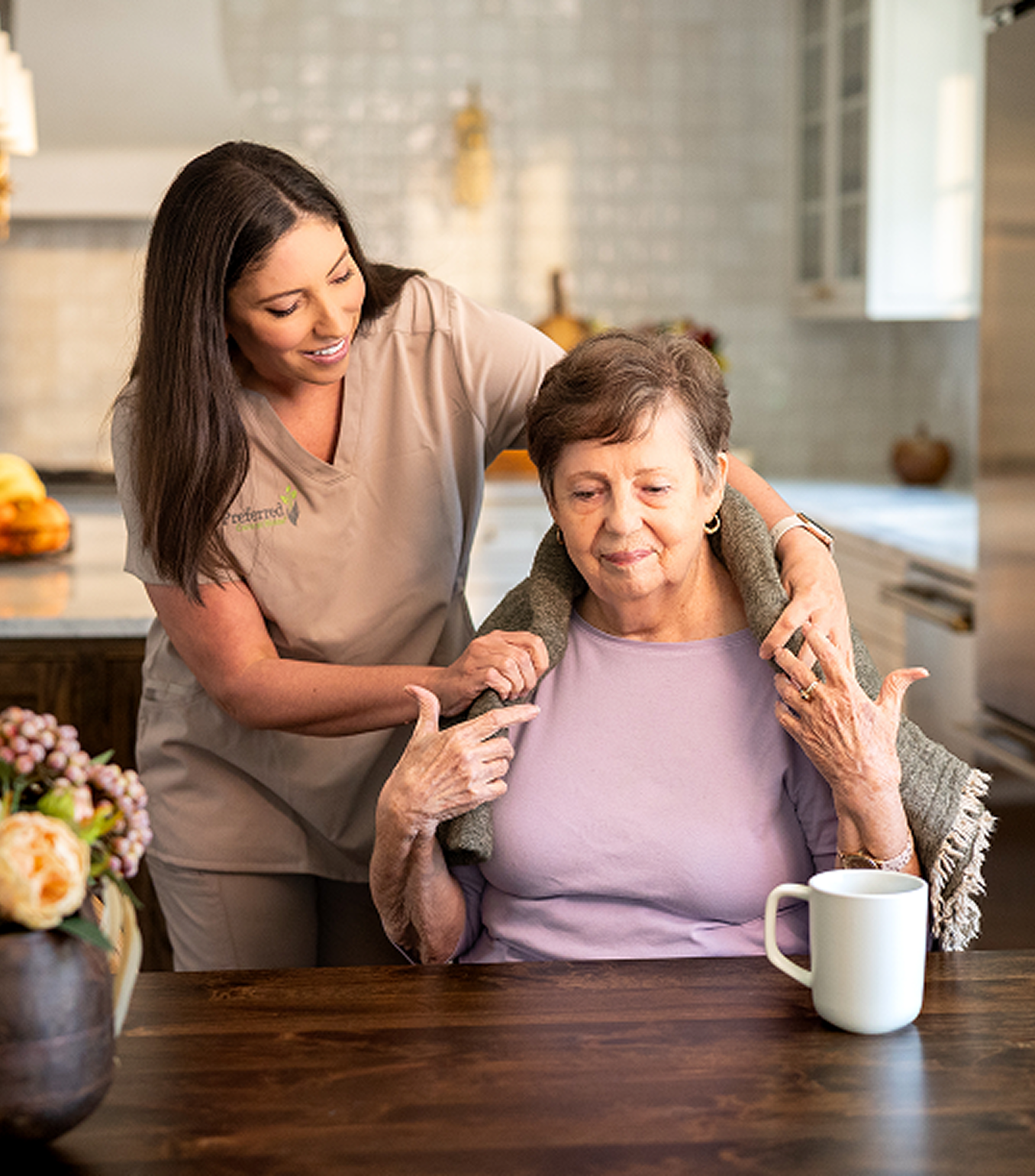

Alzheimer’s disease often brings challenging behaviors like agitation, aggression, sundowning, repetitive questions, or resistance to care. Our caregivers are trained in problem solving techniques that identify triggers and de-escalate difficult situations with compassion.
We observe patterns, prevent circumstances that cause distress, and adapt our overall approach as symptoms change. Our goal is creating calm environments where your loved one feels safe and understood, reducing stress for everyone in the house.
People living with Alzheimer’s face increased risks from confusion, poor judgment, and difficulty processing their surroundings. Our caregivers provide constant safety monitoring, assist with mobility, prevent dangerous wandering, and remove hazards throughout the house.
We’re trained to anticipate safety concerns before they become emergencies. Whether it’s helping with walking, preventing falls in the bathroom, or ensuring your loved one doesn’t leave home alone and get lost, we create secure environments where dignity is balanced with necessary protection.
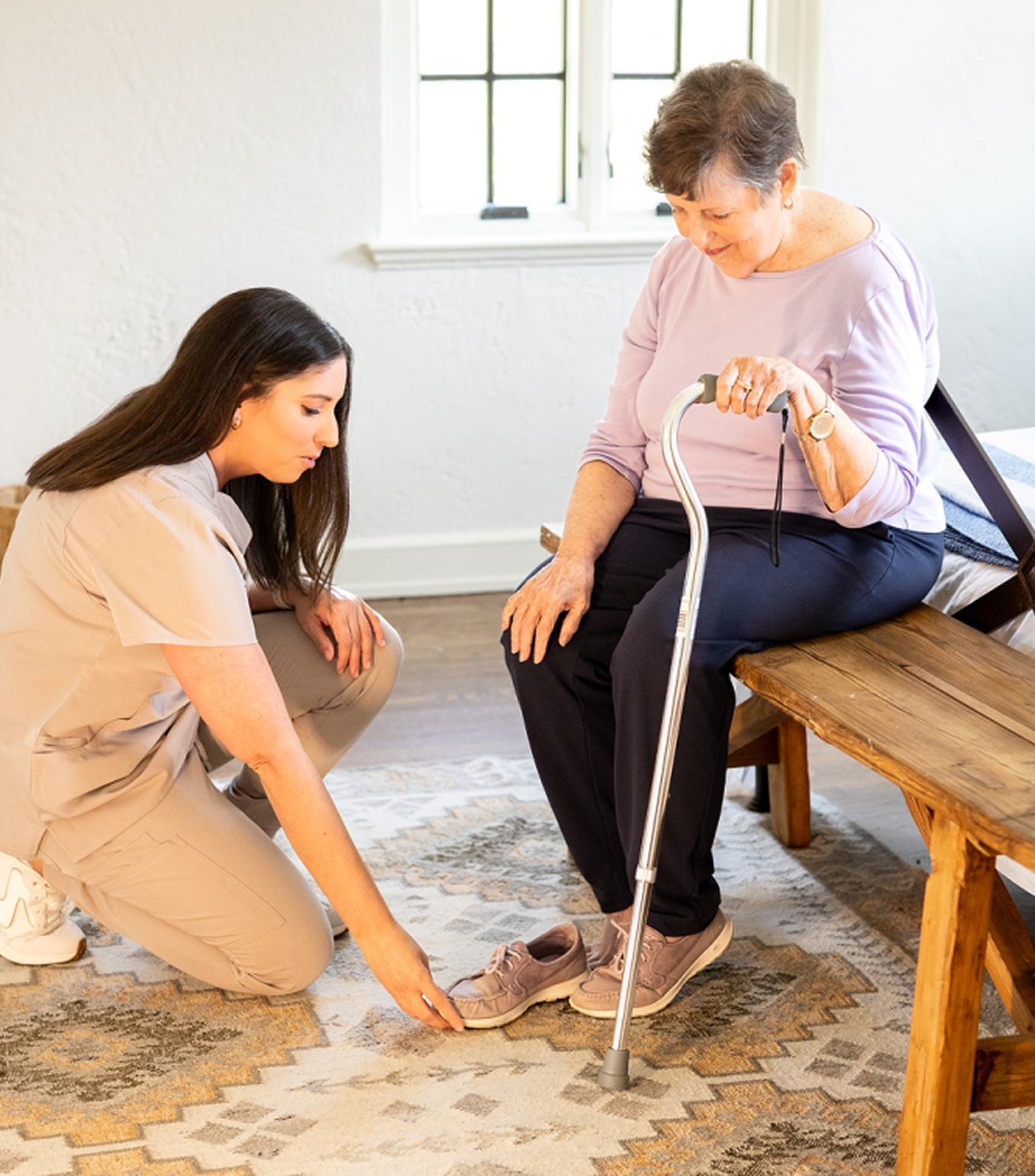

Staying mentally engaged and socially connected improves quality of life and can slow cognitive decline in Alzheimer’s patients. Our caregivers provide activities tailored to current abilities, from music therapy and reminiscence to simple crafts and meaningful conversation.
We focus on engagement that brings joy and maintains a sense of identity, not tasks that highlight losses. Whether it’s looking through photo albums, listening to favorite songs from younger years, or participating in simple activities, we help your loved one experience a purposeful life filled with connection and dignity.
As Alzheimer’s disease progresses through different stages, people need increasing help with daily activities like bathing, dressing, toileting, and eating. Our caregivers provide personal care services that preserve dignity while ensuring safety and hygiene.
We assist at whatever level is needed, from gentle reminders to full physical help, always respecting your loved one’s remaining abilities and autonomy. Our compassionate approach makes intimate care tasks less stressful for everyone involved.
Caring for someone with Alzheimer’s disease is physically and emotionally exhausting. Our respite care services give family members necessary breaks to maintain their own well being, knowing your loved one is safe with trained professionals who understand the disease process.
Whether you need a few hours weekly for self-care or several days for quality time away, we provide reliable care that lets you rest without worry. Taking care of yourself isn’t selfish. It’s essential for providing the best long-term care and maintaining your own health.


Step 01
You’ll reach out to our Clarksville office by phone or through our website, and we’ll respond quickly to understand your loved one’s Alzheimer’s care needs. If you’re interested in learning more through text message, you can opt in for updates.

Step 02
We’ll schedule a personalized consultation to discuss your loved one’s diagnosis, current stage of Alzheimer’s disease, daily activities they can still manage, and specific challenges you’re facing. We’ll also discuss about care options, safety concerns, and what outcomes matter most to you.

Step 03
We’ll create a customized care plan that addresses your loved one’s unique needs at their current stage. This plan can include memory support, safety monitoring, behavioral management, personal care assistance, medication reminders, meal preparation, and social interaction activities.

Step 04
We’ll match your loved one with a caregiver who has specialized training in Alzheimer’s care and experience with your loved one’s specific symptoms and stage. You’ll meet the caregiver before services begin to ensure personality compatibility and comfort level for everyone involved.

Step 05
We’ll match your loved one with a caregiver who has specialized training in Alzheimer’s care and experience with your loved one’s specific symptoms and stage. You’ll meet the caregiver before services begin to ensure personality compatibility and comfort level for everyone involved.
How We Help
What It Looks Like
How We Help
We provide consistent dementia care services that maintain familiar routines and offer specialized support even when family is far away or deployed.
Challenge
Progression through disease stages
What It Looks Like
Alzheimer’s symptoms worsen over time, requiring different care approaches as your loved one moves from early stages through moderate to advanced stages of the disease.
How We Help
We adapt our overall approach as abilities change, adjusting daily assistance from gentle reminders to comprehensive personal care while maintaining dignity throughout every stage.
Challenge
Isolation and cognitive decline
What It Looks Like
Seniors with Alzheimer’s often withdraw from social interaction as symptoms worsen, leading to faster cognitive decline and depression in Clarksville’s spread-out communities.
How We Help
Our caregivers provide daily companionship, meaningful conversation, and cognitive engagement activities that maintain social connection and slow disease progression through the brain.
Challenge
Unsafe wandering and confusion
What It Looks Like
Clarksville’s layout with highways, wooded areas, and the Cumberland River creates dangerous situations when people with Alzheimer’s wander away from home confused about where they are.
How We Help
We provide constant safety monitoring, secure home modifications, and trained supervision that prevents wandering while allowing your loved one freedom to move within safe boundaries.
Challenge
Taking medications and managing health
What It Looks Like
People with Alzheimer’s forget to take medications, take wrong doses, or become confused about their medication schedule, leading to dangerous complications that require hospital visits.
How We Help
Our caregivers provide medication reminders at scheduled times, monitor for side effects or concerns, and maintain consistent routines that prevent health problems and keep your loved one safe.
Challenge
Difficult behaviors and family stress
What It Looks Like
Agitation, aggression, repetitive questions, or resistance to care create overwhelming stress for family members who lack training in problem solving techniques for Alzheimer’s patients.
How We Help
We use proven behavioral management approaches to prevent triggers, de-escalate challenging moments with compassion, and create calm environments that reduce symptoms and protect family well being.
Preferred Care at Home serves families throughout Clarksville and the surrounding communities in Montgomery County and Robertson County. Our local team provides quick response times and understands the unique needs of Tennessee seniors.
We Serve:
Alzheimer’s care services in Clarksville typically cost between $24 and $35 per hour, depending on the stage of the disease and level of specialized assistance required. Early stages requiring memory support and companionship cost less than advanced stages needing constant supervision and comprehensive personal care. We offer flexible scheduling from a few hours daily to 24-hour live-in care options, and our rates are often more affordable than memory care facilities. Contact our Clarksville office for a free consultation and personalized pricing based on your loved one’s unique needs.
We’ve been providing senior care services for over 40 years, and all our caregivers receive specialized training in Alzheimer’s disease and dementia care. Our 7-step screening process ensures caregivers have the right temperament, patience, and skills for working with memory loss patients. We match caregivers based on experience with specific stages of Alzheimer’s and personality compatibility with your loved one. Our company is committed to quality care, and our Transparency Room technology gives family members real-time access to updates, helping you stay connected even when you can’t be there.
Alzheimer’s in home care allows your loved one to stay in familiar surroundings with one-on-one attention from a trained caregiver, which often reduces confusion and anxiety. Memory care facilities provide 24-hour supervision with specialized staff but require moving to an unfamiliar environment that can worsen symptoms. Home care works well for early to moderate stages when familiar routines and surroundings are crucial for cognitive function. If safety concerns become overwhelming or your loved one needs constant medical monitoring, a facility might become necessary. We’ll help you understand when each option makes sense for your situation.
Alzheimer’s care is typically long-term and increases as the disease progresses through different stages over years. Many families choose to start with a few hours daily for companionship and safety monitoring in early stages, then gradually increase to full-time support as symptoms worsen and daily activities become more challenging. The progression varies significantly from person to person based on age, overall health, and individual disease process. We remain flexible and adjust care plans as your loved one’s home care needs change throughout their journey.
If your loved one forgets recent conversations or events, gets confused about time or place, experiences personality changes, wanders away from home, has difficulty with daily activities like bathing or dressing, or shows behavioral symptoms like agitation or sundowning, it’s time to consider specialized care. Memory loss that interferes with safety, nutrition, or quality of life requires trained support. Many families wait until after a dangerous incident, fall, or hospital visit, but starting Alzheimer’s care services in early stages prevents crises and helps your loved one maintain independence longer.
Yes! We provide family education about Alzheimer’s disease, teaching communication strategies and behavioral management techniques that reduce stress and improve daily interactions. We also offer respite care so family caregivers can take necessary breaks for their own well being without worry. Our Transparency Room portal keeps you connected to what’s happening daily, and our Clarksville office is available to answer questions and address concerns throughout your journey. We understand this disease affects the whole family, and we deserve a helping hand from professionals who understand the process.
Absolutely! Quality Alzheimer’s in-home care can prevent or delay facility placement for many families. Our caregivers provide medication reminders that prevent dangerous mistakes, safety monitoring that stops falls and wandering, assistance with meal preparation that maintains proper nutrition, help with personal care tasks, and behavioral management that reduces aggressive episodes. Many families find that specialized care services allow their loved one to age in their own home with dignity rather than moving to a memory care facility, especially when families choose to start services in early stages.
Our overall approach focuses on understanding why behaviors occur rather than just reacting to them. We use problem solving techniques to identify triggers like hunger, pain, overstimulation, confusion, or unmet needs, then work to prevent situations that cause distress. When challenging moments happen, we use redirection, validation, calming techniques, and compassionate communication rather than confrontation. We create structured routines that provide a sense of security and adapt our approach to match your loved one’s current abilities as the disease affects their brain. Our goal is reducing anxiety and protecting dignity.
Safety monitoring is central to our Alzheimer’s care services. Our caregivers provide constant supervision appropriate to the disease stage, secure doors and windows to prevent unsafe wandering, remove hazards throughout the house, assist with mobility to prevent falls, and use distraction and redirection if your loved one becomes fixated on leaving. We also help families install safety modifications like alarms or locks when needed. Our commitment to safety is strong because we understand one wandering incident can have tragic consequences for someone with Alzheimer’s disease.
Yes! Our end-of-life care services complement hospice care beautifully in the final stages. While hospice focuses on medical comfort care, we provide the hands-on personal care, companionship, and family support that makes home-based hospice possible. Our caregivers assist with personal care needs, create comfortable environments, offer respite for exhausted family members, and provide compassionate presence during this difficult stage. We’re committed to helping families keep their loved one comfortable at home with dignity during life’s final chapter, and we’re interested in supporting both patients and families through the entire journey.