
Watching a loved one struggle with memory loss brings questions no family should face alone. Should Mom move to a memory care facility, or can she remain in the Wilton home she’s cherished for decades? Preferred Care at Home of Central Fairfield helps families navigate elder care with compassion, offering specialized dementia services that honor independence and dignity.
Preferred Care at Home of Central Fairfield has served Fairfield County families since joining the national Preferred Care at Home system founded in 1984. Locally owned by Christine and Rick Geller, we hold Connecticut Homemaker Companion Agency License HCA-0002249, CareScout Quality Network Preferred Provider designation, and Better Business Bureau accreditation.
What sets us apart is our VA Community Care Provider status, weekly Long-Term Care insurance processing, and Best of Home Care Endorsed Provider 2024-2025 recognition. Every caregiver undergoes rigorous 7-step screening and personality matching, ensuring your loved one receives quality care from professionals who feel like family.
When someone you love has been diagnosed with Alzheimer’s disease or another form of dementia, the thought of moving them out of familiar surroundings can feel overwhelming. Our dementia and Alzheimer’s care keeps your family member in the Wilton home where life’s memories live, surrounded by people, pets, and possessions that bring comfort and joy.
Our caregivers receive specialized training in dementia care, learning to manage behavioral changes, reduce confusion, and maintain safety while preserving dignity. We focus on what clients can still do, creating daily routines that promote wellness and reduce anxiety.


Memory loss often makes daily tasks like bathing, dressing, and grooming feel confusing or frightening. Our personal care services provide hands-on assistance with activities of daily living, delivered with patience, respect, and gentleness.
We adapt as the disease progresses, offering verbal prompts to comprehensive physical assistance. Medication reminders prevent dangerous errors, while mobility support reduces fall risks. Your loved one maintains the ability to control their routine while receiving a helping hand when needed.
Loneliness and depression accompany Alzheimer’s disease, particularly after a spouse’s death or when adult children live far away. Our companion care provides social interaction, emotional support, and engaging activities designed for those experiencing cognitive decline.
Caregivers reminisce about the past, play familiar games, encourage crafts, and provide transportation to doctor appointments or community events. We help maintain connections while monitoring eating patterns, managing calendars, running errands, and ensuring your family member stays engaged with life.
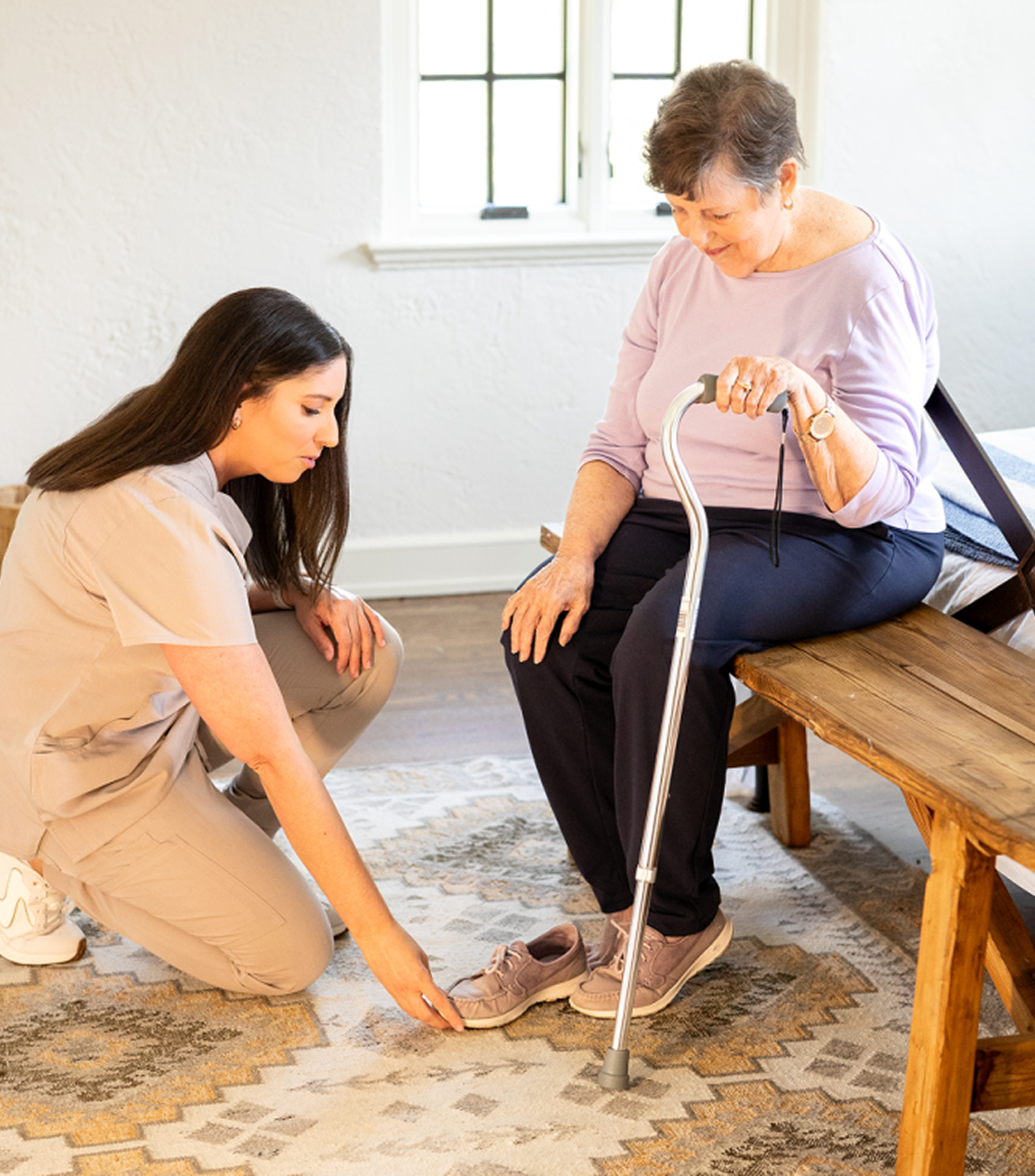

As dementia progresses, families worry about safety when their loved one is alone, especially overnight. Our live-in care services provide around-the-clock supervision, offering peace of mind knowing someone is always there.
Live-in care proves more affordable than most families imagine, certainly less than assisted living communities or memory care facilities averaging $8,825 to $13,000 monthly in Wilton. One personality-matched caregiver provides continuous support while maintaining familiar routines, meal preparation, and security.
Hospital stays accelerate cognitive decline in seniors with dementia, and transitions home often lead to confusion and dangerous readmissions. Our Smooth-Transition Care assigns a personal coach who meets your loved one at the hospital, manages discharge, and provides ongoing recovery support.
We coordinate appointments, manage medication schedules, monitor health symptoms, and communicate with healthcare providers. This evidence-based approach prevents readmissions while supporting recovery in the comfort of home.


Step 01
You’ll speak with Christine, Rick, or our team about your loved one’s specific needs, challenges, and care goals. We’ll schedule a complimentary in-home assessment to evaluate safety concerns, understand daily routines, and learn about personality and preferences.

Step 02
We’ll create a personalized care plan tailored to your family member’s stage of dementia, addressing medication reminders, meal preparation, behavioral management, and safety monitoring. Plans start with just a few hours per day or extend to 24-hour support.

Step 03
Rather than sending whoever’s available, we match caregivers based on personality, experience, and background. For dementia care, we select caregivers with specialized training and demonstrated patience, ensuring compatibility. You’ll meet caregivers before care begins.

Step 04
You’ll receive login credentials for our Transparency Room portal, giving real-time visibility into schedules, visit confirmations, task completion, and notes. Family caregivers living outside Wilton can monitor care from anywhere through secure technology.

Step 05
Our team provides continuous oversight, regular check-ins, and adjustments as needs evolve. For veterans, we assist with VA benefits navigation. For those with Long-Term Care insurance, we process paperwork weekly, speeding reimbursement significantly.
Wilton’s large suburban homes, geographic isolation, and distance from adult children create specific challenges for families managing aging parents with dementia. Here’s how we address concerns.
Challenge
What It Looks Like
How We Help
Wandering in Large Homes
What It Looks Like
Wilton homes sit on multi-acre lots with multiple exits, woods, and winding driveways. Seniors with dementia wander outside and become lost quickly, especially in winter.
How We Help
We install safety protocols including door alarms, establish supervised outdoor routines, and provide 24-hour supervision. Caregivers trained in wandering prevention create secure environments maintaining dignity.
Challenge
Social Isolation
What It Looks Like
After a spouse’s death, elderly people in large homes go days without seeing another person. Family members commute to New York or have relocated, leaving seniors alone with advancing memory loss.
How We Help
Our companion care provides daily social interaction, conversation, and meaningful activities. We help maintain connections with neighbors, arrange transportation to park visits or community events, and combat loneliness that accelerates decline.
Challenge
Complex Medication Schedules
What It Looks Like
Many dementia patients take five or more medications daily. Confusion leads to missed doses or dangerous double-dosing, affecting health and wellness.
How We Help
Caregivers provide medication reminders at consistent times, organize medications clearly, communicate with pharmacists, and track adherence. We catch errors before they happen.
Challenge
Winter Safety Concerns
Wilton’s harsh winters create fall risks from ice and snow. Seniors forget to dress warmly, wander outside in slippers, or attempt to shovel driveways they’ve maintained for 40 years.
How We Help
We provide seasonal safety monitoring, ensure appropriate clothing, clear walkways, and prevent dangerous outdoor activities. Winter often triggers families to increase care hours.
Challenge
Caregiver Burnout
Adult children working demanding professional jobs while managing dementia care from a distance experience exhaustion and guilt. The emotional toll affects their health and ability to serve their own families.
How We Help
We provide respite care, allowing family caregivers to rest or focus on their lives. Our Transparency Room keeps distant family members connected without constant phone calls.
Challenge
Behavioral Changes
Dementia causes aggression, confusion, anxiety, and personality shifts. Sundowning, hallucinations, and agitation leave families feeling helpless and overwhelmed.
How We Help
Our dementia-trained caregivers use proven behavioral management techniques and calming approaches. We educate families on what to expect and how to answer questions with empathy.
Preferred Care at Home serves families throughout Central Fairfield County and surrounding communities.
Including:
Elder care services in Wilton typically cost $34 per hour for professional caregivers. Live-in care ranges from $5,900 to $7,500 monthly, significantly less than assisted living communities or memory care facilities averaging $8,825 to $13,000 monthly. We offer a free consultation to provide specific pricing. Veterans may qualify for VA benefits, and we process Long-Term Care insurance weekly to speed reimbursement.
We combine specialized expertise with responsive service that families deserve:
• VA Community Care Provider authorized to serve veterans
• Weekly LTC insurance processing vs monthly industry standard
• CareScout Quality Network Preferred Provider meeting rigorous standards
• BBB Accredited Business with transparent practices
• Best of Home Care Endorsed Provider 2024-2025 based on satisfaction
• Locally owned by Christine and Rick Geller with deep Fairfield County roots
Memory care facilities in Wilton cost $8,825 to $13,000 monthly and require leaving the home, pets, and possessions she’s known for decades. In-home care costs less, allows aging in familiar surroundings, and provides one-on-one attention. We recommend home care for early to moderate stages. As the disease progresses, we’ll honestly advise if facility care becomes necessary.
We typically begin care within 3 to 7 days of initial contact, though urgent situations start faster. The timeline depends on caregiver availability, scheduling your free consultation, completing the care plan, and finding the right personality match. For hospital discharges or crisis situations, we prioritize rapid response
Warning signs include: repeatedly asking the same questions, getting lost in familiar places, forgetting medications, wandering outside confused, difficulty with bathing or dressing, personality changes or aggression, leaving the stove on, and unsafe driving. If you’re noticing these symptoms, it’s time to explore options. Our free assessment determines appropriate assistance levels.
We provide continuous oversight throughout your time with us. Our team monitors caregiver performance, conducts regular quality checks, and adjusts care plans as dementia progresses. You’ll access our Transparency Room portal for real-time updates and our 24/7 support line. We guarantee caregiver consistency and replace caregivers if conflicts arise.
Yes, our dementia-trained caregivers learn behavioral management techniques for aggression, sundowning, hallucinations, and agitation. They use redirection strategies, calming approaches, and environmental modifications to reduce triggers. If aggressive behavior becomes dangerous, we’ll work with your loved one’s physician to adjust care approaches.
Consistency is critical for dementia care, so we assign personality-matched caregivers long-term. Unlike agencies that send whoever’s available, we prioritize continuity because seniors with memory loss thrive on familiar faces and routines. Most families work with the same primary caregiver for months or years, building a sense of trust and security.
We assess your home for safety risks, recommend modifications like door alarms or keypad locks, and establish supervised routines. Caregivers provide consistent supervision, redirect attention when agitation begins, and ensure all exits are monitored. For 24-hour care, overnight caregivers remain alert for wandering attempts.
Absolutely. We communicate with physicians, attend appointments when requested, and ensure medication schedules are followed precisely. Our caregivers provide medication reminders, organize pill boxes, and track adherence. We’ll alert you and your parent’s doctor immediately if we notice concerning symptoms or side effects, looking forward to preventing complications.