
How Alzheimer’s home care can reduce caregiver stress and burnout is a question that weighs heavily on the minds of millions of families. If you’re caring for someone with Alzheimer’s disease, you already know the profound commitment it demands. The truth is, you’re not alone in feeling overwhelmed. In 2023, 11.5 million family caregivers provided an estimated 18.4 billion hours of unpaid care for people with Alzheimer’s and other dementias. That’s nearly 31 hours per week for each caregiver, or 1,612 hours every year.
But here’s what many caregivers don’t realize until they’re at the breaking point: professional home care isn’t just about helping your loved one. It’s about caring for you too. When you bring in experienced, compassionate caregivers, you’re not admitting defeat. You’re making a choice that benefits both of you, preserving the emotional connection that matters most while protecting your own health and wellbeing.
Understanding Alzheimer’s Caregiver Stress and Burnout
Stress and burnout aren’t the same thing, though they’re closely related when you’re caring for someone with Alzheimer’s disease. Stress is what you feel when the daily demands pile up. You’re managing medications, coordinating doctor appointments, helping with bathing and dressing, preparing meals, and trying to keep your loved one safe. Burnout is what happens when that stress becomes chronic and overwhelming, leaving you emotionally exhausted, physically depleted, and feeling like you have nothing left to give.
Caregiver burnout is a real medical condition with serious consequences. It’s characterized by emotional exhaustion, a sense of depersonalization or detachment, and a decreased feeling of personal accomplishment. You might find yourself going through the motions of caregiving without the warmth and patience you once had. This isn’t a character flaw. It’s a predictable response to sustained, intense caregiving without adequate support or relief.
The distinction matters because burnout doesn’t happen overnight. It builds gradually as stress accumulates. Recognizing the early signs of stress gives you the opportunity to take action before you reach the point of complete exhaustion. That’s where professional specialized Alzheimer’s care services can make all the difference.
Why Alzheimer’s Caregiving Creates Such Intense Burden
Caring for someone with Alzheimer’s is fundamentally different from other types of caregiving, and the numbers bear this out. Research shows that 70% of dementia caregivers report that coordination of care is stressful. Nearly 60% rate their emotional stress as high or very high. Compare this to caregivers of people with other conditions, and the difference is stark: dementia caregivers experience significantly higher levels of burden, depression, and anxiety.
What makes Alzheimer’s caregiving so uniquely challenging? The disease is progressive and unpredictable. Unlike recovering from surgery or managing a stable chronic condition, Alzheimer’s steadily worsens over time. The person you’re caring for loses more abilities, requires more supervision, and may develop behavioral changes that are difficult to manage. You’re not just providing physical care. You’re grieving the gradual loss of the person you knew while simultaneously taking on more responsibilities.
The emotional complexity takes a toll. You might experience what experts call “ambiguous loss,” mourning someone who’s still physically present but cognitively changed. Plus, many Alzheimer’s caregivers face what Dr. Deirdre Johnston, a geriatric psychiatrist at Johns Hopkins, describes as a dual challenge: “The care of dementia is actually the care of two people: the person with the illness and the person taking care of them.” When you’re focused entirely on your loved one’s needs, your own health often falls by the wayside. But your wellbeing isn’t a luxury. It’s essential to sustainable caregiving.
Warning Signs You Need Help
Recognizing when caregiving stress is becoming burnout can be difficult, especially when you’re in the thick of it. Here are the key warning signs that it’s time to seek support:
Physical symptoms:
- Chronic exhaustion that doesn’t improve with rest
- Frequent headaches, body aches, or other unexplained physical complaints
- Changes in appetite or weight
- Weakened immune system and getting sick more often
- Sleep problems, including insomnia or sleeping too much
Emotional and mental health changes:
- Persistent feelings of sadness, hopelessness, or depression
- Increased anxiety or constant worry
- Irritability, anger, or resentment toward your loved one
- Social withdrawal from friends and activities you used to enjoy
- Loss of interest in hobbies or things that once brought you joy
Behavioral indicators:
- Neglecting your own health appointments or medical needs
- Using alcohol, medications, or food to cope
- Feeling overwhelmed by tasks that used to be manageable
- Difficulty concentrating or making decisions
- Thinking about harming yourself or your loved one
Nearly 80% of Alzheimer’s caregivers report experiencing high levels of stress, and almost half suffer from depression. These aren’t just statistics. They represent real people who waited too long to ask for help. If you’re experiencing several of these warning signs regularly, professional support isn’t optional anymore. It’s necessary.
How Professional Home Care Reduces Daily Caregiver Stress
Professional home care works by sharing the burden in very specific, practical ways. It’s not vague or abstract. When you bring in trained caregivers, here’s what actually changes in your daily life.
Taking Over Physical Care Tasks
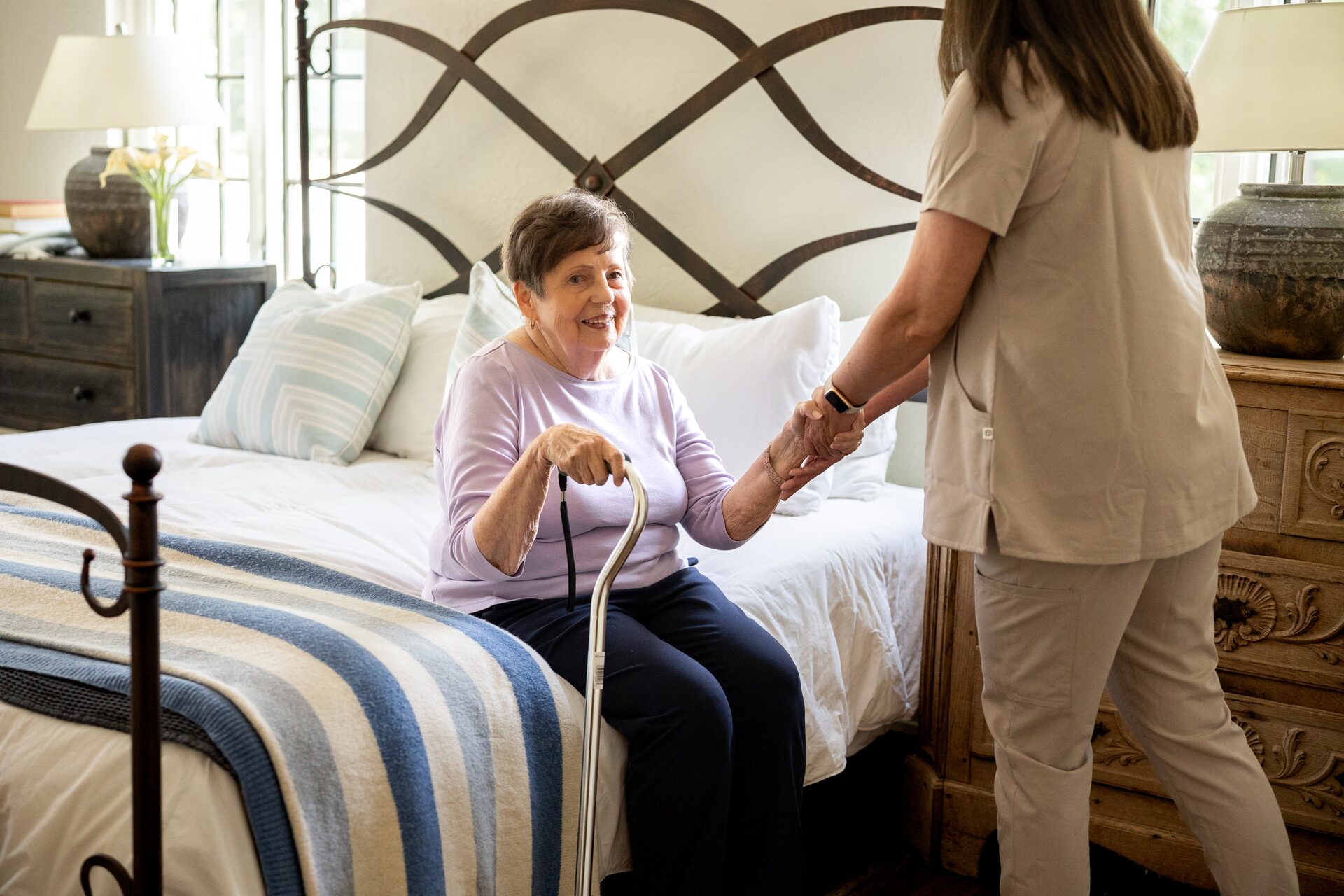
The hands-on work of caregiving is physically demanding. Professional caregivers handle bathing, dressing, grooming, toileting, and mobility assistance. These are the tasks that often cause the most stress and physical strain for family members. A trained caregiver knows how to safely transfer someone from bed to wheelchair, how to make bathing less stressful for someone with dementia, and how to maintain dignity during personal care. You stop worrying about whether you’re doing it right or whether you might get hurt in the process.
Managing Medication and Safety
Keeping track of multiple medications, ensuring they’re taken on time and in the right combinations, is a significant source of anxiety for family caregivers. Professional caregivers provide medication reminders and supervision. They also monitor for safety issues throughout the day, from fall risks to wandering behavior. This constant vigilance is exhausting when it falls entirely on family members. Sharing this responsibility means you can finally stop feeling like you need to watch every moment.
Providing Meaningful Activity and Engagement
One of the gaps many families don’t anticipate: keeping someone with Alzheimer’s engaged in meaningful activities throughout the day. Professional caregivers trained in dementia care know how to adapt activities to current cognitive abilities, provide companionship and emotional support, and reduce challenging behaviors through engagement rather than medication. This improves quality of life for your loved one while reducing the stress you feel when trying to fill long hours.
Reducing Coordination Burden
Remember that 70% of caregivers who find care coordination stressful? Professional home care agencies handle scheduling, backup coverage when a caregiver is sick, and communication between different providers. You’re not making ten phone calls to arrange coverage or panicking when someone cancels at the last minute. The agency takes on that logistical complexity.
Here’s how different types of support address different needs:
| Type of Support | What It Provides | Stress It Relieves |
| Personal Care | Bathing, dressing, grooming, toileting assistance | Physical strain, privacy concerns, worry about safety |
| Companion Care | Social interaction, activities, supervision | Loneliness for your loved one, guilt about leaving them alone |
| Homemaker Services | Meal preparation, light housekeeping, errands | Household burden, time pressure |
| Live-in Care | 24-hour presence and supervision | Sleep deprivation, constant vigilance, inability to work or travel |
The key is that professional caregivers don’t just show up. Quality home care providers use a rigorous screening process to ensure caregivers are trained, experienced, and trustworthy. This vetting reduces your anxiety about bringing someone new into your home and into your loved one’s life.
The Power of Respite: Reclaiming Time for Yourself
Respite care is temporary relief. It might be a few hours twice a week, a full day once a week, or even longer periods when you need to travel or handle other responsibilities. But the impact of regular respite care goes far beyond just getting a break.
Studies show that 99.2% of caregivers using respite services agree it helped them delay placing their loved one in a facility. That’s remarkable. Respite doesn’t just prevent your burnout. It helps your loved one stay home longer, which is often what both of you want. When you’re rested and emotionally recharged, you can be more patient, more present, and more able to provide the kind of care that preserves dignity and connection.
What do caregivers actually do with respite time? The answer varies, and that’s the point. Some caregivers use it for practical necessities: their own doctor appointments they’ve been postponing, grocery shopping without rushing, catching up on work. Others use it for emotional restoration: visiting with friends, attending a support group, exercising, or simply resting at home without being on high alert. One caregiver described it this way: “For three hours on Tuesday afternoons, I can breathe. I can remember who I am beyond being a caregiver.”
Pro Tip: Schedule respite care consistently, not just when you’re at the breaking point. Regular weekly or twice-weekly respite prevents burnout more effectively than occasional emergency relief. Think of it like routine maintenance rather than crisis response.
The psychological impact of knowing you have reliable help cannot be overstated. Many caregivers describe living in a constant state of anxiety, always thinking three steps ahead, never fully relaxing even when sleeping because they’re listening for sounds from the other room. Respite care creates genuine downtime. Your loved one is safe with a trained professional, and you’re free to stop being hypervigilant for a few hours.
How the Right Caregiver Match Makes All the Difference
Not all caregivers are equally effective, and the difference often comes down to personality compatibility and consistency. When a home care provider carefully matches caregivers to clients based on personality, interests, and communication style, something important happens: relationships form. Your loved one isn’t just receiving care from a stranger. They’re building a connection with someone who understands their preferences, their history, and how to communicate in ways that reduce confusion and agitation.
This matters tremendously for reducing your stress as a family caregiver. When your loved one resists care, becomes agitated with unfamiliar people, or withdraws socially, it creates additional stress for you. You’re managing their distress on top of everything else. A well-matched caregiver who takes time to build trust and rapport reduces these behavioral challenges. Many families report that their loved one actually looks forward to time with their caregiver, engaging in activities and conversations they’ve stopped having with family members.
Consistency is equally important. Constantly rotating caregivers means your loved one never gets comfortable, never builds that relationship, and you’re repeatedly explaining preferences and routines to new people. Quality home care agencies prioritize continuity. The same caregiver shows up at the same time, creating a predictable routine that reduces anxiety for everyone involved. You’re not starting from scratch every few days.
The training and expertise professional caregivers bring also reduces your stress in ways you might not anticipate. They’ve been trained in dementia communication techniques, de-escalation strategies for challenging behaviors, and person-centered care approaches. When difficult situations arise, they have tools and experience to draw on. You stop feeling like you’re constantly improvising or worried you’re handling things wrong.
When to Seek Professional Support (And Why Sooner Is Better)
One of the biggest mistakes family caregivers make is waiting too long to get help. There’s a pervasive belief that you should be able to handle everything yourself, that asking for help means you’re failing. Let’s address this directly: asking for help is not a failure. It’s good judgment.
The best time to bring in professional home care is earlier than you think. Here are the situations that indicate it’s time:
Early warning signs:
- You’re feeling consistently overwhelmed or anxious about caregiving
- You’ve started missing your own medical appointments or health needs
- Your work performance is suffering, or you’ve had to reduce hours significantly
- Your relationships with spouse, children, or friends are strained
- You’re experiencing any of the burnout warning signs mentioned earlier
- Your loved one’s care needs are increasing beyond a few hours per day
- You’re getting less than six hours of sleep regularly
Immediate action situations:
- You’ve had thoughts about harming yourself or your loved one
- You’ve experienced a health crisis or injury related to caregiving strain
- Your loved one has become unsafe at home without constant supervision
- Behavioral changes (aggression, wandering, sundowning) are beyond what you can safely manage
- You’re the sole caregiver with no backup support system
The research is clear: early intervention prevents crisis. Caregivers who seek help when they first notice warning signs avoid the severe health consequences of advanced burnout. They maintain better relationships with their loved ones because they’re not constantly exhausted and resentful. Their loved ones often stay home longer because the quality of care is sustainable.
Overcoming guilt about getting help requires reframing how you think about caregiving. Professional support doesn’t mean you love your family member less. It means you love them enough to ensure they receive the best possible care while also protecting your own health. You can’t pour from an empty cup. Taking care of yourself isn’t selfish. It’s a prerequisite for taking care of anyone else.
Frequently Asked Questions About Home Care for Alzheimer’s
How much does home care for Alzheimer’s cost, and can I afford it?
Professional home care is more flexible and affordable than many families realize. Services are available from as little as one hour per week to 24-hour live-in care, so you can start with what fits your budget and adjust as needs change. Costs vary by location and level of care, but many families find that a few hours of respite care several times per week is both manageable and transformative for reducing caregiver stress. Additionally, some costs may be covered through long-term care insurance, Veterans benefits, or state programs. The key is that getting help doesn’t have to be all-or-nothing.
Will my loved one accept help from a professional caregiver?
This is one of the most common concerns, and it’s completely valid. Many elderly people with Alzheimer’s initially resist help from someone they don’t know. Quality home care providers address this through gradual introductions and personality matching. The first visits might be short, focused on building rapport rather than taking over all care tasks. Caregivers trained in dementia care know how to introduce themselves, engage in meaningful activities, and build trust over time. Many families are surprised to find that their loved one becomes more receptive to care from a professional caregiver than from family members, perhaps because there’s less emotional history and role confusion.
How do I know if a caregiver is experienced with Alzheimer’s and dementia?
Look for home care providers who specialize in dementia care and have a structured screening and training process. Ask specific questions: What dementia-specific training do your caregivers receive? How do you match caregivers to clients? What’s your process for handling challenging behaviors? Can you provide references from other families with loved ones who have Alzheimer’s? A quality provider will have clear, detailed answers to these questions and will be transparent about their caregiver qualifications and ongoing training.
Can I start with just a few hours a week, or is it all or nothing?
You can absolutely start small. In fact, starting with a few hours per week is often the best approach. It gives your loved one time to adjust to having a caregiver, allows you to assess the fit, and makes the financial commitment more manageable. Many families begin with respite care twice a week for three or four hours, then adjust based on what they learn. The flexibility to scale up or down as needs change is one of the advantages of home care over facility-based care.
Is it normal to feel guilty about getting help with caregiving?
Guilt is almost universal among family caregivers who seek help, but that doesn’t mean it’s rational or helpful. You’re not abandoning your loved one. You’re ensuring they receive consistent, quality care from people who are rested, trained, and emotionally equipped to provide it. Many caregivers find that once they have regular support, they’re actually able to be more present and engaged during the time they spend with their loved one because they’re not completely depleted. The relationship improves rather than suffers.
For additional resources and support, the Alzheimer’s Association offers education, support groups, and a 24/7 helpline to help you navigate the challenges of dementia caregiving.
Moving Forward: You Don’t Have to Do This Alone
How Alzheimer’s home care can reduce caregiver stress and burnout comes down to a simple truth: you cannot provide quality care to someone else when you’re running on empty. Professional home care isn’t about replacing you. It’s about supporting both of you through a challenging journey.
The caregivers who thrive, who maintain their health and their relationships while caring for someone with Alzheimer’s, are the ones who recognize their limits and ask for help before reaching crisis point. They understand that accepting support allows them to be the daughter, son, or spouse their loved one needs, rather than just the exhausted person managing their care.
If you’re reading this and recognizing yourself in the warning signs, or if you’re simply tired of feeling overwhelmed, know that help is available and asking for it is a sign of strength, not weakness. You deserve support. Your loved one deserves the best care possible. Professional home care makes both of these things achievable
We understand what you’re going through, and we want to be there for you, by your side, every step of the way. Reach out today to learn how professional, compassionate Alzheimer’s care can give you the respite you need while ensuring your loved one receives quality, personalized support at home.