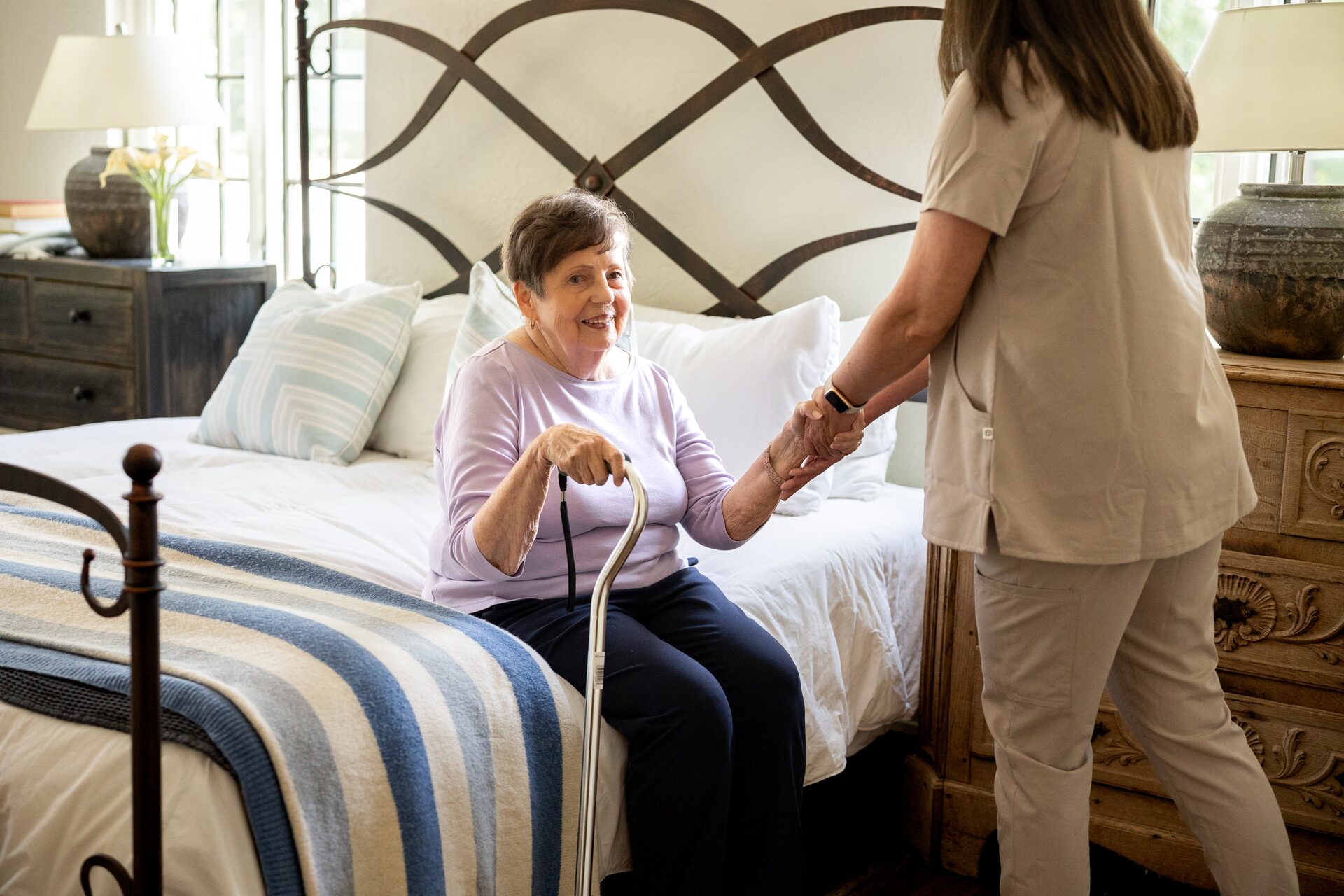
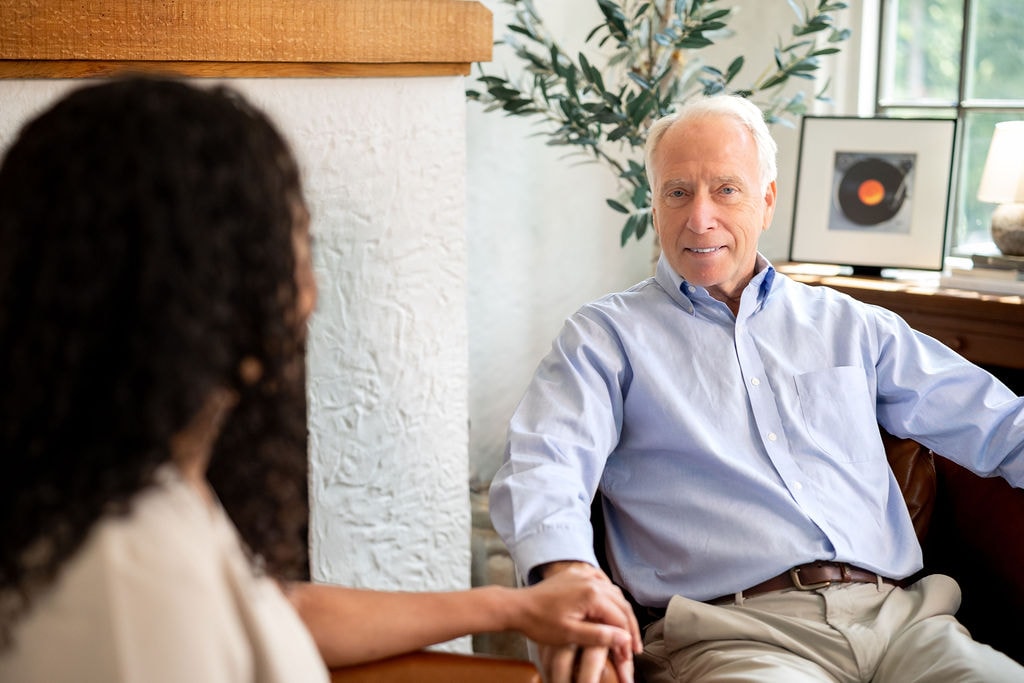
When someone you love receives an Alzheimer’s diagnosis, the home that once felt safe suddenly holds hidden dangers. We understand how overwhelming this moment feels. You want to protect them, but you also want to preserve their dignity and independence for as long as possible. The good news is that with thoughtful Alzheimer’s home safety modifications, your loved one can remain comfortable at home while staying protected from common hazards.
This isn’t about transforming your house into a clinical facility. It’s about making smart, gradual changes that reduce risks without sacrificing the warmth and familiarity that make home feel like home. Research shows that people with dementia experience falls at an alarming rate. Studies indicate an annual fall prevalence of 44 percent among elderly people with Alzheimer’s disease, with nearly half of those falls resulting in injury. But these accidents are largely preventable when you know what safety hazards to address.
Understanding Alzheimer’s Home Safety Risks
Alzheimer’s disease changes how the brain processes the world. What seems obvious to you may be invisible or confusing to someone living with dementia. They might forget how to use household appliances they’ve operated for decades. Depth perception fades, making stairs dangerous. Vision changes mean they can’t distinguish between the floor and a dark rug. The sense of time and place becomes unreliable, leading to wandering even in familiar surroundings.
These changes create three primary concerns. Falls are the most immediate danger, caused by balance problems, poor lighting, and difficulty recognizing obstacles. Wandering poses serious risks, as six in 10 people with dementia will wander at some point. Kitchen and bathroom hazards multiply as judgment declines and the ability to recognize danger disappears.
Understanding why these dangers exist is the first step toward addressing them without creating a house that feels restrictive or institutional. Most people with Alzheimer’s can maintain their independence longer when family members make thoughtful modifications to avoid safety hazards.
Essential Safety Modifications: Where To Start
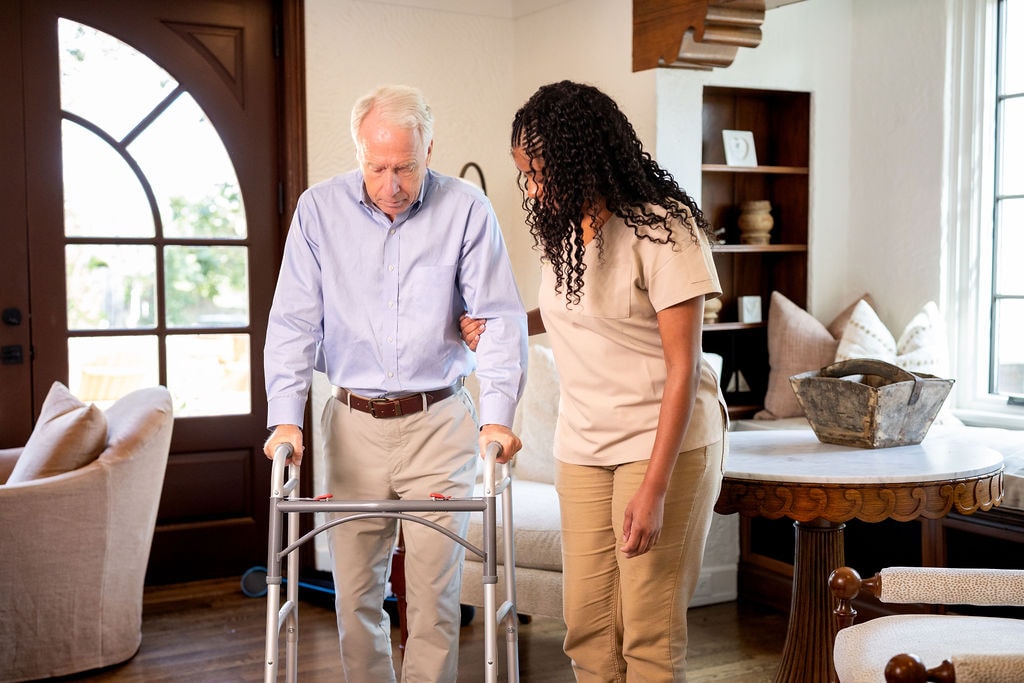
Not every family can afford thousands of dollars in modifications immediately. Start with the essentials, then add improvements as your loved one’s needs change.
Essential Now: Free to $500
These modifications should happen immediately and cost little to nothing. Remove tripping hazards throughout the house by clearing pathways of clutter and securing all rugs with non-slip backing. Tuck electrical cords against walls or behind furniture. Install night lights in hallways, bedrooms, and bathrooms so your person can navigate safely after dark. Add bright tape to stair edges to improve visibility.
Lock away cleaning supplies, medications, and sharp objects in a locked drawer. Store car keys hidden out of sight to prevent unsafe driving. Consider adding an extra set of keys hidden near exterior doors for easy access in emergencies. Install smoke detectors and carbon monoxide detectors on every level, checking batteries regularly. Keep fire extinguishers accessible in the kitchen and near bedrooms.
Important Soon: $500 to $3,000
As the disease progresses, invest in these moderately priced safety features. Install grab bars in the bathroom near the toilet, tub, and shower. Add safety locks to exterior doors, placed high or low where they’re out of the direct line of sight. Consider door and window sensors that alert you when someone tries to leave. Replace standard light switches with motion-sensor lights in key areas. Install an automatic shut-off device on the stove.
Optimal Long-Term: $3,000 and Up
For families planning long-term care at home, these investments create maximum safety. Install a walk-in shower with built-in seating. Add a stair lift if your house has multiple levels. Create secure outside areas with fencing and locked gates. According to research from the VA, many families successfully implement home safety modifications for an average of just $79 in basic products, while comprehensive renovations can range from $3,000 to $15,000.
Kitchen Safety For Alzheimer’s Patients
The kitchen presents unique dangers for people with dementia. Stoves, sharp knives, electrical appliances, and items that look like food but aren’t all pose risks. Yet the kitchen is also where your loved one may want to maintain some independence.
Secure Cutlery
Start by securing all knives and sharp objects in a locked drawer. Install childproof latches on cabinets containing breakable items or anything potentially dangerous. Remove small electrical appliances when not in use. If your loved one has a history of leaving the stove on, install stove knob covers or add an automatic shut-off device that turns the burner off after a set time.
Disconnect Disposal
Disconnect the garbage disposal to avoid injury from someone reaching into the drain. Place a drain trap in the sink to catch items that fall in. Remove decorative fruits, vegetables, and food-shaped magnets that might be mistaken for real food. Move vitamins, sugar substitutes, and prescription medications to a locked cabinet. Place medications in a pill box organizer only if supervised.
Keep Emergency Numbers Visible
Keep emergency phone numbers posted near the phone, including your loved one’s doctor, local police, fire departments, and poison control helplines. Check the refrigerator regularly and remove expired food. Store all other weapons like knitting needles or tools in work rooms or locked cabinets.
Pro Tip: Set your water heater to 120°F or lower to prevent burns. People with dementia may not recognize when water is dangerously hot or may not react quickly enough to adjust the temperature. Consider installing an automatic thermometer that displays current water temperature.
Bathroom Fall Prevention And Safety
Falls in the bathroom account for significant injuries among older people with Alzheimer’s. The combination of hard surfaces, water, and slippery surfaces creates particular danger. Install grab bars beside the toilet and inside the shower or tub. Choose grab bars in a contrasting color to the wall for easy access and visibility.
Add textured stickers or non-slip mats to the tub and shower floor to prevent falls. If the bathroom is uncarpeted, place non-slip strips next to the tub, toilet, and sink as well. Remove locks from bathroom doors to prevent your loved one from accidentally locking themselves inside.
Remove small electrical appliances like hair dryers and electric razors from the bathroom. Cover electrical outlets. Store all toiletries in a locked cabinet since they may smell appealing and someone with dementia might try to eat them. Use contrasting colors to help distinguish different fixtures. Keep a night light on at all times.
Preventing Wandering And Elopement
Wandering is one of the most frightening behaviors associated with Alzheimer’s disease. Your loved one may be looking for something familiar, trying to fulfill an old obligation like going to work, or simply become disoriented and try to “go home” even when already at home.
Lock Exterior Doors: Keep exterior doors locked at all times with deadbolts placed either very high or very low on the door, out of the normal line of sight. Install locks that don’t require keys on the inside to avoid fire hazards. Install door alarms or motion sensors that alert you when a door opens. Place a pressure-sensitive mat near the bed to notify you when your loved one gets up during the night.
Camouflage Doors: Camouflage doors by painting them the same color as the walls or hanging curtains over them. Place a black mat or paint a black threshold in front of doors. People with Alzheimer’s often perceive dark areas as holes and will avoid stepping on them. Keep shoes, keys hidden, and coats out of sight. These items trigger the instinct to leave.
Create a Safe Path: Create a safe path to walk through several rooms with good lighting and no obstacles. Ensure your loved one wears identification at all times. Consider enrolling in a GPS tracking program specifically designed for people with dementia. Notify your local council or local police that your loved one has a tendency to wander.
Bedroom And Living Area Safety
Secure The Sleeping Area
Position the bed against a wall or install bed rails to prevent falls during sleep. Keep the bed at a comfortable height for transfers. Place a lamp with a simple touch base on the nightstand. Avoid electric blankets or space heaters that can cause burns.
Furniture And Fall Prevention
Secure all bookcases, cabinets, and large furniture to walls to prevent tipping. Remove low furniture like coffee tables that create tripping hazards. Ensure chairs have armrests to provide support when sitting down or standing up. Remove rugs or secure them with non-slip backing.
Lighting And Visibility
Keep rooms well-lit throughout the day and evening. Install nightlights in every hallway and room. Consider motion-sensor lights that turn on automatically. Place easy-to-reach light switches at room entrances. Avoid busy patterns that can cause visual confusion.
Outdoor Safety Considerations In South Florida
Florida’s climate creates unique outdoor challenges. The heat makes wandering outside particularly dangerous. Older people with Alzheimer’s may not recognize when they’re overheated.
If you have a pool, install a locked fence with self-closing gates. Secure lanai and patio doors with high or low lock placement. Keep outdoor furniture stable. During hurricane season, bring your loved one inside well before the storm. Store lawn equipment, gardening tools, and chemicals in a locked shed. Monitor outside areas for hazards like uneven pavement or standing water.
Cost Guide And Priorities
Understanding the financial investment helps you plan effectively. Here’s a realistic breakdown:
| Priority Level | Cost Range | Timeline | Examples |
|---|---|---|---|
| Essential Now | $0-$500 | This week | Remove rugs, add lights, lock cabinets, secure medications |
| Important Soon | $500-$3,000 | 1-3 months | Install grab bars, door alarms, stove safety devices |
| Optimal Long-term | $3,000-$15,000 | 6-12 months | Walk-in shower, stair lift, security system |
Start with essential modifications that cost little but deliver immediate safety improvements. Many families create safer homes for under $100 by focusing on removing hazards rather than adding equipment. Look for financial assistance through Medicare, Veterans benefits, or your local council on aging.
When To Seek Professional Help
There comes a point when home modifications alone aren’t enough. If your loved one falls repeatedly despite safety improvements, wanders frequently, or can no longer recognize family members, it may be time for additional support from health professionals.
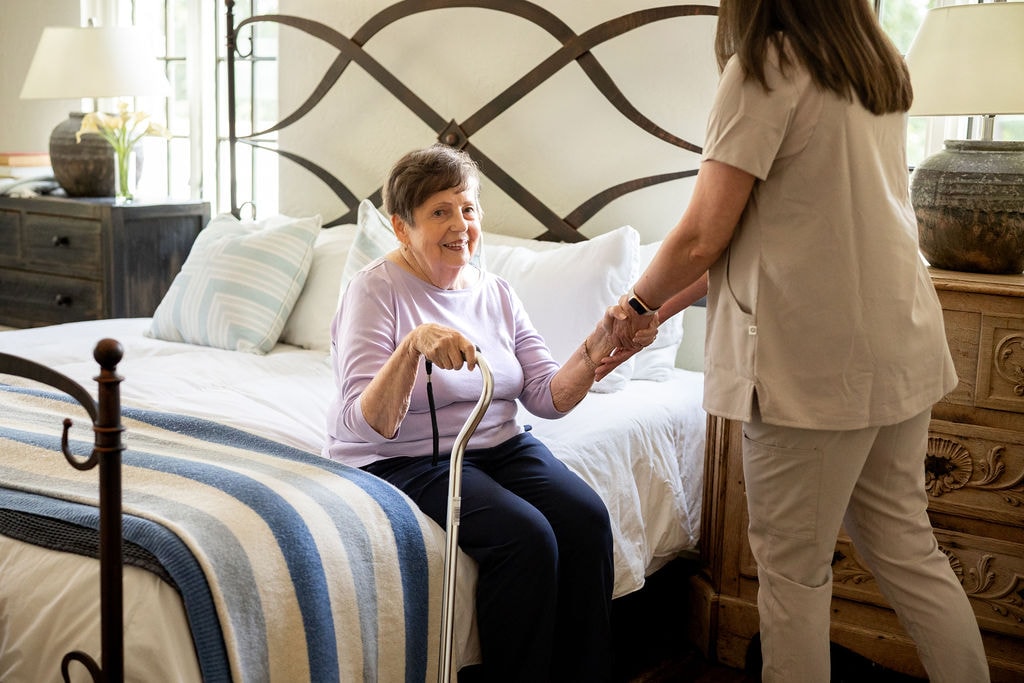
Specialized dementia care services can provide the supervision and assistance your loved one needs while allowing them to remain at home. Professional caregivers understand how to prevent wandering, reduce fall risks, and maintain a safe environment. Signs that professional help would benefit your family include difficulty managing nighttime wandering, multiple falls, or caregiver exhaustion.
Frequently Asked Questions
How much does it cost to make a home safe for someone with Alzheimer’s?
Most families can implement essential Alzheimer’s home safety modifications for $100 to $500 by focusing on removing hazards and adding basic safety devices. More comprehensive changes including professional installation typically range from $3,000 to $15,000 depending on your home’s condition and specific needs.
What should I do first if I’m on a tight budget?
Start by removing tripping hazards and securing dangerous items. Clear pathways, remove or secure rugs, lock away medications and cleaning supplies, and add inexpensive night lights. Install bright-colored tape on stairs for better visibility. Hide car keys and secure doors with simple slide bolts. These modifications address the most common dangers without significant investment.
Can someone with Alzheimer’s live alone at home safely?
In early stages, many people with Alzheimer’s can live alone with appropriate modifications and regular check-ins. Ask whether they can recognize dangerous situations, remember to turn off appliances, call for help in emergencies, and stay content at home. As the disease progresses, most people need either live-in family support or professional care services to remain safely at home.
How do I prevent nighttime wandering without locking them in?
Never use locks that could trap someone inside during a fire. Instead, install door alarms that alert you when a door opens. Place motion sensors by the bed. Use visual deterrents like black mats in front of doors. Keep the path to the bathroom well-lit and clear. Sometimes addressing the underlying need reduces wandering behavior naturally.
What’s the single most important safety modification?
Fall prevention is the highest priority. Falls cause the most frequent injuries. Start by improving lighting, removing tripping hazards, and securing rugs. Add grab bars in the bathroom where falls most commonly occur. Consult with doctors about medications that might affect balance. These modifications provide immediate protection.
Conclusion
Creating a safe home for someone with Alzheimer’s disease requires planning, patience, and a willingness to see your space through their eyes. Start with essential modifications that cost little but protect against common dangers. As needs change, add layers of safety that preserve dignity while providing security for peace of mind.
You don’t have to do this alone. Contact us to learn more about our Alzheimer’s care services in the Boca Raton, Delray Beach, and North Palm Beach area. Our experienced caregivers can help you create a safe, comfortable environment that allows your loved one to thrive at home for as long as possible.