

Most families assume a “good” activity for Alzheimer’s disease has to be a brain game, a craft kit, or a structured exercise routine. The truth is simpler and kinder. This guide gives you a framework for choosing activities that fit your loved one’s day, plus stage-appropriate examples drawn from what works after a dementia diagnosis. At Preferred Care at Home of MetroWest Boston, our owner Brent started this franchise after watching his grandmother receive inadequate facility care, and specialized Alzheimer’s support has been our focus with every family member we serve since.
Key Takeaways
- According to the CDC, about 80% of adults with Alzheimer’s disease and related dementias receive care in their own homes, not facilities.
- Activities that work match the cognitive abilities your loved one has now, not what they used to do.
- Familiar household chores often help your loved one feel engaged, whether they’re in the early stages or late stages of cognitive decline.
- Massachusetts families have community options including memory cafés and free programs for the person caring at home.
What Makes a Good Activity for Someone with Alzheimer’s?
A good activity isn’t measured by how challenging it is. It’s measured by whether your loved one feels engaged without causing frustration. The National Institute on Aging offers a simple four-move framework that works across the stages of dementia.
- Match the activity to current cognitive function. Not what your elderly parent could do last year. What they can do today.
- Help them get started. Hand them the first sock to fold. Put the music on. Initiation is often the hardest part after a dementia diagnosis.
- Watch for frustration. Fading attention, fidgeting, or pulling away are signals to switch or stop.
- Let them watch if they prefer. Sitting alongside you while you fold laundry or peel potatoes is participation. It still counts.
Stage alone isn’t the whole picture. Alzheimer’s accounts for the majority of dementia cases (the CDC puts it at 60-80%), but two people with dementia at the same stage can have very different days. Energy, agitation level, sensory tolerance, and the ability to start something on their own all shift hour to hour. That’s why specialized Alzheimer’s Care leans on observation, not a fixed schedule, and why the right activity for 10 a.m. might be the wrong one for 4 p.m.
Familiar Daily Routines Often Engage Better Than Brain Games
From the NIA caregiver guidance: Folding laundry, sorting socks, washing dishes, and setting the table are listed as meaningful activities for people with Alzheimer’s, because they tap into routines a person held for decades.
Familiar daily activities work for a reason. The motions are already in muscle memory. The household items are recognizable. There’s no instruction sheet, no scorekeeping, no new rule to learn. A simple chore preserves the role your family member held in the home for forty or fifty years, which is part of why it feels purposeful instead of assigned. These routines tap into life experiences and support self worth in ways that structured dementia activities often miss.
Try options like these:
- Folding laundry, especially towels and washcloths
- Pairing socks from a basket
- Setting the table for a meal
- Wiping down counters or a table
- Watering houseplants
- Putting together a simple snack, like spreading butter on toast
A few notes on how to use this category. If your loved one can’t start, you start, and hand them the next piece. If they lose interest halfway through, sit with them while you finish.
The chore doesn’t need to be done correctly. Mismatched socks and a half-folded towel are fine outcomes.
When fatigue is high or hands need more help, Personal Care and homemaker services for seniors can carry the daily living tasks while preserving moments of shared activity. Fond memories often come up during these routines, which is its own reward. Holiday traditions like baking cookies or decorating tap into the same sense of self sufficiency and connection without the pressure of formal brain games.
Music and Sensory Activities for the Harder Days
When agitation rises or words get harder to find, sensory activities often reach where conversation can’t. These options provide cognitive stimulation and can reduce symptoms of restlessness while lifting mood. Options to keep on hand:
- A personalized playlist from their younger years (high school, early marriage, songs from a favorite era)
- Hand massage with unscented lotion
- Folding fabrics with different textures, like fleece, flannel, and silk
- Looking through family photos and photo albums together to stimulate memory
- Fresh-cut flowers or familiar scents from cooking, like fresh cut grass or baking bread (avoid smells that are strong or unfamiliar, which can backfire)
- Soft music during transitions like getting dressed or coming home from an appointment
What the research shows: A 2023 systematic review in the International Journal of Geriatric Psychiatry analyzed 9 studies with 246 total participants and found that music-related sensory interventions showed positive immediate de-escalation effects on agitation, with no side effects reported.
Sensory stimulation tends to help most during the harder windows: late-afternoon “sundowning,” the hour after a medical appointment, or the stretch before bed. Tactile stimulation through hand massage or different textures can enhance mood when verbal engagement isn’t landing. What evoke comforting memories for one person may unsettle another, so watch reactions closely. Looking through old photos in familiar albums often brings calm when other approaches don’t land. For families navigating these patterns daily, specialized dementia support brings caregivers who know how to read those signals and adjust.

Movement That Matches Your Loved One’s Current Ability
Movement matters for older adults with Alzheimer’s, but the form matters more than the minute count. A short walk that ends in laughter does more than a planned 30-minute session that ends in frustration. The goal is regular gentle physical activities that fit the ability level your loved one has today. These physical activities support memory and cognitive skills while improving quality of life and daily living function.
What the research shows: A 2023 systematic review and meta-analysis in Experimental Gerontology examined 10 studies with 1,080 participants and found that multicomponent exercise had positive effects on daily living and quality of life for older adults with dementia or mild cognitive impairment.
Match the option to current ability:
- Short walks around the block, the yard, or even hallway loops indoors
- Chair exercises like seated marching, arm circles, and ankle rolls
- Tai chi videos designed for seniors
- Gentle stretching to music
- A stationary bike at very low resistance
- Gardening, potting plants, or raking a small patch of leaves
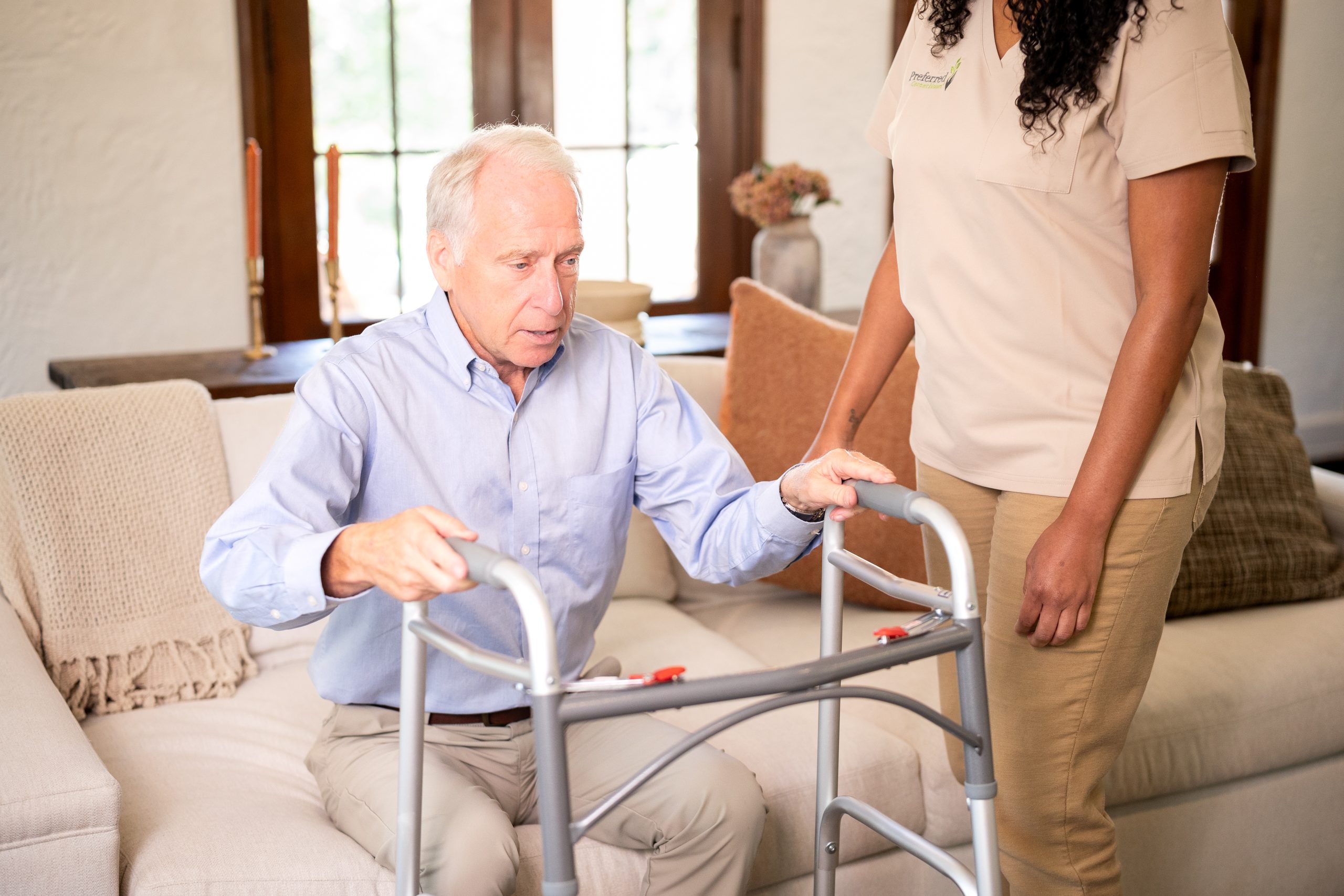
Safety basics still apply. Steady balance support, supervised stairs, water within reach, and good shoes prevent most problems. For families who want a steady companion on daily walks or a second set of hands during chair exercises, Companion Care provides exactly that kind of presence without turning movement into a clinical session.
When Home Activities Aren’t Enough: Memory Cafés in MetroWest
At some point, every family hits the same wall. You’ve cycled through the playlist, the photo albums, and the chore basket, and the day is only half over. Your loved one needs social interaction with people other than you. Isolation wears down both sides of the relationship. Memory cafés and other community programs offer a chance to spend time with others who understand dementia, and they can start conversations that feel natural instead of forced.
From Mass.gov: Over 2,500 Dementia Friends across Massachusetts are trained to support more dementia-aware community participation, social outings, and welcoming public spaces for people with dementia and their families.
Local options worth knowing about:
- Memory Cafés: welcoming social gatherings for people with dementia and the friend or family member supporting them, with no pressure and no program, just conversation, music, and refreshments that encourage self expression.
- Massachusetts Family Caregiver Support Program: free support for unpaid caregivers of someone with Alzheimer’s or related dementia, including respite funding and counseling.
- Dementia Friendly Massachusetts: community initiatives in libraries, businesses, and public spaces that make outings less stressful for the person and their caregiver.
- Home Care Program: serves under-60 early-onset Alzheimer’s alongside the traditional older-adult population.
When home engagement, community programs, and your own bandwidth still don’t add up to a workable day, in-home support fills the gap. Our Alzheimer’s home care services serve families across Framingham, Natick, Newton, Wellesley, and the wider MetroWest community. We understand that your loved one’s quality of care depends on having the right support in place, and our senior companion services can fill activity gaps when families need a break.
Frequently Asked Questions About Alzheimer’s Activities
What activities are good for someone with Alzheimer’s?
Activities that work match your loved one’s current abilities, lean on familiar routines, and keep frustration low.
Activities that work usually fall into four categories: familiar household chores, music and sensory experiences, gentle movement, and quiet companionship. Cognitive activities like simple sorting tasks work well when attention is steady. Creative activities like coloring with safety scissors or arranging flowers can encourage creativity without pressure. What works on Tuesday may not work on Thursday, so the right approach is observational, not scripted. Emotional fit matters more than entertainment value. For families who want a steady second presence during these activities, in-home companionship care can help build that rhythm.
What do you do with an Alzheimer’s patient all day?
A typical day works better with a loose rhythm of familiar routines, short activities, rest periods, and a calming sensory anchor.
Mornings often handle structured tasks better, like setting the table or folding laundry. Afternoons benefit from movement and a change of scene. Late afternoon is when sundowning hits, so a personalized playlist or photo album works well as the wind-down. Repetition is fine. If something worked yesterday, do it again today. Different activities may be needed as cognitive health changes, but the framework stays the same.
How do you keep someone with dementia engaged at home?
Engagement at home works when activities feel purposeful and familiar, not when they’re scheduled like a program.
Lean on chores the person did for decades, music from their younger years, and short bursts of movement matched to their current ability. Participation counts even if the task isn’t completed. Sitting and watching you cook is still engagement. When the daily load gets heavy, caregivers from Preferred Care at Home of MetroWest Boston handle the rhythm so families can show up rested, with respite care for family caregivers built around your schedule. Staying engaged becomes easier when someone else manages the routine.
Are puzzles and memory games actually helpful?
Puzzles and word games help some people on alert days, but they often increase frustration when memory or attention is fading.
Jigsaw puzzles, card games like simple matching games, and online games only work when they don’t feel like a test. If your elderly parent pushes pieces away, gets quiet, or looks for the exit, switch to a familiar chore or sensory activity instead. The point isn’t strategic thinking. The point is feeling capable and connected, which familiar tasks usually deliver more reliably. Other forms of engagement, like looking through old photos or listening to music, often stay engaging longer.
What are calming activities for dementia patients?
Personalized music, hand massage, soft fabrics, and looking through old photo albums are among the most-cited calming options.
A systematic review in the Australasian Journal on Ageing found 4 randomized controlled trials showing individualized music listening had positive effects on agitation, anxiety, and depression in people with dementia. Pick songs from the person’s late teens through early thirties for the strongest response. Keep in mind that what calms one person can unsettle another, so watch reactions and adjust. These approaches work across different stages, including late stage dementia.
How much movement should an older adult with Alzheimer’s get?
The CDC recommends older adults get 150 minutes of moderate aerobic activity each week, plus balance and strengthening, adapted to ability.
For someone with Alzheimer’s, that target gets broken into shorter pieces and matched to current function. Three ten-minute walks count. Twenty minutes of chair exercises counts. Tai chi and stationary bike sessions count. Supervised movement is safer when balance is unsteady, and consistency matters more than intensity. Physical activities support cognitive health and can improve memory over time.
Are there Alzheimer’s activity groups near me in Massachusetts?
Massachusetts hosts memory cafés in many communities, plus a free Family Caregiver Support Program for unpaid caregivers of someone with dementia.
Memory cafés meet in libraries, churches, and community centers across MetroWest and Greater Boston. The state’s Dementia Friendly initiative trains local businesses and public spaces to be more welcoming. Preferred Care at Home serves families across Framingham, Natick, Hopkinton, Holliston, Ashland, Sherborn, Newton, Wellesley, Sudbury, and Needham, and we know the local landscape well.
When should a family get help with daily engagement at home?
When activity planning, caregiver fatigue, or escalating frustration starts to define the day, in-home support changes the equation.
The CDC reports more than 11 million U.S. adults provide unpaid care for someone with a form of dementia. Burnout is the most common trigger for seeking help, not a single crisis. Bringing in a trained caregiver a few hours a week gives both of you space to breathe. To talk through what would help in your home, get care now and we’ll walk you through the next step.


